




Carved Carolean Chair
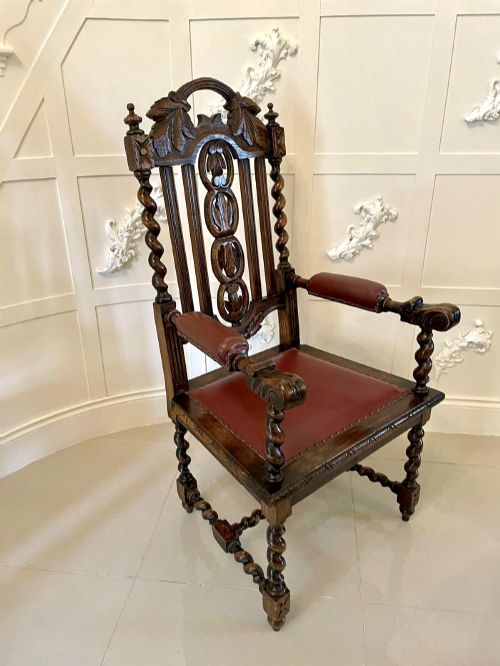
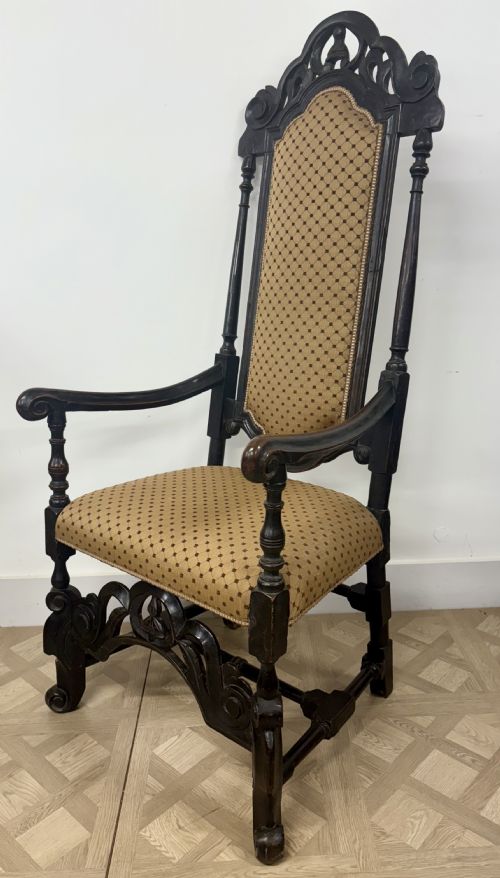
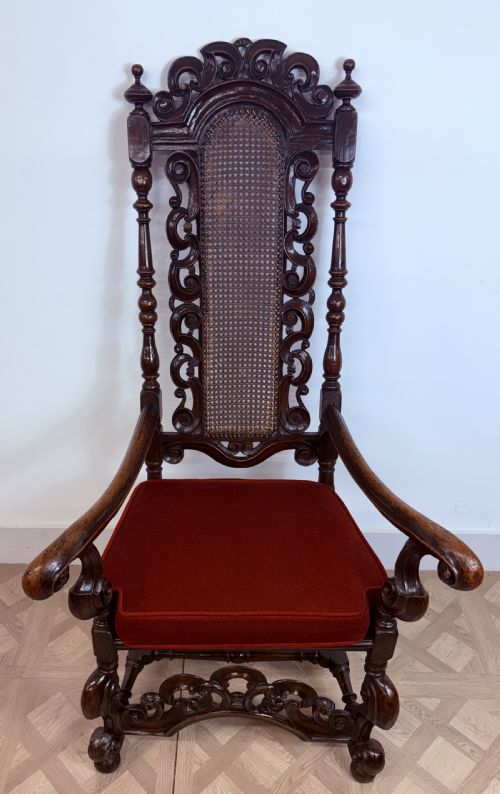
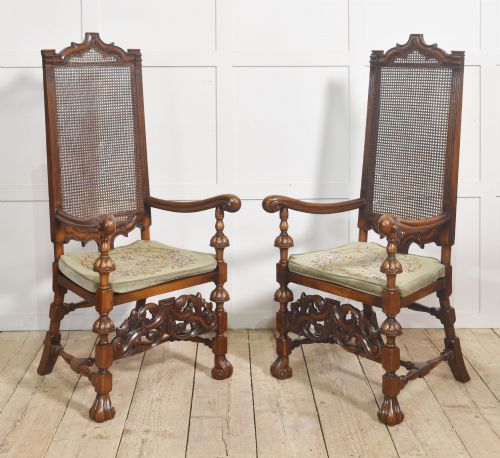
When you look for a carved carolean chair, you seek the vigorous scrolls, pierced cresting rails and turned supports characteristic of late seventeenth-century seating.
Carved Carolean Chair
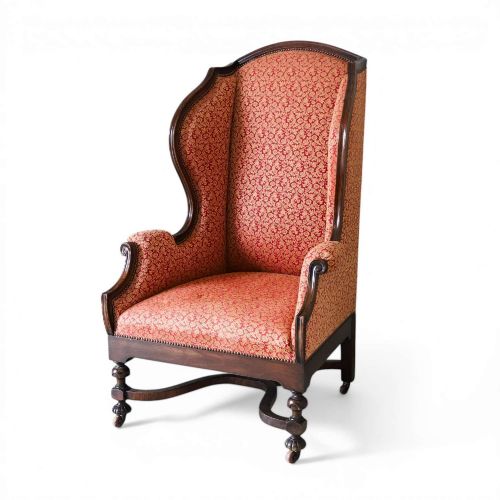
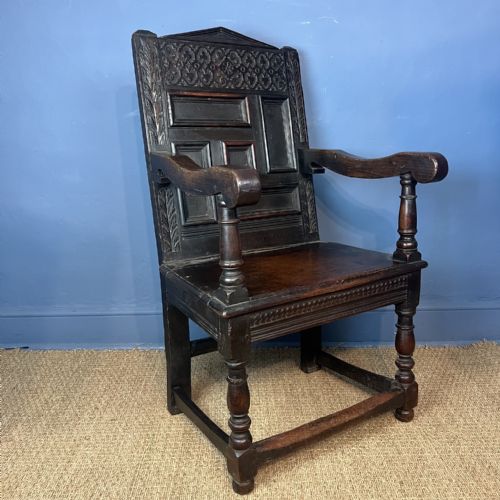
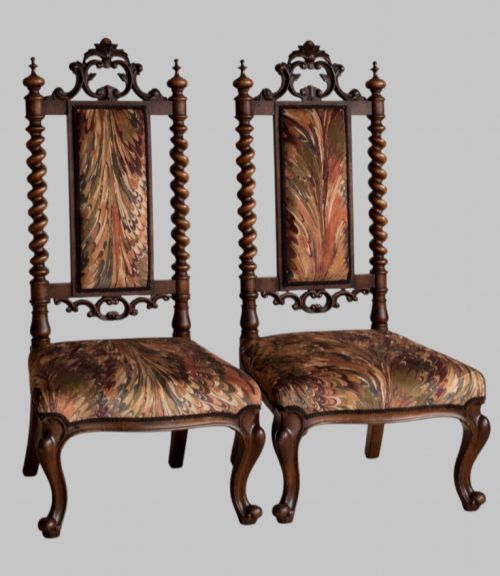
A carved carolean chair encompasses sturdy joined oak examples from the late seventeenth century alongside later revival pieces produced during the Victorian and Edwardian eras.
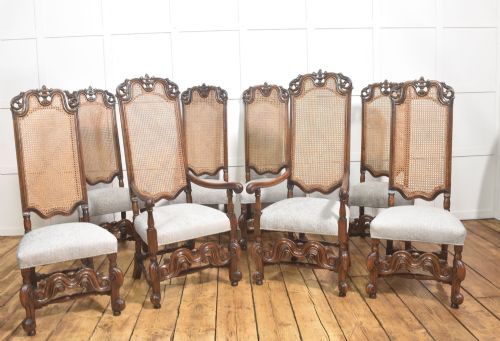
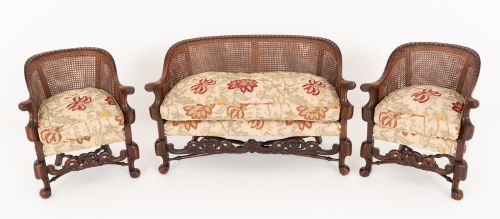
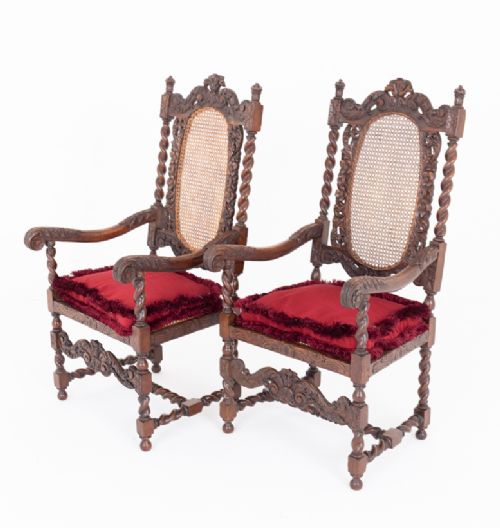
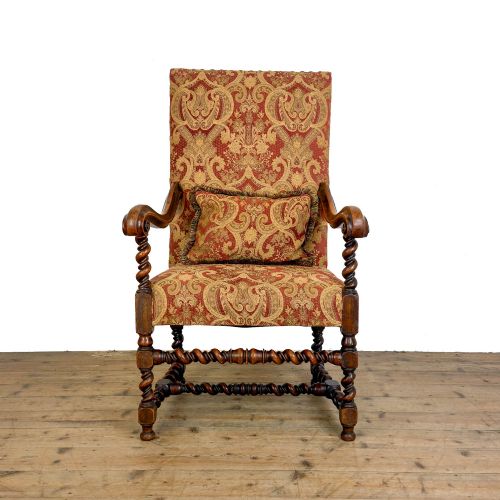
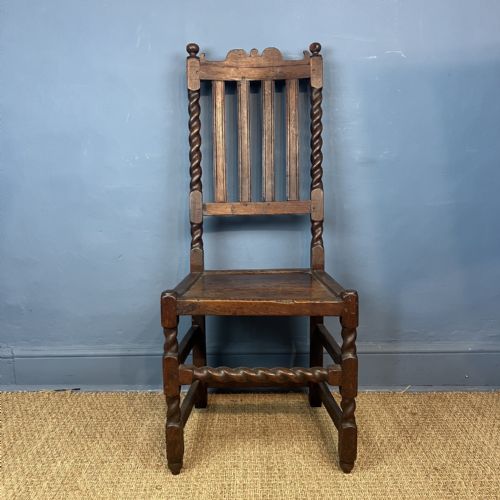
Buyers encounter diverse forms including high-back dining chairs, low elbow chairs, wainscot armchairs, and matching suites or sets.
The aesthetic bridges seventeenth-century court taste and nineteenth-century antiquarian enthusiasm, utilising bold scrolls and crown motifs.
Materials and construction methods
Cabinetmakers relied on native timbers, predominantly oak and walnut, joined with traditional pegged mortise and tenon construction.
Seating areas frequently incorporated woven cane or upholstered panels secured with brass tacks, paired with elaborately pierced wooden frames.
Form variations range from single child highchairs and wainscot armchairs to dining sets numbering ten pieces.
Distinctions in execution and age
Quality rests in the crispness and depth of the hand carving upon the crest rails and stretchers, distinguishing fluid seventeenth-century work from later mechanical output.
The integrity of the frame, the preservation of original cane or upholstery foundations, and the choice of dense figured walnut or quarter-sawn oak define the finer examples.
The Carved Carolean Chair Glossary
- Carolean
- Pertaining to the reign of Charles II, spanning from 1660 to 1685, noted for lavish ornamentation and baroque influence. This era established the scrollwork and crown motifs seen on period seating.
- Cane
- Split rattan woven into patterned meshes for chair backs and seats. This technique provided lightweight resilience during the late seventeenth century.
- Wainscot
- An early form of wooden armchair constructed with solid panelled backs and heavy armrests. These pieces derived from joinery traditions preceding the lighter framed chairs.
- Barley twist
- A type of lathe-turned furniture support resembling a twisted rope. This decorative turning appears frequently on seventeenth-century and revival leg supports.
- Crest rail
- The uppermost horizontal member of a chair back, frequently pierced, carved, and shaped. In carolean pieces, this rail often displays crown and floral motifs.
Carved Carolean Chair: Frequently Asked Questions
How do I spot a true seventeenth-century piece?
Examine the timber shrinkage, tool marks, and construction pegging visible beneath the frame. Period pieces display hand-cut joinery and oxidation consistent with age.
Compare the carving depth and proportion against documented examples from the same decade to confirm authenticity.
Are revival chairs worth collecting?
Victorian and Edwardian revival pieces offer robust construction and decorative presence often suited to modern domestic use. Makers of this period utilised quality oak and walnut.
These later interpretations provide an accessible entry point into seventeenth-century design aesthetics without the fragility of antique frames.
How should I care for cane seats?
Maintain cane by keeping it lightly hydrated with a damp sponge from beneath to prevent snapping. Avoid placing these chairs near direct heat sources.
Weight distribution matters; cushion pads help preserve old woven cane panels during daily use.
Did these chairs always have upholstery?
Original seventeenth-century models frequently utilised cane or exposed timber before later owners added fabric coverings. Upholstered options in leather, velvet, or textile appear across both period and revival groups.
Review the nail patterns and frame rebates to understand how the seating material was originally secured.