

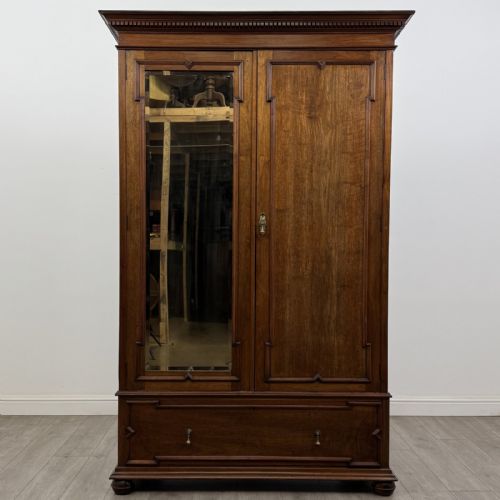
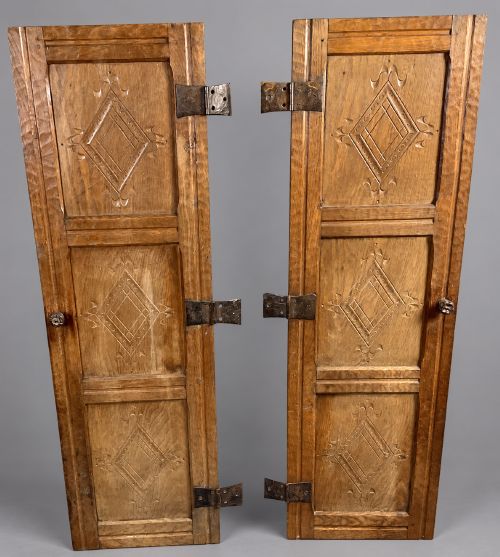
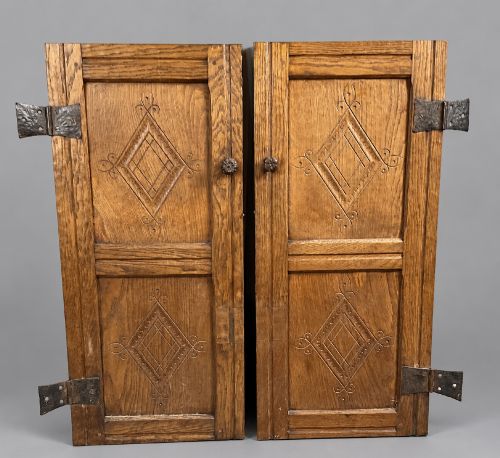

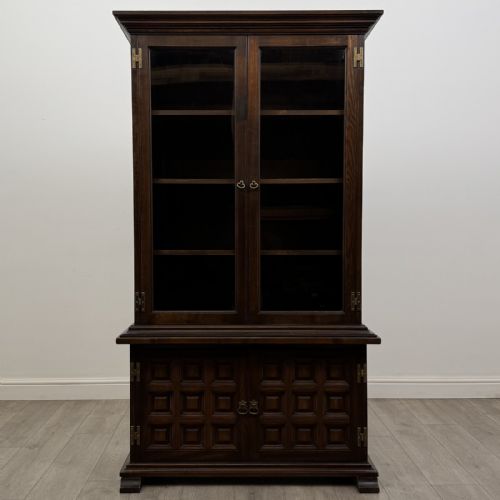
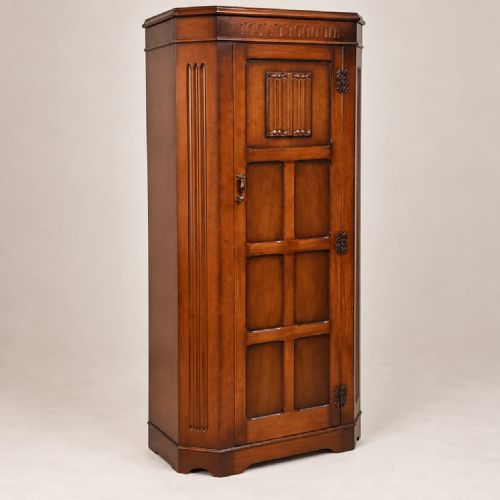
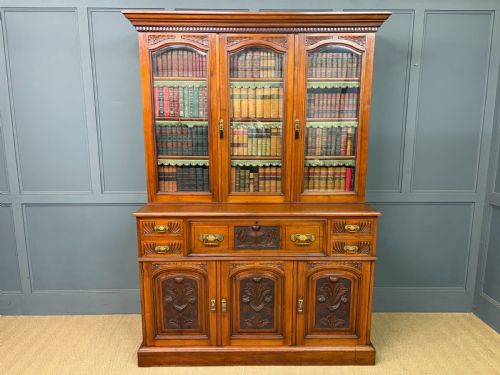
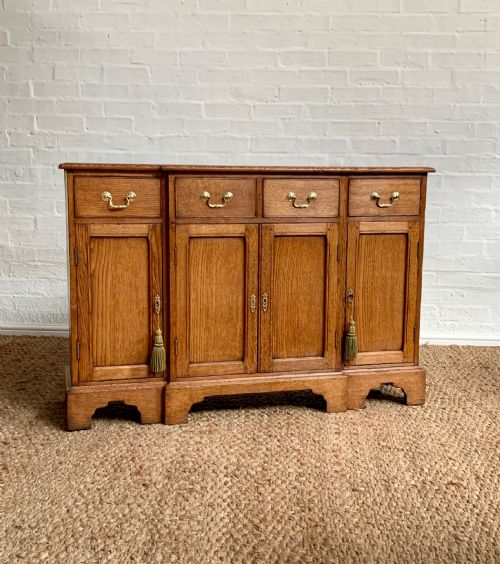
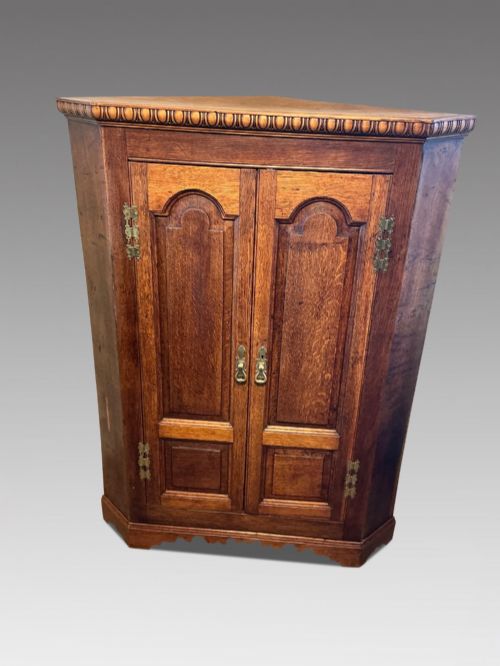
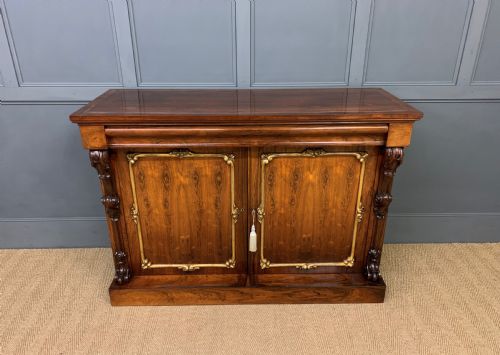
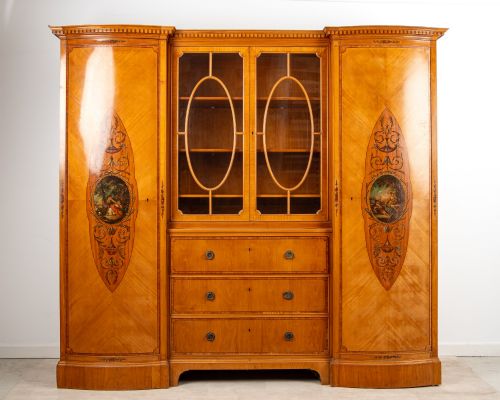
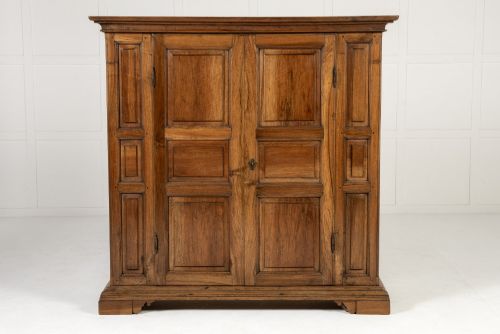
Carved Cabinet Door Panels
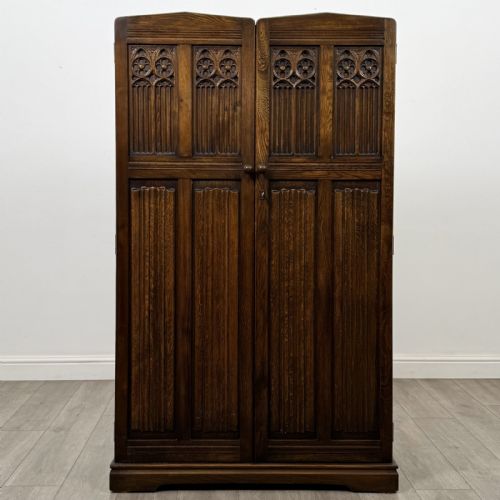
These carved cabinet door panels are historic architectural elements salvaged from larger furniture pieces, offering immediate texture and period detail to a room.
Carved Cabinet Door Panels
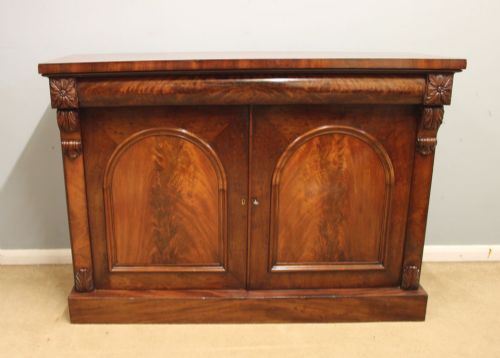
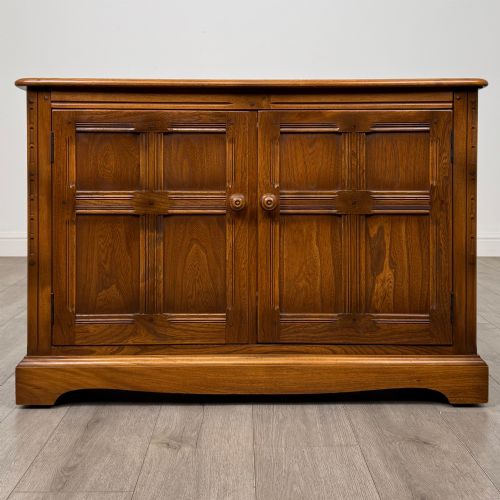
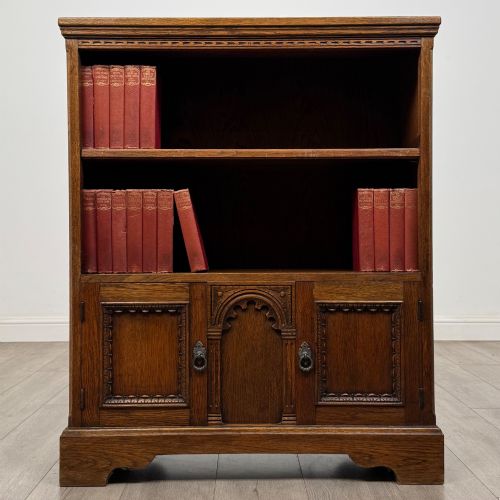
Carved cabinet door panels represent decorative timber work removed from historic storage furniture such as wardrobes, bookcases, sideboards, and architectural cupboards. When you examine carved cabinet door panels on this page, you encounter pieces originating from centuries spanning the seventeenth to the twentieth, reflecting domestic storage traditions across Britain, France, Italy, and Scandinavia.
The selections appearing most frequently derive from oak and walnut furniture built during the Victorian, Edwardian, and earlier periods. These items range from standalone carved panels intended for wall mounting to complete sets of doors salvaged from dismantled cupboards and armoires.
Materials and Techniques
Carpenters and cabinetmakers relied primarily on hardwoods such as oak, walnut, and mahogany, selecting timber for its grain and stability before executing detailed chisel work. Panels were typically framed using mortise and tenon joinery to allow the central wooden plate to expand and contract naturally with humidity changes.
Surface treatments recorded in the evidence include traditional wax polishes, applied paint, and natural bleaching. Carving techniques varied from deep linenfold motifs and Gothic tracery to elaborate baroque foliage, executed entirely by hand using gouges, chisels, and parting tools.
Carved Cabinet Door Panels Retail Price Guide 2026
Typical asking prices for carved cabinet door panels among the pieces listed under this phrase on Sellingantiques today, from the lower quarter to the upper quarter. They describe what is for sale here now, not the wider market.
The listings demonstrate a strong representation of oak and walnut, spanning seventeenth-century styles through to twentieth-century Edwardian pieces.
Assessing Quality and Execution
Quality in these timber components rests on the depth, crispness, and confidence of the hand carving rather than the mere presence of decoration. Superior examples display undercut relief work and deliberate modelling that creates genuine shadow and depth, whereas simpler pieces rely on shallow surface stamping or mechanical routing.
The integrity of the underlying timber heavily influences value, with straight-grained hardwoods showing minimal warping or splitting commanding greater attention. The presence of original surface finishes, such as aged patina or historic paint, distinguishes untouched panels from those stripped or heavily sanded in later restoration.
The Carved Cabinet Door Panels Glossary
- Linenfold
- A carved wooden motif resembling folded parchment or linen, popular on Tudor and seventeenth-century panels. This style creates a textured, fabric-like surface across flat timber.
- Gothic Revival
- An architectural and decorative style drawing inspiration from medieval design. It employs pointed arches, trefoils, and heavy tracery carved directly into the wood.
- Compactum
- A large fitted wardrobe or multi-compartment cupboard designed for efficient clothes storage. These pieces frequently feature multiple carved or panelled doors.
- Chiffonier
- A low sideboard or cabinet developed in the nineteenth century, often equipped with drawers and enclosed panelled cupboards below.
Carved Cabinet Door Panels: Frequently Asked Questions
How were carved cabinet door panels originally used?
These panels served as the functional closing doors of large storage furniture, including oak dressers, side cabinets, and wardrobe armoires. They protected stored items from dust while displaying the social status of the household through ornate woodwork.
Over time, many of these functional doors outlived their parent furniture and were preserved as decorative architectural salvage for wall hanging or interior integration.
How do I identify the period of a carved panel?
Dating relies heavily on the timber species, tool marks left by the maker, and the prevailing decorative style of the carving. Seventeenth-century work often shows stiff geometric patterns or linenfold in oak, while Victorian and Edwardian pieces utilise walnut or mahogany with deeper, more rounded naturalistic relief.
Examining the edges for hinge mortises or rebate cuts reveals whether a piece functioned as a swinging door or a fixed decorative element.
Can I mount these panels directly onto walls?
Many solid wood panels are substantial enough to hang as artwork or integrate into modern wall panelling schemes. Ensuring proper wall fixings is essential given the weight of dense hardwoods like oak and walnut.
Interior humidity should remain relatively stable to prevent historic timber from splitting or bowing after mounting.
What maintenance do historic wooden panels require?
Historic timber thrives on minimal interference, generally requiring only occasional dusting with a dry, soft cloth. Applying a microcrystalline wax periodically helps nourish the old finish without building up sticky residue.
Direct sunlight and placement near modern heat sources must be avoided to prevent the wood from drying out and cracking.