




Carved Burr Bookcase
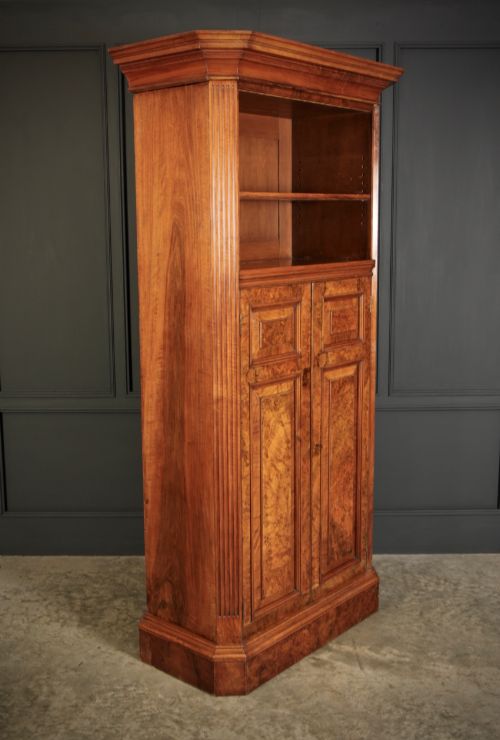
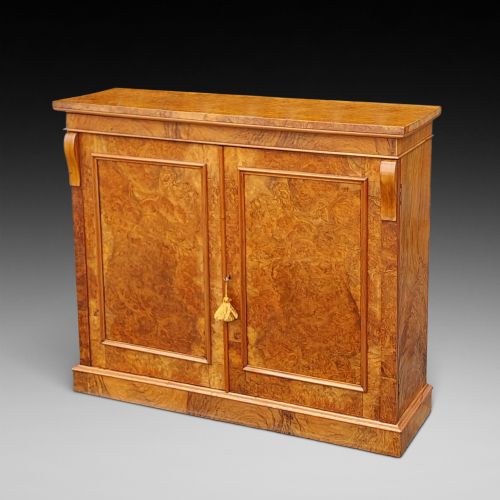
A carved burr bookcase brings warmth and intricate grain to a room, offering practical shelving paired with rich, figured timber.
Carved Burr Bookcase
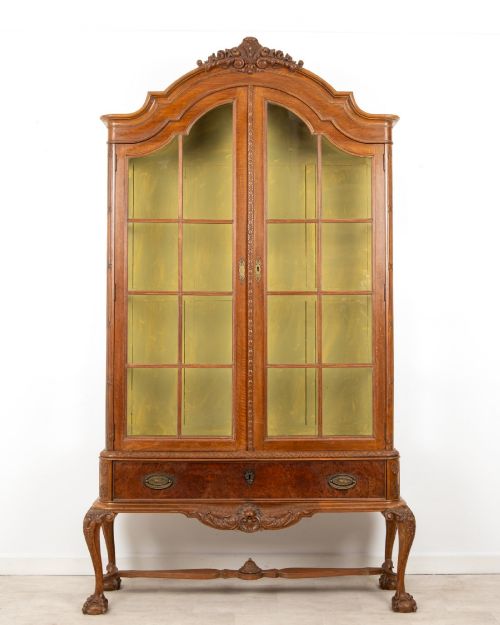
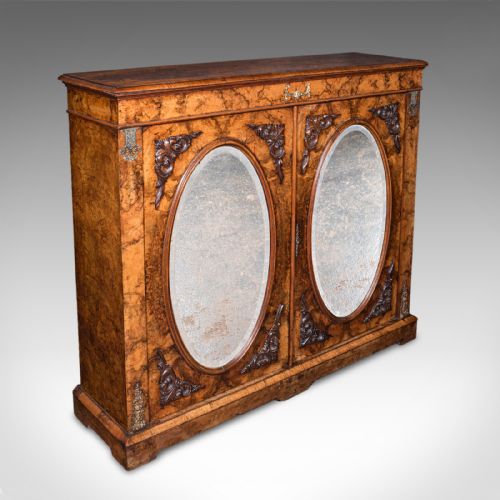
A carved burr bookcase brings together functional storage and the distinct, swirling patterns of burr timber, often found in Victorian and nineteenth-century pieces. Buyers searching for a carved burr bookcase encounter varied forms including low open bookcases, glazed display cabinets, and bureau bookcases.
The selection ranges from mid-Victorian salon cabinets to Regency side pieces and Queen Anne revival designs. These items serve as both libraries and display furniture, housing volumes while showcasing decorative woodwork.
Most examples rely on walnut veneers, burr walnut, and pollard oak, frequently paired with glass doors, brass mounts, or marble tops. The integration of carving and figured wood defines the category across different periods.
Materials and construction
Cabinet makers utilised burr walnut, pollard oak, and amboyna veneers applied over solid timber foundations like oak and pine. The distinctive swirling grain patterns are sliced from tree growths and matched symmetrically across doors and panels.
Carved elements, brass hardware, and ormolu mounts punctuate the polished timber surfaces. Glazed doors utilise timber framing to protect interiors while allowing books and objects to remain visible.
Carved Burr Bookcase Retail Price Guide 2026
Typical asking prices for carved burr bookcase among the pieces listed under this phrase on Sellingantiques today, from the lower quarter to the upper quarter. They describe what is for sale here now, not the wider market.
Listings feature Victorian, Regency, and Edwardian periods, utilising burr walnut, pollard oak, amboyna, and marble.
Judging quality in these cabinets
Quality rests in the selection and matching of the burr veneer, where continuous, symmetrical grain patterns indicate superior craftsmanship. The crispness of carved details and the integration of secondary timbers also distinguish finer examples from standard production.
The structural integrity of the carcase, the smooth operation of drop-front secretaires, and the clarity of the original glass contribute to a piece's standing. Exhibition quality items display meticulous attention to timber selection and decorative mounts.
Gillow and Co
The Carved Burr Bookcase Glossary
- Burr walnut
- A wood harvested from the abnormal growth of a walnut tree, prized for its complex, swirling grain patterns. It is typically sliced into thin veneers for furniture surfaces.
- Secretaire
- A cabinet featuring a pull-out or drop-front drawer that functions as a writing desk. These often conceal small drawers and pigeonholes inside.
- Credenza
- A low cabinet or sideboard, frequently fitted with doors and central shelving. In nineteenth-century pieces, they often incorporate burr veneers and gilt mounts.
- Etagere
- A piece of furniture consisting of a set of open shelves for displaying small objects. They appear in nineteenth-century contexts alongside larger bookcases.
- Ormolu
- Gilded bronze used for decorative mounts and accents on furniture. It adds metallic contrast to the dark, figured timber surfaces.
Carved Burr Bookcase: Frequently Asked Questions
What periods do these bookcases come from?
The pieces span the nineteenth century, with notable examples from the Victorian, Regency, and William IV eras. Later pieces include early twentieth-century revivals and nineteen-thirty designs.
Craftsmen across these periods utilised similar burr timbers and styles, drawing on earlier Georgian and Queen Anne precedents while applying Victorian manufacturing techniques.
How do I distinguish a bureau bookcase?
A bureau bookcase incorporates a slanted or drop-front writing surface that opens to reveal internal compartments and small drawers. The upper section typically contains shelves behind glazed or solid doors.
This hybrid form combines a desk with a traditional library bookcase, offering dual utility for writing and book storage within a single footprint.
Where were these cabinets placed in a home?
These pieces functioned in libraries, morning rooms, and formal salons as functional storage for private collections and literature. Glazed variants allowed owners to display bound volumes while protecting them from dust.
Lower open bookcases and side cabinets served similar domestic roles, providing surface space for decorative items alongside accessible shelving.
What is the difference between walnut and burr walnut?
Standard walnut timber displays a relatively straight, uniform grain pattern derived from the trunk of the tree. Burr walnut comes from a specialised growth or burl on the tree, yielding dense, turbulent grain formations.
Because burr timber is unstable in large solid planks, it is cut into thin veneers and laid over sturdy foundational woods like oak or pine.