






Carved Bone Artifact
These carved bone artefact pieces span tribal sculpture, maritime tools and ceremonial objects, offering tactile history for your collection.
Carved Bone Artifact
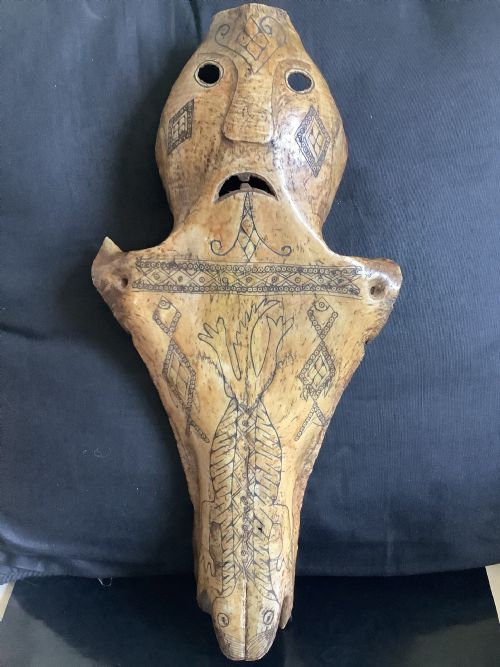
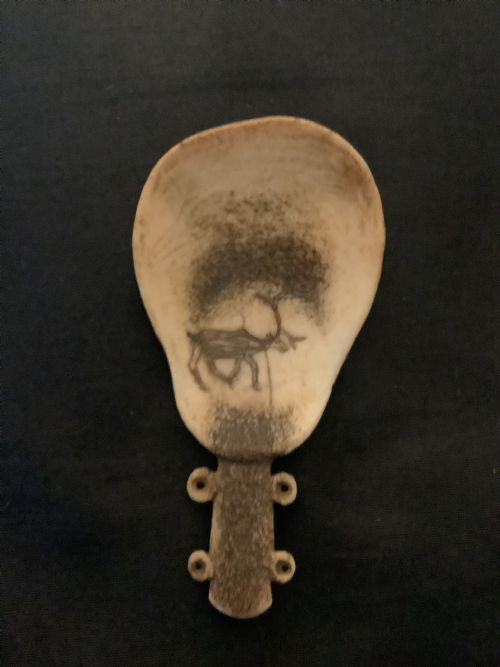
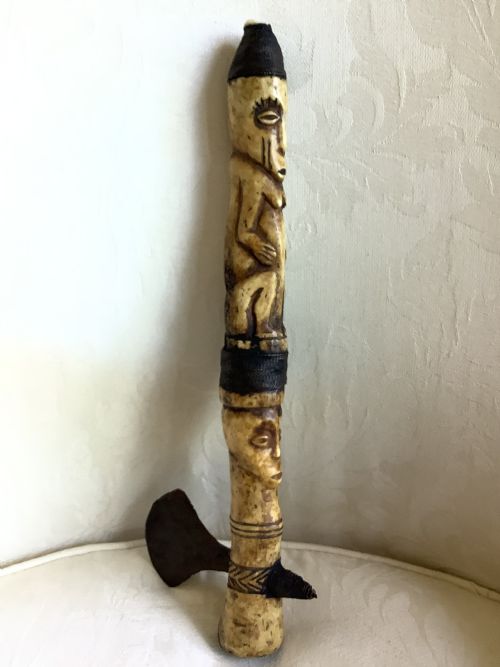
When you search for carved bone artefact, you encounter a diverse array of historical items ranging from utilitarian maritime tools to tribal sculptures and ceremonial pieces. The selection includes functional implements like sail makers seam rubbers alongside ritual objects such as west Timorian bone skulls and African ceremonial axes.
The objects frequently originate from distinct cultural contexts, including Inuit, African and Indonesian tribal traditions, as well as 18th century primitive and Victorian maritime settings. You will also find smoking accessories such as Chinese carved bone opium pipes and west African Congo bone and wood pipes.
Dating primarily across the 18th and 19th centuries, these pieces showcase the varied ways different societies shaped bone, whalebone, and antler into objects of daily use, trade, and ritual significance. Each item reflects the distinct material culture and artistic vocabulary of its specific origin.
What varies in quality
The distinction between ordinary and exceptional pieces lies in the precision of the carving and the depth of cultural iconography expressed in the material. Fine examples display confident, deliberate incision work that clearly defines figures like Guanyin and auspicious animals, or accurately renders structural maritime tools.
Condition and integrity of the original material surface also determine the standing of an item, distinguishing untouched patinas from compromised surfaces. The harmony between the natural shape of the bone, antler, or whalebone and the applied decoration marks the superior examples.
Some anonymous 19th-century sail maker painstakingly smoothed a whalebone rib into a heavy-duty seam rubber just to keep canvas flat.
The Carved Bone Artifact Glossary
- Seam rubber
- A smooth hand tool used by sail makers to flatten seams in canvas before stitching. These are typically fashioned from dense whalebone or long bone.
- Whalebone
- The baleen or skeletal bone of a whale utilised by maritime and Inuit carvers for statues and utensils. It offers a tough, fibrous medium for sculptural work.
- Antler
- Horn material shed by deer or related species, utilised in indigenous toolmaking. It provides a curved, durable substrate for spoons and implements.
- Guanyin
- A revered figure in Chinese iconography often depicted in carved art and pipes. This representation carries deep symbolic meaning in East Asian decorative objects.
Carved Bone Artifact: Frequently Asked Questions
What materials are these artefacts made from?
The pieces in this category are fashioned primarily from animal bone, whalebone, and antler. Many examples also incorporate secondary materials such as wood, brass wire, metal studs, and pigment to enhance their construction or decoration.
Makers selected these organic substrates for their durability and availability, shaping them into everything from utilitarian maritime tools to intricate ceremonial sculptures.
How can I tell the age of a bone artifact?
Dating relies on observing material patination, wear patterns, and stylistic conventions characteristic of periods like the 18th century, 19th century, or Victorian era. Tribal and maritime contexts often leave specific tool marks and handling wear that indicate age.
Comparing the decorative motifs, such as Qing Dynasty iconography or regional tribal styles, helps place an object within its historical production window.
What were bone pipes used for?
Bone pipes served as smoking accessories for tobacco, opium, or other substances depending on the cultural origin of the maker. Chinese opium pipes often featured detailed carvings of figures and auspicious animals.
African Congo pipes combined bone and wood to create functional smoking implements that doubled as objects of personal status or trade.
Where do these tribal carvings originate?
The inventory includes items originating from various indigenous traditions, including Inuit, west African, and Indonesian tribal cultures. Each geographic region developed distinct carving techniques and forms.
Artefacts from these groups range from fighting clubs and ceremonial axes to ritual skull figures and whale statues.
How do I care for antique bone objects?
Antique bone and whalebone objects require stable environmental conditions with moderate humidity to prevent drying, cracking, or warping. Avoid exposing them to direct sunlight or sudden temperature fluctuations.
Handle the pieces cleanly by their structural parts, as natural skin oils can gradually affect the historic surface patina over extended periods.