
Carved Back Wooden Seat
A carved back wooden seat brings firm timber and honest joinery into a room, offering sturdy utility shaped by centuries of changing tastes.
Carved Back Wooden Seat
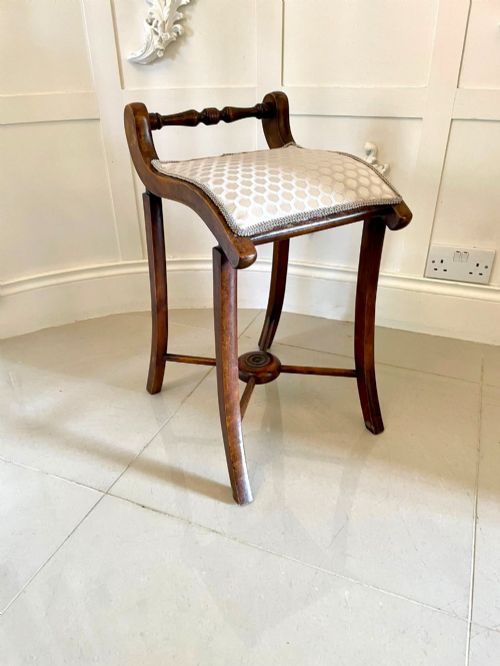
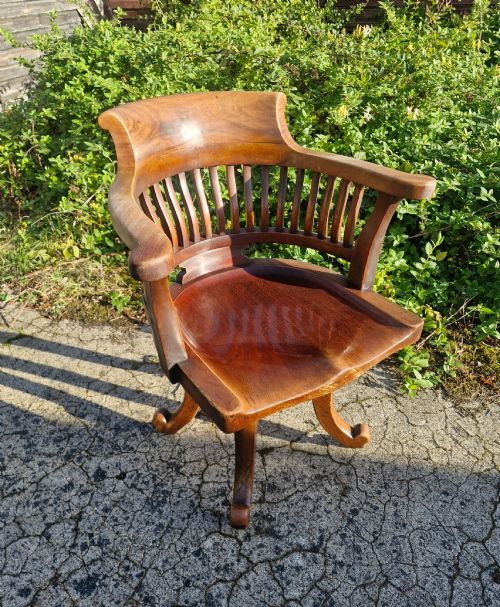
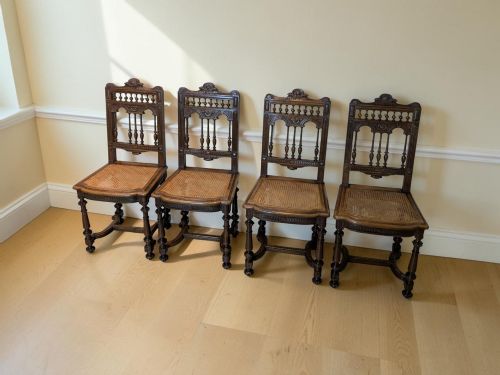
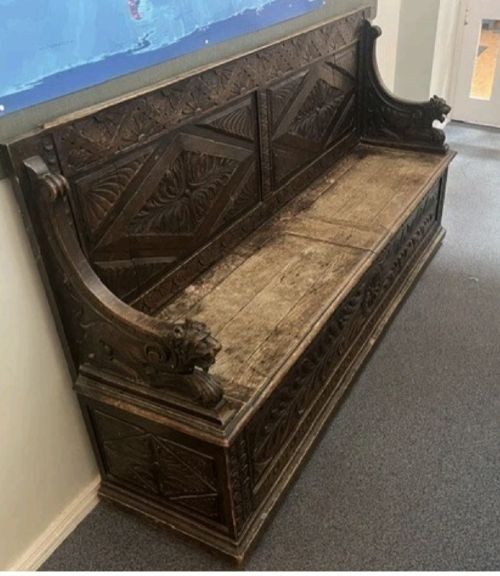
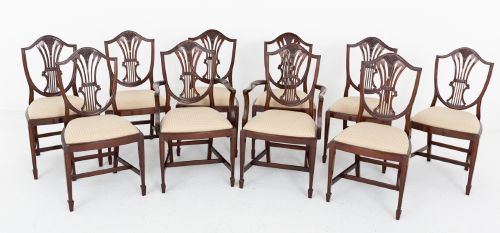
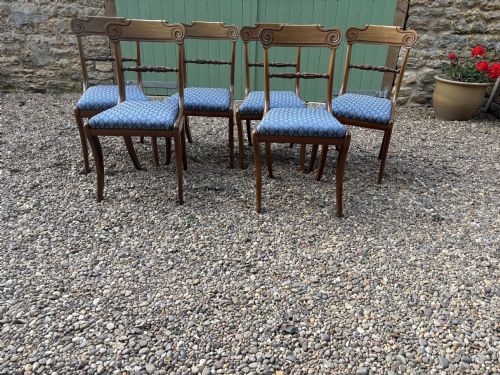
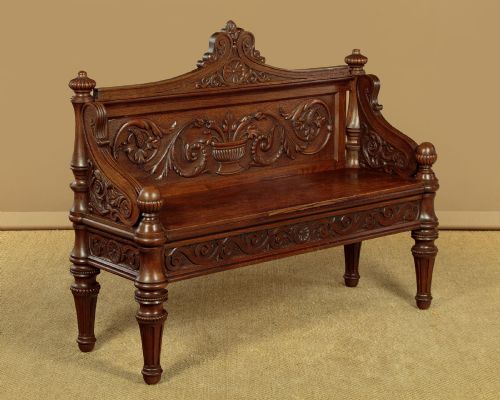
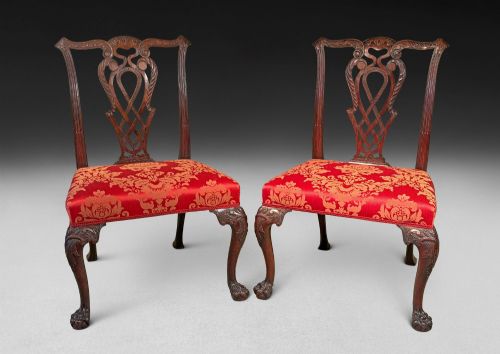
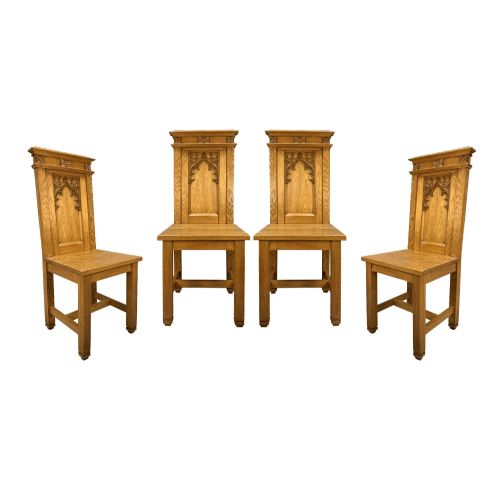
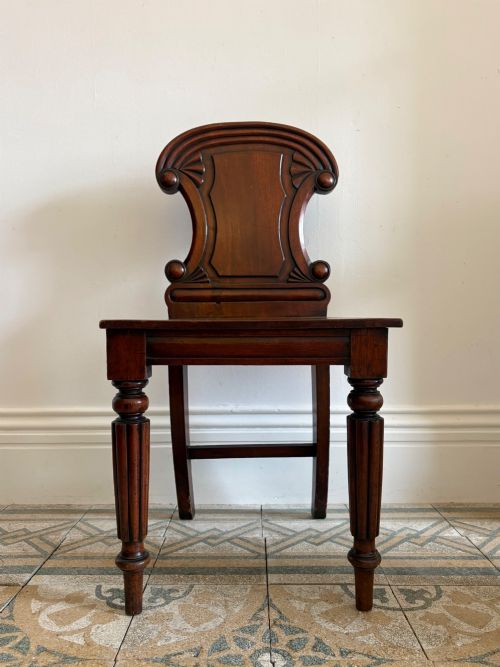
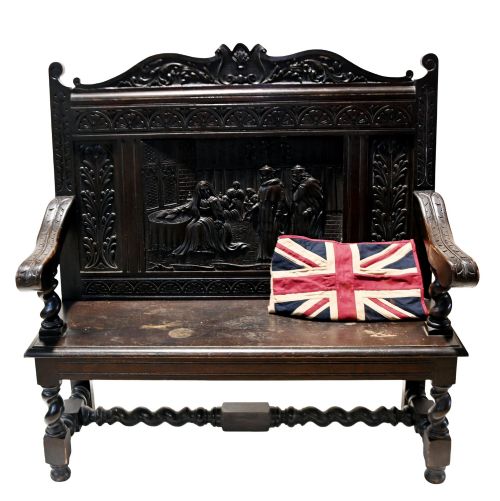
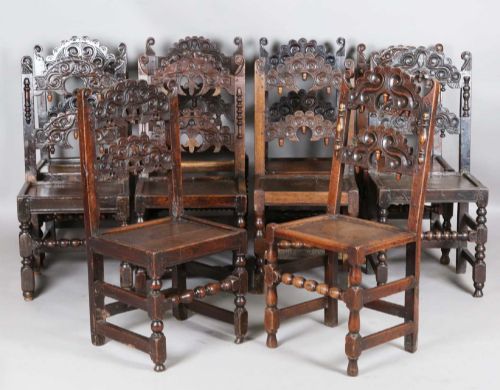
When searching for a carved back wooden seat, you encounter an array of forms ranging from single hall chairs and armchairs to sets of dining chairs, settles, and benches. These pieces span multiple centuries, appearing in periods from the eighteenth century through to the Edwardian era and the year nineteen hundred.
You are most likely to meet dining chairs and hall chairs fashioned from mahogany or oak, alongside occasional walnut and elm seating. Styles stretch from Georgian and Regency formality to Victorian Gothic Revival, Jacobean Revival, and Arts and Crafts simplicity.
The architectural presence of these seats varies considerably by form. High back settles and hall benches provide heavy, enclosing timber structures, while side chairs and armchairs display lighter frames designed for parlours and reception rooms.
Materials and construction
Cabinet makers relied primarily on dense hardwoods such as mahogany, oak, walnut, and elm to build a durable carved back wooden seat. These timbers were selected for their grain and structural strength, often polished to reveal deep natural colour or left with a matte waxed finish.
Carving was executed directly into the solid timber backrests, utilising chisels and gouges to form shield backs, ladder backs, bar backs, and intricate foliage motifs. Joinery relied on mortise and tenon joints secured with wooden pegs or concealed fixings.
Listings feature eighteenth-century oak settles alongside nineteenth-century mahogany dining chairs and Edwardian hall benches.
Assessing quality and craftsmanship
The distinction between ordinary and superior pieces rests on the crispness of the timber carving and the selection of the wood itself. Finely figured mahogany and dense quarter-sawn oak display superior depth and visual weight compared to plain timber stocks.
Structural integrity and the retention of original components dictate the standing of a piece. Original upholstery materials like leather or velvet, when present alongside uncompromised frame construction, mark the upper tier of surviving examples.
Maple and Co
The Carved Back Wooden Seat Glossary
- Settle
- A wooden bench with high panelled back, solid armrests, and frequently a box seat compartment underneath. It was designed to keep draughts away from the sitter.
- Hall chair
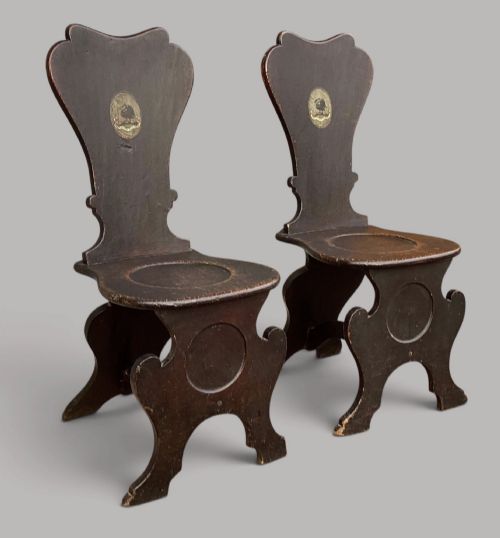
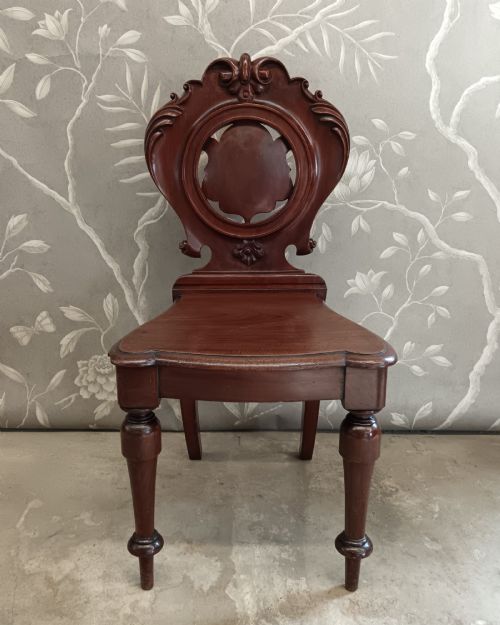
- A rigid wooden seat placed in an entrance hallway, typically lacking upholstered padding and featuring a prominent carved crest or family badge.
- Ladderback
- A chair back constructed with multiple horizontal wooden slats resembling the rungs of a ladder. These slats are often curved to fit the contours of the spine.
- Bar back
- A chair back featuring one or more horizontal wooden rails or bars crossing the uprights. It provides sturdy back support with minimal visual bulk.
Carved Back Wooden Seat: Frequently Asked Questions
Where were hall chairs placed?
Hall chairs stood in entranceways and reception rooms to accommodate callers waiting briefly in the lobby. Their unpadded wooden construction made them durable against heavy daily comings and goings.
These pieces acted as architectural statements for visitors entering a home, often bearing carved family crests or shields on the backrest.
What is a ladder-back armchair?
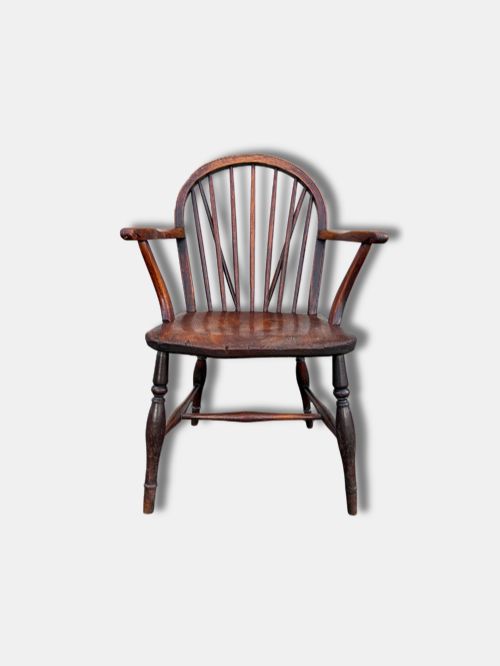
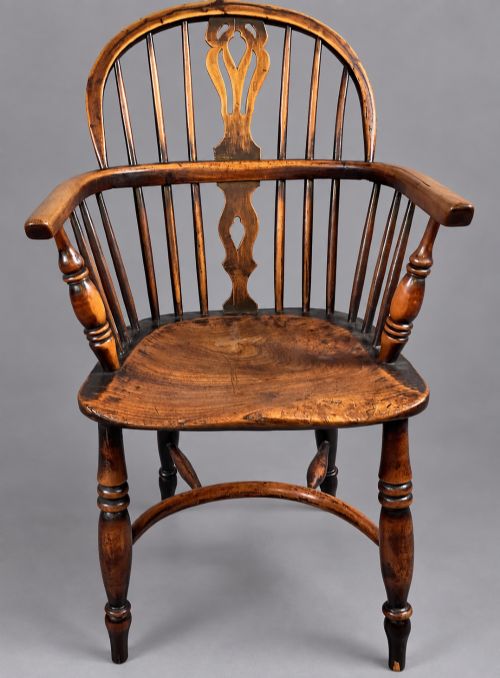
A ladder-back armchair uses horizontal wooden slats across the back frame to support the sitter. The style is traditional and spans multiple centuries of rural and formal cabinet making.
These chairs often feature turned wooden supports and rush or wooden seats, common in regional British and domestic settings.
Are dining chairs sold in sets?
Dining chairs frequently appear in matched groupings ranging from pairs to sets of six, eight, or ten. Complete sets maintain uniform wood grain, carving style, and frame proportions.
Individual chairs from larger sets sometimes survive independently as occasional side seating or reception furniture.