
Carved Back Tub Chairs
Carved back tub chairs bring curved comfort and period character to a room, drawing on Victorian and Edwardian craftsmanship.
Carved Back Tub Chairs
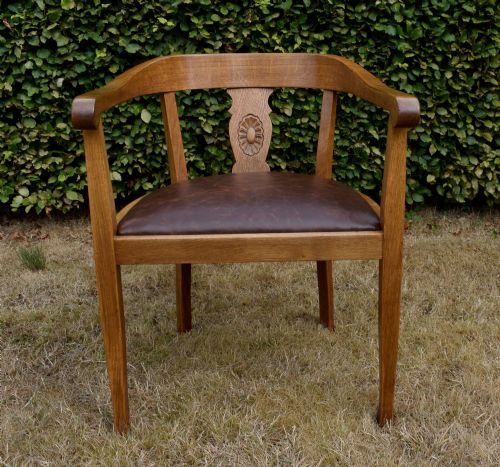
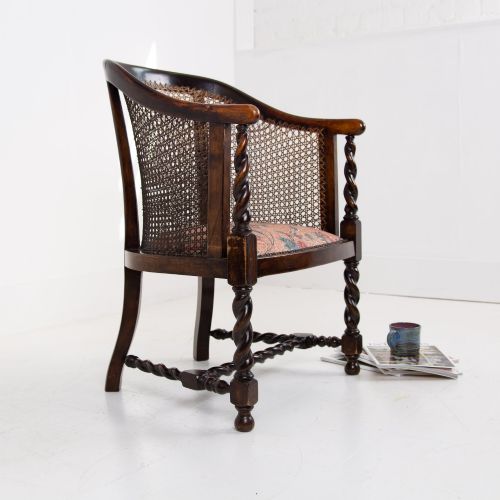
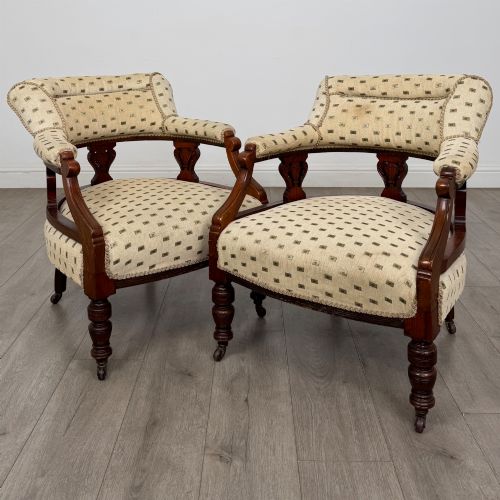
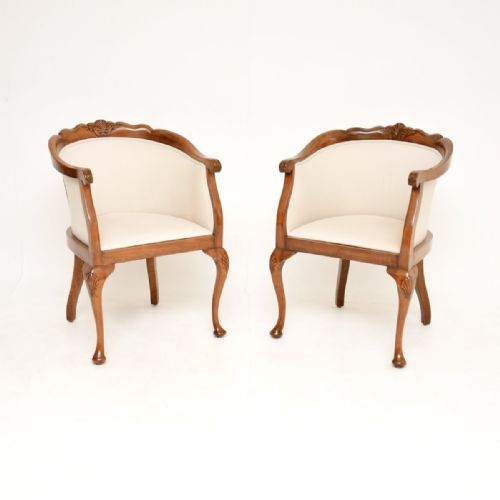
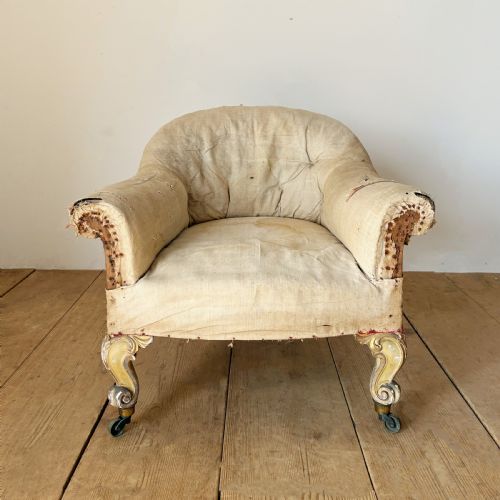
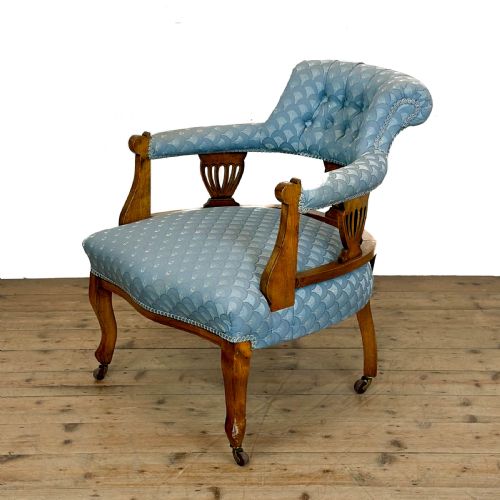
Carved back tub chairs encompass a range of low-slung, enclosed seating options designed for comfort and support. These pieces appear frequently from the 19th Century, Victorian, and Edwardian periods, taking forms such as desk chairs, captains chairs, and parlour seating.
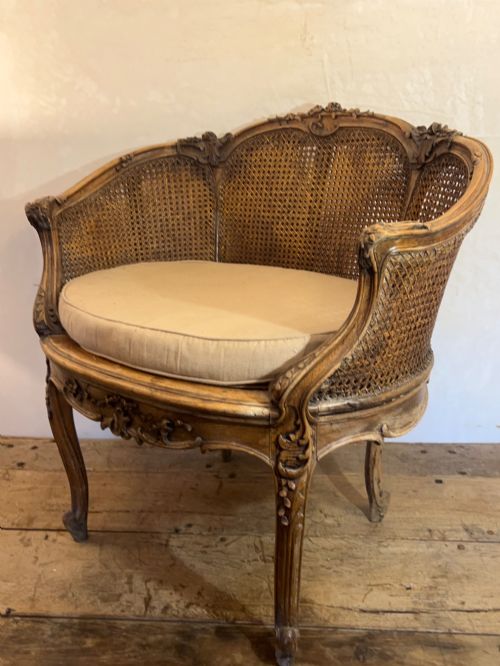
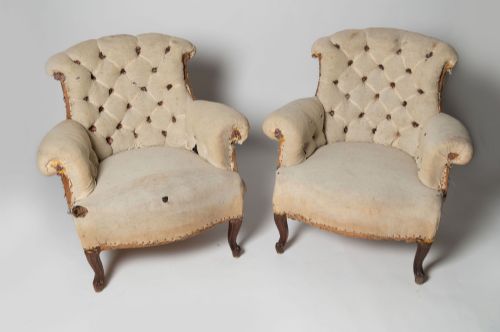
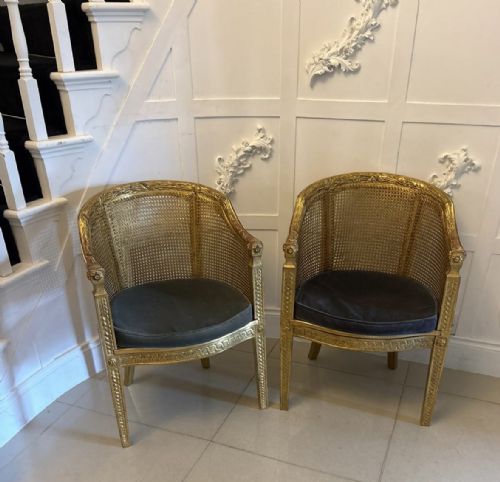
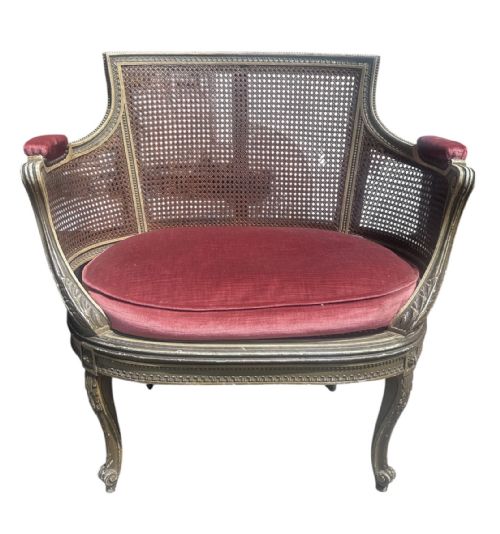
The selection includes French styles alongside British pieces, showing influences from Louis XV to Queen Anne. A buyer will encounter chairs featuring traditional enclosing backs alongside open cane panel variants.
Materials and construction
Carpenters utilised timbers like mahogany, walnut, oak, elm, beech, and yew wood to build the sturdy frames of these chairs. Turning and carving shape the wooden components, providing the structural integrity for daily use.
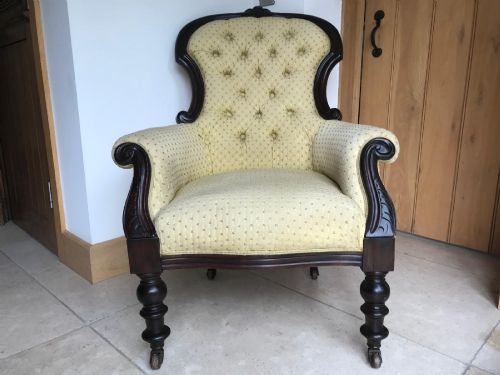
Upholstery materials include leather, velvet, and various fabrics, often complemented by cane work on the back panels. Brass elements occasionally appear on specific revival styles, while button-back techniques provide traditional padding.
Musicians once needed specialised parlour chairs designed without arms so their heavy Victorian gowns wouldn't get stuck while playing.
Judging the quality
The calibre of timber selection and the precision of the woodwork dictate the distinction between standard examples and superior pieces. Finer items display crisp carving on the wooden frames and well-executed joinery that withstands heavy usage.
Upholstery execution and the preservation of original cane panels also influence the overall standard. Pieces retaining their period leather or properly tensioned fabric upholstery demonstrate a higher degree of craftsmanship.
The Carved Back Tub Chairs Glossary
- Tub chair
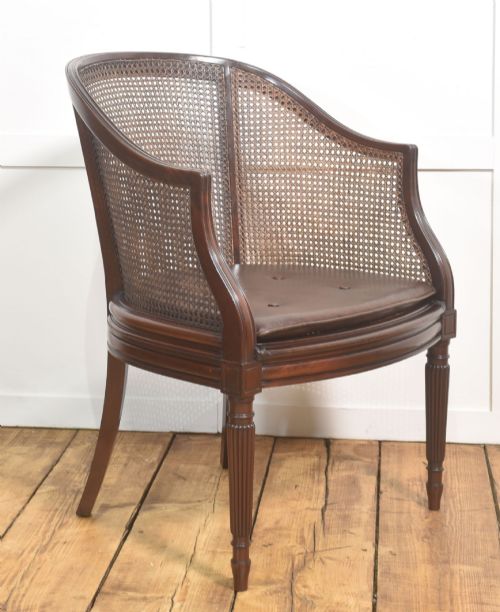
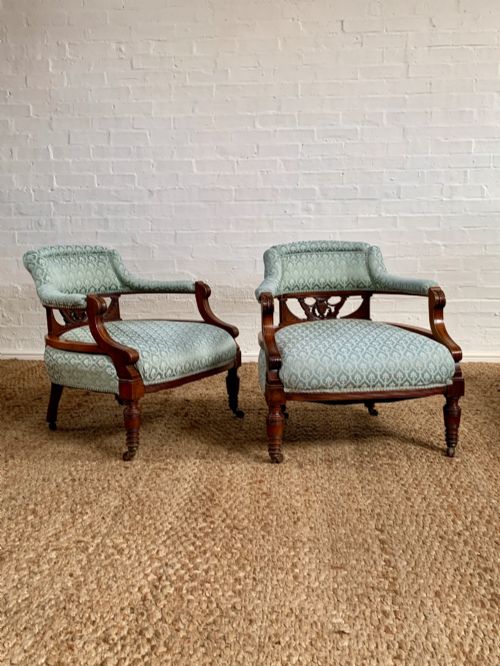
- An armchair featuring a continuous curved back and arms that form a single low-slung enclosure. This form provides wrap-around support for the sitter.
- Captain's chair
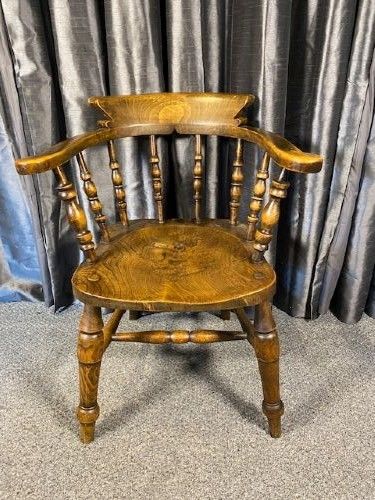
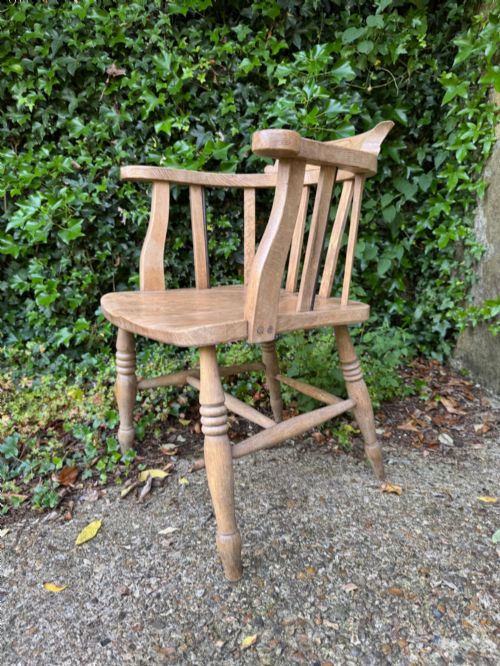
- A sturdy wooden armchair with a rounded spindle back, historically utilised in offices or ships. These often feature solid elm seats paired with supportive bentwood or turned rails.
- Bergère
- A French-style enclosed armchair with upholstered sides and a cane or upholstered back panel. These typically rest on exposed wooden frames from periods such as the 19th Century.
- Smoker's bow
- A low wooden armchair with a turned spindle back and a saddle-shaped seat, related to the Windsor chair tradition. They are commonly constructed from elm and beech.
- Parlour chair
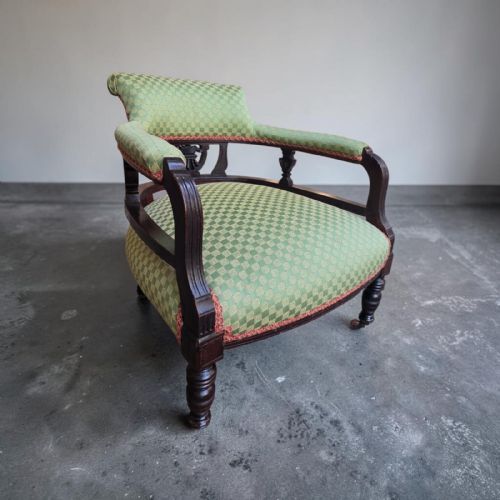
- A decorative seating piece designed for formal reception rooms during the Victorian era. These items often showcase lighter frames and specialised upholstery for music rooms or parlours.
Carved Back Tub Chairs: Frequently Asked Questions
What is a tub chair?
A tub chair is an upholstered or caned armchair defined by a low, curved back that flows directly into the arms. The continuous enclosure resembles the shape of an open barrel or tub.
These pieces emerged in various forms during the 19th Century and Edwardian periods, serving as comfortable seating for studies, libraries, and parlours.
How do I identify a captain's chair?
Captain's chairs feature a rounded wooden backrest supported by spindles above a low-slung arm structure. They frequently combine sturdy timbers like oak, elm, or yew wood for increased durability.
Unlike standard armchairs, they focus on robust wooden construction and were traditionally placed at desks or office tables.
Where were tub chairs placed historically?
Victorian and Edwardian households placed these chairs in drawing rooms, studies, and bedrooms where compact comfort was required. Their enclosed shape offered shelter from draughts near fireplaces.
Office and desk variants also appeared frequently in professional workspaces alongside matching writing tables.
How do French styles differ from British ones?
French examples from the 19th Century often incorporate Louis XV style curves, gilded wood, or painted finishes with caning. Bergère chairs represent a common form of this continental aesthetic.
British counterparts tend to utilise heavier mahogany, oak, or walnut timbers, focusing on utilitarian strength or subtle revival details like Queen Anne legs.