


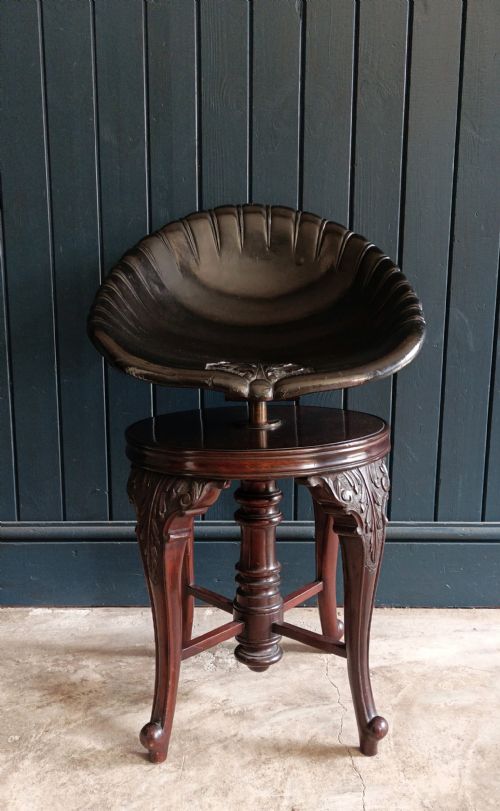


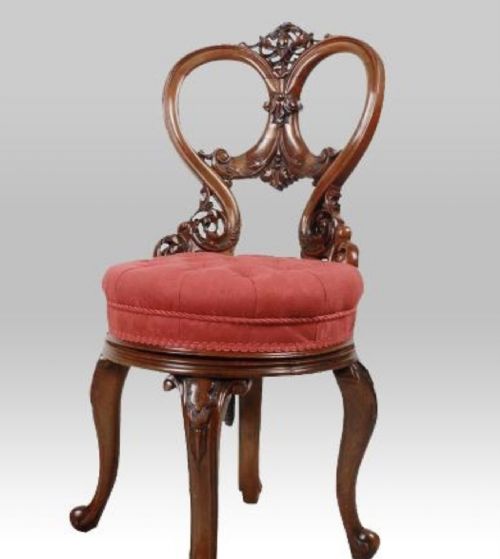


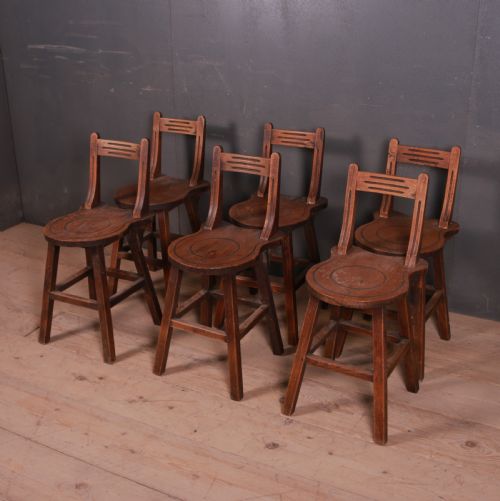
Carved Back Stool
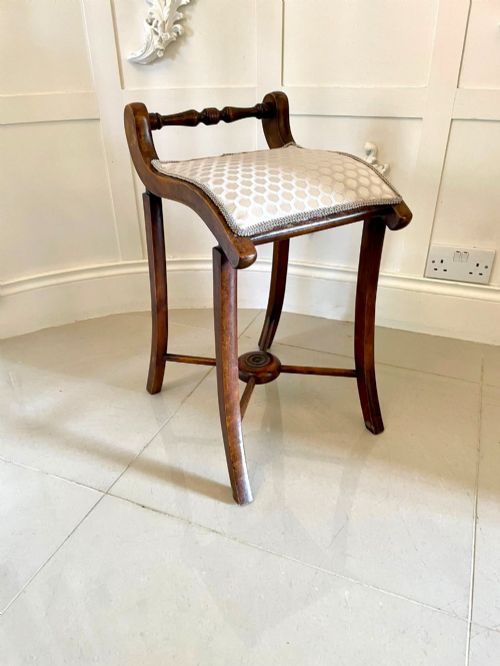
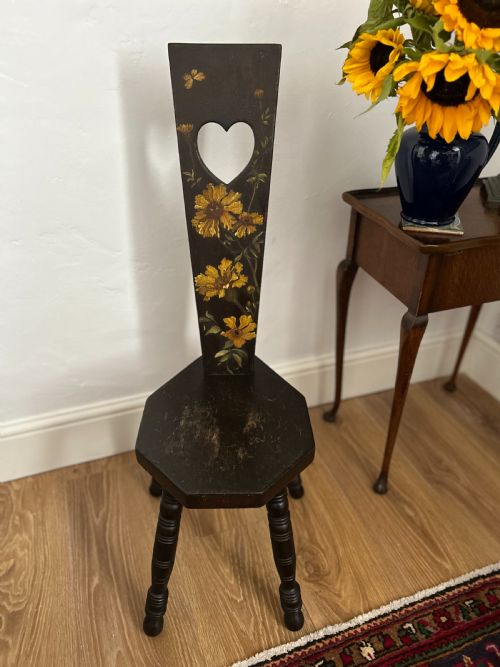
These carved back stool examples bring solid joined construction and robust timber to any interior, offering genuine period character.
Carved Back Stool
A carved back stool represents a sturdy form of early seating, typically emerging from seventeenth-century workshops in oak and utilising joined construction. Collectors search for these pieces to secure authentic vernacular timber seating that predates the common adoption of upholstered chairs.
The selections available here range from early joined oak specimens to later nineteenth-century interpretations drawing on Jacobean and regional traditions. Buyers frequently encounter robust country pieces featuring carved wooden backs alongside related side chairs and rustic seats.
Materials and construction methods
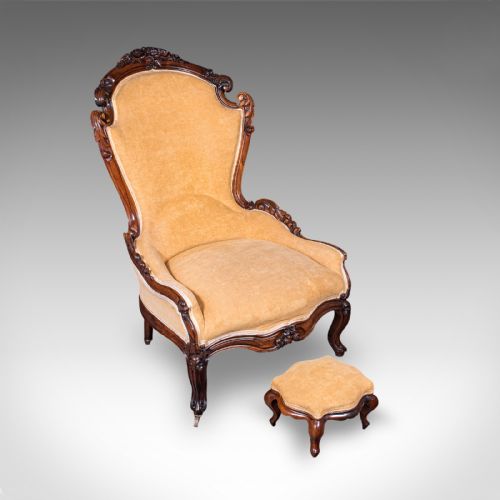
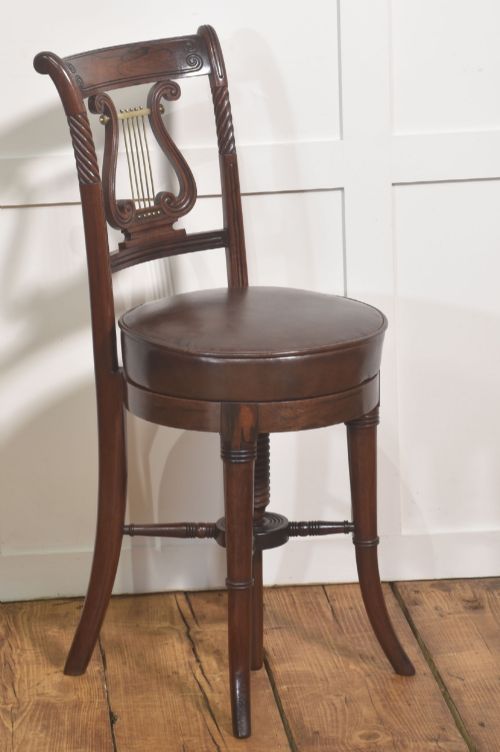
Cabinetmakers built these pieces using dense native hardwoods such as oak, mahogany, and walnut, often employing mortise and tenon joinery to ensure lasting structural integrity. Later nineteenth-century examples incorporate alternative materials including papier-mâché, brass details, and exotic woods like rosewood.
Carving was executed by hand directly into the timber back panels, displaying geometric, floral, or regional motifs particular to the maker's workshop. Surface finishes rely on traditional wax or polish applications that highlight the natural grain of the hardwood over centuries of handling.
Current listings feature joined oak, mahogany, walnut, and papier-mâché across periods spanning the seventeenth century through the Victorian era.
Assessing craftsmanship and condition
Superior examples retain their original joined frames with minimal timber replacement, whereas heavily restored pieces show mismatched components or replaced stretchers. The crispness of the hand-carved detail on the backrest indicates the skill of the original artisan.
Proportion and wood selection distinguish high-grade regional work from utilitarian seating, with well-figured oak or rich mahogany commanding greater attention from collectors. Original surface patination accumulated through decades of use elevates the overall integrity of the piece.
Jennens and Bettridge
The Carved Back Stool Glossary
- Joined stool
- A seating form constructed with pegged mortise and tenon joints rather than simple dowels or nails. This technique provides exceptional rigidity.
- Vernacular
- Objects designed by regional craftsmen following local traditions rather than strict academic architectural styles. These pieces reflect the specific materials available in an area.
- Panelled back
- A backrest constructed from a wooden frame enclosing a thinner central board, which frequently receives carved decoration. This method prevents the wood from warping.
- Papier-mâché
- A composite material made from paper pulp mixed with glue and resin, pressed into moulds and lacquered. It appears in Victorian music and desk seating.
- Patina
- The surface sheen and darkening acquired by wood through age, handling, and exposure to light. It serves as a visual indicator of authenticity.
Carved Back Stool: Frequently Asked Questions
What is a carved back stool?
A carved back stool is an early form of wooden seating featuring an upright backrest decorated with carved patterns, built using traditional joinery without upholstery.
These pieces served as practical household seating before upholstered chairs became commonplace in domestic interiors.
How do I date a carved back stool?
Dating relies on examining the timber species, joinery techniques, and the style of the carved motifs on the backrest. Seventeenth-century pieces typically show joined oak construction with pegged joints.
Later nineteenth-century examples often mimic these early styles or introduce Victorian materials like rosewood and mahogany alongside mechanical adjustments.
Were these stools used at dining tables?
These stools provided versatile seating around the home, utilised in halls, chambers, and near hearths rather than exclusively for dining.
Their compact footprint allowed them to be easily tucked away when not in use.
How should I care for historic wood?
Maintain historic wooden furniture by keeping it away from direct heat sources and fluctuating humidity levels to prevent timber splitting.
Apply occasional natural wax polish to nourish the surface and preserve the historic patina.