




Canvas Storage Trunk
A canvas storage trunk offers robust luggage heritage and practical household utility, combining durable fabric exteriors with reinforced wooden frames and metal hardware.
Canvas Storage Trunk
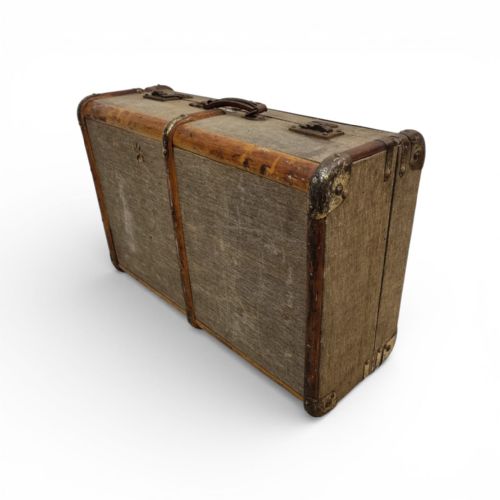
A canvas storage trunk provides a sturdy receptacle for domestic belongings while carrying the distinct aesthetic of historical travel and luggage. When searching for a canvas storage trunk, buyers encounter utilitarian chests and fitted wardrobe pieces originating from the nineteenth century through the early twentieth century.
The selection ranges from Victorian brass-capped examples and Edwardian portmanteaus to American steamer trunks and French travel pieces. These items often feature internal compartments, wooden slat reinforcements, and leather bindings designed for long-distance transit.
The most common formats on this page include steamer trunks, dome-top chests, and cabin wardrobes. Each piece reflects the functional requirements of historical journeys, adapted today for domestic storage and decorative display.
Materials and Construction
Makers constructed these trunks using a lightweight wooden core enveloped in heavy-duty canvas, which was often painted, treated, or waterproofed for travel. This fabric outer layer was secured to the wooden structure using metal tacks and reinforced with leather straps.
Structural integrity relied upon internal frames built from timber such as oak, supplemented by iron or brass hardware on the corners, edges, and locks. Vulcanised fibre occasionally appeared as a durable alternative material for exterior protection.
Interior compartments frequently utilised textile linings, wooden hangers, and fitted drawers to keep garments organised during transit. Metal latches, buckles, and handles completed the construction, ensuring the trunk could withstand rigorous handling.
Canvas Storage Trunk Retail Price Guide 2026
Typical asking prices for canvas storage trunk among the pieces listed under this phrase on Sellingantiques today, from the lower quarter to the upper quarter. They describe what is for sale here now, not the wider market.
Listings feature canvas storage trunks spanning from the Victorian era through the 1930s, incorporating oak, brass, leather, and vulcanised fibre.
Factors of Quality and Preservation
Quality in a canvas storage trunk is determined by the integrity of its original materials and the sophistication of its internal fittings. Trunks featuring complex internal compartments, such as wardrobe trunks with drawers and hangers, represent higher levels of period craftsmanship than simple open chests.
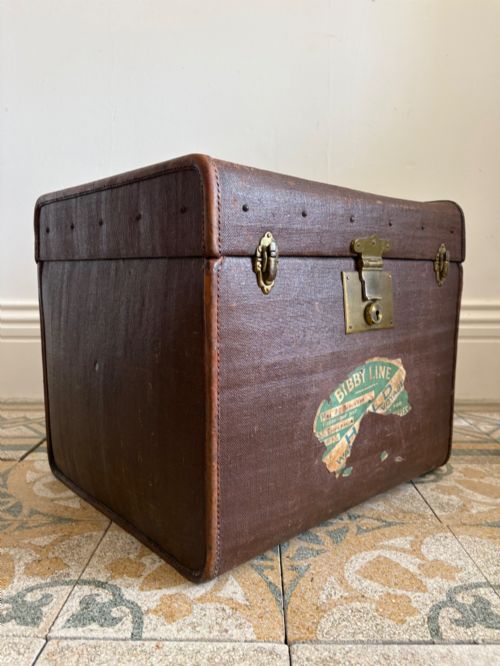
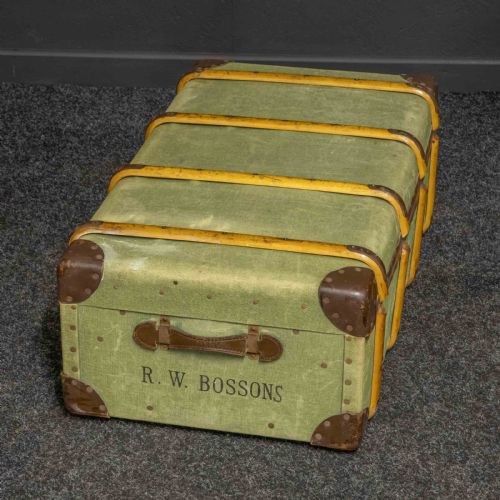
The condition of the exterior canvas, leather bindings, and metal hardware dictates the overall standard of preservation. Pieces retaining original stencilled monograms, maker stamps, and functional brass or iron locks demonstrate superior historical authenticity.
The degree of restoration also influences the character of the piece, as fully restored trunks balance structural stability with the retention of genuine patina. Original interior linings and working hardware distinguish better examples from heavily altered items.
Louis Vuitton·Seaward·Everwear·Army and Navy
The Canvas Storage Trunk Glossary
- Canvas
- A heavy, plain-woven fabric utilised for centuries to cover and protect the exterior of travel trunks against moisture and wear.
- Steamer Trunk
- A low-profile travel trunk specifically designed to fit beneath the cabin berth of an ocean liner.
- Portmanteau
- A large travel case or trunk, typically opening into two equal compartments for garments.
- Vulcanised Fibre
- A laminated material composed of cellulose, treated to create a tough and resilient exterior shell for luggage.
- Dome Top Chest
- A storage trunk featuring a rounded lid designed to shed water during transport.
Canvas Storage Trunk: Frequently Asked Questions
How do I use a canvas storage trunk at home?
A canvas storage trunk functions effectively as a coffee table, a blanket chest, or an end-of-bed storage receptacle. Its sturdy flat or dome top supports decorative objects while concealing household clutter.
Positioning the trunk in a living room or bedroom introduces industrial travel heritage into the interior scheme. The internal compartments provide organised space for seasonal textiles, books, or keepsakes.
How do I date a vintage trunk?
Dating a trunk involves examining the construction methods, hardware materials, and stylistic markers present in the design. Brass-capped corners, heavy leather bindings, and specific lock mechanisms often point towards Victorian or Edwardian periods.
Maker stamps, stencilled shipping labels, and internal wardrobe fittings further narrow down the manufacturing era to the late nineteenth or early twentieth century. Comparing these physical traits with documented luggage styles clarifies the timeline.
Are these trunks waterproof?
Historical canvas trunks were treated with paints, oils, or waxes to repel moisture during transit on steamships and trains. Over time, however, these protective coatings degrade and the fabric becomes porous.
Today, these trunks should be kept in dry indoor environments to prevent mould growth on the canvas and rust on the metal hardware. Using a breathable cover or treating the exterior with modern fabric protectors is not recommended for preserving antique patina.
What is the difference between a cabin trunk and a steamer trunk?
A steamer trunk is built with a lower profile to comply with strict ocean liner baggage regulations regarding cabin storage height. This design allowed passengers to slide the trunk underneath their berth during the voyage.
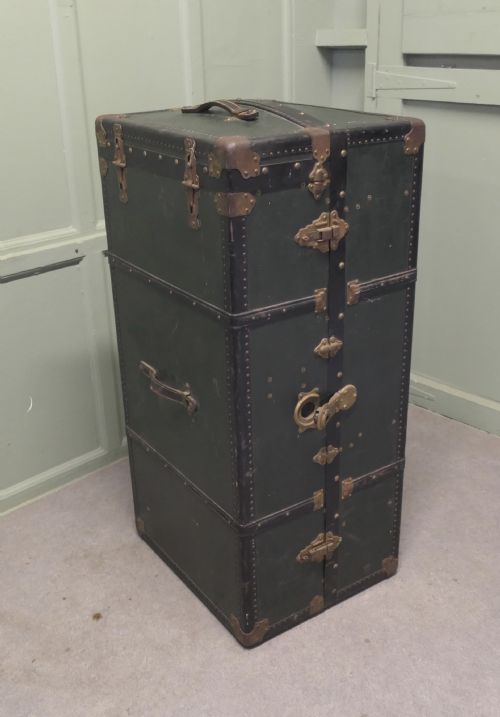
A cabin trunk or wardrobe trunk is typically taller, featuring vertical hanging space, drawers, and compartments for extensive travel. These larger pieces remained in the baggage hold or required dedicated cabin space rather than fitting under a bed.