

Canvas Horse Painting
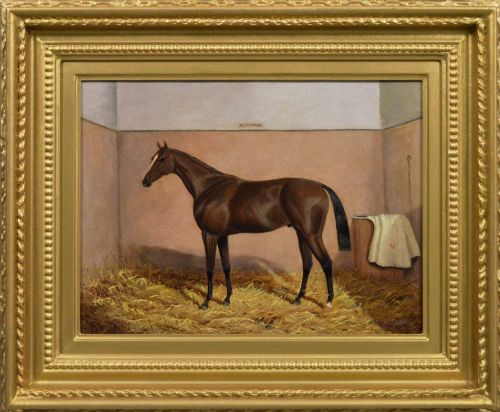
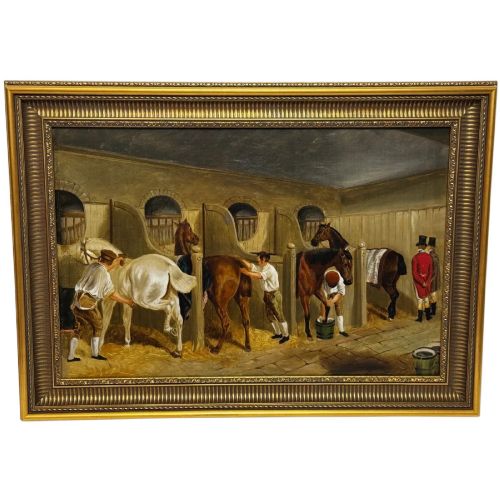
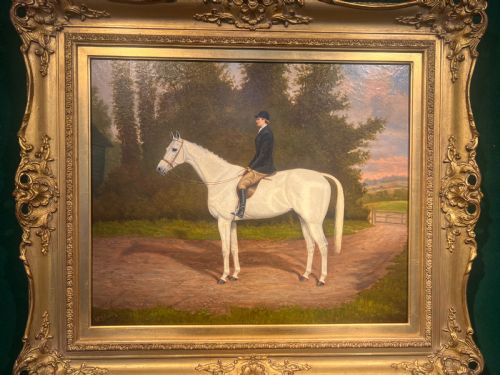
Canvas horse painting brings together centuries of equine portraiture and sporting art, capturing hunters, racers, and working animals in oil.
Canvas Horse Painting
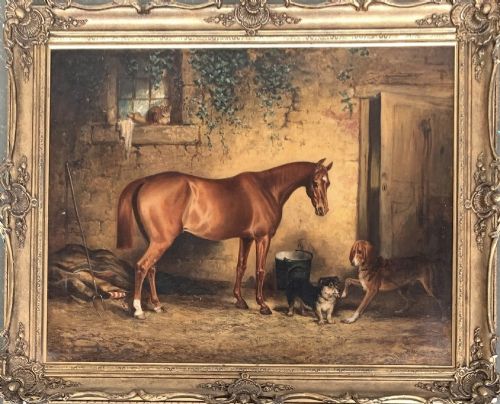
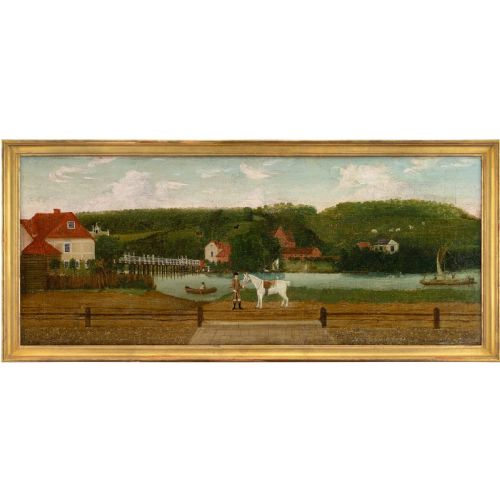
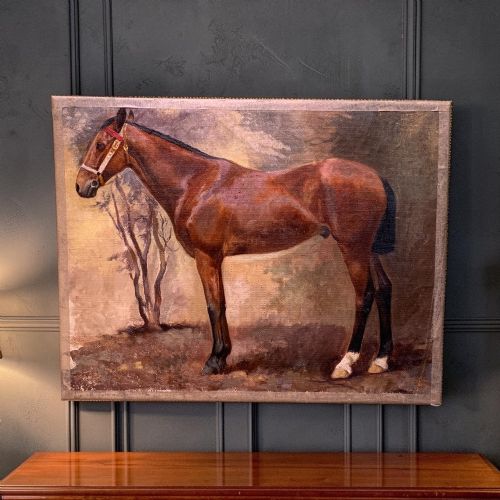
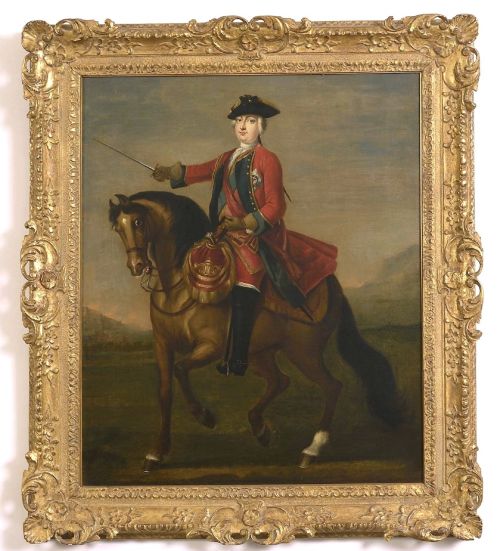
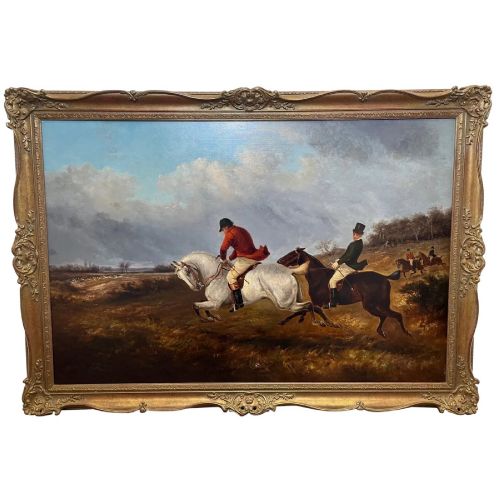
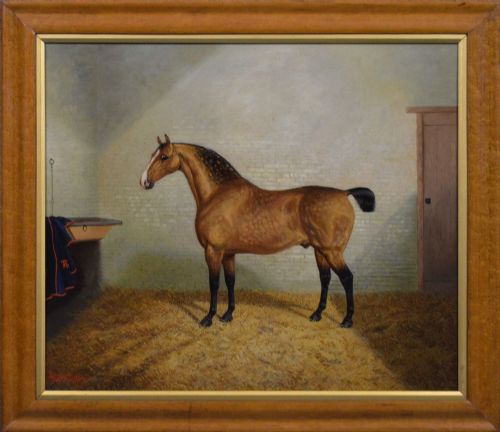
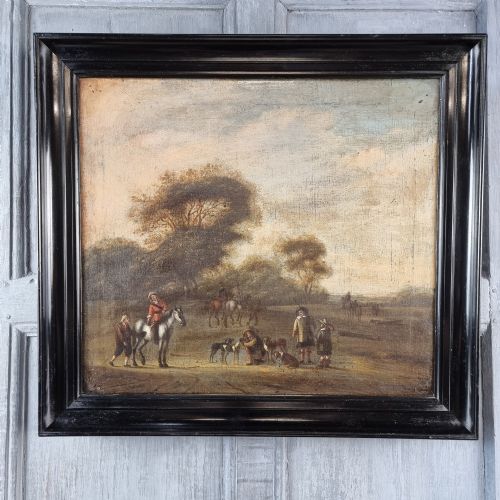
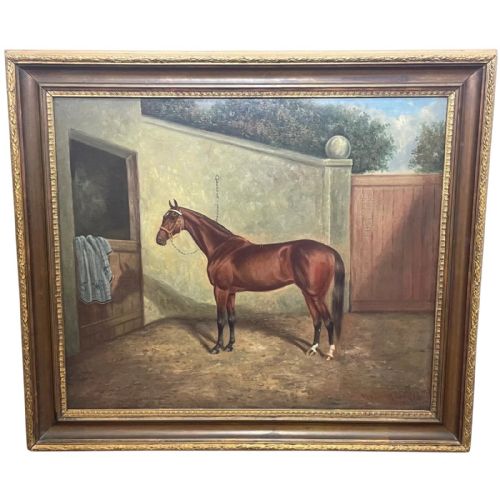
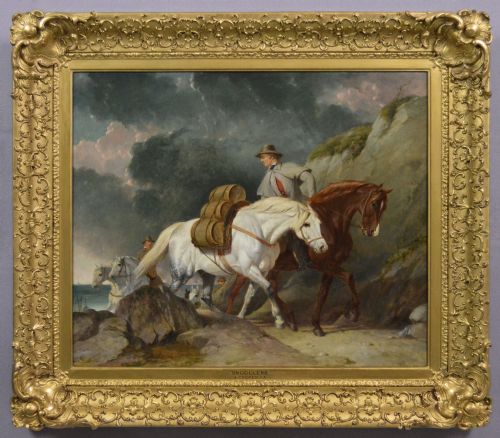
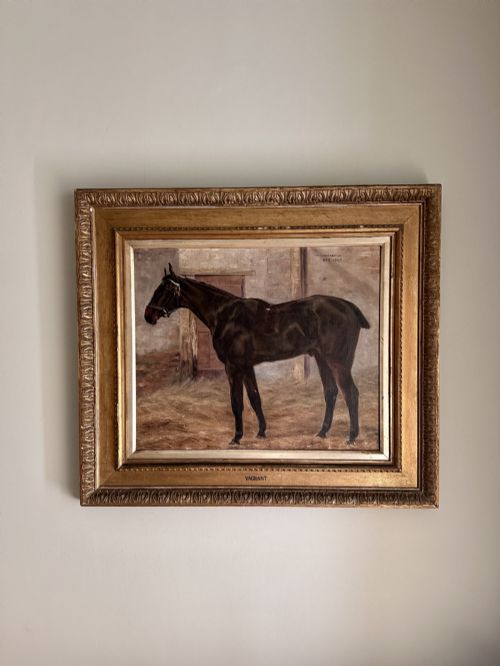
A canvas horse painting records the presence of equines across British, French, and Flemish traditions, spanning individual animal portraits and wide sporting scenes. Buyers encounter depictions of named racehorses, sturdy plough horses, and hunting scenes set in rural landscapes.
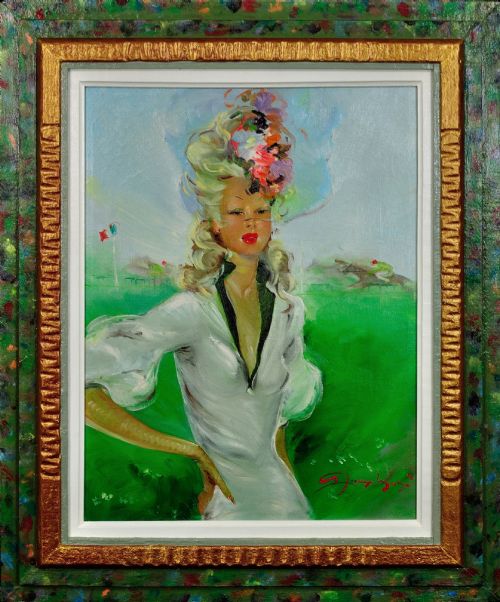
The pieces on this page range from nineteenth-century Victorian studies to mid-twentieth-century works. Portraits of single animals in stables sit alongside dynamic coaching scenes and pastoral views of horses by rivers.
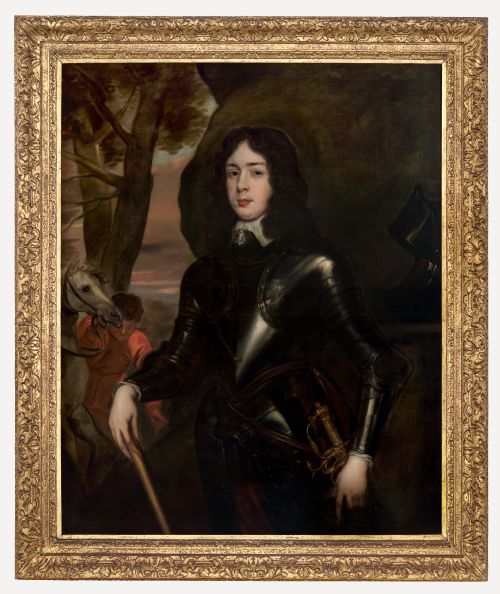
Works originate from named artists and unassigned regional schools alike. The subject matter extends from formal equestrian commissions to vernacular depictions of rural life and farmyard scenes.
How They Were Made
These works rely on oil paint applied to woven canvas stretched over wooden supports. Pigments build up in layers to render the sheen of a horse coat, the texture of a mane, and the light in a landscape.
Many paintings retain their period frames constructed from wood and finished in gilt or carved details. The physical support typically consists of a fabric stretched across a wooden stretcher frame, sometimes secured with period tacks or nails.
Materials recorded across the archive include oil paint, canvas, wood, and giltwood frames.
What Varies in Quality
Anatomy and movement distinguish skilled animalier art from routine production. Superior works capture the precise muscle structure, alert posture, and individual expression of the horse.
The rendering of the surrounding landscape and handling of light play a major role in the quality of a composition. Stronger pieces integrate the animal naturally into its environment rather than placing a static figure against a generic backdrop.
Thomas Smythe·Albert Clark·Abraham Cooper·Fred Fitzpatrick·John Ferneley Senior
The Canvas Horse Painting Glossary
- Equestrian art
- Artworks depicting horses, riders, and racing subjects. This term covers both individual animal portraits and action scenes.
- Giltwood
- Wood carved and covered with thin gold leaf or gilt finish. Frames of this material frequently accompany nineteenth-century works.
- Sporting art
- A genre dedicated to field sports, horse racing, and hunting scenes. Such pieces record historic race winners and hounds.
- Stretcher
- The wooden frame that holds a canvas taut. Period frames often feature wedges in the corners to adjust tension.
Canvas Horse Painting: Frequently Asked Questions
How do I date a canvas horse painting?
Dating relies on the style of the clothing, the stretcher construction behind the canvas, and artist signatures where present. Framing styles and written inscriptions on the reverse also offer clues to the period.
Twentieth-century works often show different canvas preparations compared to nineteenth-century examples. Comparing the subject's tack and background architecture helps narrow the decade.
Who were the notable equine artists?
Historic practitioners included specialists who worked for owners, breeders, and racecourses. Artists like Albert Clark and John Ferneley Senior built reputations recording named racehorses and hunters.
Regional painters and anonymous members of the British School also contributed numerous rural and sporting scenes to this tradition.
Where should I hang these paintings?
These works suit traditional reception rooms, studies, or hallways with controlled natural light. Keeping them away from direct sunlight protects the oil pigments and the underlying canvas.
Pairing the painting with a compatible period frame allows the piece to anchor a room's decorative scheme.
What subjects appear in these scenes?
The subjects range from prized racehorse portraits to working animals in farmyards and coaching teams on country lanes. Fox hunting scenes and landscape views with horses feature prominently.
Some pieces record specific historical winners, while others capture everyday rural life alongside rivers and cottages.