





Canvas Cabin Trunk
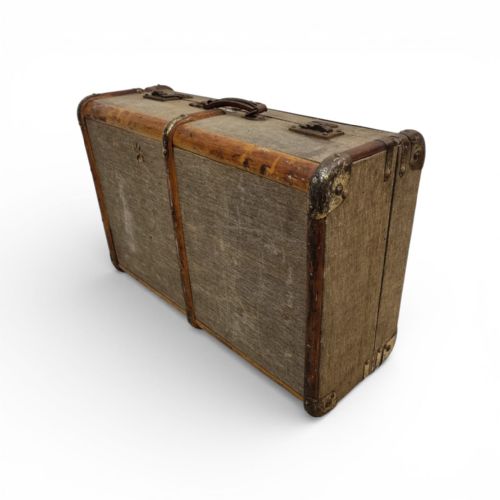
A canvas cabin trunk is a robust piece of antique luggage built for ocean liners and railways, prized today as a statement storage chest.
Canvas Cabin Trunk
When you search for a canvas cabin trunk, you encounter travel luggage originating from the Victorian, Edwardian, and early twentieth-century periods. These pieces include steamer trunks, fitted wardrobes, and storage chests designed for long journeys by sea and rail.
The versions most commonly met on this page span the late nineteenth century through to the 1930s. They take the form of heavy-duty trunks and luggage constructed for stowing beneath cabin berths or in ship holds.
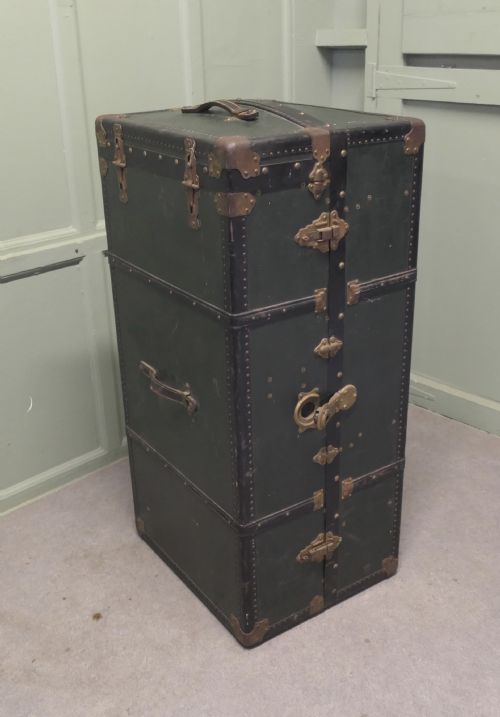
Makers and origins vary widely across the selection, featuring British pieces alongside French and American examples. Forms range from simple travel trunks to elaborate fitted wardrobes complete with internal compartments.
How they were made
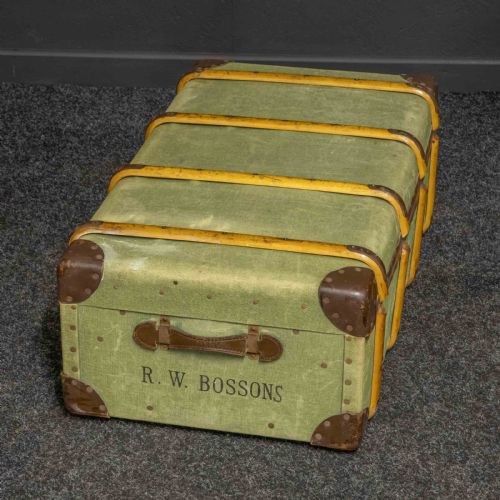
Construction relies on a sturdy wooden carcass covered in durable canvas and bound with leather for exterior protection. Metal reinforcements, brass fittings, and vulcanised fibre provide additional structural strength to withstand heavy travel.
Internal spaces often utilise fabric linings and specialised fittings to secure garments during transit. Exterior surfaces combine waterproofed canvas with protective wood slats and metal hardware.
Canvas Cabin Trunk Retail Price Guide 2026
Typical asking prices for canvas cabin trunk among the pieces listed under this phrase on Sellingantiques today, from the lower quarter to the upper quarter. They describe what is for sale here now, not the wider market.
Some trunks have travelled so extensively they carry the romantic patina of Cunard line voyages across the Atlantic.
What varies in quality
Quality is determined by the caliber of the maker and the complexity of the interior fittings. Pieces bearing signatures from renowned makers such as Louis Vuitton, Aux Etats Unis, or Hartman Luggage Co. represent the upper tier of design and execution.
The integrity of the original materials, including the condition of the canvas, leather bindings, and brass hardware, dictates the overall standing of an individual trunk. Simpler storage chests sit at the utilitarian end, whilst fitted wardrobes and anniversary editions occupy the highest level of craftsmanship.
Louis Vuitton·Seaward·Aux Etats Unis·Hartman Luggage Co
The Canvas Cabin Trunk Glossary
- Steamer trunk
- A low-profile travel trunk designed to fit beneath the berth of an ocean liner. These pieces date predominantly from the Victorian and Edwardian eras.
- Vulcanised fibre
- A laminated material composed of cellulose, utilised for its tough and resilient properties in durable luggage. It offers lightweight strength alongside canvas and wood.
- Brass capped
- Describes corners or edges reinforced with brass hardware to protect the trunk from heavy handling during travel. This detail adds both structural durability and decorative contrast.
Canvas Cabin Trunk: Frequently Asked Questions
What is a canvas cabin trunk?
A canvas cabin trunk is a heavy-duty piece of luggage designed for travel on steamships and trains during the nineteenth and early twentieth centuries.
They combine a wooden framework with durable canvas exteriors, leather bindings, and metal hardware to protect belongings during long journeys.
How were these trunks used?
Travellers used them to pack clothing and personal possessions for extended voyages, sliding them beneath cabin berths or storing them in ship holds.
Fitted versions included internal compartments and wardrobe sections to keep garments organised whilst crossing oceans.
How do I style a cabin trunk at home?
These trunks serve well as coffee tables or statement storage chests in living spaces and bedrooms.
Their robust canvas and metal details bring industrial travel heritage into modern interiors whilst offering practical storage for blankets or books.
How do I date a cabin trunk?
Dating relies on examining the materials, hardware styles, and any maker labels present on the piece.
Victorian and Edwardian examples often feature heavier brass capped corners and traditional wooden frames, whilst 1930s pieces may incorporate Art Deco influences and vulcanised fibre.