


Canvas Luggage
Canvas antique luggage combines robust wooden framing with weathered textile coverings to form practical travel chests from the Victorian era onward.
Canvas Luggage
Canvas antique luggage encompasses heavy travel trunks, fitted steamer chests, and overnight suitcases spanning the Victorian, Edwardian, and Art Deco periods. These pieces range from simple domestic storage chests to elaborate French and American wardrobe trunks designed for international travel.
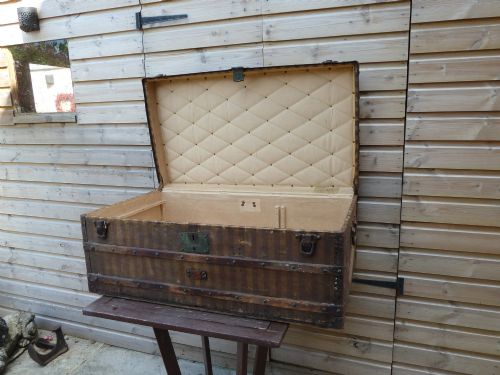
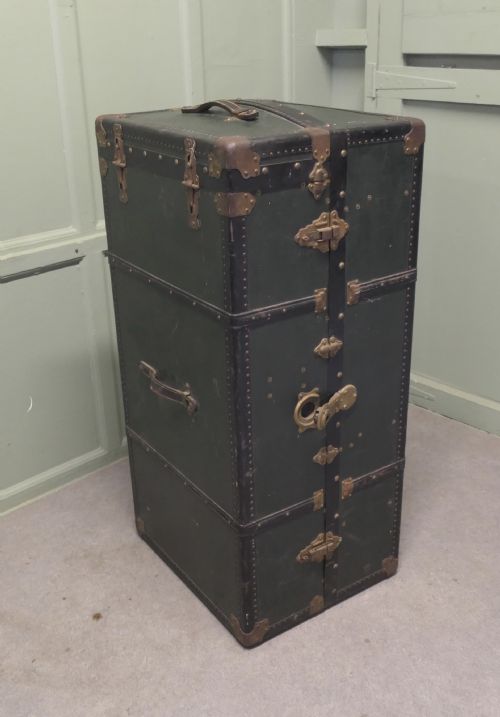
Buyers most frequently encounter large steamer trunks and cabin wardrobes constructed during the early twentieth century and the 1920s. These standard trunks often feature internal compartments, fabric linings, and reinforced corners suited for ocean liners and trains.
The selection includes specialised forms such as hat boxes, dome top chests, and weekend picnic cases alongside standard rectangular trunks. Origins span British, French, and American workshops, reflecting diverse utilitarian and luxury travel needs.
Materials and Construction
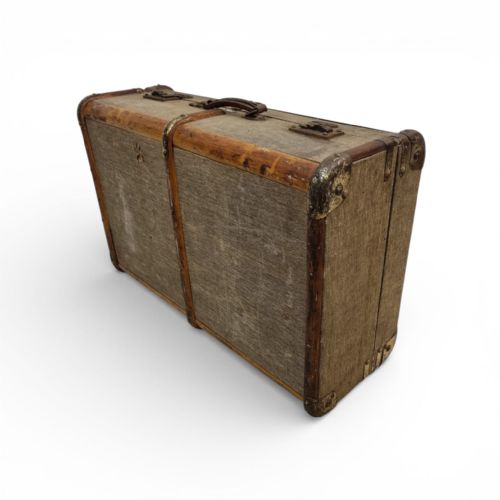
Makers built the foundational frames of these pieces using wood such as oak, reinforced with external slats and protective battens. Exterior surfaces were then wrapped in durable canvas or vulcanised fibre, protecting the timber beneath from moisture and handling.
Edges, handles, and binding straps utilised heavy leather secured with metal rivets and brass tacks. Hardware components including locks, latches, and corner caps were cast in brass or iron to withstand the rigours of transit.
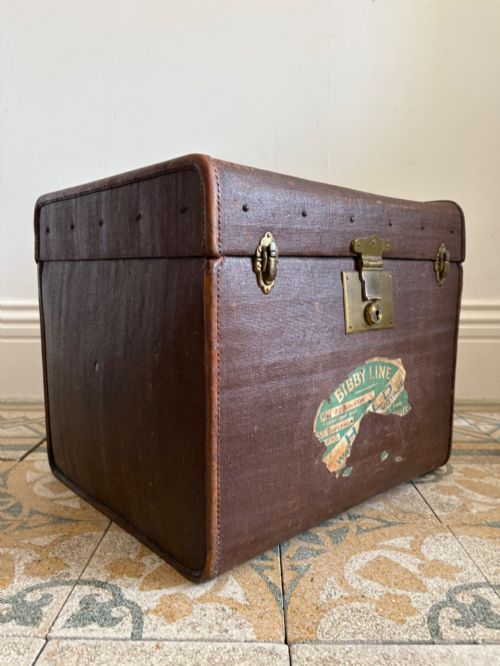
Several trunks bear travel stencils from transatlantic ocean liners, recording decades of forgotten voyages.
Assessing Quality and Execution
Quality in canvas antique luggage is determined by the integrity of the internal fittings and the caliber of the exterior hardware. Fine examples retain original wooden compartment trays, hangers, and silk or linen linings rather than missing internal components.
The distinction between standard travel gear and high luxury output rests in the branding and the refinement of the brass locks. Premier makers utilised proprietary stamped hardware, reinforced canvas stencilling, and complex multi-drawer wardrobe configurations.
Louis Vuitton·Army and Navy·Seaward·Aux Etats Unis·Hartman Luggage Co
The Canvas Luggage Glossary
- Steamer trunk
- A low-profile travel trunk designed to fit beneath the berth of an ocean liner during the late nineteenth and early twentieth centuries. These pieces often feature flat or slightly rounded tops for stacking.
- Wardrobe trunk
- A tall vertical trunk that opens like a cupboard, containing hanging space, drawers, and shoe compartments on opposing sides. They provided portable clothes storage for extended journeys.
- Portmanteau
- A large travelling case or suitcase, typically made of leather or canvas over a rigid frame, opening into two equal compartments. The term derives from French words for carrying cloaks.
- Vulcanised fibre
- A laminated material made from cellulose, treated to create a tough, resilient sheet used as a durable exterior covering on luggage from the late nineteenth century onward. It resisted tearing and moisture better than untreated fabric.
Canvas Luggage: Frequently Asked Questions
How do I date an old canvas trunk?
Dating relies on observing construction methods, hardware styles, and materials. Pieces from the Victorian period often incorporate heavy oak frames and brass-capped corners, while 1920s examples frequently display specific maker stamps and specialised internal wardrobe fittings.
The introduction of vulcanised fibre and specific lock patents can also narrow the timeframe of manufacture. Examining internal labels and stencilled shipping destinations provides further chronological clues.
Can I use these trunks for modern storage?
These trunks serve well as coffee tables, blanket chests, or bedroom storage units. Their deep internal compartments accommodate linens, books, and seasonal items while adding period character to a room.
Ensuring the interior fabric is clean and dry protects stored textiles. Placing felt pads beneath the base prevents scratching on modern flooring.
What is the difference between a steamer trunk and a cabin trunk?
Steamer trunks were built lower to fit beneath cabin bunks on steamships during transit. Cabin trunks generally offered taller proportions intended for placement in wardrobe spaces or main luggage holds.
Both types utilise durable canvas exteriors and reinforced wooden slats, but the height dimension remains the primary distinguishing feature between them.
How should I clean canvas and leather luggage?
Cleaning requires gently dusting the canvas exterior with a soft brush to remove accumulated debris. Leather bindings and straps benefit from neutral leather balms to maintain flexibility without damaging aged surfaces.
Harsh chemical cleaners and excessive water must be avoided, as moisture ruins historic fabric linings and corrodes original brass hardware.