



Caned Arm Chair
A caned arm chair offers resilient woven seating paired with timber frames, built for libraries, drawing rooms, and studies.
Caned Arm Chair
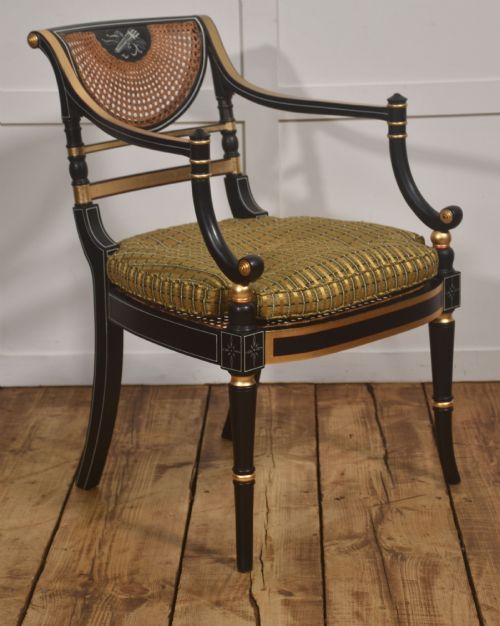
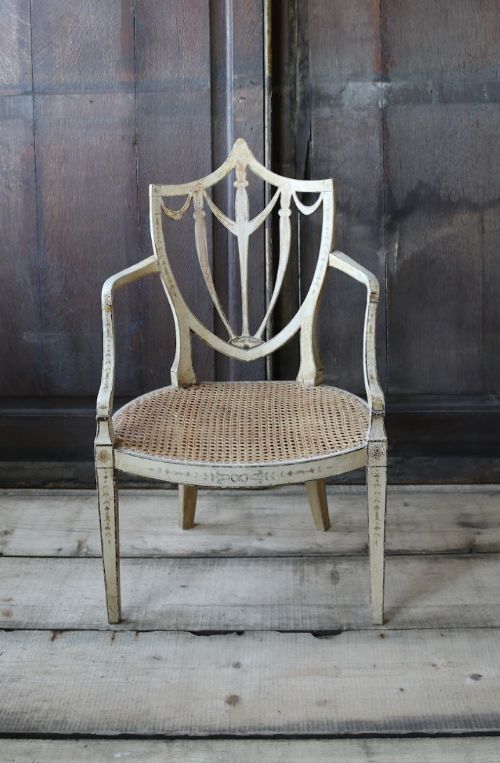
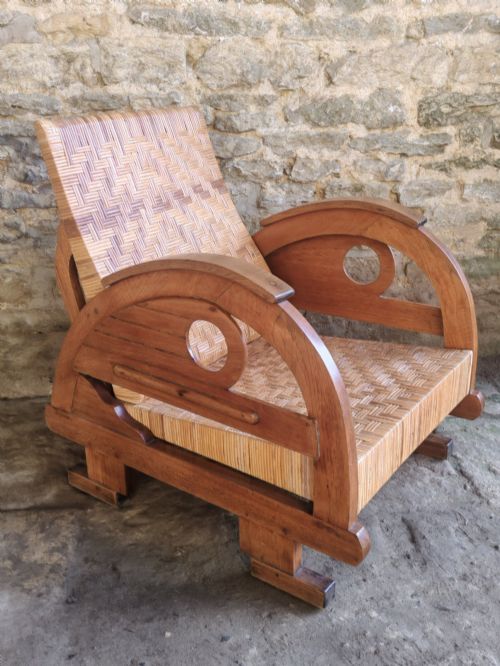
A caned arm chair spans several centuries of British and continental design, ranging from seventeenth-century walnut models to Regency library bergères and twentieth-century bentwood or art deco pieces. These seats combine wooden frames in oak, mahogany, walnut, or satinwood with woven cane, rattan, or rush panels forming the seat, back, or arms.
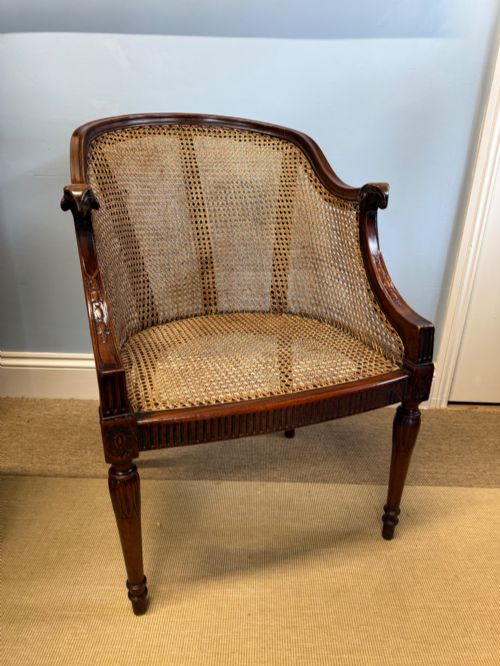
The versions most commonly met on this page include nineteenth-century mahogany library bergères, Edwardian mahogany framed chairs, and revival oak styles from around nineteen hundred. They appear as armchairs, rocking chairs, planters chairs, and metamorphic library armchairs that convert into steps.
Makers and workshops of note include Gillows and Thonet, whose output defines distinct traditions within the category. Buyers select these chairs for their lightness of form, textural woven panels, and versatility across period and eclectic interiors.
What varies in quality
The refinement of the timber carving and the precision of the frame joinery distinguish standard production from exceptional cabinet work. Timbers selected for rich grain patterns, such as figured mahogany or walnut, elevate the presence of the piece.
The tightness, regularity, and integrity of the hand-woven cane work indicate the skill of the artisan. Original frames retaining their early or period woven panels possess greater historical and material consistency than later replacements.
Caned Arm Chair Retail Price Guide 2026
Typical asking prices for caned arm chair among the pieces listed under this phrase on Sellingantiques today, from the lower quarter to the upper quarter. They describe what is for sale here now, not the wider market.
Periods represented span from the seventeenth century through Regency, Victorian, and Edwardian eras to nineteen thirty art deco designs.
Gillows·Thonet
The Caned Arm Chair Glossary
- Bergère
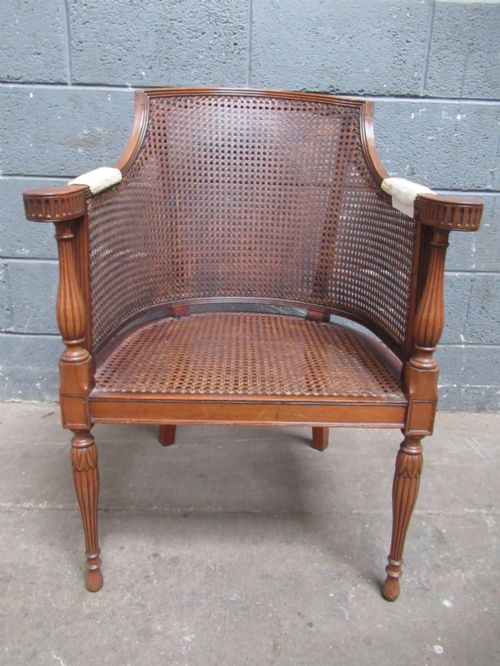
- An enclosed upholstered armchair with closed sides, often featuring cane panels to the back and arms. These seats were popular during the Regency and Edwardian periods.
- Bentwood
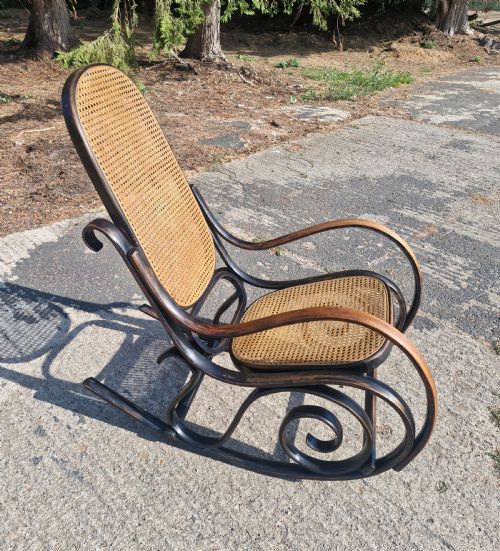
- Timber softened by steam and bent into curved structural forms, famously utilised by makers like Thonet. This technique creates strong, lightweight frames without traditional joinery.
- Carolean
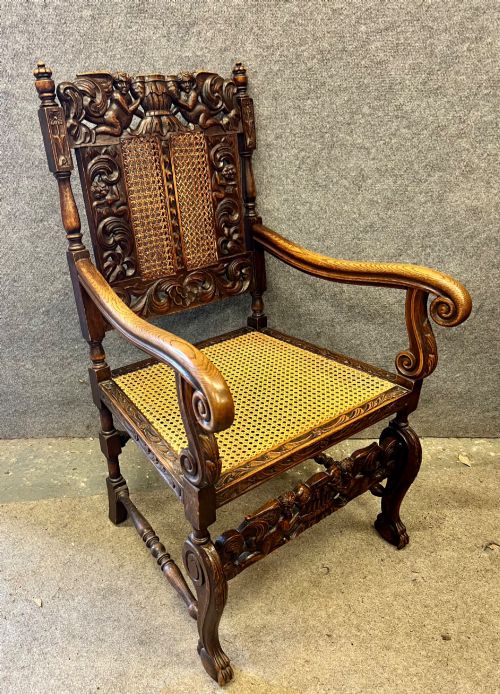
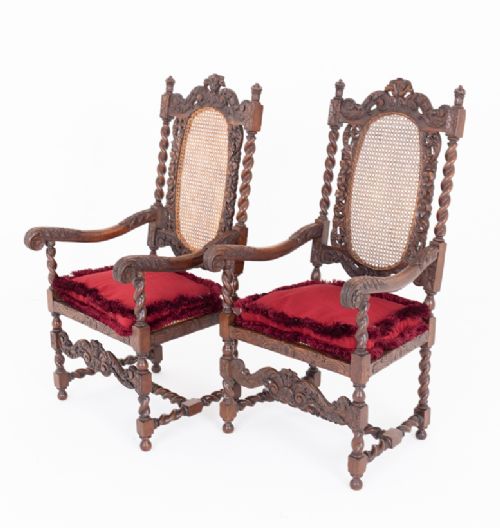
- A seventeenth-century style associated with the reign of Charles II, characterised by rich oak or walnut carving, scrolled details, and high backs.
- Metamorphic
- Furniture engineered to transform into another functional object, such as an armchair that converts into a set of library steps. These pieces combine utility with ingenious mechanical design.
Caned Arm Chair: Frequently Asked Questions
What is a bergere armchair?
A bergere is a French-style armchair with a solid wooden frame and woven cane panels forming the back and sides. They often include loose upholstered seat cushions for added comfort.
These chairs gained popularity in England during the Regency and Edwardian eras, favoured for their elegant proportions and breathable woven construction in libraries and drawing rooms.
How do I care for cane seats?
Cane requires moderate humidity to remain flexible and prevent snapping. Avoid placing these chairs near direct heat sources or in overly dry rooms.
Occasional dusting with a soft brush keeps the weave clear, and a damp sponge applied lightly to the underside helps maintain the moisture of the rattan.
What is a metamorphic library armchair?
A metamorphic armchair is a dual-purpose piece designed to unfold or pivot into a set of library steps. They allowed readers to reach high bookshelves without fetching separate ladders.
Cabinet makers used clever hinges and pivoting mechanisms hidden within the mahogany or rosewood frame to maintain the appearance of a standard armchair.
How do I date an oak carolean chair?
Carolean chairs date to the late seventeenth century, featuring deep relief carving, crown motifs, and turned stretchers in oak or walnut. Revival versions appear around nineteen hundred with similar decorative motifs.
Examination of the timber patination, tool marks, and construction pegging helps distinguish seventeenth-century originals from later revival interpretations.