





Cane Window Bench
These cane window bench pieces offer a traditional seat for your home, bringing period style and practical seating to lighter spaces.
Cane Window Bench
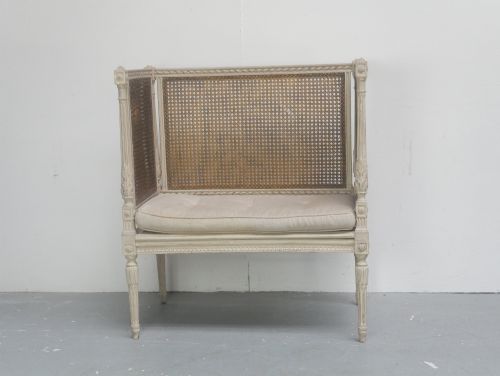
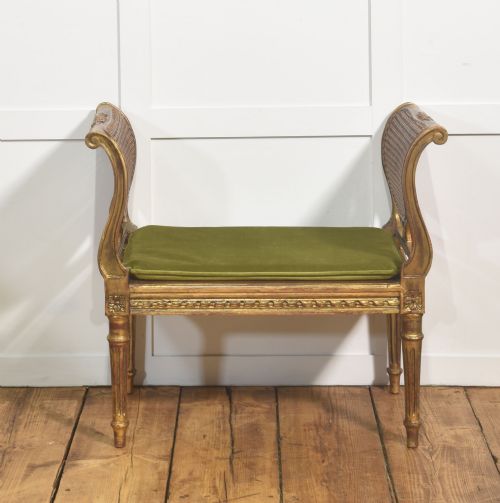
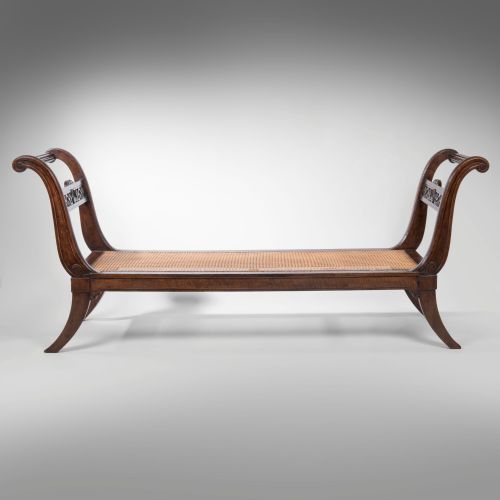
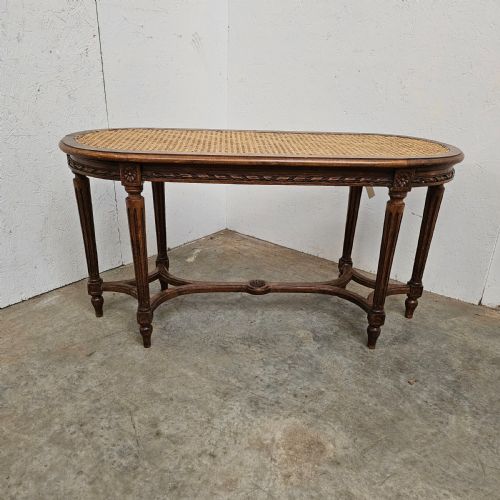
A cane window bench provides low seating designed to sit beneath sills, drawing on styles from the Regency period through to the early twentieth century. You will encounter forms ranging from painted satinwood and mahogany frames to giltwood and carved beech structures.
The selections span distinct historical aesthetics, including Louis XVI, French Régence, and Edwardian neoclassical revival. Makers often utilised traditional layouts like the X-frame or scroll-back bench to suit formal rooms and hallways.
How they were made
Frames rely on hardwoods such as mahogany, beech, satinwood, and walnut, frequently shaped with hand-carved details or painted finishes. Some examples incorporate giltwood and brass accents to match formal interior schemes.
Seat sections feature woven cane or canework panels inserted into wooden frames, providing a resilient and breathable surface. Additional variants incorporate upholstered fabric pads or cushions placed directly over the cane base.
Cane Window Bench Retail Price Guide 2026
Typical asking prices for cane window bench among the pieces listed under this phrase on Sellingantiques today, from the lower quarter to the upper quarter. They describe what is for sale here now, not the wider market.
Current listings feature pieces spanning the nineteenth century up to 1920, utilising cane, mahogany, giltwood, beech, and painted wood.
What varies in quality
The standard of a cane window bench depends on the precision of the timber framing and the tightness of the woven canework. Finer examples show crisp, deep carving in the beech or mahogany rather than soft or shallow moulding.
Integration of decorative elements, such as giltwood detailing, painted finishes, and structural stability, separates standard utilitarian pieces from high-style salon seating.
The Cane Window Bench Glossary
- Canework
- A method of weaving rattan or cane strands through holes drilled in a wooden frame to form a supportive seat or backrest. This technique creates a lightweight yet durable surface.
- Giltwood
- Timber treated with a thin layer of gold leaf or metallic gilt paint to produce a brilliant surface finish. This treatment was favoured in grand French neoclassical interiors.
- X-frame
- A structural furniture base formed by two intersecting diagonal members resembling the letter X. It provides sturdy support for benches and stools without heavy bulk.
- Satinwood
- A lustrous hardwood native to the tropics, prized for its golden colour and smooth grain. Cabinet makers used it for fine painted furniture during the nineteenth century.
Cane Window Bench: Frequently Asked Questions
Where should I place a window bench?
These benches fit naturally beneath low windows, along hallways, or at the foot of a bed where deep seating is unnecessary. Their compact profile allows them to occupy narrow spaces without blocking light.
Positioning them away from direct, harsh sunlight helps protect the natural timber and woven cane from drying out prematurely over the years.
How do I care for cane seating?
Maintain canework by dusting it regularly with a soft brush and wiping it occasionally with a damp cloth to keep the fibres pliable. Avoid soaking the cane, as excessive moisture can weaken the material.
Applying a light, non-greasing conditioner specifically suited for natural fibres can also help preserve the flexibility of older cane.
What periods do these benches cover?
The available pieces span the nineteenth century, Regency era, and early twentieth century, including Edwardian and Victorian revivals. Styles reflect historical French aesthetics such as Louis XVI and Régence.
Each period brings distinct design cues, ranging from heavy mahogany scroll-backs to lighter painted satinwood frames.
Are these benches comfortable for sitting?
Cane provides a firm, supportive surface that offers a slight give due to the natural elasticity of the weave. Many historical examples were intended for brief seating in salons or hallways.
Adding a loose fabric cushion can easily soften the seat if you plan to use the bench for longer periods of reading or resting.