

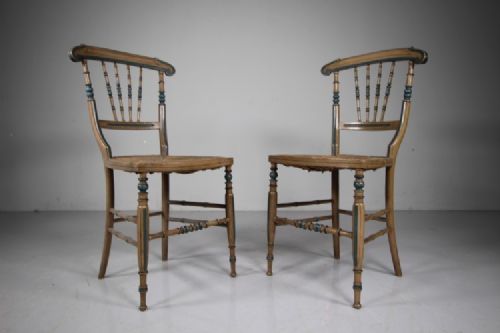


Cane Seat Occasional Chairs
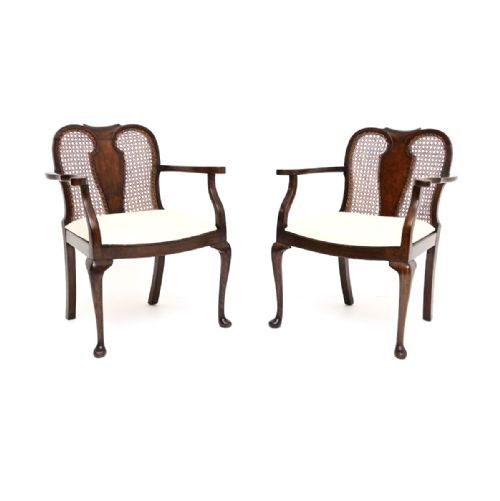
These cane seat occasional chairs bring lightness and texture to a room, offering nimble extra seating rooted in nineteenth and early twentieth century craftsmanship.
Cane Seat Occasional Chairs
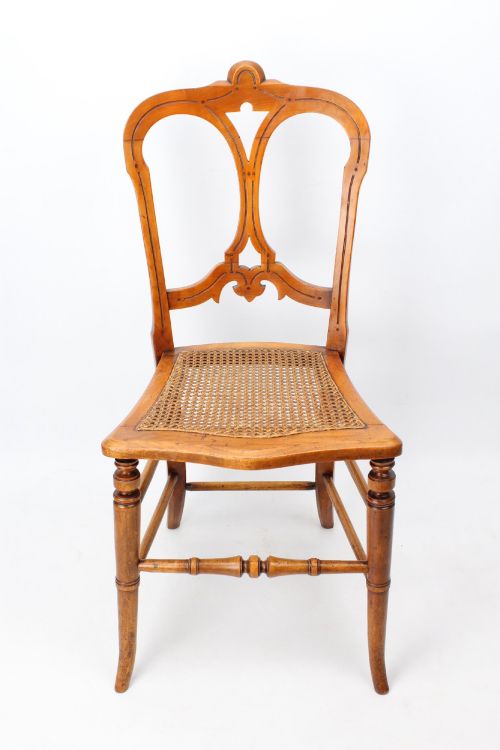
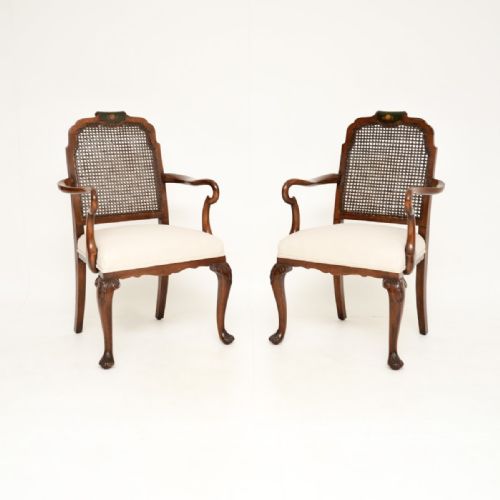
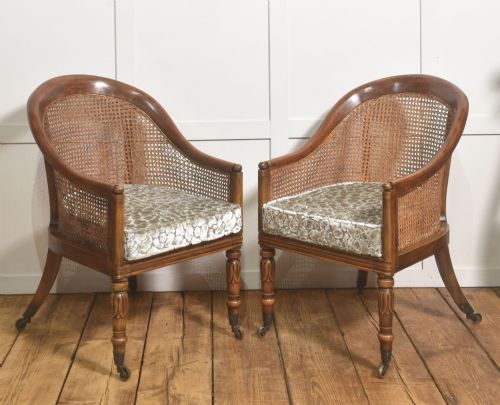
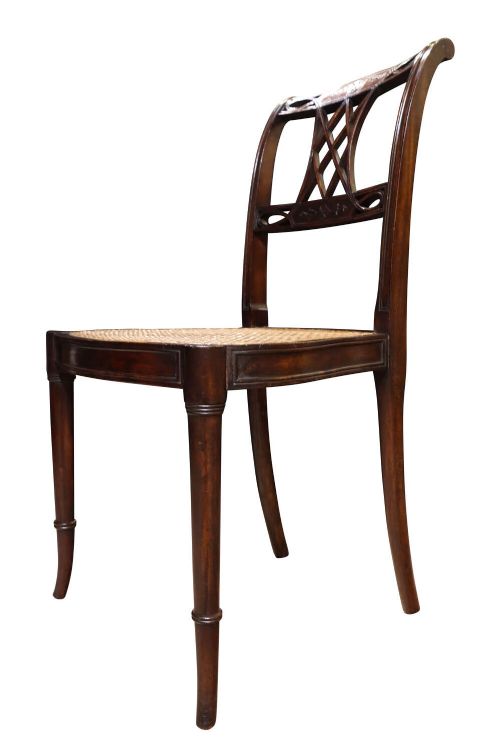
These cane seat occasional chairs encompass side chairs, armchairs, and bedroom pieces designed for flexible placement around the home rather than formal dining. The selection spans the nineteenth century through to the early twentieth century, taking in Regency, Victorian, Edwardian, and Aesthetic Movement designs.
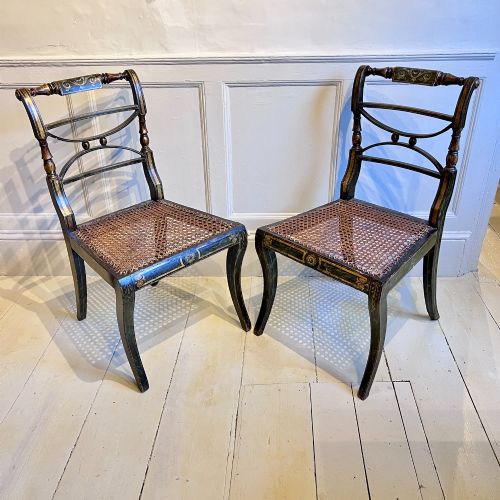
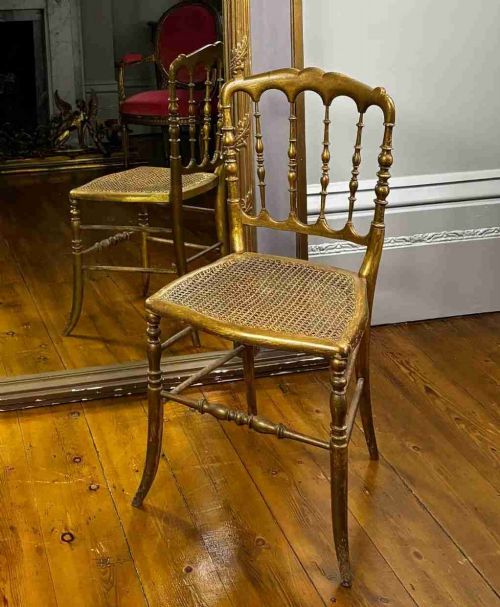
The forms vary considerably across the listings, ranging from giltwood salon chairs and painted side chairs to faux bamboo armchairs, bobbin corner chairs, and bamboo hall benches. Walnut, mahogany, and ebonised timber appear alongside decorative painted and gilded surfaces, creating distinct stylistic identities from French Napoleon III to Chinoiserie.
How they were made
The structural framework relies on traditional cabinet timbers such as walnut and mahogany, alongside turned or carved structural elements that frequently receive paint, giltwood, or simulated rosewood finishes. Craftspeople often employed faux bamboo moulding or applied gesso and gold leaf to achieve elaborate decorative effects.
Caning forms the characteristic seat panels, woven through drilled holes in the timber frame to create a resilient, breathable mesh. Cabinetmakers paired this woven cane with applied brass details, intricate inlay, or hand-carved ornamentation depending on the prevailing style of the period.
Cane Seat Occasional Chairs Retail Price Guide 2026
Typical asking prices for cane seat occasional chairs among the pieces listed under this phrase on Sellingantiques today, from the lower quarter to the upper quarter. They describe what is for sale here now, not the wider market.
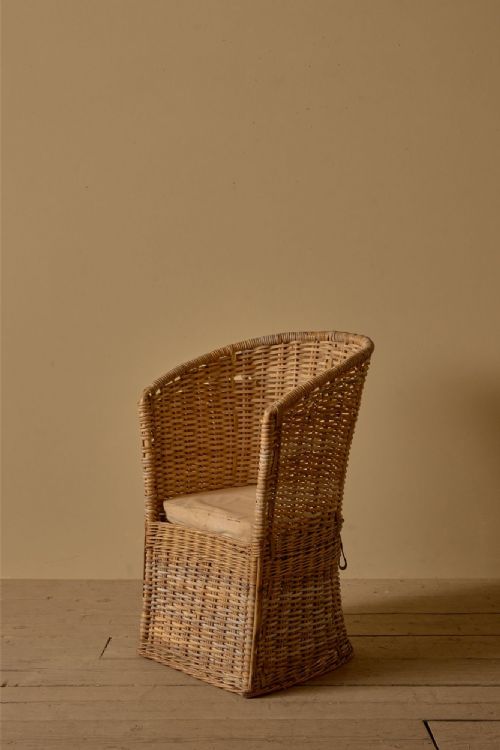
Several pieces embrace botanical mimicry by turning ordinary wood into convincing faux bamboo.
What varies in quality
Quality depends upon the precision of the timber framing and the integrity of the decorative surface, whether that is hand-carved detail, gilding, or simulated graining. Finer pieces demonstrate superior joinery in the structural joints and greater refinement in the turning and carving.
The execution of the woven cane seat and the originality of the painted or gilded finish distinguish standard production from exceptional examples. Pieces retaining their original decorative schemes or distinct stylistic markers, such as specific aesthetic movement turning, command greater appreciation.
E W Godwin
The Cane Seat Occasional Chairs Glossary
- Cane
- Woven material made from the outer skin of rattan palm, creating a light and resilient mesh used primarily for seating panels. It offers both flexibility and structural support.
- Giltwood
- Timber that has been coated with gold leaf or gold paint to provide a lustrous metallic surface. This technique was favoured in formal salon and drawing-room furniture.
- Faux bamboo
- Wood that is carved, turned, and painted to imitate the segmented appearance of natural bamboo. It gained popularity during the nineteenth century under Asian design influences.
- Simulated rosewood
- Painted or stained timber finished to mimic the rich grain and deep colour of genuine rosewood. Makers utilised this method to achieve luxurious visual effects affordably.
Cane Seat Occasional Chairs: Frequently Asked Questions
Where should I place a cane seat occasional chair?
These chairs suit drawing rooms, bedrooms, and hallways where extra seating is needed without visual heaviness. Their compact proportions allow them to sit comfortably in corners or beside desks.
Because the woven seat is light and breathable, they function particularly well in warmer rooms or spaces requiring texture rather than upholstered bulk.
How do I care for a cane seat?
Keep cane seats away from direct heat sources and direct sunlight to prevent the natural rattan material from drying out and becoming brittle. Occasional gentle dusting helps maintain the weave.
Applying a little dampness to the underside of the cane periodically can help maintain its natural tension and elasticity over the years.
How do I identify a Regency occasional chair?
Regency chairs often feature classical revival motifs, sabre legs, and painted or simulated rosewood finishes that reflect early nineteenth-century taste. They frequently incorporate gilded highlights or delicate cane panels.
Comparing the turning and the structural proportions against known nineteenth-century examples helps confirm the period attribution.
Are these chairs suitable for daily use?
Occasional chairs are built for lighter, intermittent use rather than heavy dining purposes. Their slender frames and woven cane panels are designed for sitting rooms and bedrooms.
With considerate use and proper maintenance of the cane mesh, these antique pieces remain functional elements in a contemporary interior.