

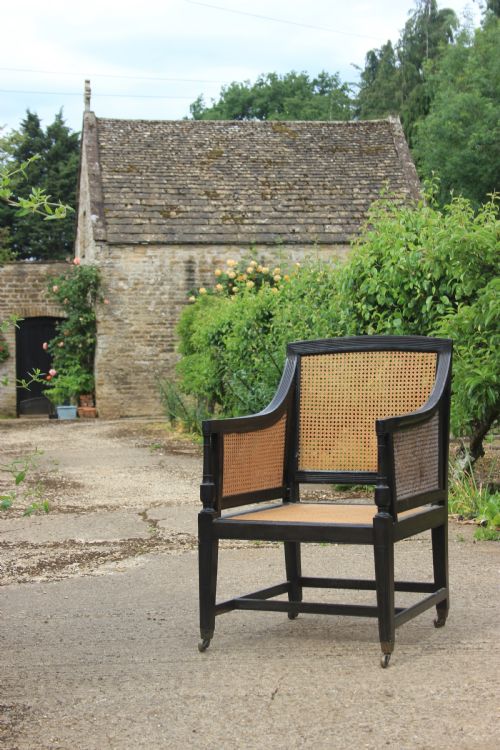


Cane Seat Furniture
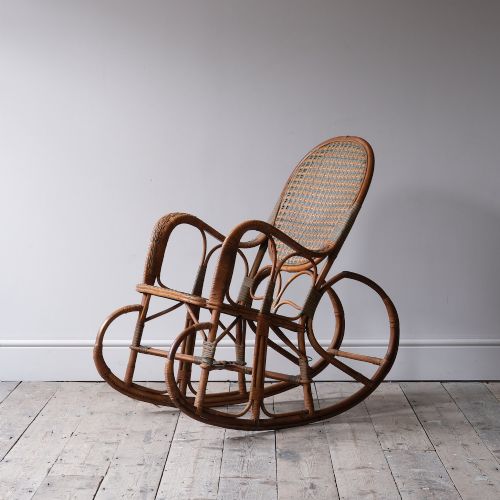
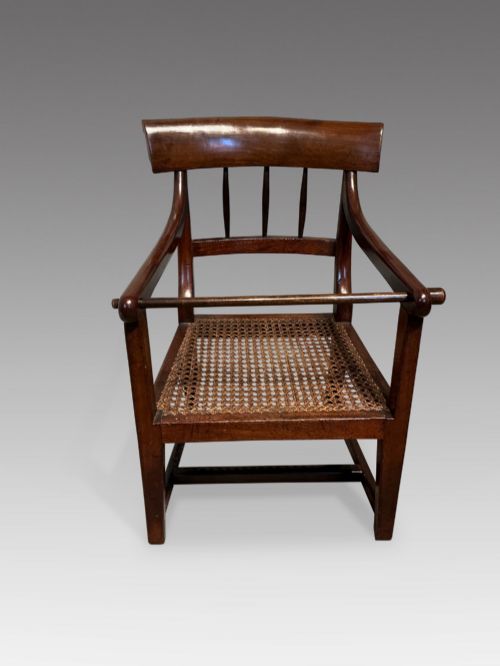
Cane seat furniture brings together woven plant fibres and hardwood frames, offering resilient seating shaped by Georgian, Regency, and Victorian hands.
Cane Seat Furniture
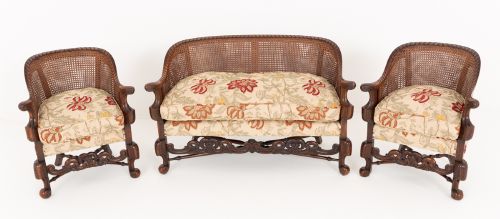
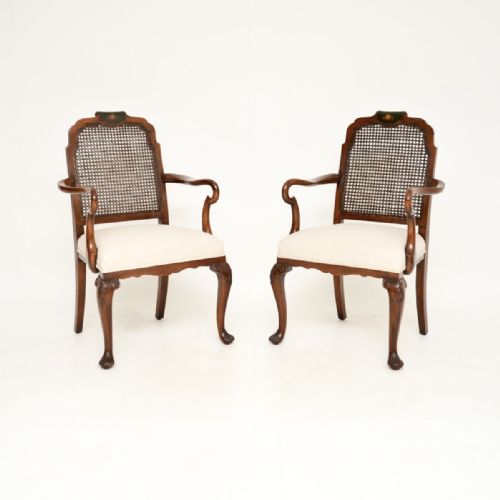
Cane seat furniture encompasses diverse seating forms including armchairs, side chairs, dining chairs, high chairs, benches, seating suites, window seats, and daybeds. Buyers exploring cane seat furniture encounter pieces originating from British workshops alongside Anglo-Indian, Ceylonese, and European sources.
The material appears across distinct periods spanning the 17th century through the 1930s, with strong representation from the Georgian, Regency, and Victorian eras. Domestic seating sits alongside colonial campaign chairs and elaborate bergère suites.
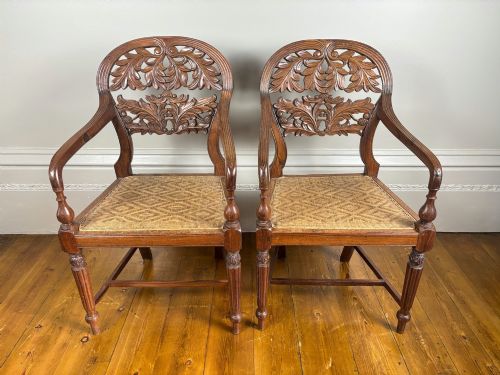
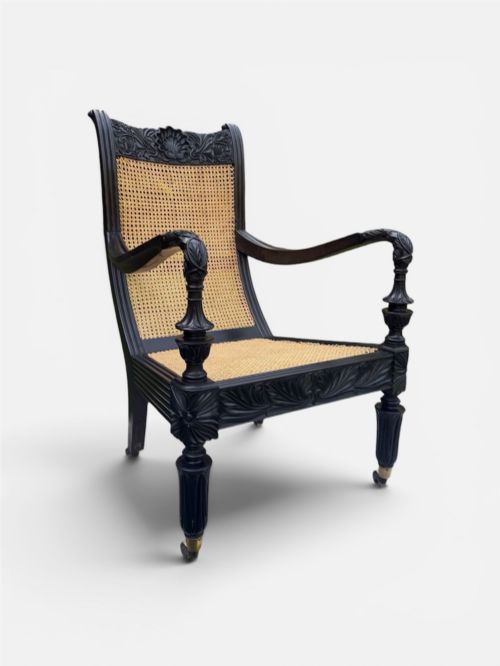
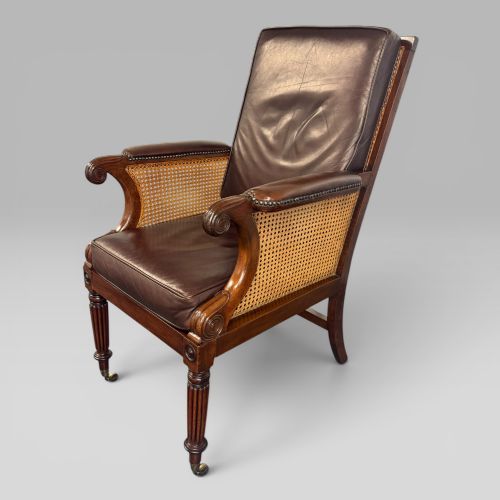
Domestic variants include mahogany and walnut library chairs, while international pieces showcase carved ebony, padouk, and teak construction. Child high chairs and reclining plantation chairs illustrate the domestic and overseas scope of these woven designs.
Materials and Construction
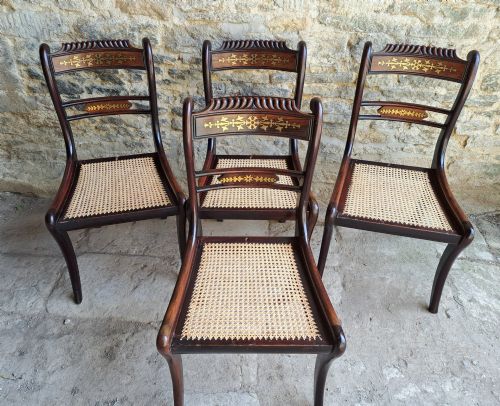
Frames rely on dense timbers such as mahogany, rosewood, ebony, walnut, beech, satinwood, and teak, frequently augmented by brass inlays or lacquer. Artisans combined turned or carved wooden structures with hand-woven cane seating panels.
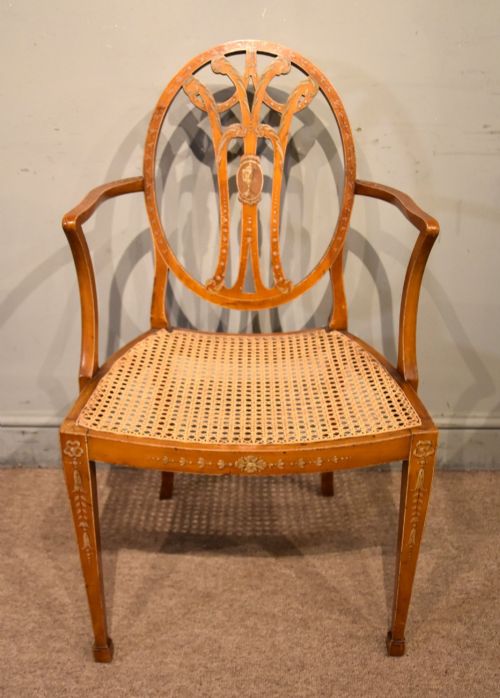
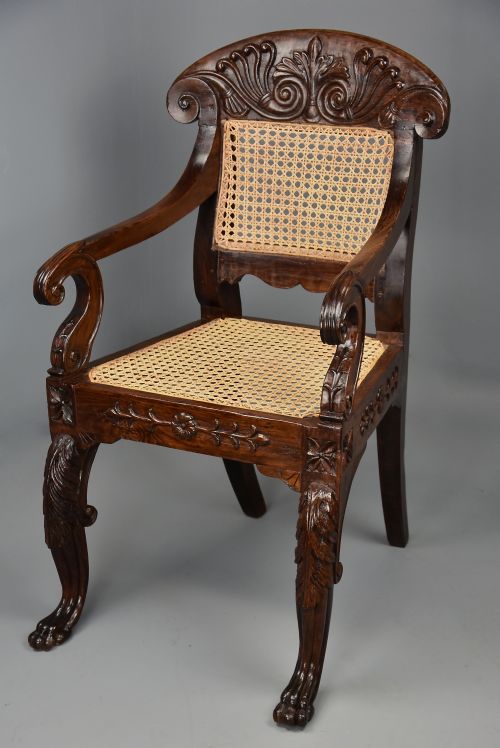
Colonial workshops utilised exotic hardwoods like padouk and coromandel ebony, applying intricate relief carving to structural elements. European makers favoured mahogany, beech, and rosewood, incorporating ebonising, brass detailing, and painted finishes.
Cane Seat Furniture Retail Price Guide 2026
Typical asking prices for cane seat furniture among the pieces listed under this phrase on Sellingantiques today, from the lower quarter to the upper quarter. They describe what is for sale here now, not the wider market.
Victorian nurseries relied on miniature caned tub highchairs so toddlers could dine in matching woven comfort.
Distinctions in Execution
Quality rests in the precision of the timber carving and the tightness of the cane weaving. Dense hardwoods like solid ebony and Rio rosewood command attention through crisp joinery and substantial weight.
Design complexity separates standard utility items from high-status objects, seen in brass-inlaid Regency dining sets and finely pierced Anglo-Indian scrollwork. The integration of secondary materials, such as satinwood veneers and lacquered surfaces, indicates ambitious workshop production.
E.W Godwin·Gillows
The Cane Seat Furniture Glossary
- Bergère
- An enclosed upholstered or cane-sided armchair with a solid wooden frame. These typically feature woven cane backs and seats.
- Campaign chair
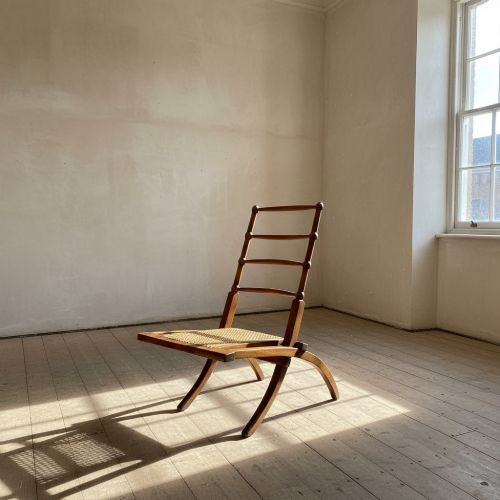
- Portable folding seating designed for travel and military use. They utilise collapsible frames intended for easy packing.
- Padouk
- A heavy tropical hardwood valued for its reddish hue and durability. Makers utilised it in carved Anglo-Indian seating.
- Ebonised
- Timber treated with a dark finish to imitate ebony. This technique appeared on Regency and Victorian frames.
Cane Seat Furniture: Frequently Asked Questions
What is a bergere chair?
A bergère is an enclosed armchair featuring a wooden frame with woven cane panels forming the back and seat. These chairs often appear in mahogany, walnut, or exotic hardwoods.
Originating in various historical periods, they provide a sturdy yet resilient seat through the tension of the woven cane construction.
How do I identify Regency cane furniture?
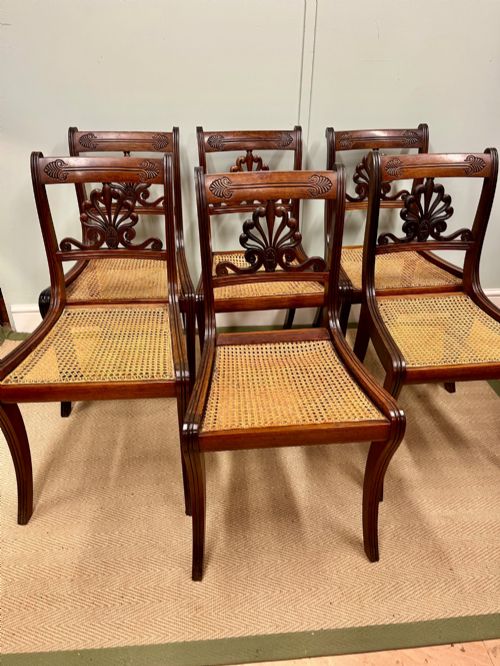
Regency pieces often display classical proportions, dark timbers like rosewood and mahogany, and brass inlay details. These items frequently date from the early 19th century.
Look for ebonised finishes, sabre legs, and sophisticated turning that distinguish the era from later Victorian revivals.
How should I clean cane seats?
Cane requires gentle maintenance to prevent the natural plant fibres from drying out and snapping. Light dusting and occasional damp wiping maintain the material.
Keeping these chairs away from direct heat sources preserves the flexibility and strength of the woven surfaces.