

Candelabra Table Centrepiece
A candelabra table centrepiece commands attention at the heart of a dining arrangement, combining illumination with sculptural presence.
Candelabra Table Centrepiece
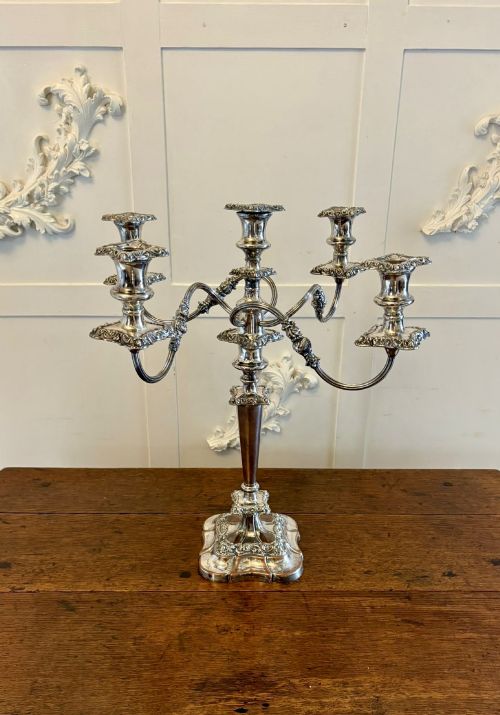
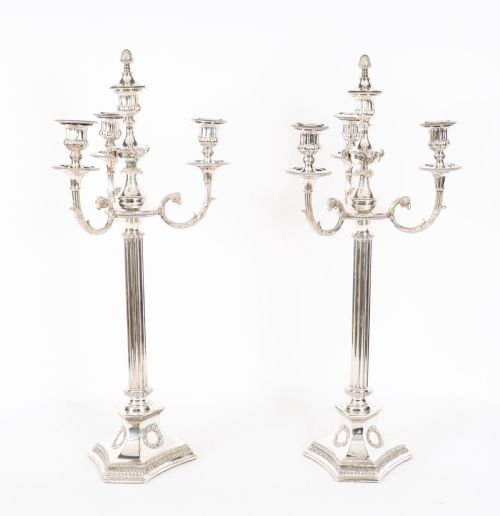
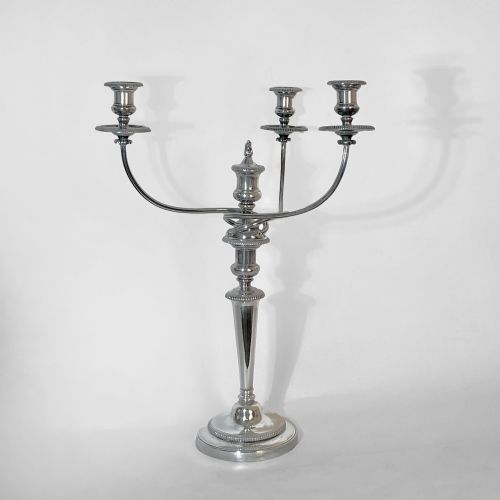
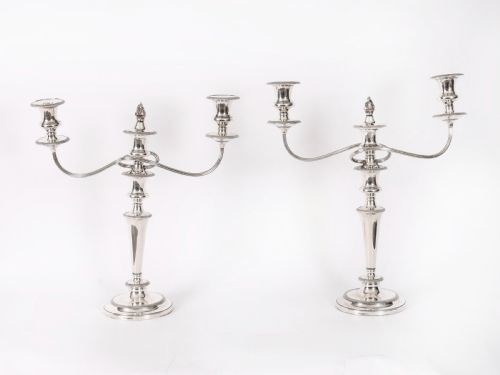
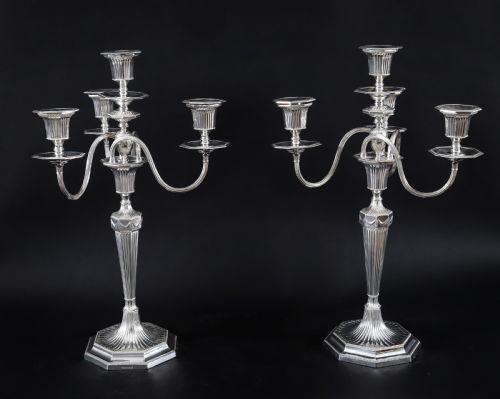
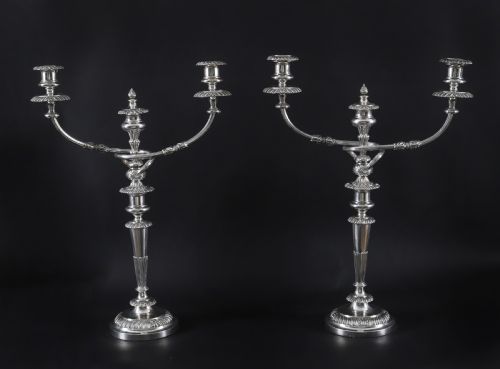
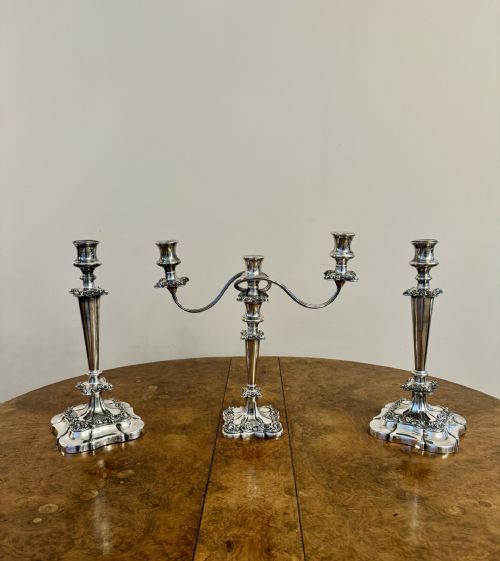
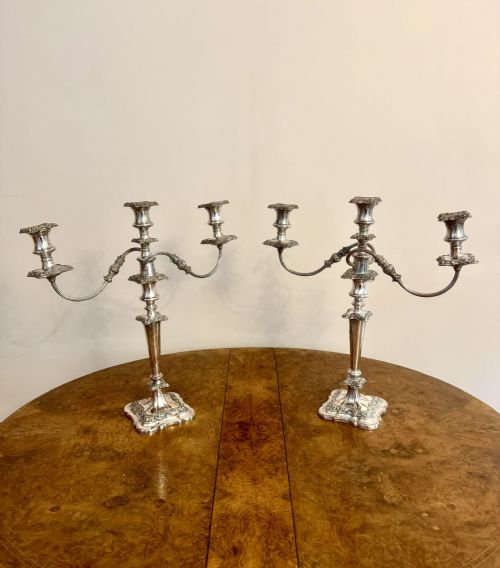
A candelabra table centrepiece is designed to anchor a formal dining table, typically featuring multiple branches for candles arranged around a central stem. The pieces available span from the Georgian period through the Victorian and Edwardian eras, reflecting changing domestic tastes in formal dining.
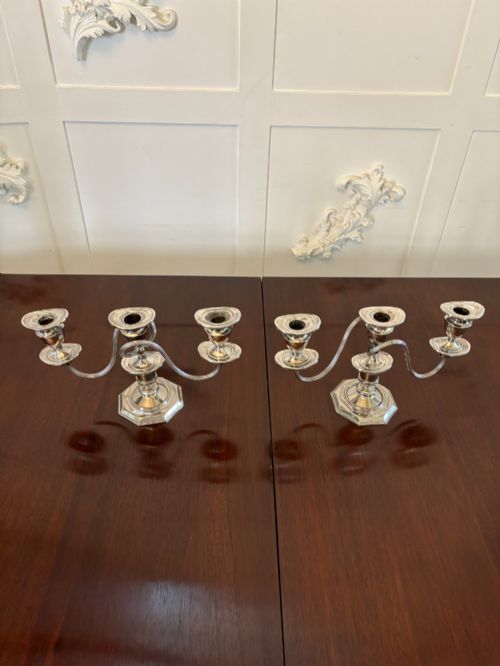
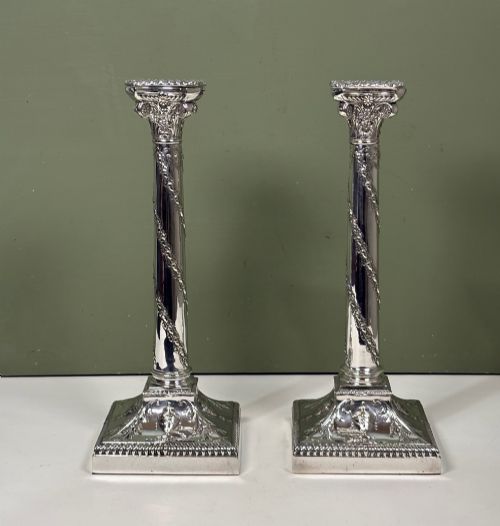
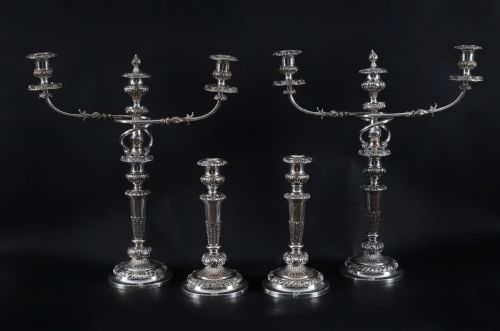
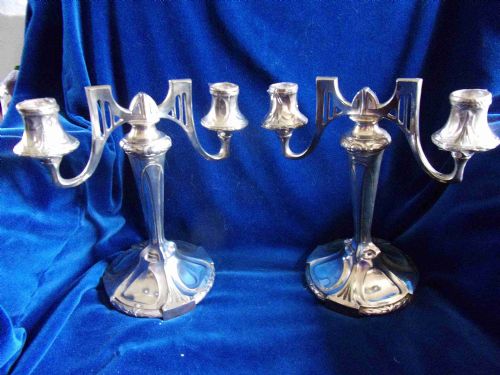
Makers produced these lighting items in configurations ranging from simple two-branch variants to large suites with detachable sconces. Alongside standard candelabras, listings include associated forms such as candlesticks and table garnitures intended for coordinated display.
Materials and Construction
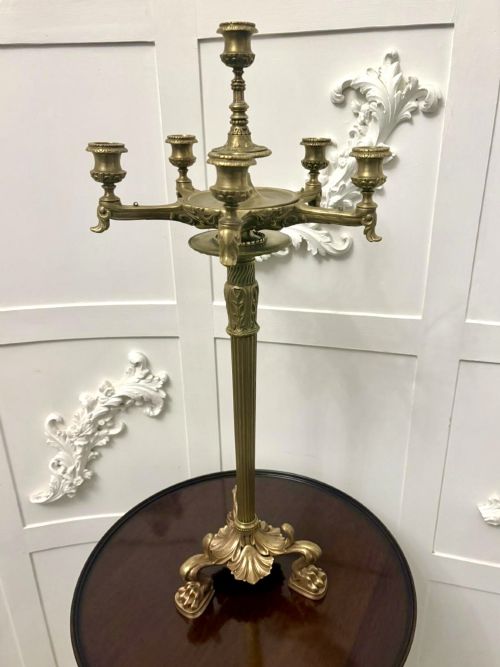
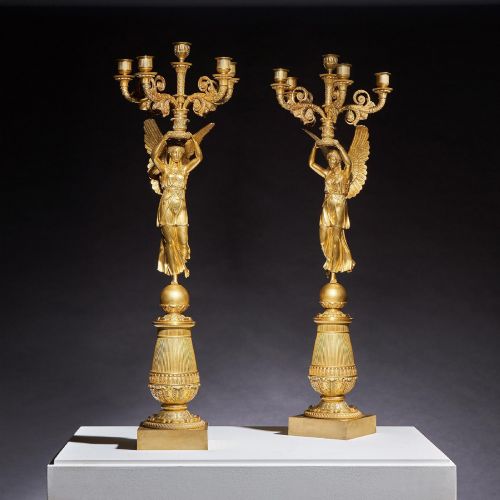
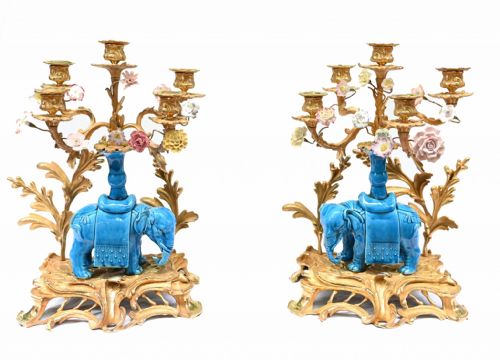
Metalworking techniques dictate the construction of these items, with silver plate, Sheffield plate, and sterling silver forming the majority of the domestic English pieces. Bronze, gilt brass, and ormolu appear frequently in continental designs, often paired with materials like marble, porcelain, and cut glass drops.
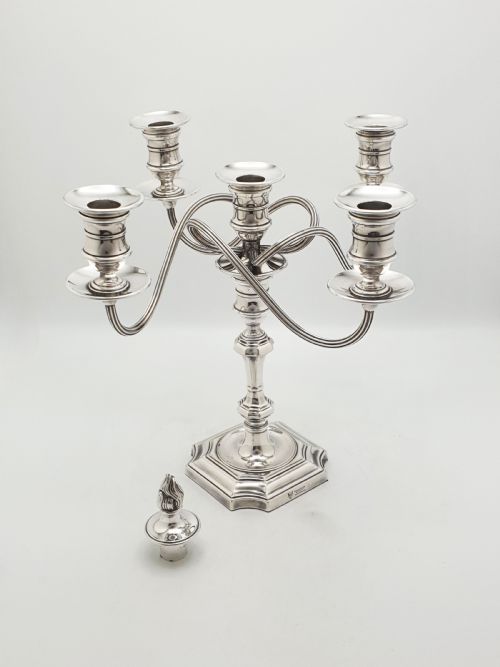
Silversmiths and metalworkers utilised casting, chasing, and plating methods to achieve decorative finishes. Many larger examples incorporate detachable components such as sconces and branch assemblies to facilitate cleaning and maintenance.
Candelabra Table Centrepiece Retail Price Guide 2026
Typical asking prices for candelabra table centrepiece among the pieces listed under this phrase on Sellingantiques today, from the lower quarter to the upper quarter. They describe what is for sale here now, not the wider market.
Listings feature pieces spanning from the eighteenth century through to the mid twentieth century, utilising brass, bronze, and various forms of silver plating.
Assessing Craftsmanship
Quality in a candelabra table centrepiece rests upon the crispness of the casting and the structural integrity of the joints where branches meet the central column. Superior examples display carefully balanced weight distribution and finely detailed chasing rather than relying solely on surface plating.
The distinction between standard domestic lighting and exceptional pieces lies in the articulation of ornamental motifs, such as foliate scrolls or figural supports. Maker attribution and the retention of original parts, including matched sconces, elevate the standing of an individual piece.
Pierre Philippe Thomire·Hawksworth Eyre·Garrard and Co·Matthew Boulton·Barker Ellis
The Candelabra Table Centrepiece Glossary
- Candelabra
- A branched candlestick used for holding multiple candles on a single base. They are traditionally proportioned for dining tables or sideboards.
- Sconce
- The small cup or nozzle at the end of a branch designed to catch melted wax and hold the base of the candle. Detachable versions allow for easier cleaning.
- Sheffield Plate
- An early composite material made by fusing a thin sheet of sterling silver to a thicker copper base. It is identifiable by the subtle copper bleed visible where the silver layer wears thin.
- Ormolu
- Finely ground high-carat gold applied to a bronze base using a mercury amalgamation process. This technique produces a rich, durable golden finish seen on French decorative objects.
Candelabra Table Centrepiece: Frequently Asked Questions
How do I clean a silver plated candelabra?
Silver plated items require gentle cleaning with specialised silver polish and a soft cloth to avoid abrading the underlying metal.
Harsh chemical dips should be avoided, particularly on older plated wares, to preserve the remaining silver layer.
Can I use standard candles in antique candelabras?
Most antique sconces accommodate specific historical taper sizes rather than modern standard dimensions.
Using fitted candle adapters or gently softening the base of a standard candle helps secure it safely in the nozzle.
Were these always used as dining table centrepieces?
While many were made specifically for dining tables, larger examples functioned on sideboards, mantelpieces, and pier tables.
Multi-branch designs provided essential illumination for evening entertaining before the widespread adoption of electric lighting.
How do I distinguish Sheffield plate from later silver plate?
Sheffield plate exhibits a characteristic copper tint along exposed edges where the fused silver layer has worn away through use.
Electroplated nickel silver, introduced later in the nineteenth century, reveals a greyish base metal rather than warm copper beneath the plating.