

Cabochon Opal Jewellery
Cabochon opal jewellery brings together rounded, polished stones and precious metals across centuries of design, prized for the shifting play of colour within each gem.
Cabochon Opal Jewellery
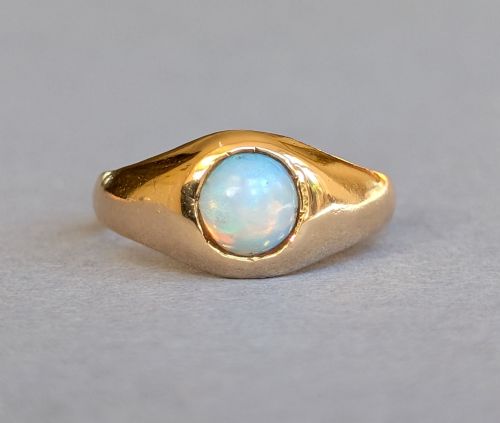
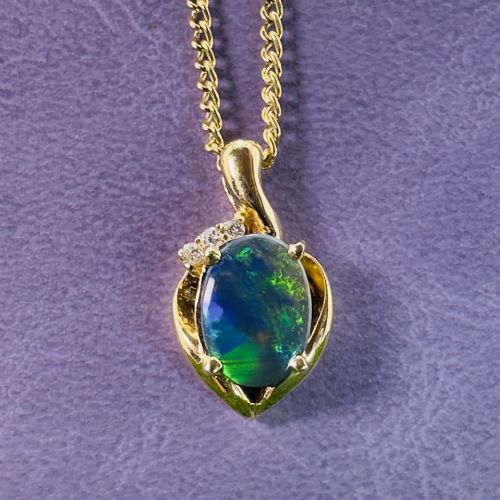
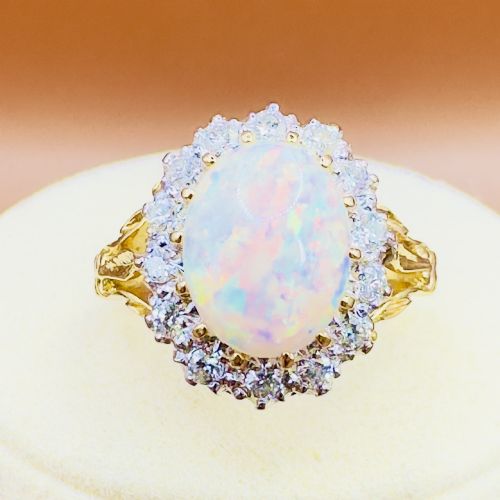
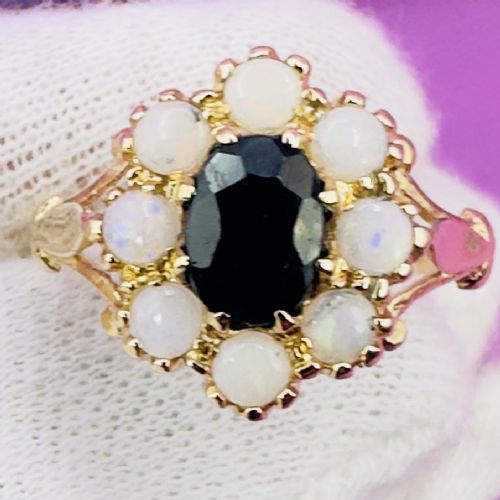
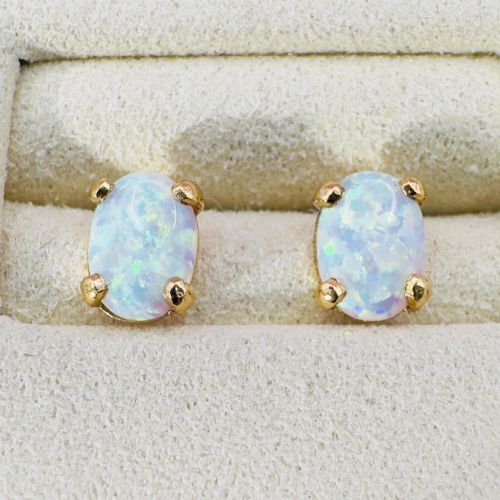
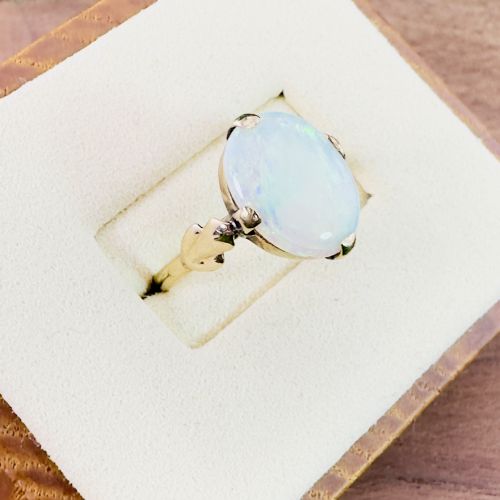
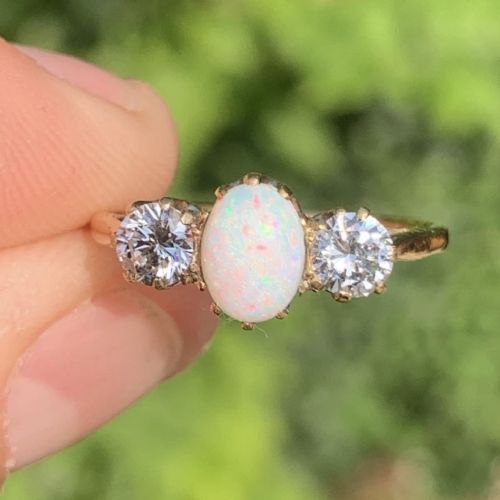
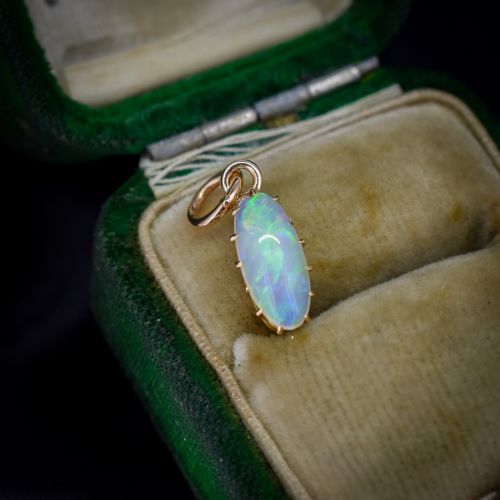
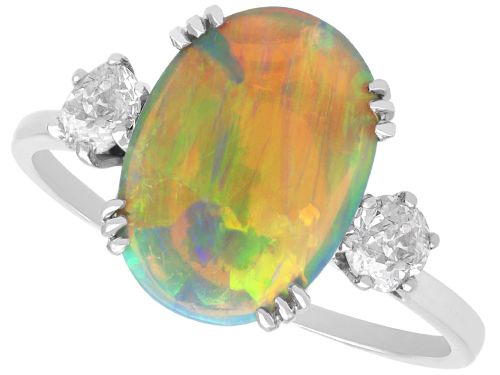
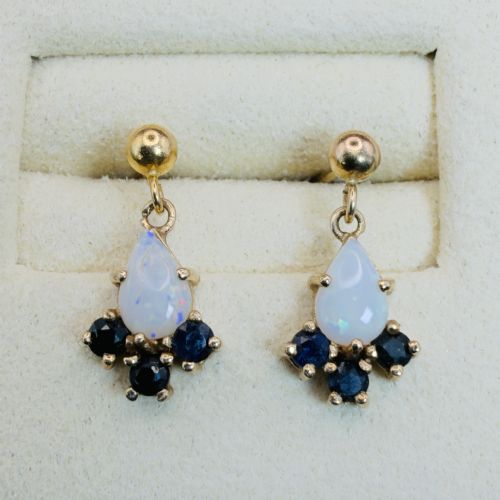
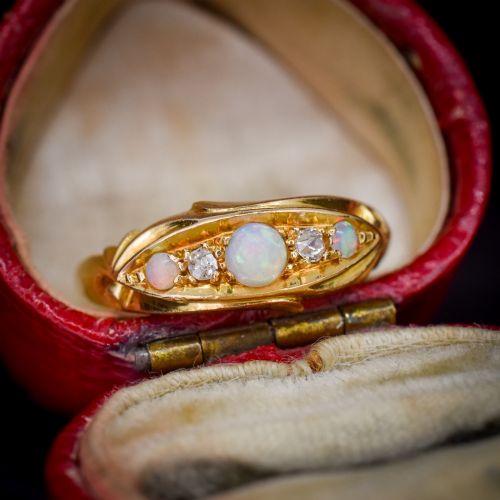
Cabochon opal jewellery encompasses rings, pendants, earrings, brooches and bracelets set with rounded stones rather than faceted gems. The selection spans Victorian and Edwardian pieces through to Art Deco and mid-century modern designs.
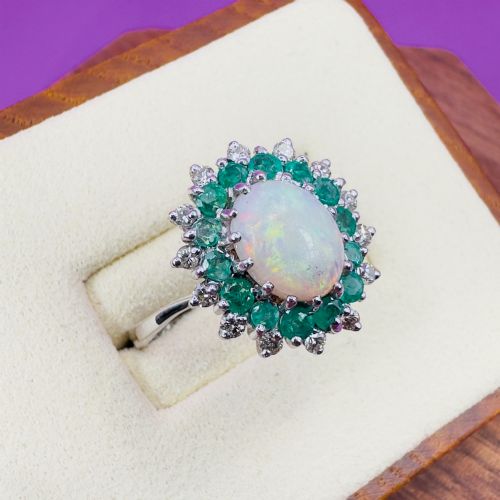
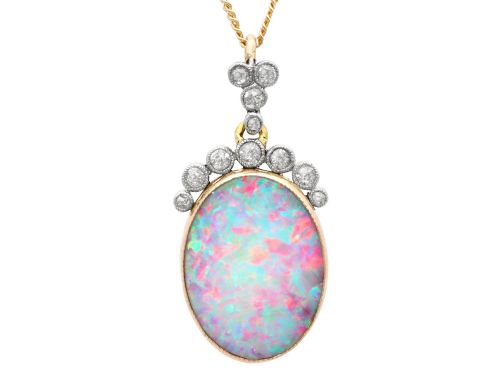
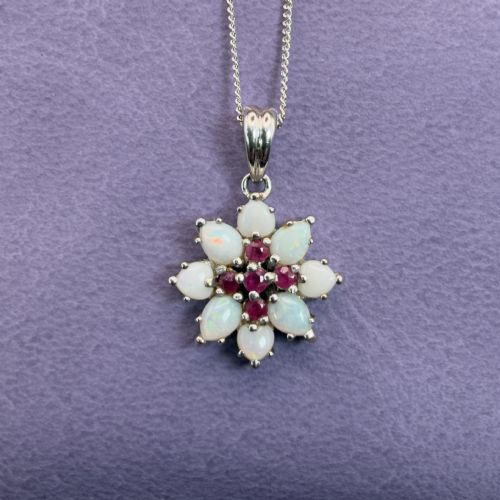
Buyers frequently encounter cluster rings and solitaire pendants, alongside fringe necklaces and bar brooches. Precious metals range from traditional yellow and rose gold to white gold, platinum and silver.
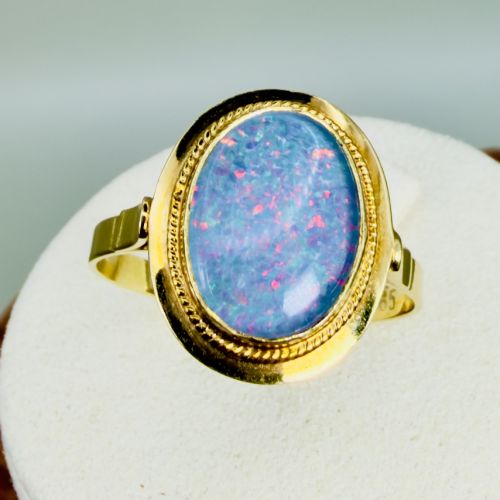
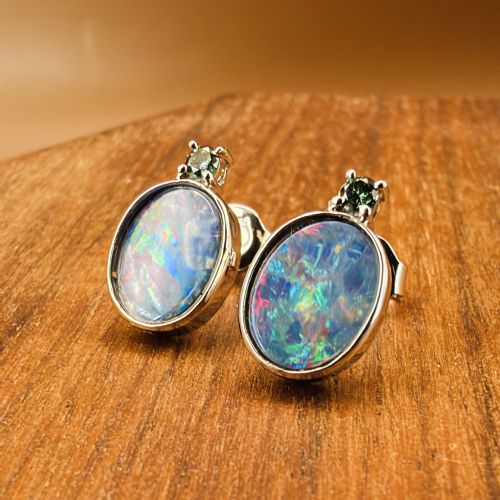
Stones vary from white and black opals to doublets and boulder opals, often paired with supporting diamonds, pearls or coloured gemstones. These pieces represent a rich tradition of craftsmanship across multiple decades.
How they were made
Gems are cut into smooth, domed cabochons to maximise the play-of-colour, then secured in bezels or claw settings by goldsmiths and silversmiths. Supporting diamonds are frequently flush or cluster-set around the central opal.
Metals such as 18ct and 9ct gold, platinum and silver are cast, forged or filigreed to form the structural mounts and intricate gallery work. Hallmarks and assay marks often stamp the metal purity and origin directly onto the pieces.
Cabochon Opal Jewellery Retail Price Guide 2026
Typical asking prices for cabochon opal jewellery among the pieces listed under this phrase on Sellingantiques today, from the lower quarter to the upper quarter. They describe what is for sale here now, not the wider market.
Some opals trap tiny ancient worlds of water and clay, holding miniature landscapes inside their glowing domes.
What varies in quality
The visual brilliance of the opal dictates much of the standard, with intense flashes of spectral colours across the stone marking superior examples. The stability and thickness of the cabochon dome also influence the overall integrity of the piece.
Metalwork execution, from delicate Edwardian pierced filigree to robust Victorian claw settings, separates standard production from finer craftsmanship. The quality of matching accent diamonds and secure stone retention complete the assessment.
The Gaskins·WH Haseler for Liberty and Co
The Cabochon Opal Jewellery Glossary
- Cabochon
- A gemstone shaped and polished with a smooth, convex domed surface rather than faceted edges. This cut is particularly suited to opals to display their internal colour play.
- Doublet
- A composite stone made of a thin slice of natural opal glued to a dark backing material to enhance colour depth. It is often topped with a protective quartz dome.
- Boulder opal
- An opal found naturally embedded in its host ironstone matrix, leaving part of the natural backing attached. These stones often show striking dark backgrounds and irregular organic shapes.
- Fringe necklace
- A necklace design featuring suspended drops or pendants hanging at intervals along the lower chain. Edwardian makers frequently used this format for opals and diamonds.
- Trilogy ring
- A ring set with three stones side by side, traditionally representing past, present and future. In this selection, they frequently pair central opals with flanking diamonds.
Cabochon Opal Jewellery: Frequently Asked Questions
How should I clean my opal ring?
Opals contain water within their structure and score lower on the hardness scale than diamonds, requiring gentle care. Clean them using a soft cloth and warm soapy water, avoiding harsh chemical dips or ultrasonic cleaners.
Store opal pieces separately from harder jewellery to prevent scratching. Regular gentle maintenance preserves the polish and the play-of-colour within the stone.
Are black opals different from white opals?
Black opals possess a dark body tone, ranging from dark grey to black, which naturally intensifies the spectral play-of-colour inside the stone. White opals feature a lighter, milky background that diffuses the colours more softly.
Both varieties occur naturally, though boulder opals and doublets offer alternative ways to achieve dark backgrounds. The choice between them depends entirely on personal preference for brightness and contrast.
How do I date an antique opal setting?
Dating relies on a combination of metal purity marks, assay office symbols, and stylistic cues from the mount. Victorian pieces often use heavy gold claws or ornate bar settings, while Edwardian designs favour fine platinum and yellow gold millegrain filigree.
Mid-century rings and pendants introduce cleaner geometric lines and different claw profiles. Hallmarks stamped inside the band or clasp provide the most reliable chronological anchor.
Can I wear an opal pendant every day?
Pendants and brooches experience far less physical impact than rings, making them well-suited for regular wear. Rings require more mindful handling to protect the softer opal cabochon from sharp knocks against hard surfaces.
Removing rings before manual tasks or swimming safeguards both the stone and the precious metal setting. With sensible precautions, these pieces remain durable companions for daily rotation.