

Cabochon Gemstone Jewellery
Cabochon gemstone jewellery pairs smooth, polished stones with gold, silver, and platinum settings to highlight natural optical effects.
Cabochon Gemstone Jewellery
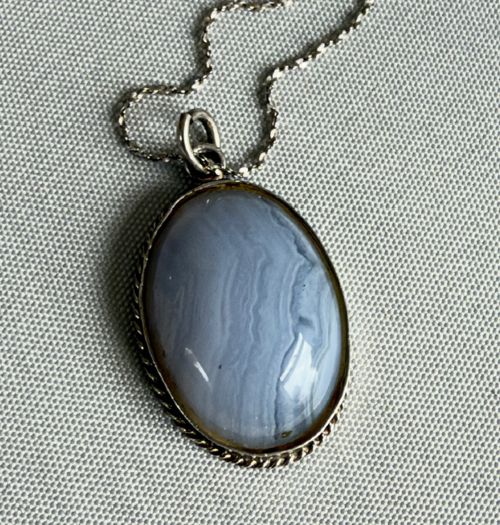
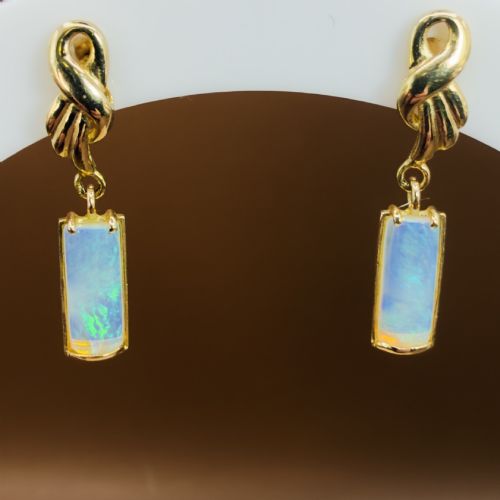
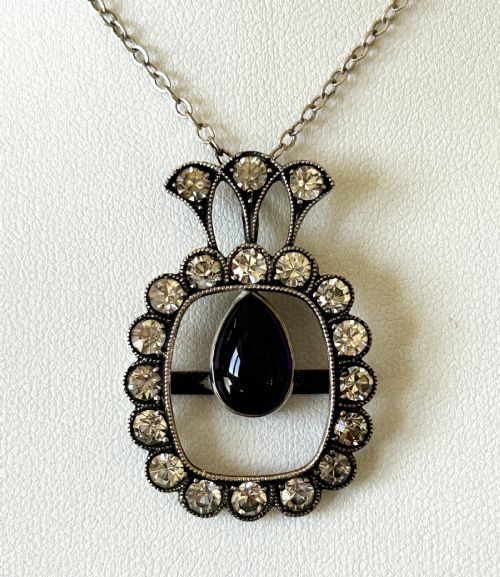
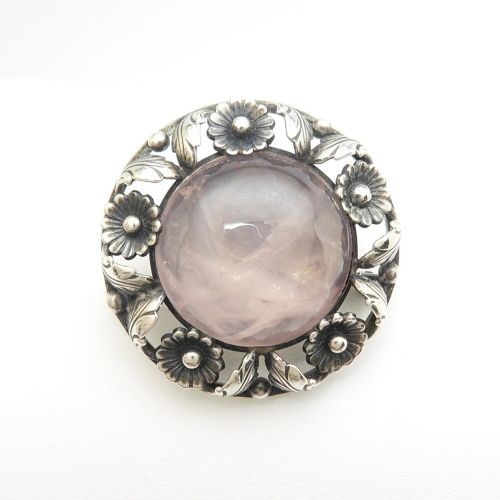
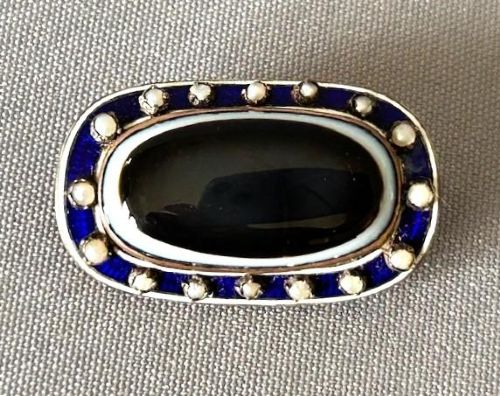
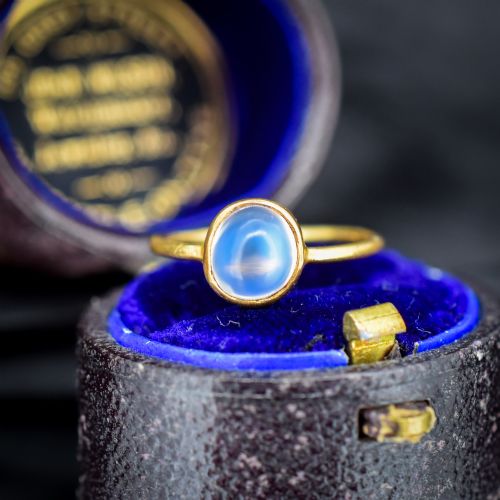
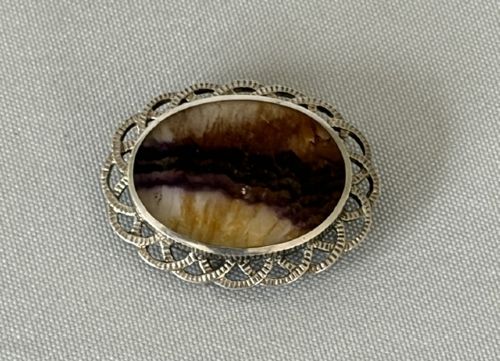
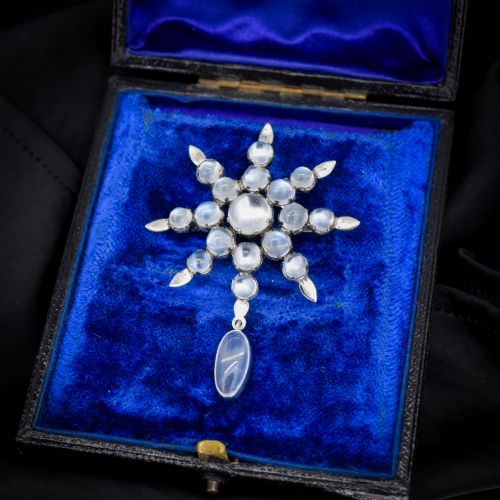
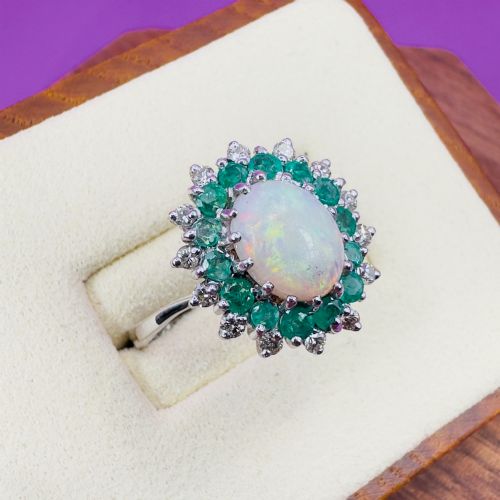
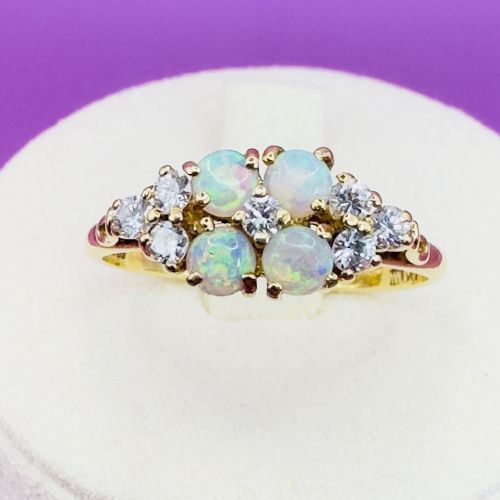
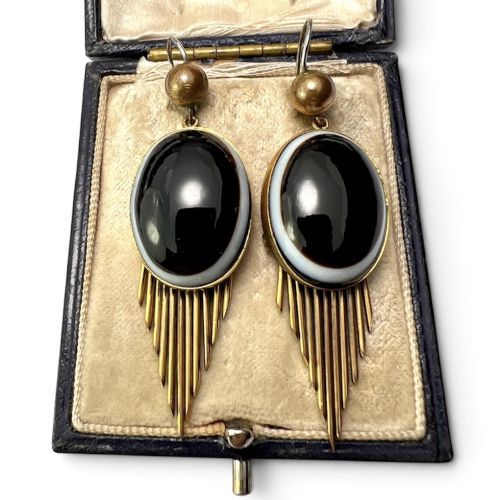
Cabochon gemstone jewellery encompasses rings, earrings, necklaces, pendants, bracelets, and bangles set with smoothly rounded stones rather than faceted gems. Pieces on this page originate from the Victorian, Edwardian, Art Deco, and mid-century periods, alongside vintage and classic fine styles.
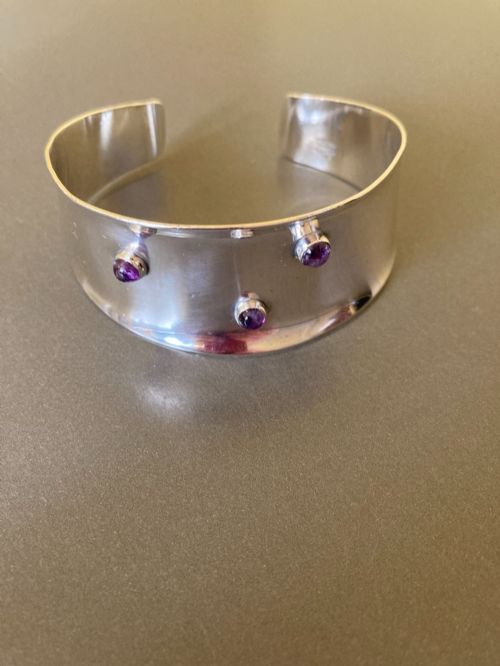
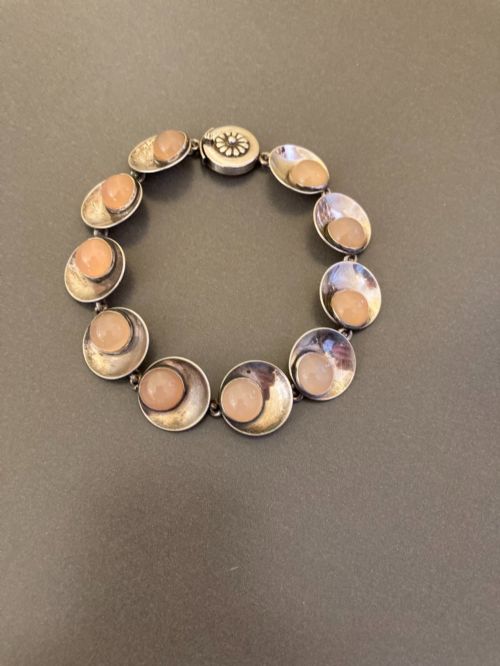
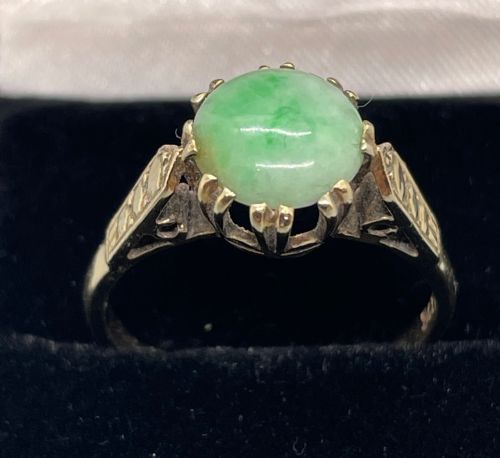
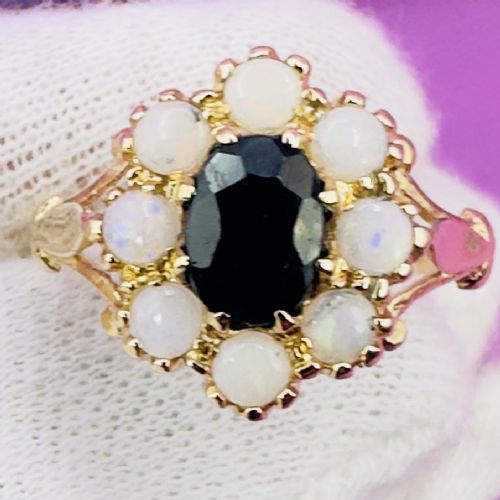
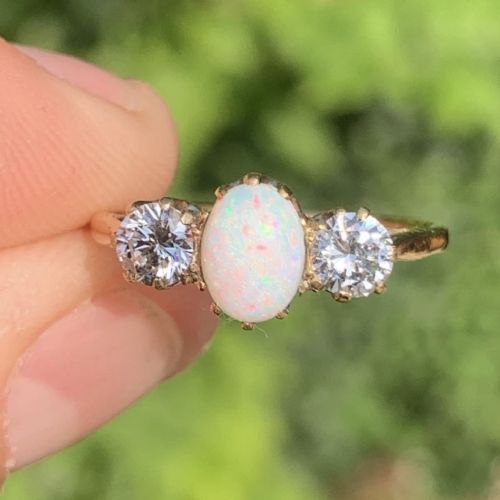
Opal dominates the selection, appearing as single stones, in cluster rings, drop earrings, and fringe necklaces, frequently paired with diamonds, rubies, or sapphires. Amethyst, garnet, jade, moonstone, turquoise, and chalcedony also populate the selection across various gold and silver mounts.
Materials and Techniques
Metals span 9ct and 18ct yellow, white, and rose gold, alongside sterling silver, platinum, and occasionally 14ct gold. Settings utilise bezel mounts, claw arrangements, and cluster formations that hug the domed contours of the stones.
Gems are shaped into smooth, convex cabochons to display phenomena like opal play-of-colour, moonstone adularescence, or the solid hues of jade, garnet, and amethyst. Construction methods include cast mountings, filigree detailing, hand-bezeling, and traditional link assembly for bracelets and necklaces.
Cabochon Gemstone Jewellery Retail Price Guide 2026
Typical asking prices for cabochon gemstone jewellery among the pieces listed under this phrase on Sellingantiques today, from the lower quarter to the upper quarter. They describe what is for sale here now, not the wider market.
Listings feature yellow gold, white gold, rose gold, sterling silver, and platinum across periods from the eighteenth century to the mid-twentieth century.
Evaluating Quality
Quality rests in the optical character and cut of the central stone, from the vividness of opal flash to the even saturation of jade, garnet, or amethyst. Balanced proportions between the domed gem and its mounting separate standard examples from finer specimens.
Execution of the metalwork influences worth, seen in substantial gold weights, secure bezel or claw settings, and crisp filigree or structural joints. Maker attribution, such as recognisable Danish modernist or early twentieth-century design work, elevates individual pieces.
N E From·Georg Jensen·Vivianna Torun Bulow Hube
The Cabochon Gemstone Jewellery Glossary
- Cabochon
- A gemstone shaped and polished with a smooth, domed surface rather than faceted edges. This cut suits stones with optical phenomena or dense, opaque colours.
- Bezel set
- A method where a thin metal rim wraps around the perimeter of the stone to hold it securely in place. This technique protects the edges of softer cabochon gems.
- Adularescence
- The optical phenomenon where light creates a milky, shimmering glow beneath the surface of stones like moonstone. It moves across the gem as the angle shifts.
- Festoon necklace
- A necklace featuring chains, swags of metal, or draped drops interspersed with gemstones. Edwardian examples often suspend delicate opal or pearl fringes.
- Doublet
- A composite gemstone made of two joined sections, commonly pairing a thin slice of precious opal with a supportive base. This method presents a strong face-up appearance.
Cabochon Gemstone Jewellery: Frequently Asked Questions
How do I care for opal cabochons?
Opals contain natural water content and require gentle handling to preserve their structural integrity. Avoid harsh chemical cleaners, ultrasonic machines, and sudden extreme temperature changes that can damage the stone.
Store opal rings and pendants separately from harder gemstones to prevent surface scratching. Clean them periodically using a soft, damp cloth without soaking the mounting.
How can I date these pieces?
Dating relies on hallmarks, metal purity marks, fastening styles, and overall design characteristics. Victorian and Edwardian items often feature intricate filigree, rose gold, or platinum-topped gold, while mid-century pieces display clean modernist lines or heavy cluster settings.
Maker marks and registration numbers stamped inside ring shanks or behind pendants provide additional chronological clues. Comparing stone cuts and mounting techniques against documented eras confirms the period.
Can I wear these rings daily?
Daily wear depends on the hardness of the central gemstone and the sturdiness of the setting. Harder stones like sapphire, garnet, and jade withstand regular use, while softer stones such as opal require mindful wear to avoid impact.
Choosing bezel-set rings or designs with lower stone profiles reduces the risk of catching the gem on clothing or surfaces. Regular inspection of the claws and band ensures the setting remains secure over time.