






C19th Mahogany Furniture
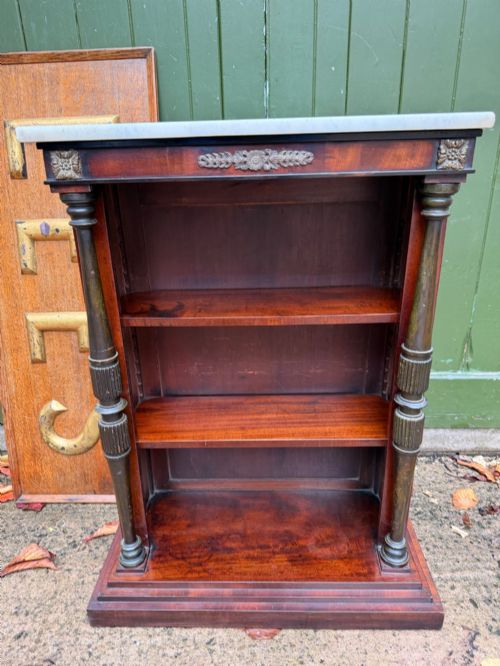
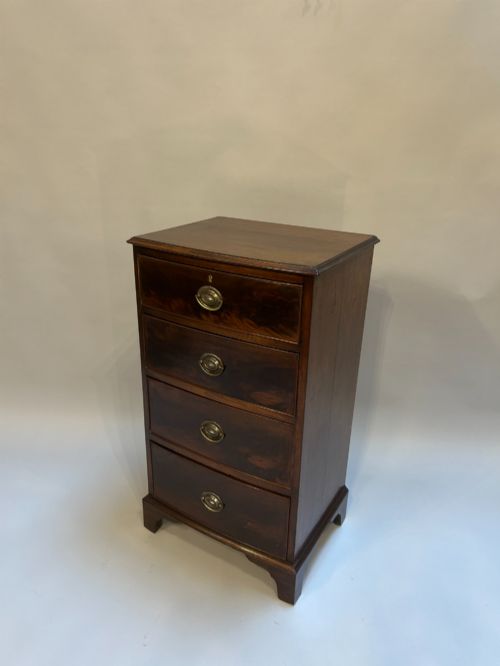
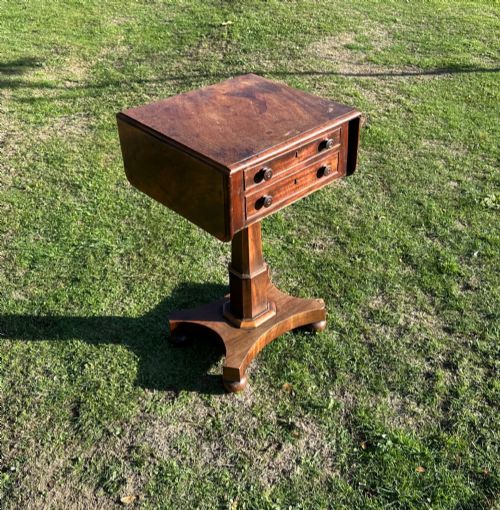
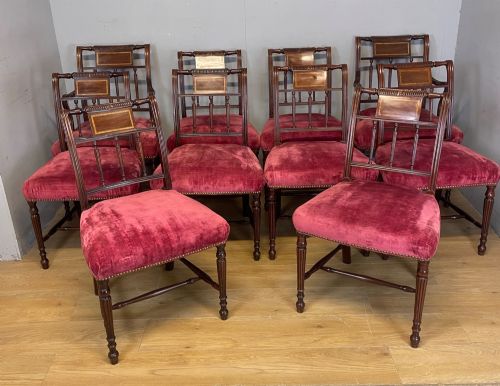
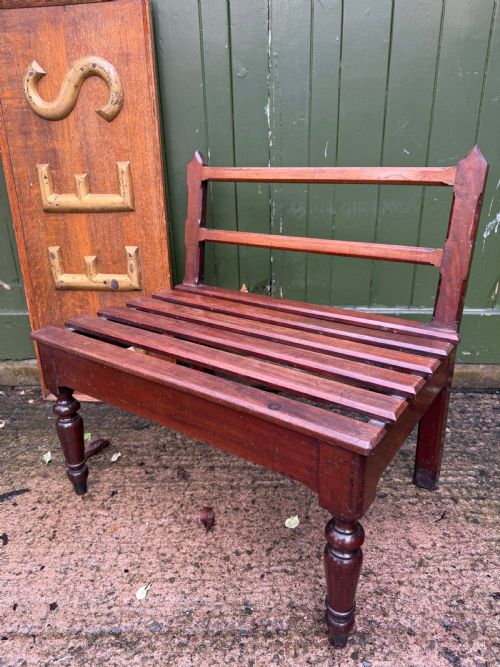
When you choose c19th mahogany furniture, you acquire dense timbers shaped into practical dining tables, campaign chests, and bookcases from Georgian, Regency, and Victorian periods.
C19th Mahogany Furniture
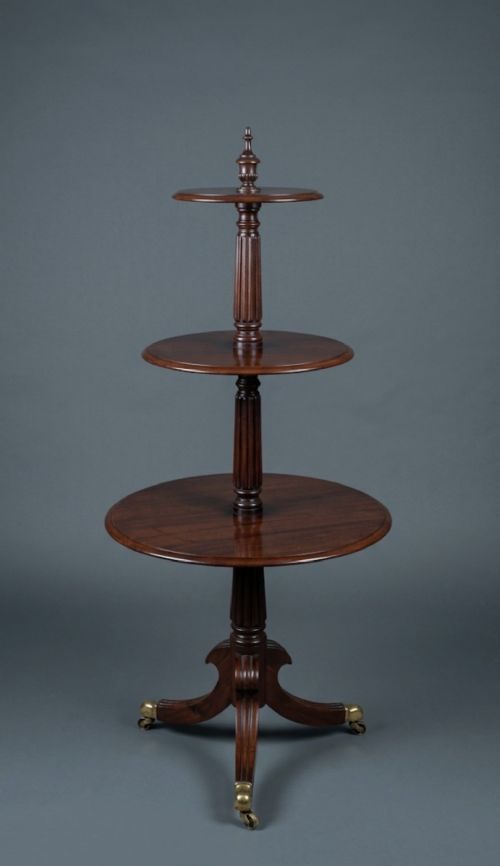
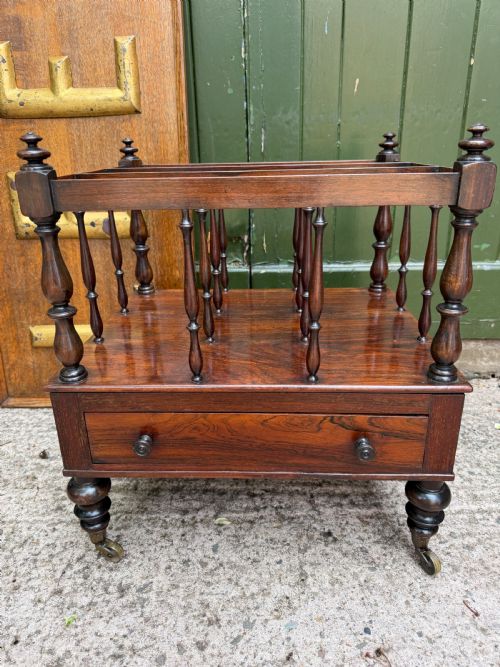
When searching for c19th mahogany furniture, buyers encounter a diverse selection of utilitarian and formal domestic items spanning the Georgian, Regency, and Victorian eras. The inventory comprises substantial library bookcases, dining chairs, and chests of drawers alongside specialised pieces like dumb waiters, canterburys, and etageres.
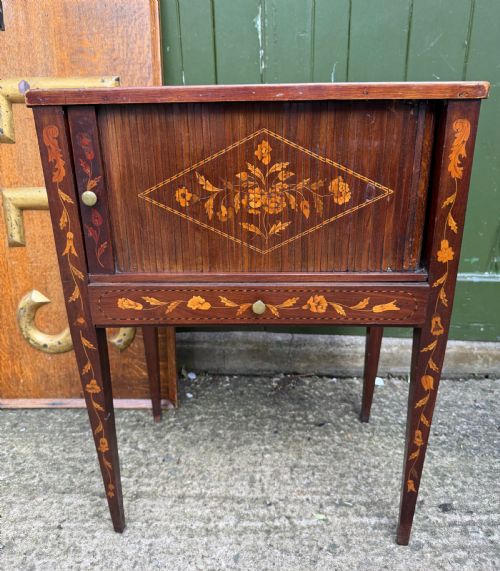
Most items on this page originate from English workshops, though continental examples such as French Empire commodes, Charles X gueridons, and Dutch floral marquetry bedside cupboards also appear. These objects reflect the changing domestic requirements of nineteenth-century households, balancing functional storage with refined proportions.
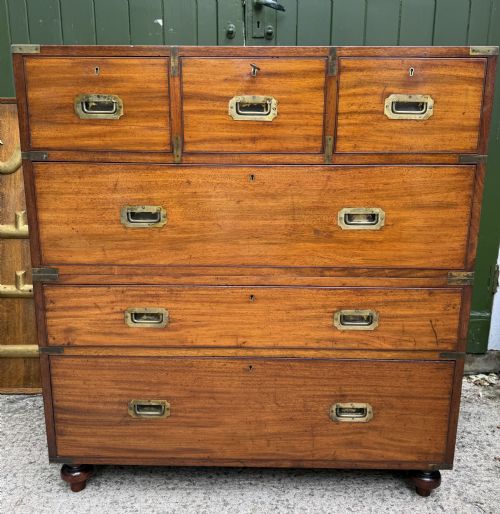
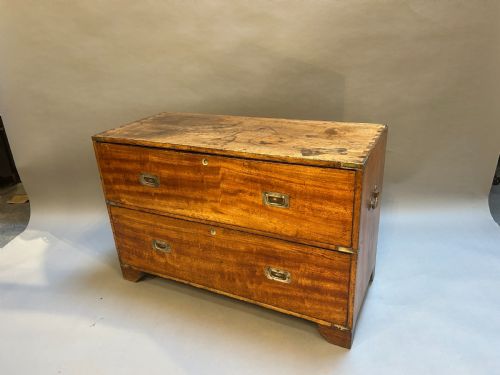
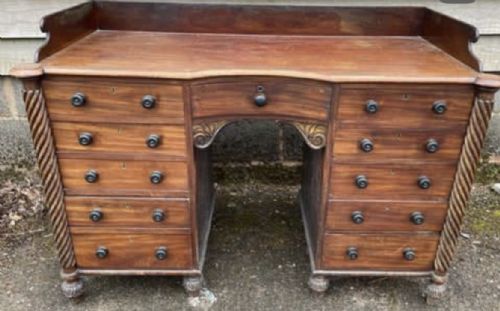
The forms range from campaign items designed for travel, featuring brass-bound corners, to architectural console tables and large linen presses. Buyers find both compact pieces suitable for smaller rooms and imposing double-sided library desks built for institutional or grand residential settings.
Materials and construction methods
Cabinetmakers constructed these pieces primarily using solid mahogany and flame mahogany veneer applied to secondary framing timbers. The natural grain depth and rich reddish-brown tone of the wood received careful finishing through polishing to highlight figure patterns.
Secondary materials such as brass for campaign mounts, locks, and handles, alongside inset marble slabs on top of console tables and commodes, integrated functional durability with decorative contrast. Structural joinery relied on traditional techniques including dovetailing for drawer construction and mortise and tenon joints for frames.
Inlaid elements utilising contrasting light woods formed geometric or floral marquetry patterns, particularly on Dutch and Sheraton-taste items. Structural additions like fretwork galleries, turned legs, and carved supports defined the stylistic vocabulary of individual makers.
C19th Mahogany Furniture Retail Price Guide 2026
Typical asking prices for c19th mahogany furniture among the pieces listed under this phrase on Sellingantiques today, from the lower quarter to the upper quarter. They describe what is for sale here now, not the wider market.
Several items include specialised game tables and vide-poches, reminding us that nineteenth-century relaxation involved both structured card playing and designated drop-spots for pocket treasures.
Factors separating range extremes
The distinction between standard domestic production and exceptional pieces rests upon the selection of timber and the precision of joinery. High-grade items display heavily figured flame mahogany veneers matched symmetrically across drawer fronts and cabinet doors, whereas lower-tier examples utilise plain, straight-grained boards with minimal figure variation.
Execution of carved details, such as the acanthus leaves on dining chair legs or the reeding on Regency tables, reveals the hand of a skilled artisan versus routine workshop output. Original brass hardware, integrated dust boards between drawers, and retained structural integrity without excessive timber replacement elevate a piece within the range.
Gillows of Lancaster·Henry Thomas Peters·S Jamar
The C19th Mahogany Furniture Glossary
- Campaign chest
- A portable storage unit made in two separate sections designed for military officers on the move, typically reinforced with brass corners and inset carrying handles.
- Canterbury
- A low, compartmentalised stand intended for holding sheet music, magazines, or books, often fitted with low wheels or castors.
- Dumb waiter
- A tiered revolving or stationary stand utilised in dining rooms for serving dishes without the immediate presence of attendants.
- Etagere
- A set of open shelves supported by columns or slender uprights used for displaying small decorative objects or books.
- Marquetry
- A decorative technique applying fitted pieces of various coloured veneers to form pictorial or floral patterns on a wooden surface.
C19th Mahogany Furniture: Frequently Asked Questions
What is a dumb waiter used for?
A dumb waiter served as a multi-tiered stand placed near dining tables to hold extra plates, cutlery, and dishes during meals.
This allowed diners to help themselves without servants remaining constantly in the room.
How do I care for mahogany veneer?
Mahogany veneer requires stable indoor humidity levels away from direct heat sources and strong sunlight to prevent warping or splitting.
Routine dusting with a soft, dry cloth preserves the polished surface without the need for heavy chemical waxes.
How do I distinguish Regency from Victorian pieces?
Regency items generally exhibit classical restraint, clean architectural lines, and influences from ancient Greek and Roman design.
Victorian pieces tend toward heavier proportions, revival styles like Chippendale or Gothic, and more elaborate decorative carving.