



C1880 Seating
These c1880 seating pieces bring late nineteenth-century craftsmanship into your home, offering sturdy vernacular charm and formal Victorian elegance.
C1880 Seating
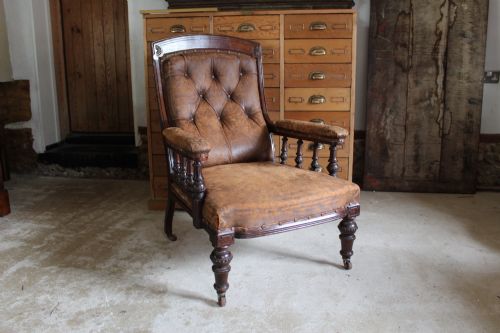
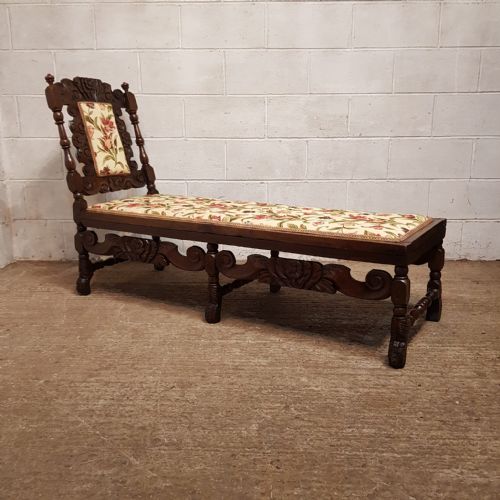
When you search for c1880 seating, you encounter a diverse array of furniture from the late Victorian period, spanning both modest country vernacular forms and ornate revival styles. The selection includes dining chairs, armchairs, daybeds, garden seats, and piano stools produced around eighteen-eighty.
Armchairs and dining chairs dominate the offerings, often appearing in matched pairs or larger sets suitable for dining rooms and firesides. Vernacular styles such as Windsor farmhouse chairs sit alongside polished walnut and mahogany parlour suites.
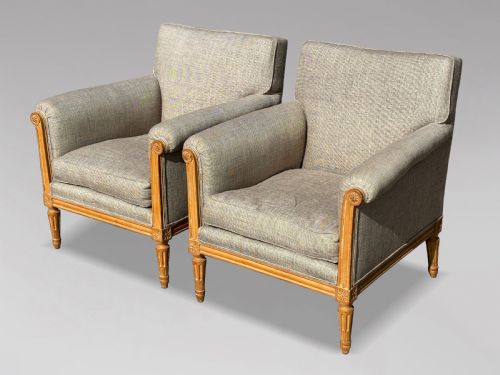
Origin influences form significantly, with English vernacular pieces sharing space with French Provincial designs and Louis XVI revival armchairs. Specialised items like revolving piano stools, folding campaign chairs, and childs chairs also feature in this late nineteenth-century grouping.
Materials and construction
Cabinet makers and vernacular joiners of this era utilised a robust mix of hardwoods including walnut, mahogany, oak, beech, ash, elm, and fruitwood. Structural integrity often relied on traditional turning, spindle work, and carved splats, supplemented by brass fittings where appropriate.
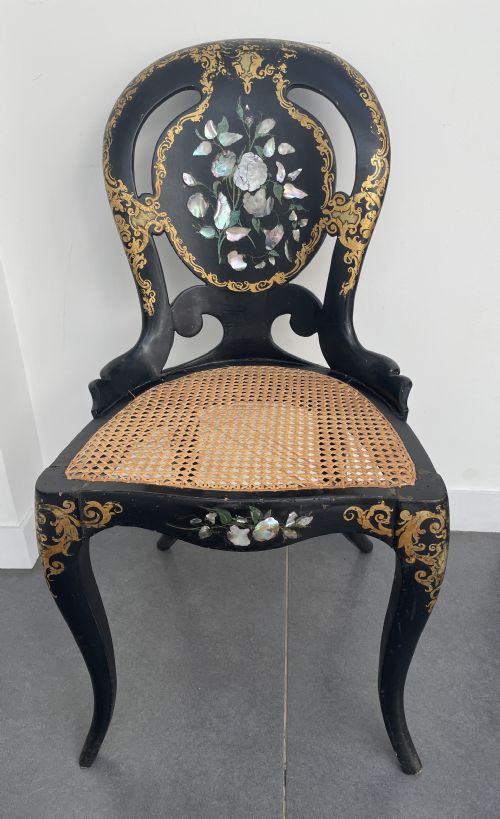
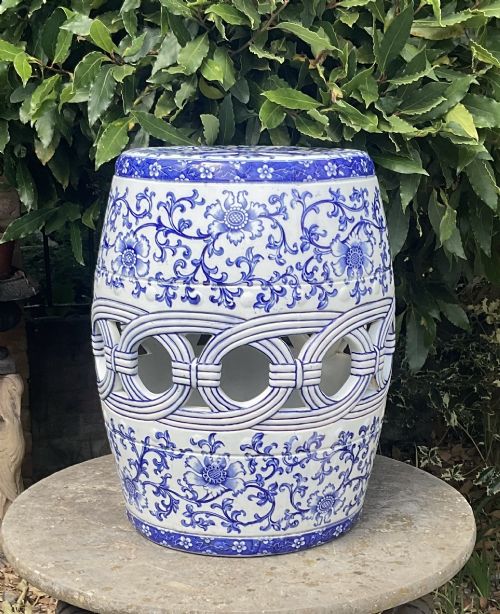
Upholstered items incorporated durable foundations of leather, woven leather, and various fabrics, frequently finished with buttoned backs or mother of pearl inlay. Pottery garden seats demonstrate the era's diversification into ceramic furnishings alongside traditional timber carpentry.
One exceptional entry bridges fine art and nursery furniture by featuring a childs chair linked to Liberty of London and Ford Maddox Brown.
Distinctions in quality
The distinction between standard utility furniture and superior examples lies in the selection of timber and the precision of hand-carved details. Dense, figured walnut and mahogany parlour chairs represent a higher tier of production compared to simpler utilitarian beech or ash farmhouse seating.
Original upholstery methods and the survival of integrated decorative elements like mother of pearl inlay or stamped maker attribution elevate certain pieces. The complexity of the joinery, from revolving piano mechanisms to intricate crown splat backs, determines the overall refinement of the item.
Minton·Liberty of London·Ford Maddox Brown·James Reilly
The C1880 Seating Glossary
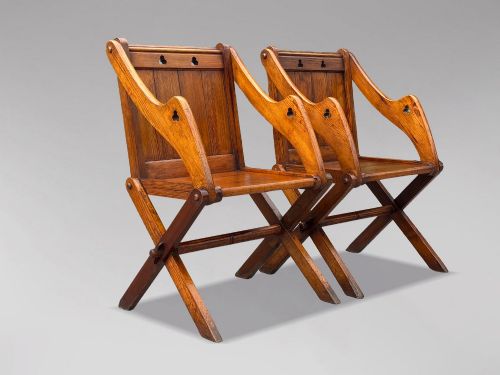
- Glastonbury armchair
- A low, X-framed chair with a sloping back and armrests, heavily associated with nineteenth-century Gothic revival design. This form draws inspiration from ancient ecclesiastical seating.
- Splat lathe back
- A chair back featuring a central vertical wooden strip, often shaped or pierced, flanked by turned spindles. This construction provides robust lumbar support in vernacular seating.
- Campaign chair
- A portable folding chair designed for military officers or travel, utilising hinged frames and flexible seats. These pieces combine lightweight practicality with sturdy hardwood construction.
- Crown splat
- A decorative wooden back panel carved or shaped into the silhouette of a crown. This motif appears frequently on formal dining chairs of the late Victorian era.
- Rush seat
- A seating surface woven from dried marsh rushes, creating a resilient and textured pad. This technique is typical of traditional country and vernacular chair making.
C1880 Seating: Frequently Asked Questions
What defines c1880 seating?
Furniture produced around eighteen-eighty spans the late Victorian era, encompassing both formal walnut dining suites and sturdy elm or beech country vernacular chairs.
Makers of this period combined traditional joinery techniques with revivalist aesthetics, resulting in diverse forms from revolving piano stools to Gothic revival armchairs.
How do I identify a Victorian armchair?
Victorian armchairs are typically distinguished by their use of dense hardwoods like mahogany and walnut, often featuring carved open arms, buttoned upholstery, or turned wooden supports.
Regional variations also include rush seats and woven leather, reflecting both formal parlour tastes and more rustic farmhouse traditions.
Were these chairs used outdoors?
While the majority of c1880 seating is designed for interior use around the dining table, fireside, or parlour, specific ceramic pieces served as garden seats.
These glazed pottery items provided durable seating options for conservatories and sheltered outdoor garden spaces during the late nineteenth century.
How do I care for antique wooden chairs?
Maintaining nineteenth-century timber requires keeping pieces away from direct heat sources and sudden humidity changes to prevent wood splitting and shrinkage.
Regular dusting with a dry cloth and occasional application of appropriate furniture wax helps preserve the polished finish on walnut and mahogany surfaces.