



C1880 Mirror
A c1880 mirror brings late nineteenth-century character and deep reflection into a room, offering immediate architectural scale and historic presence.
C1880 Mirror
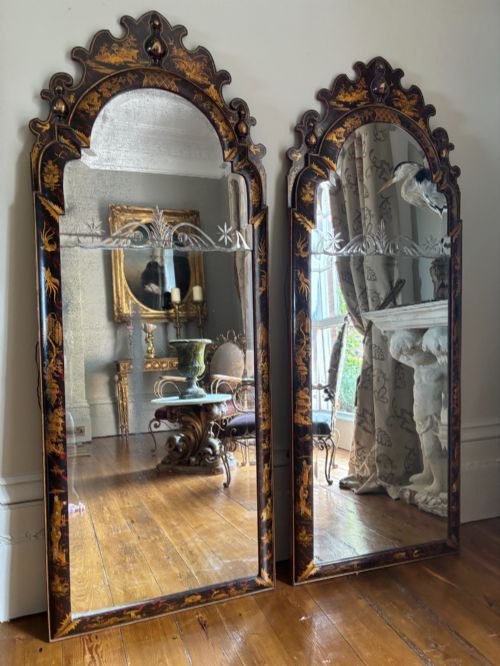
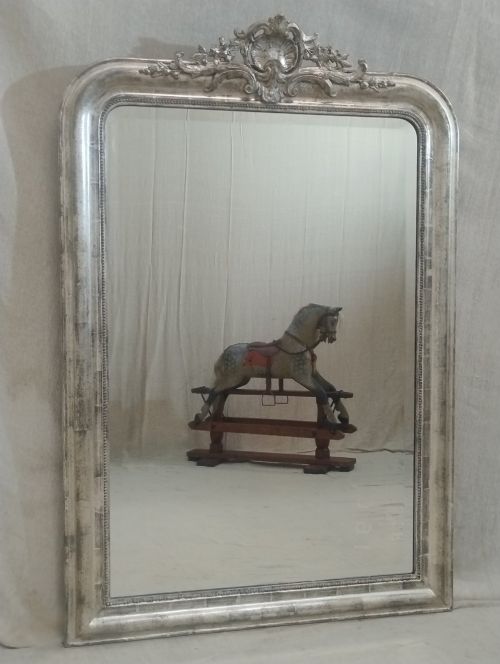
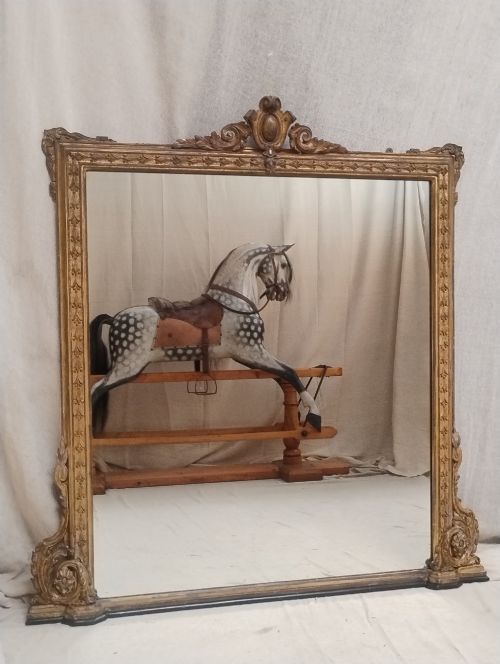
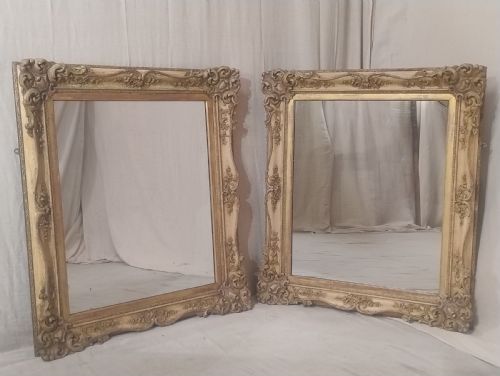
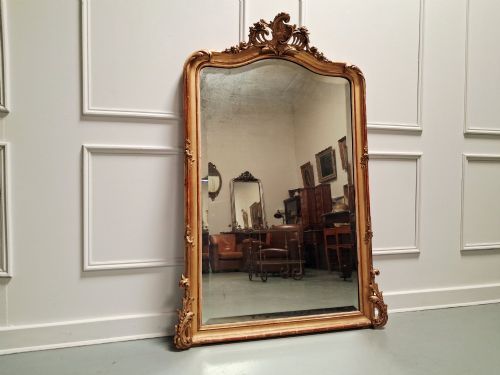
A c1880 mirror encompasses late Victorian and nineteenth-century pieces designed to anchor a room, ranging from large overmantel plates to smaller wall-hanging French designs. Buyers searching for a c1880 mirror most frequently encounter substantial giltwood frames, ornate crests, and architectural wall mirrors originating from French and English workshops.
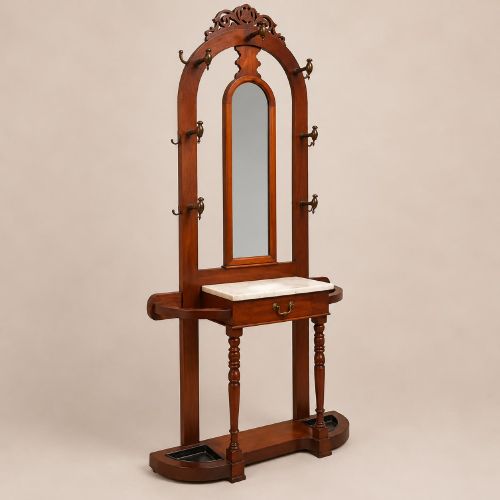
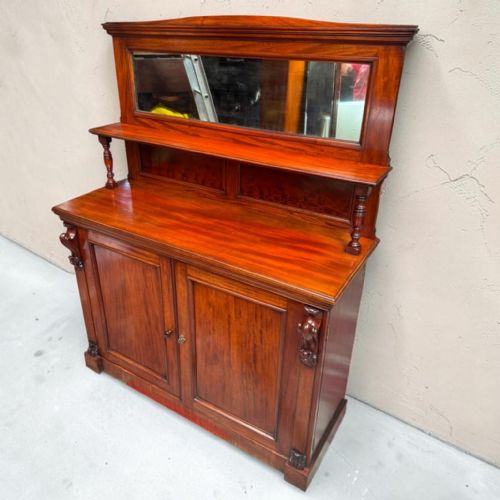
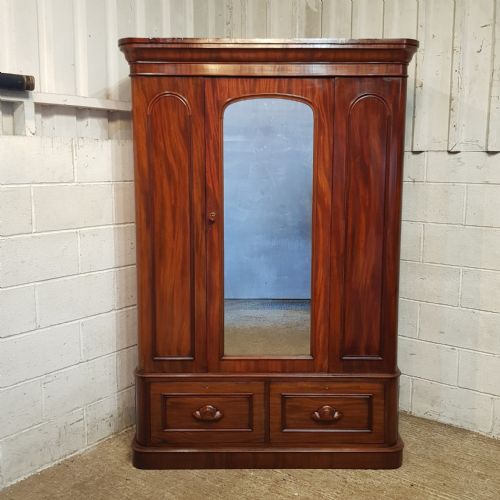
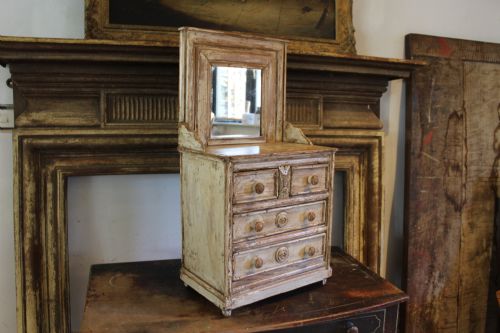
The selection extends beyond standard wall pieces into functional furniture items incorporating mirrored glass, such as mahogany dressing tables, cheval stands, and wardrobe door panels. These multi-functional pieces demonstrate how nineteenth-century cabinet makers integrated reflective surfaces into daily domestic furniture.
Stylistic variations span from Rococo Revival curves and French Louis influences to Chippendale revival fretwork and Arts and Crafts oak frames. Each piece reflects the revivalist tastes of the late nineteenth century, combining historic forms with contemporary nineteenth-century glass and construction methods.
How they were made
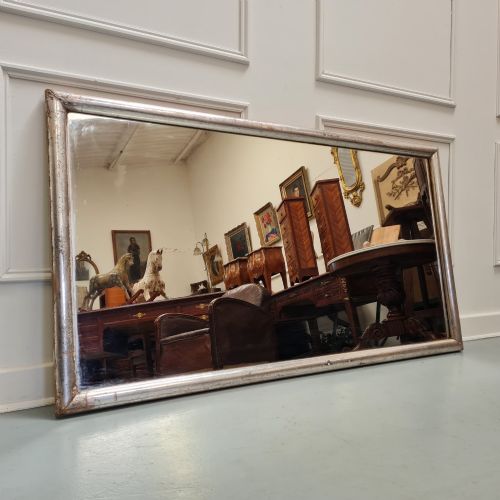
Frames rely heavily on carved wood foundations, often utilising mahogany, walnut, or pine as a structural base beneath applied ornamentation. Gilded pieces employ layers of gesso moulded onto the timber before receiving gold leaf or silver leaf application.
Moulders and carvers built up elaborate crests and decorative borders using plaster and gesso over wooden carcasses, particularly on French wall and overmantel examples. This technique allowed for intricate Rococo scrolls and camel cresting that define the period's aesthetic.
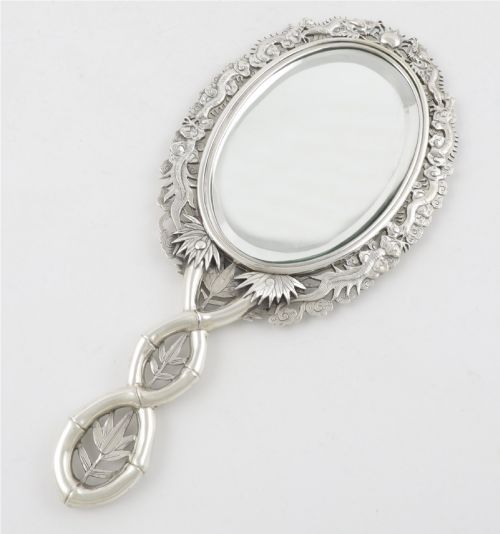
Reflective surfaces are secured within these heavy frames, occasionally featuring bevelled edges or silver plating as seen on specialised table plateaux. Joinery techniques on the associated furniture pieces utilise solid mahogany and pitch pine, reflecting robust Victorian workshop standards.
C1880 Mirror Retail Price Guide 2026
Typical asking prices for c1880 mirror among the pieces listed under this phrase on Sellingantiques today, from the lower quarter to the upper quarter. They describe what is for sale here now, not the wider market.
Listings for a c1880 mirror feature diverse materials including giltwood, gesso, mahogany, brass, and silver leaf, alongside French and Victorian styles.
What varies in quality
The distinction between standard domestic items and superior examples rests upon the depth of hand-carving in the wooden frames versus mass-produced composition ornament. High-end pieces display crisp, sharply defined gesso work and well-balanced proportions that integrate harmoniously with architectural interiors.
The integrity of the gilding and the preservation of the original reflective glass plate dictate the visual impact of the piece. Superior craftsmanship shows careful preparation of the underlying bole and leaf layers, maintaining lustre and texture over the decades.
Harris Lebus of London
The C1880 Mirror Glossary
- Giltwood
- Timber that has been coated with gold leaf or metal leaf over a prepared gesso ground. This finish provides the bright, reflective surface characteristic of many formal nineteenth-century frames.
- Gesso
- A plaster-like mixture applied to wood frames and moulded to create raised ornamental details. It serves as the smooth base for subsequent gilding.
- Overmantel mirror
- A large horizontal mirror designed specifically to hang on the wall directly above a fireplace mantelpiece. These pieces often feature elaborate crests to fill vertical wall space.
- Cheval mirror
- A freestanding full-length mirror suspended on a pivoting frame between two upright posts. They typically utilise turned wooden supports and heavy bases for stability.
- Silver leaf
- A fine metallic leaf applied to frame surfaces as an alternative to gold, producing a cooler, brighter tone. It appears frequently on French regional and bistro mirrors of the era.
C1880 Mirror: Frequently Asked Questions
How do I hang a heavy c1880 overmantel mirror?
Substantial overmantel frames require professional wall anchoring into masonry or timber studs to support their considerable weight safely. Ensure the hanging wire or fixing brackets engage directly with the structural core of the wall rather than plaster alone.
Position the mirror at a height that reflects natural light from windows across the room, enhancing both the illumination and the sense of space. Proper placement transforms the architectural proportions of the interior.
Where should I place a cheval mirror?
Freestanding cheval mirrors function best in bedrooms or dressing rooms where full-length reflection is practical. Their pivoting frames allow you to adjust the viewing angle to suit the room's lighting.
Keep them away from direct, harsh sunlight to protect the wooden floor-standing base and any delicate finishes. A stable floor surface ensures the heavy swing frame operates smoothly.
What is a French bistro mirror?
A French bistro mirror is a commercial-style wall glass from the late nineteenth century, typically characterised by a simple gilt or silvered frame. These pieces originally hung in public dining rooms to brighten and expand intimate spaces.
Today, they adapt easily to domestic hallways and kitchens, bringing an unpretentious, industrial-edge elegance to contemporary interiors. Their robust construction suits everyday placement in busy household zones.