



C1850 Table
A c1850 table brings mid-nineteenth century cabinet-making directly into a room, offering both practical surface space and distinct period character.
C1850 Table
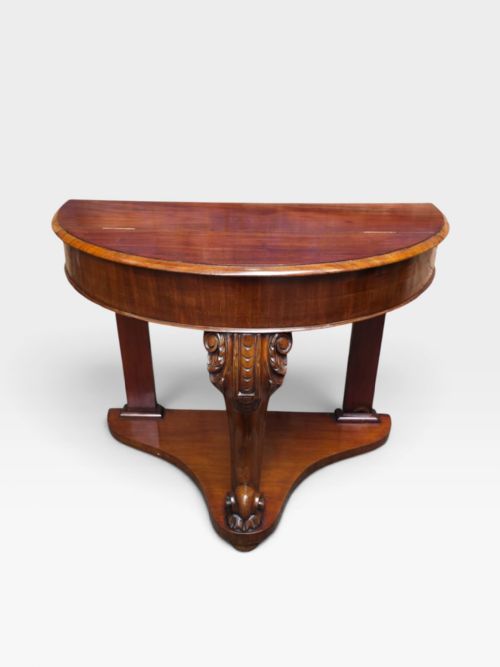
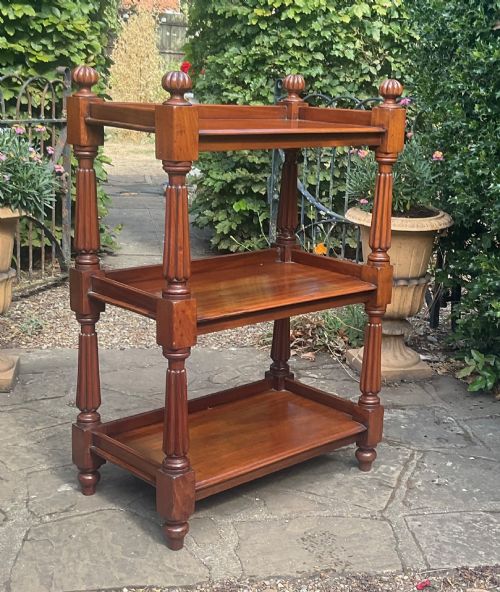
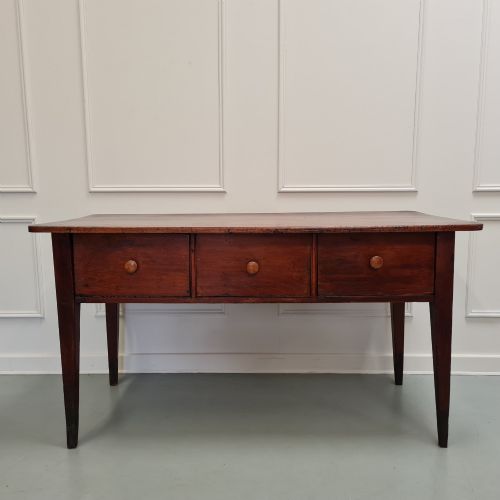
When searching for a c1850 table, a buyer encounters a diverse group of mid-nineteenth century and Victorian pieces that reflect the domestic furniture designs of the era. These items span from console and centre tables to drop-leaf, serving, and etagere forms.
The versions most likely to be met on this page include mahogany centre tables and console tables from the Victorian period, alongside English country and French-influenced styles. Woods such as oak, walnut, pine, and fruitwood frequently appear across the selection.
How they were made
These tables were constructed primarily from hardwoods and softwoods, utilising timbers like mahogany, burr walnut, oak, fruitwood, and pine. Surface treatments range from polished wood finishes to original paint applications.
Decorative elements incorporate materials such as marble, ormolu, and gilt bronze, depending on the stylistic influence, whether English country or French Rococo Revival.
C1850 Table Retail Price Guide 2026
Typical asking prices for c1850 table among the pieces listed under this phrase on Sellingantiques today, from the lower quarter to the upper quarter. They describe what is for sale here now, not the wider market.
Listings for a c1850 table span the Victorian period, incorporating materials from mahogany and burr walnut to marble and original paint.
What varies in quality
Quality in a c1850 table is determined by the selection of timber, such as figured mahogany or burr walnut, and the precision of the joinery. Pieces retaining original paint or finer decorative mounts display greater craftsmanship.
Proportion and structural integrity separate standard utility furniture from more ambitious urban or estate pieces produced during the Victorian period.
Vion and Baury·WH and Sch
The C1850 Table Glossary
- Centre table
- A freestanding table designed to be viewed from all sides, typically placed in the middle of a room during the nineteenth century.
- Console table
- A table fixed or placed against a wall, often supported by brackets or console legs, commonly found in Victorian reception rooms.
- Drop leaf table
- A table with hinged flaps on either side that can be raised to expand the surface area or lowered when space is restricted.
- Ormolu
- Gilded bronze used for decorative mounts and decorative details on furniture and lighting fixtures from the period.
- Etagere
- A piece of furniture consisting of a set of open shelves for displaying small objects, appearing in three-tier formats during this era.
C1850 Table: Frequently Asked Questions
What defines a c1850 table?
A c1850 table originates from the mid-nineteenth century, encompassing Victorian, William IV, and continental styles. These pieces showcase the transition of domestic design traditions during a period of industrial and stylistic change.
They appear in various forms, including centre tables, drop-leaf tables, and console tables, utilising woods such as mahogany, oak, and walnut.
Where were these tables placed?
Centre tables sat in the middle of principal reception rooms as ornamental and functional focal points. Console tables stood against walls in hallways or parlours, often beneath mirrors.
Drop-leaf tables provided flexible dining or work surfaces in smaller domestic spaces, while etageres held ornaments and books.
How do I care for a nineteenth-century wooden table?
Keep wooden surfaces away from direct heat sources and strong sunlight to prevent the timber and veneers from drying out or splitting. Dust regularly with a soft, dry cloth rather than using silicone-based polishes.
Wax can be applied occasionally to nourish polished hardwoods like mahogany and walnut, preserving the finish.
How can I tell a Victorian table apart from earlier pieces?
Mid-nineteenth-century furniture often displays heavier proportions and revivalist influences, such as Rococo Revival curves or French Empire details. Machinery began to assist hand woodworking during this era, leading to distinct construction marks.
Timber choices also shifted, with burr walnut and mahogany becoming prominent alongside traditional oak and fruitwood.