

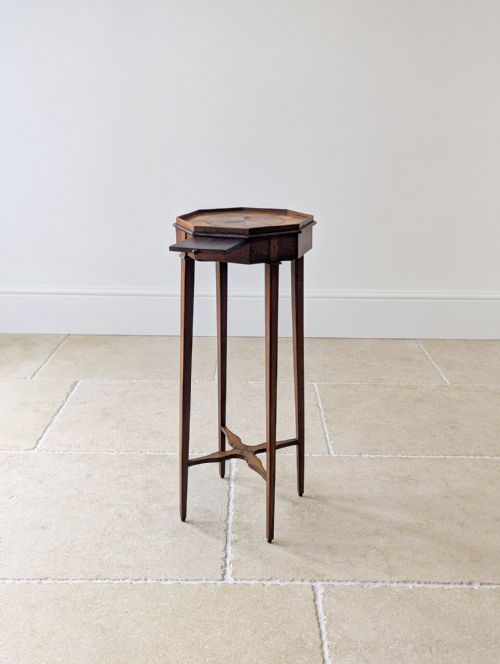

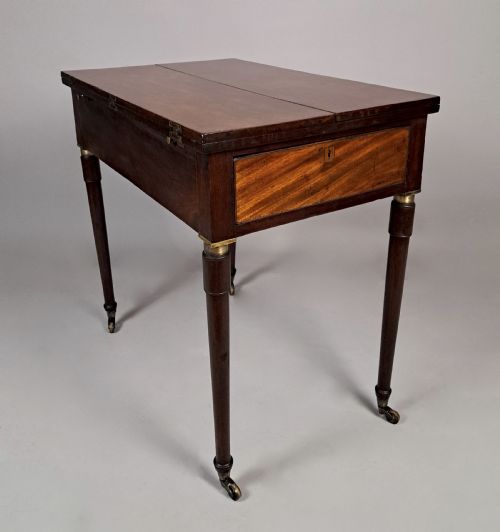


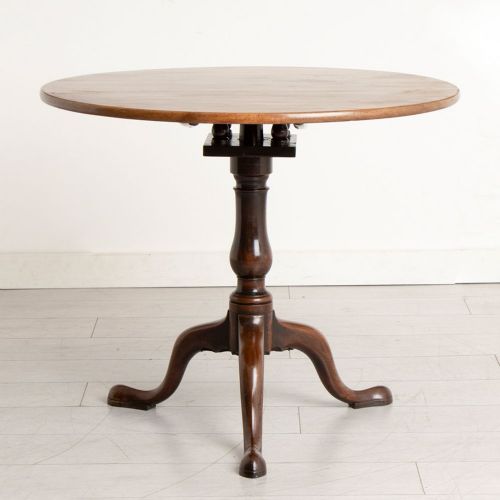
C 1780 Table
When you search for a c 1780 table, you enter the late Georgian era of fine mahogany, oak, and walnut craftsmanship.
C 1780 Table
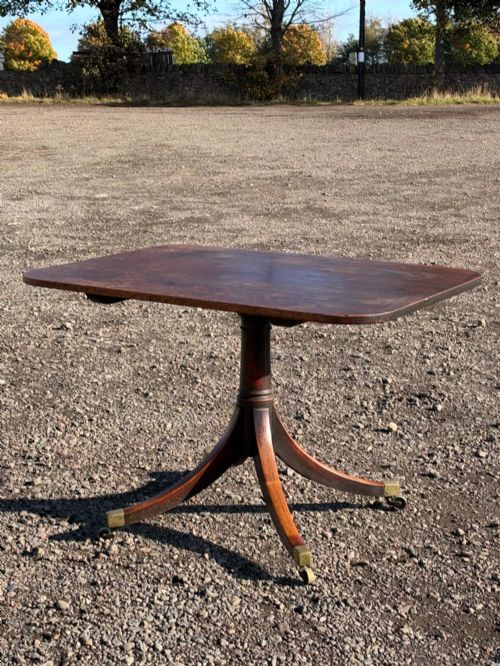
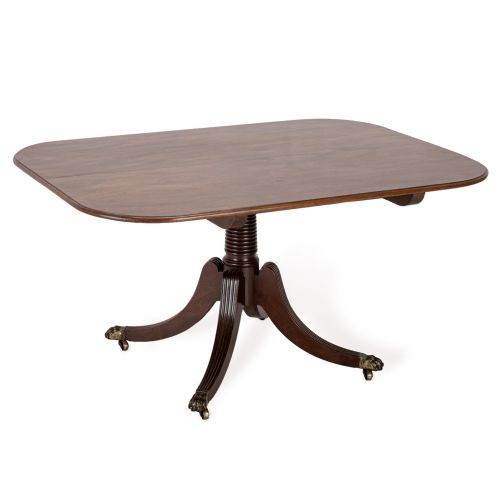
A c 1780 table represents the height of 18th Century cabinet making, spanning formal dining pieces to modest country side tables. When exploring this selection, a buyer encounters everything from tilt-top tripod tables and card tables to robust oak lowboys and grand library desks.
The George III period dominates the offerings, alongside regional English, Welsh, and Dutch Georgian pieces executed in rich timbers. These domestic and reception items reflect the refined interior standards of the late 1700s, designed for utility and elegance in equal measure.
How they were made
Cabinet makers relied heavily on solid mahogany, burr walnut, and oak, frequently employing veneers and feather banding to accentuate grain patterns on drawer fronts and tabletops. Secondary timbers such as boxwood appeared in delicate inlay work, while brass fittings provided functional hinges, handles, and casters.
Joinery methods of the period prioritized stability and movement, utilising pegged mortise and tenon frames, dovetails for drawer construction, and sophisticated tilt-top mechanisms using brass catches. Timber was selected for density and figure, then hand-planed and finished with traditional polishes to protect the wood.
C 1780 Table Retail Price Guide 2026
Typical asking prices for c 1780 table among the pieces listed under this phrase on Sellingantiques today, from the lower quarter to the upper quarter. They describe what is for sale here now, not the wider market.
Listings feature prominent use of dense mahogany, figured walnut, and robust oak across diverse forms from side tables to library desks.
What varies in quality
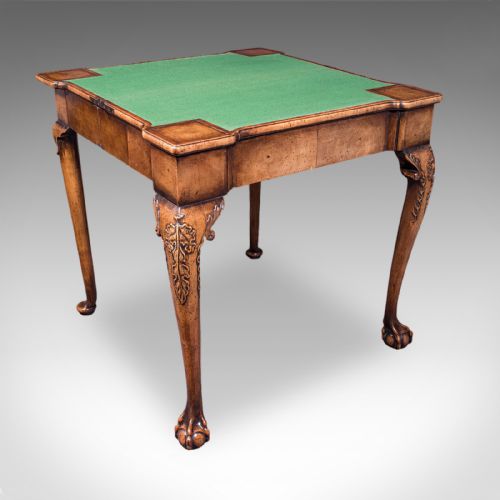
Quality rests upon the choice of timber and the restraint of the carving, where master workshops demonstrated superior depth in cockbeading, fretted aprons, and claw and ball feet. Fine figure in the mahogany or burr walnut veneer elevates a piece far above utilitarian examples made from plain stock.
The integrity of the original mechanism - whether a smooth bird cage tilt-top action or intact George Rex desk locks - distinguishes a superior survival from a heavily altered example. Proportion, crispness of edge detail, and the retention of original brass hardware define the upper tier of these works.
Stalker & Mitchison·Gillows·John Taylor
The C 1780 Table Glossary
- Lowboy
- A small side table with drawers, typically used as a dressing or writing desk in 18th Century interiors.
- Tilt-top table
- A round or octagonal occasional table featuring a hinged mechanism that allows the top to fold vertically when not in use.
- Feather banding
- An ornamental inlay technique using veneers cut diagonally across the grain to form a herringbone pattern around the edges of drawer fronts.
- Dumbwaiter
- A multi-tiered serving table, usually round with graduating shelves supported on a central pillar and tripod legs.
- Bird cage
- A rotating wooden block and pivot mechanism beneath a tabletop that allows it to turn and tilt simultaneously.
C 1780 Table: Frequently Asked Questions
How do I identify a c 1780 table?
Examine the timber selection, construction joints like hand-cut dovetails, and stylistic markers typical of the George III period. Late 18th Century pieces often feature dense mahogany or walnut, distinct patination, and specific leg configurations such as tapering or cabriole supports.
Hardware and secondary woods also offer vital clues. Hand-forged screws, oak drawer linings, and original brasses help anchor a piece firmly within the seventeen-eighties timeframe.
Where were these tables used?
These tables served diverse functions across the Georgian home, from formal dining rooms and libraries to reception halls and intimate card rooms. Smaller occasional tables and lowboys found places in bedrooms and parlours for writing or display.
Larger formats, including Pembroke and extending dining tables, accommodated guests during evening meals. Specialised forms like games tables with folding leaves catered specifically to domestic leisure and card playing.
How should I care for a walnut table?
Keep antique walnut away from direct sunlight and strong heat sources to prevent the timber and delicate veneers from drying out or cracking. Maintain a stable indoor climate with moderate humidity to protect the aged wood.
Apply traditional beeswax occasionally to nourish the surface and preserve the natural lustre. Avoid modern silicone sprays or excessive moisture during routine cleaning.
What is a bird cage mechanism?
A bird cage is a clever wooden framework placed beneath the top of a tripod table, combining a revolving pivot with a tilting hinge. This allows the surface to both spin horizontally and tip vertically for compact storage against a wall.
Cabinet makers of the Georgian era engineered these assemblies with tight tolerances using hard woods. A well-preserved bird cage operates smoothly without excessive wobbling in the tabletop.