


Buttoned Daybed
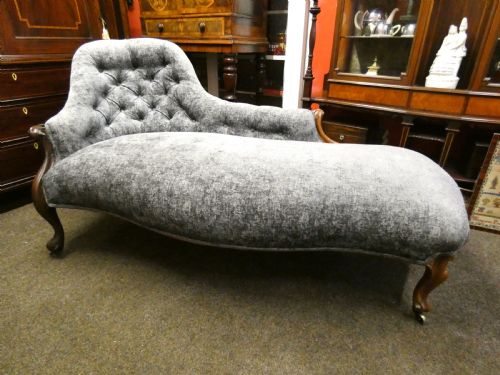
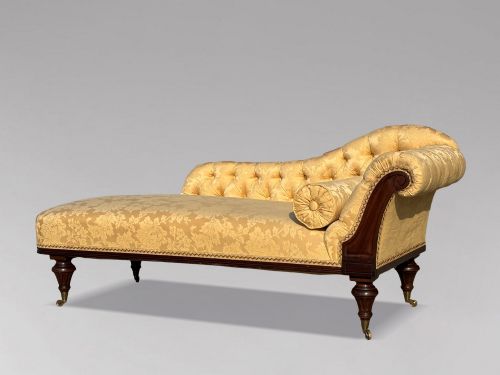
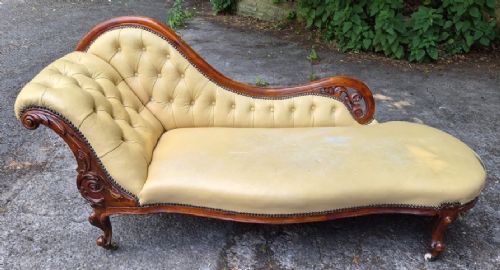
A buttoned daybed brings nineteenth-century elegance and reclining comfort into a room through deeply tufted upholstery and timber frames.
Buttoned Daybed
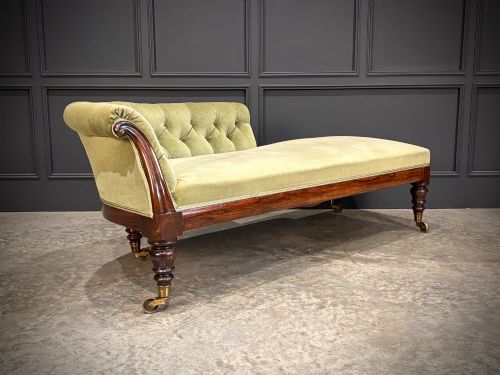
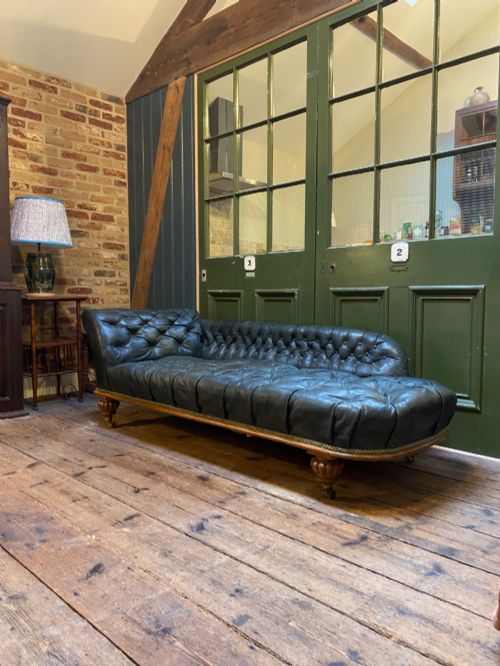
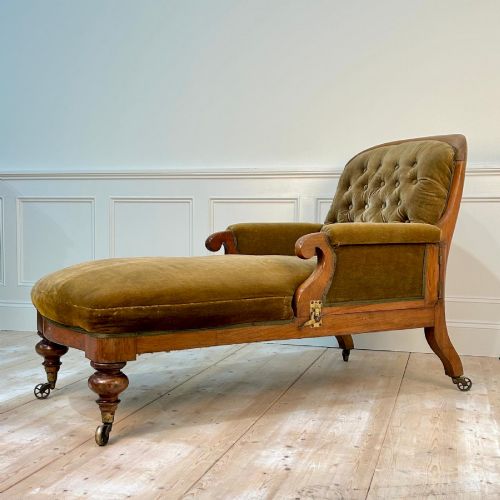
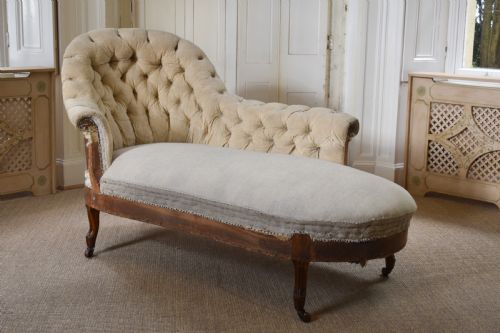
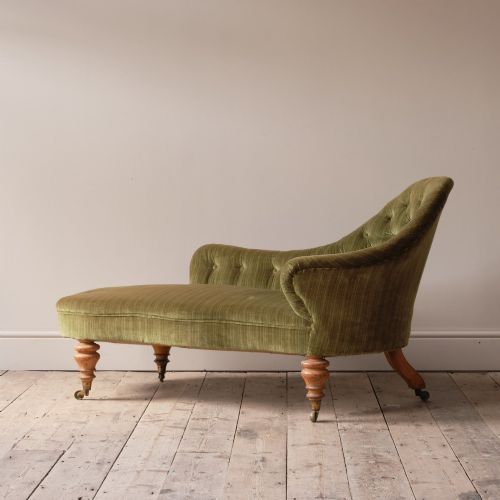
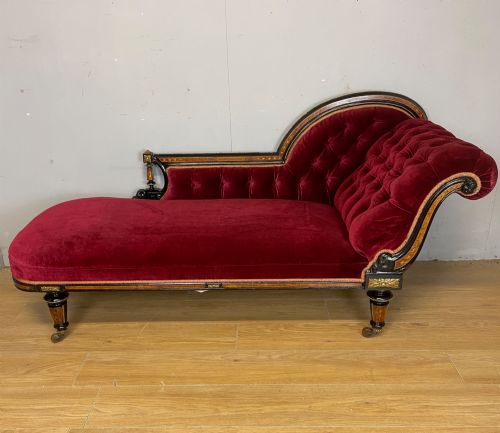
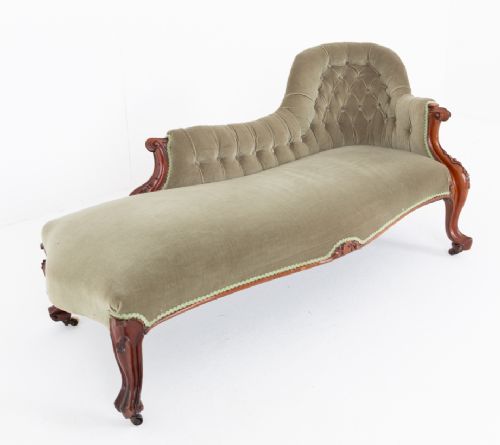
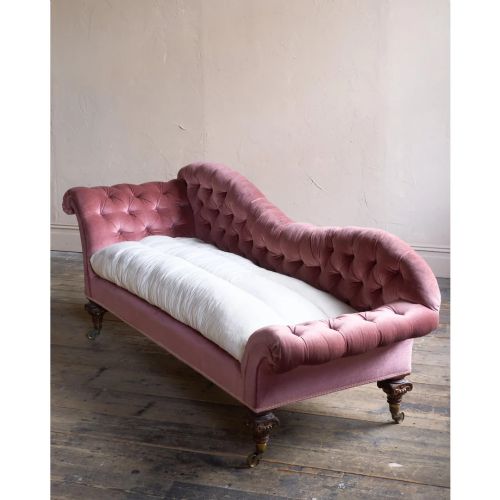
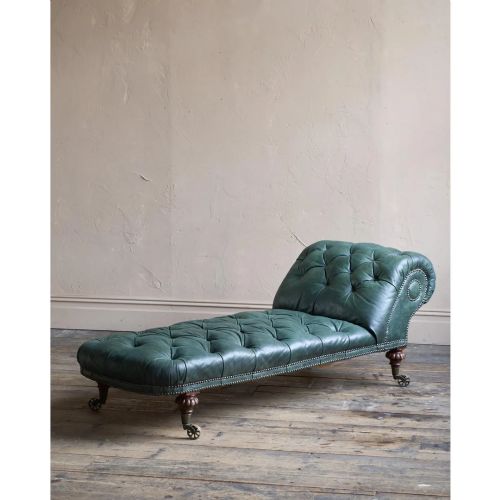
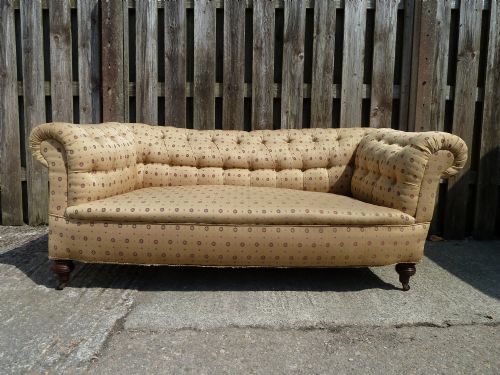
When you search for a buttoned daybed, you encounter nineteenth-century seating designed for reclining in the parlour or drawing room. The pieces on this page span the Victorian era, Regency period, and William IV styles, taking forms such as chaise longues, scroll end settees, and chesterfields.
You are most likely to meet Victorian examples framed in mahogany or rosewood, often featuring characteristic button-backed upholstery in velvet, leather, or damask. These forms combine the functions of a sofa and a bed, offering a single raised end for resting the head.
Materials and Construction
Cabinet makers utilised dense timbers like mahogany, walnut, and rosewood for the structural frames, sometimes adding ebonised finishes, ormolu mounts, or intricate carved details. These hardwoods provided the necessary strength to support elongated scroll ends and open arms.
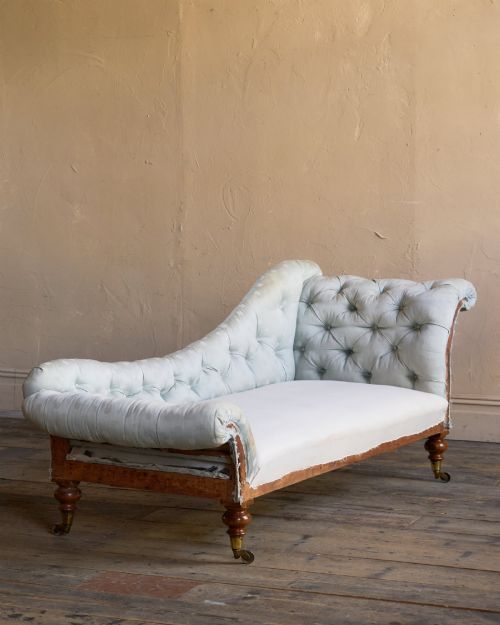
The characteristic tufting required skilled upholstery techniques, securing the fabric deep into the stuffing with buttons to create distinct diamond patterns. Frames frequently incorporated turned legs, ionic column supports, or ceramic castors for mobility.
Buttoned Daybed Retail Price Guide 2026
Typical asking prices for buttoned daybed among the pieces listed under this phrase on Sellingantiques today, from the lower quarter to the upper quarter. They describe what is for sale here now, not the wider market.
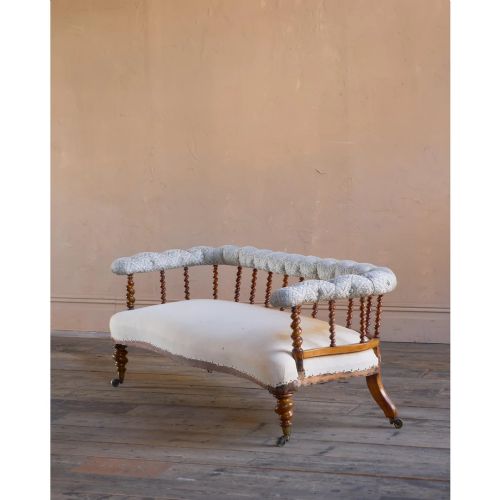
Even miniature ebonised daybeds received meticulous button tufting, proving that Victorian comfort came in all scales.
Distinctions in Quality
The finest examples display crisp, hand-carved woodwork on the show-frame and well-defined scroll ends that balance proportion with structural integrity. Superior pieces retain dense, supportive traditional stuffing beneath the leather or velvet upholstery rather than saggy modern foam.
Maker attribution separates standard workshop output from exceptional commissions, with pieces bearing stamps from notable cabinet makers commanding greater attention. The precision of the buttoning work and the richness of the timber grain further elevate the standing of a piece.
C. Hindley & Sons·Howard & Sons·H. Goodall & Sons·Holland & Sons·Miles & Edwards·Jas Shoolbred
The Buttoned Daybed Glossary
- Button back
- Upholstery style featuring deep tufting secured by fabric or leather-covered buttons arranged in a geometric diamond pattern. This technique keeps internal stuffings evenly distributed while adding textural depth.
- Chaise longue
- An elongated seated piece of furniture for reclining, combining the qualities of a chair and a sofa. Most period versions feature a single raised headrest at one end.
- Scroll end
- A sweeping, curved wooden or upholstered arm termination resembling a rolled scroll. It often defines the headrest or foot end of nineteenth-century daybeds.
- Ormolu
- Gilded bronze or brass ornamentation applied to furniture frames for decorative contrast. It appears frequently on finer French-influenced nineteenth-century pieces.
- Double spoonback
- A chair or settee backrest shaped like two hollowed spoons placed side by side. The curving wooden frames enclose padded upholstered panels.
Buttoned Daybed: Frequently Asked Questions
Where should a buttoned daybed go?
These pieces suit drawing rooms, large bedrooms, or studies where their elongated form can sit against a wall or float in a spacious interior. Their asymmetrical profiles make them effective room dividers or reading seats.
Position them away from direct sunlight to protect sensitive fabrics like velvet and leather from fading over time.
How do I care for leather upholstery?
Maintain leather surfaces by dusting regularly with a soft, dry cloth and applying appropriate leather balms periodically to prevent drying. Avoid placing the daybed near direct heat sources which can cause cracking.
Professional cleaning is recommended for antique textiles and buttoned tufting to preserve the internal stuffing and tension.
How do I date a nineteenth-century daybed?
Examine the timber species, leg turnings, and framing styles to establish the period, noting that Regency pieces often feature bolder scrollwork while early Victorian items favour rosewood and mahogany. Castor types, joinery methods, and upholstery tack styles also offer clues to the decade of manufacture.
Maker stamps or paper labels found underneath the frame provide the most precise indication of origin.