

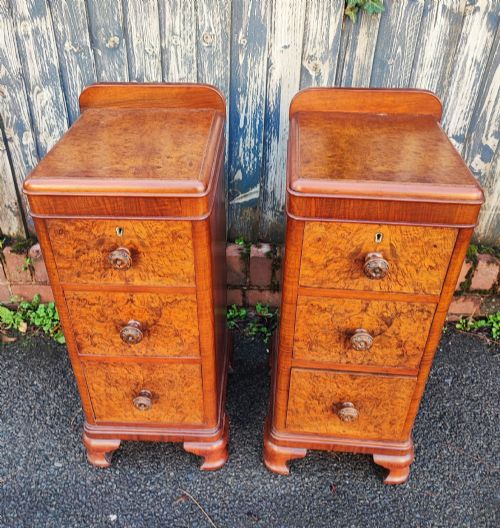
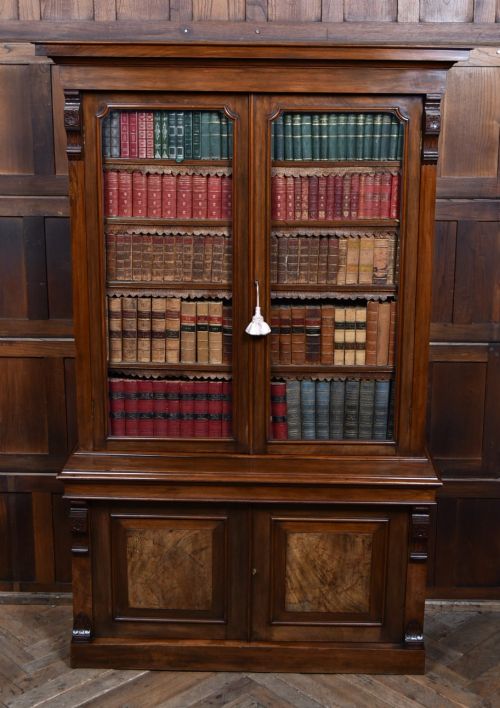
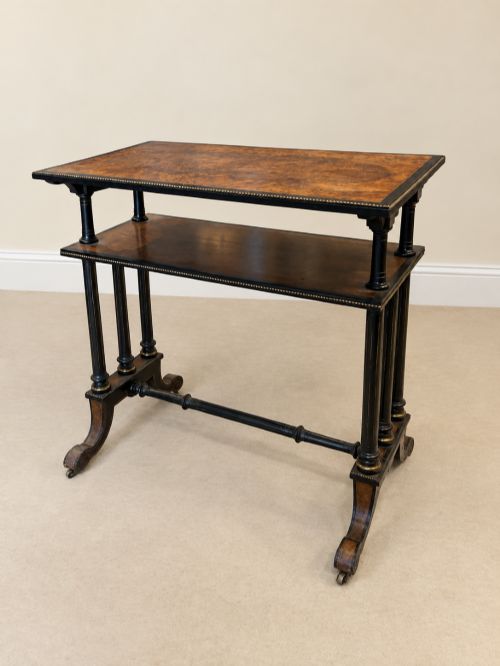
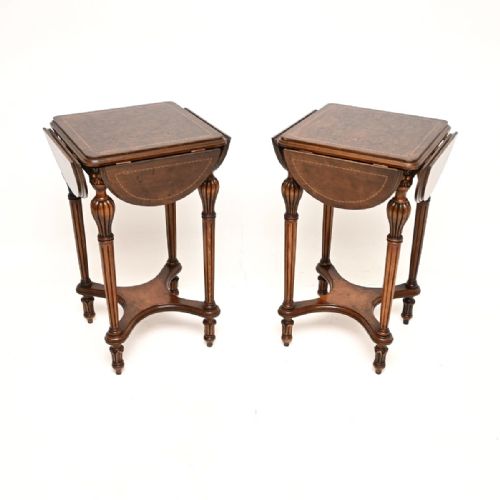

Burr Walnut Wood Cabinet
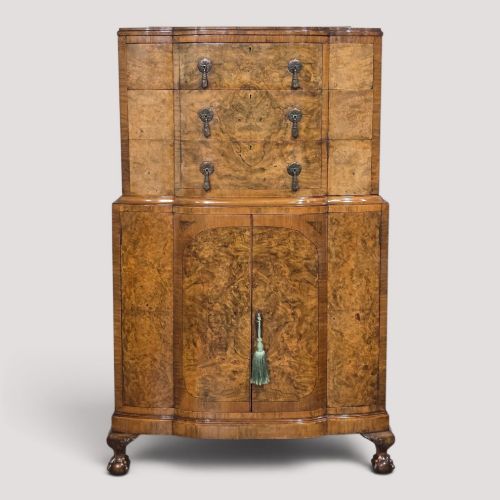
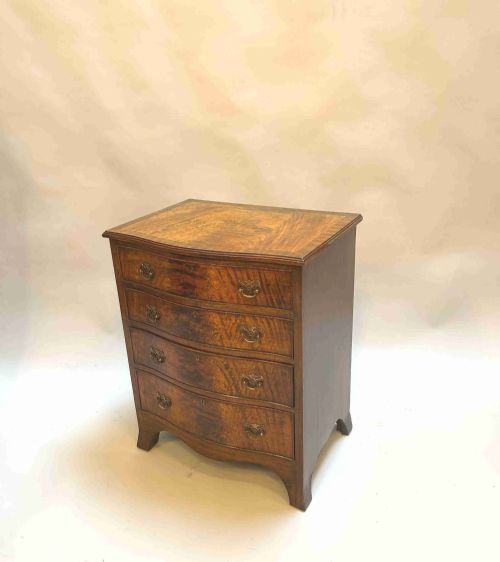
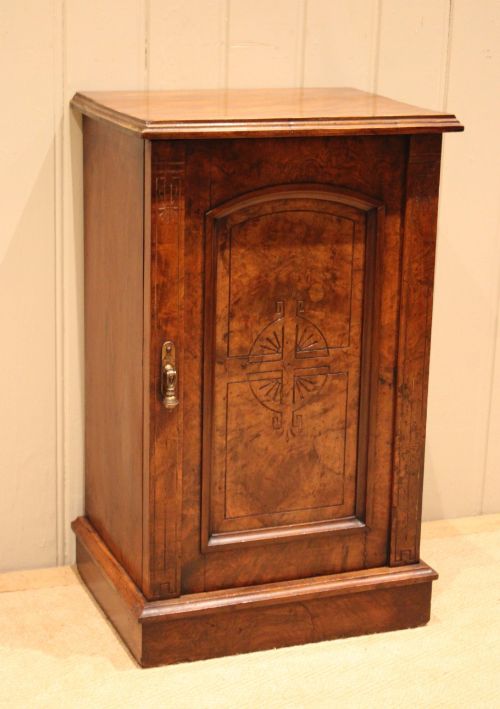
A burr walnut wood cabinet brings swirling, highly figured grain and rich warmth into a room.
Burr Walnut Wood Cabinet
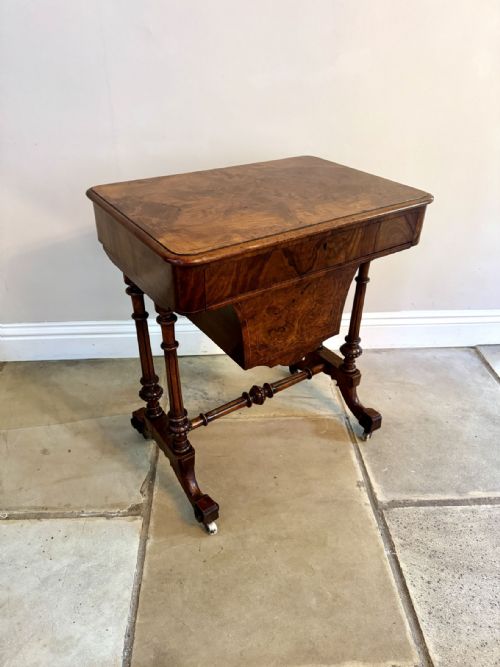
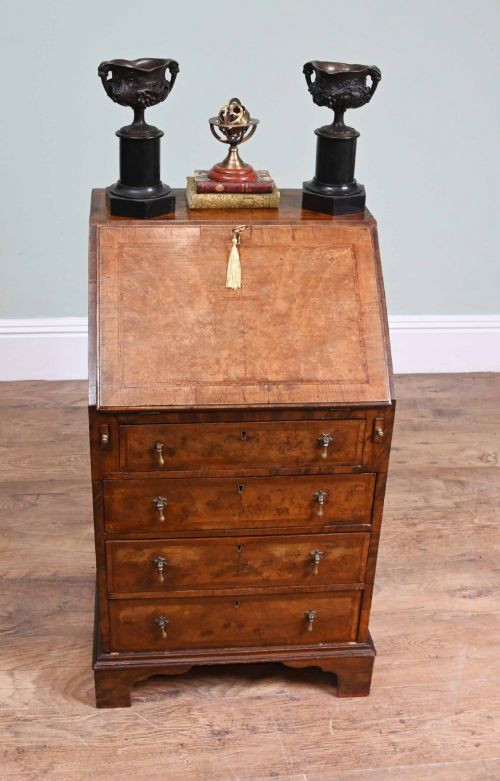
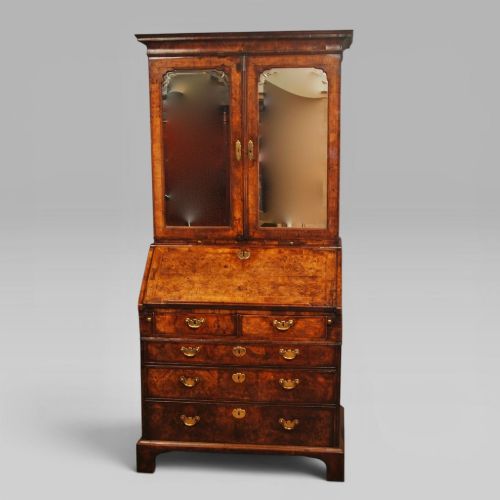
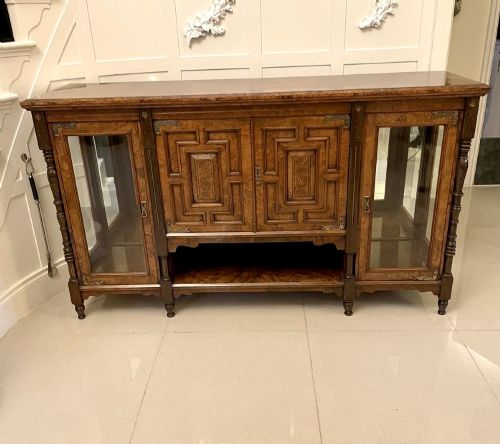
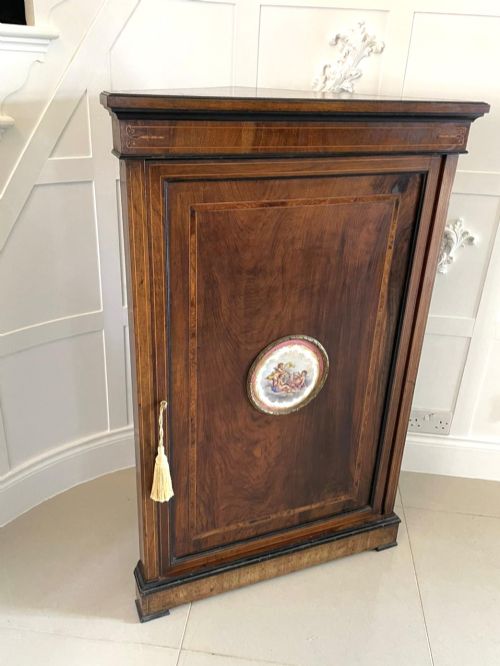
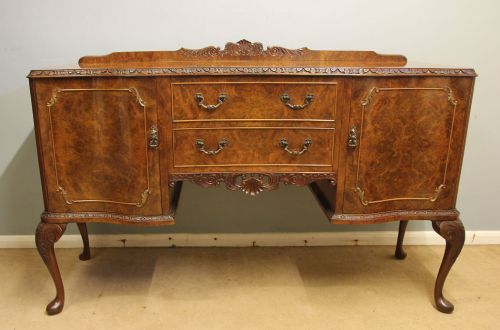
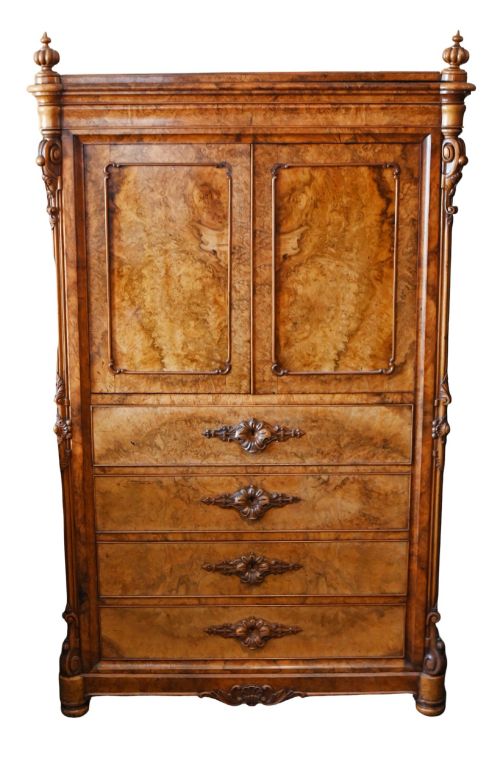
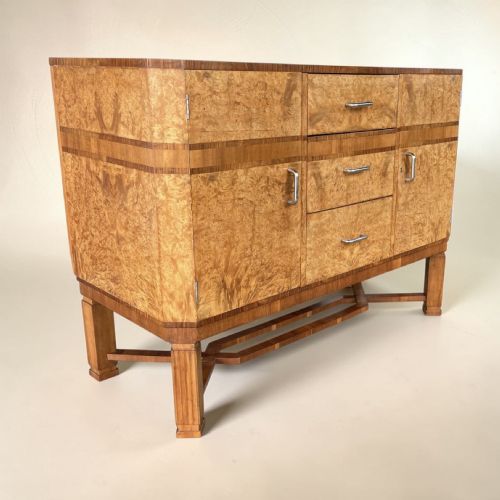
When you search for a burr walnut wood cabinet, you encounter diverse forms ranging from Victorian credenzas and salon cabinets to Art Deco drinks cabinets and Edwardian sideboards. These pieces serve as functional storage while displaying intricate wooden figures that draw the eye.
The selections span multiple eras, with Victorian and Art Deco pieces appearing most frequently alongside Georgian and Edwardian examples. Buyers typically find bedside cabinets, cocktail bars, and bookcases constructed from this distinctive material.
Makers utilised the natural growths of the walnut tree to create striking patterns on doors and drawer fronts. Each piece offers a distinct visual texture rooted in historical cabinet-making traditions.
Materials and Construction Techniques
Cabinet-makers applied thin slices of burr walnut veneer over solid secondary timbers to showcase the chaotic, swirling grain patterns formed at the tree's root or junction. Artisans often combined this figured veneer with contrasting hardwoods, brass hardware, and glass panels.
Structural integrity relied upon traditional joinery techniques, while decorative flourishes sometimes included marquetry inlay, ormolu mounts, and polished finishes. The underlying carcase typically utilised firmer woods to support the delicate decorative outer surfaces.
Burr Walnut Wood Cabinet Retail Price Guide 2026
Typical asking prices for burr walnut wood cabinet among the pieces listed under this phrase on Sellingantiques today, from the lower quarter to the upper quarter. They describe what is for sale here now, not the wider market.
Some cocktail cabinets arrive with rotating mechanisms so you can spin your gin collection into view with a flick of the wrist.
Distinctions in Craftsmanship
The distinction between ordinary and exceptional pieces rests upon the density and symmetry of the burr walnut figuring across the primary surfaces. Superior examples display carefully matched grain patterns that mirror across doors and drawers.
Finishing techniques and the crispness of secondary details, such as inlaid banding or carved cabriole legs, further separate standard production from master craftsmanship. Original hardware and sound structural preservation elevate the standing of any given piece.
Epstein
The Burr Walnut Wood Cabinet Glossary
- Burr Walnut
- A wood harvested from the wart-like growths on walnut trees, yielding highly ornamental swirling patterns. It is sliced into thin veneers for furniture exteriors.
- Credenza
- A low-profile side cabinet traditionally used for storing silverware or serving food, frequently fitted with glass doors or enclosed cupboards.
- Marquetry
- The art of applying small pieces of veneer to a structure to form decorative patterns and pictures. Craftsmen use various woods to achieve tonal contrast.
- Compactum
- A large wardrobe designed with multiple internal compartments, drawers, and hanging spaces to maximise storage efficiency. These pieces offer comprehensive organisation.
- Serpentine Front
- A furniture front characterised by a concave central section flanked by two convex curves, creating a gentle wave shape. This contour requires precise woodworking skill.
Burr Walnut Wood Cabinet: Frequently Asked Questions
What is a burr walnut wood cabinet?
A burr walnut wood cabinet is a storage piece surfaced with highly figured veneer taken from the knotted growths of walnut trees. These cabinets range from Victorian glazed bookcases to Art Deco drinks units.
The swirling patterns make each item visually unique. They function as both practical furniture and decorative centrepieces.
How do I care for a burr walnut cabinet?
Keep your cabinet away from direct sunlight and radiators to prevent the delicate veneer from drying out or splitting. Dust gently with a soft cloth and apply appropriate wax sparingly.
Avoid using modern chemical sprays or placing damp items on the polished wooden surfaces. Proper humidity control ensures the wood remains stable.
Where were these cabinets placed originally?
Victorian and Edwardian examples usually stood in drawing rooms, salons, or bedrooms to hold books, linens, or personal items. Art Deco cocktail cabinets found homes in dining spaces and entertainment rooms.
Their decorative nature meant they were meant to be seen by guests rather than hidden away. They added status and warmth to traditional interiors.
How can I tell the period of a cabinet?
Examine the overall silhouette, leg style, and construction methods used inside the drawers and carcase. Victorian pieces often feature heavy serpentine shapes or marquetry, whilst Art Deco versions show streamlined geometry.
Secondary woods and hardware styles also offer clear clues to the decade of manufacture. Comparing proportions helps confirm whether a piece is Georgian, Victorian, or 20th century.