

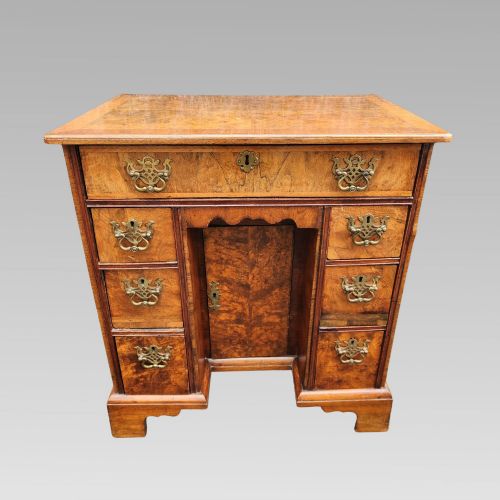


Burr Walnut Veneer Table
A burr walnut veneer table brings together rich, swirling grain patterns and practical forms that suit both period and modern interiors.
Burr Walnut Veneer Table
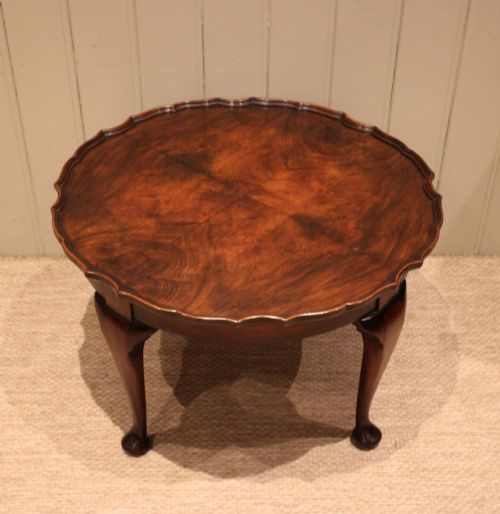
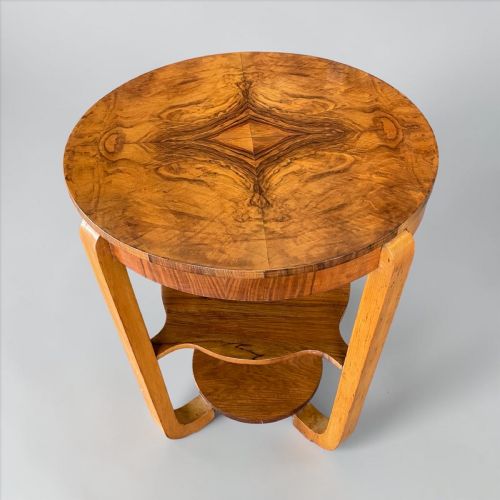
A burr walnut veneer table showcases the intricate and swirling grain patterns derived from the growth growths of the walnut tree. These pieces span several distinct periods, with significant representation from the Art Deco era and the nineteenth century alongside revival styles.
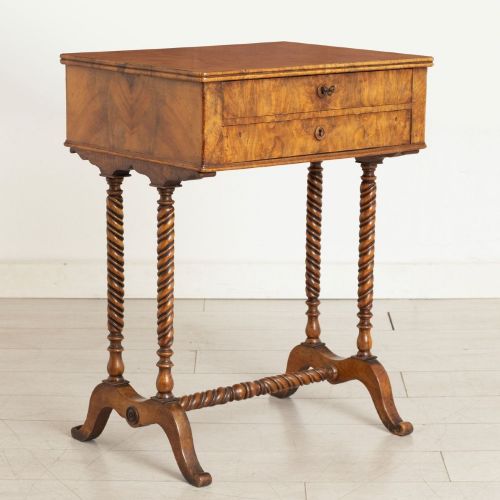
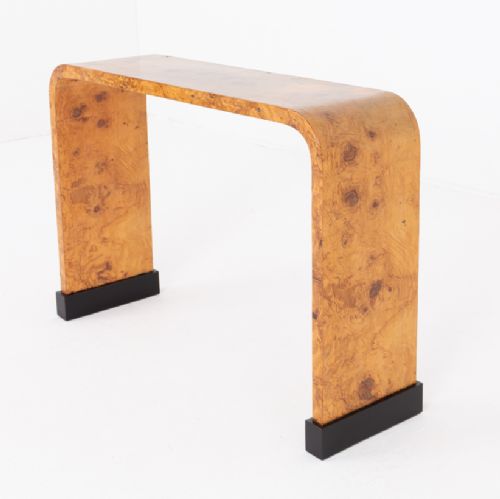
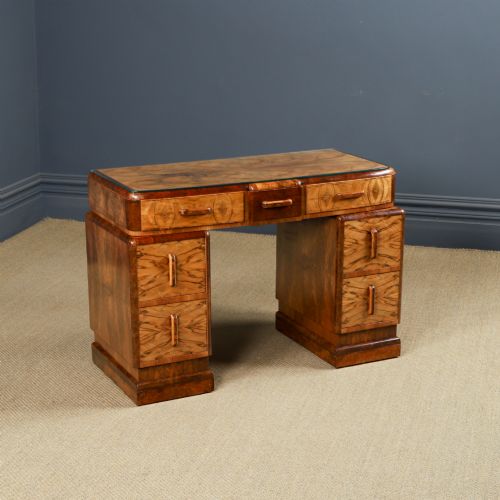
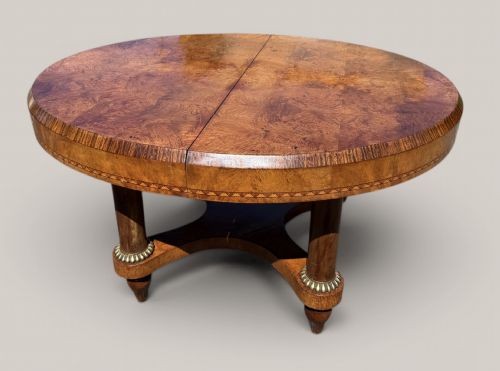
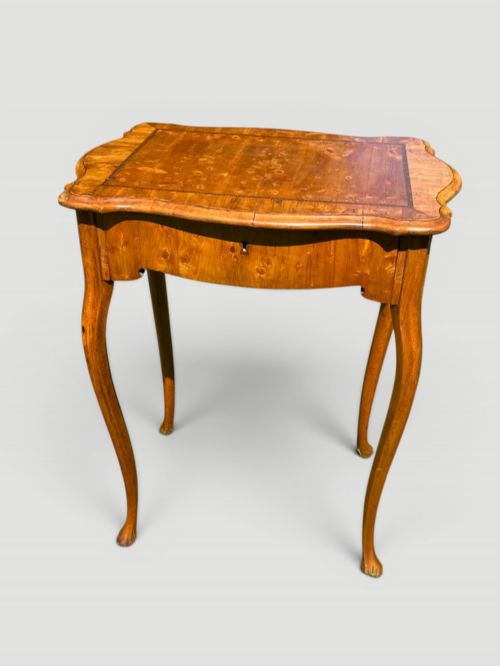
The selection ranges widely in function, from large extending dining tables and writing desks to compact occasional tables, coffee tables, and console tables. Buyers frequently encounter nineteenth-century sewing tables and twentieth-century occasional pieces alongside substantial dining furniture.
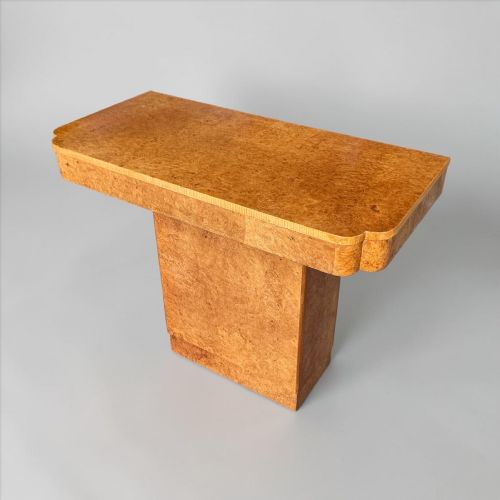
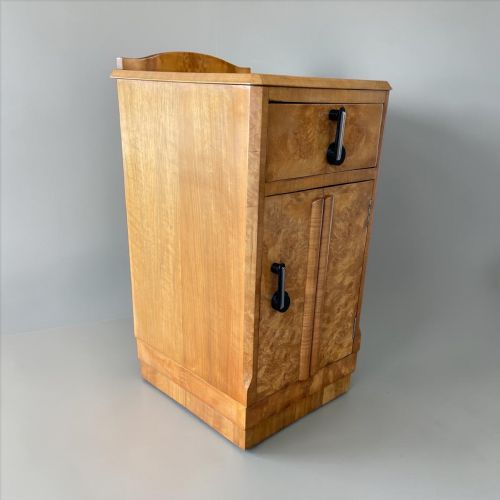
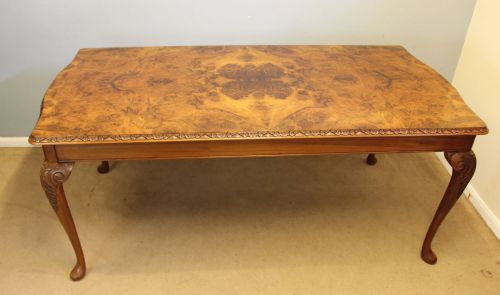
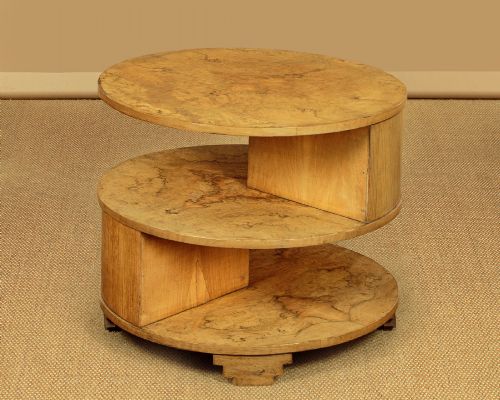
Revival aesthetics play a major role in this category, notably Queen Anne style and Georgian revival designs that echo earlier centuries through cabriole legs and shaped aprons. Alongside these traditional forms, twentieth-century pieces lean towards streamlined Art Deco silhouettes and architectural pedestals.
Materials and Construction
Cabinet makers construct these pieces using timber frames overlaid with fine slices of burr walnut veneer, occasionally incorporating secondary woods such as maple, walnut, and brass details. The slicing of the burr wood yields highly decorative, organic patterns that are matched symmetrically across tabletop surfaces.
Construction techniques vary from traditional nineteenth-century joinery to twentieth-century veneering methods applied to coffee tables, desks, and dining furniture. Artisans carefully adhere the thin decorative wood layers to stable timber substrates to prevent warping while highlighting the natural figuring.
Burr Walnut Veneer Table Retail Price Guide 2026
Typical asking prices for burr walnut veneer table among the pieces listed under this phrase on Sellingantiques today, from the lower quarter to the upper quarter. They describe what is for sale here now, not the wider market.
The category includes dining tables, coffee tables, console tables, desks, and sewing tables.
Assessing Quality and Craftsmanship
Quality rests primarily on the rhythm and symmetry of the veneer work, where superior examples display carefully balanced grain patterns across the entire surface of the top. The depth of the figuring and the preservation of the polished finish significantly influence the overall character of the piece.
Structural integrity in the joints, frames, and pedestals separates standard production from finer cabinet work, particularly in extending dining tables and heavily used desks. The handling of secondary timbers and the precision of edge banding also indicate the level of care invested in the construction.
Maurice Adams
The Burr Walnut Veneer Table Glossary
- Burr walnut
- A growth or burl on a walnut tree that produces highly figured, swirling wood grain when sliced into veneers. This material forms the primary decorative surface on these tables.
- Veneer
- A thin layer of superior wood applied to a base timber to provide an ornate exterior appearance. This technique allows makers to utilise complex burr patterns efficiently.
- Cabriole leg
- A furniture leg that curves out and then in, commonly found on Queen Anne style and revival tables. The shape originates from classical furniture design.
- Occasional table
- A small, movable table designed for specific, intermittent uses such as holding a lamp or books. These appear frequently in various twentieth-century and earlier styles.
Burr Walnut Veneer Table: Frequently Asked Questions
What periods do these tables come from?
The selection spans multiple centuries, incorporating seventeenth-century influences, nineteenth-century pieces, and numerous early twentieth-century examples.
Art Deco designs from around 1930 sit alongside Victorian and Edwardian items, plus various revival styles.
How do I care for burr walnut veneer?
Keep the wood away from direct sunlight and excessive heat sources to prevent the thin veneer layers from drying out.
Use a soft, dry cloth for dusting and avoid harsh chemical polishes that can damage the historical finish.
Are these tables suitable for daily dining?
Many larger examples, including extending dining tables and refectory styles, serve practical daily dining functions.
Care should be taken with moisture and heat, making coasters and placemats sensible additions for everyday use.
What is the difference between solid walnut and burr walnut?
Solid walnut uses standard timber planks milled straight from the tree trunk, showing a relatively straight and uniform grain pattern.
Burr walnut utilises distorted growth wood cut into thin sheets to create complex, highly decorative patterns across tabletops.