

Burr Walnut Style Table
Burr walnut style table pieces bring deep, swirling timber figures and traditional revival forms into modern rooms.
Burr Walnut Style Table
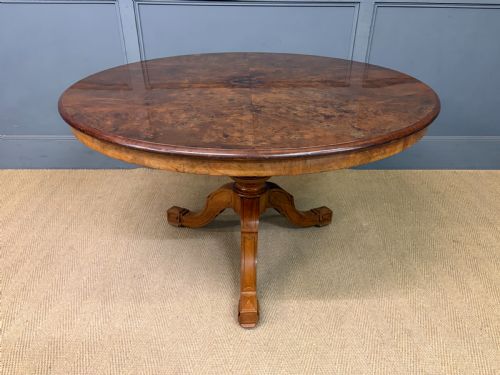
A burr walnut style table encompasses a range of occasional, coffee, and console forms shaped by the revival of earlier furniture eras. Buyers seeking this phrase encounter pieces predominantly originating from the Victorian, Edwardian, and early twentieth-century periods.
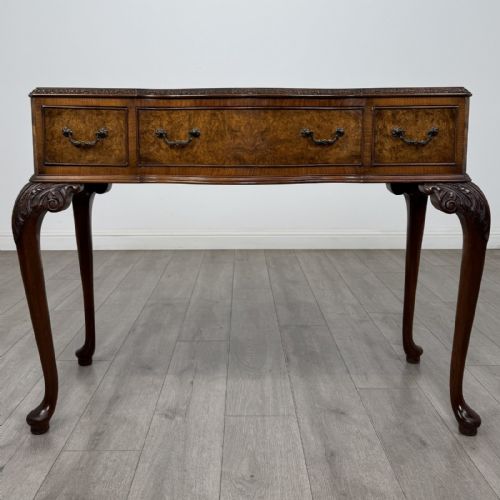
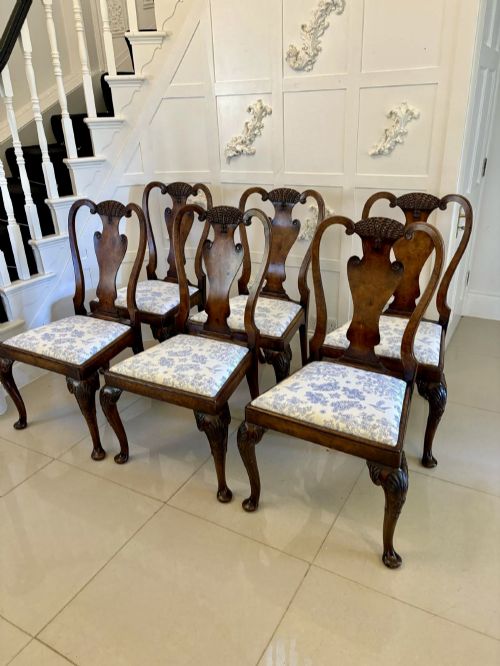
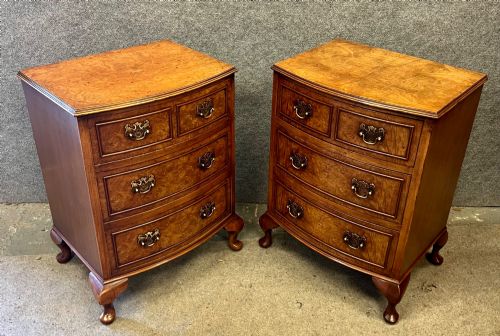
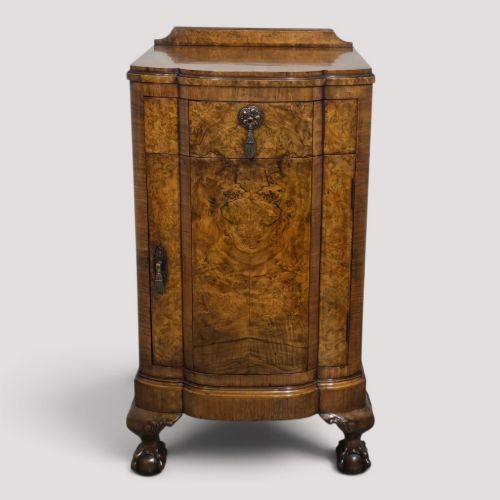
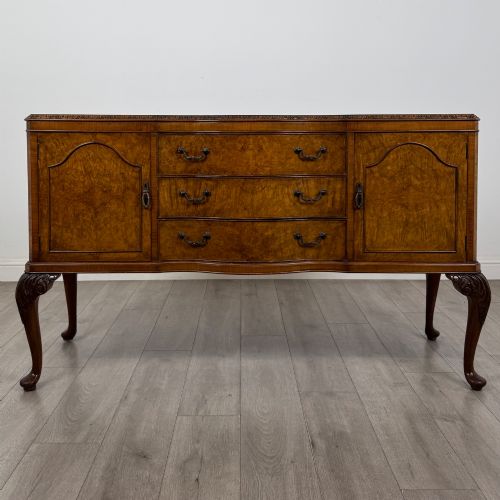
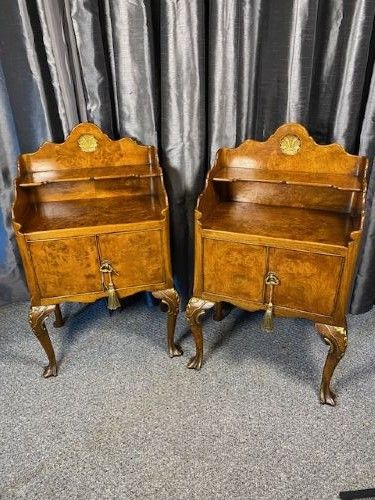
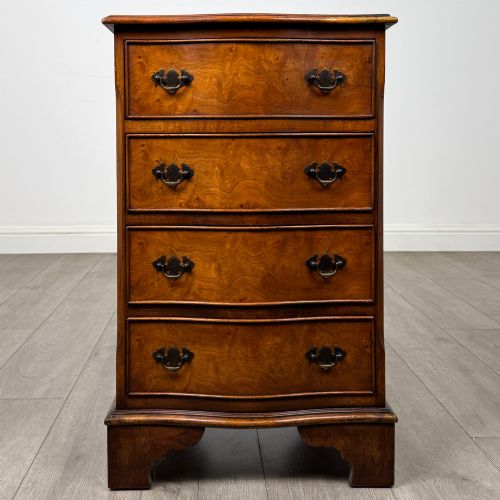
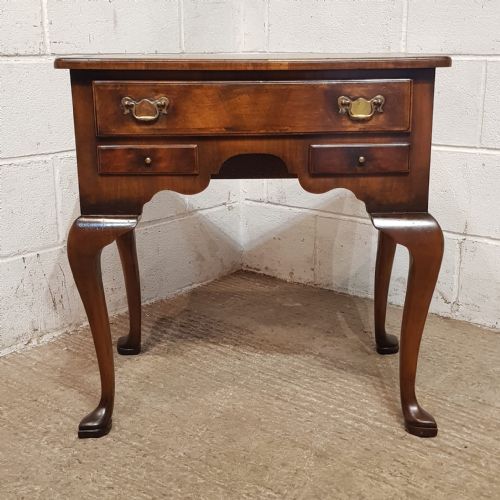
The aesthetic relies heavily on Queen Anne and Georgian design influences, often featuring characteristic cabriole legs and serpentine outlines. These tables range from compact bedside chests and coffee tables to larger console and card tables.
Makers working in the nineteenth and early twentieth centuries utilised historical silhouettes while applying decorative veneers to suit contemporary domestic interiors.
Materials and construction methods
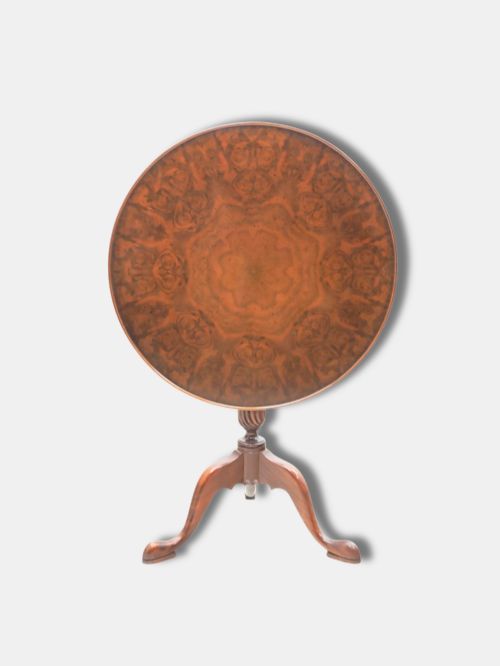
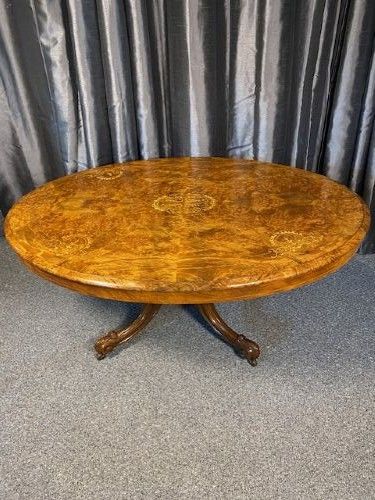
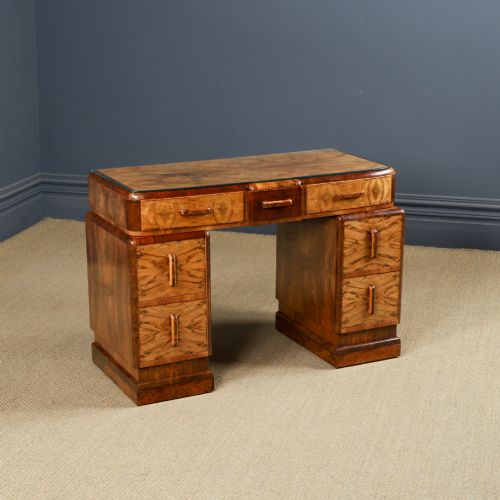
Makers applied thin slices of burr walnut veneer over solid timber foundations to create intricate, swirling grain patterns across flat surfaces. This technique allowed craftsmen to showcase complex wood figures that solid timber boards rarely displayed.
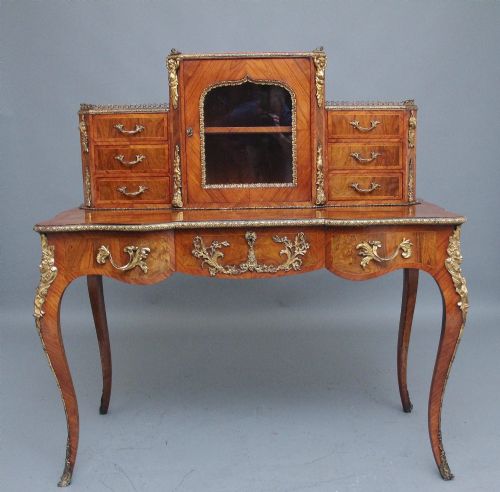
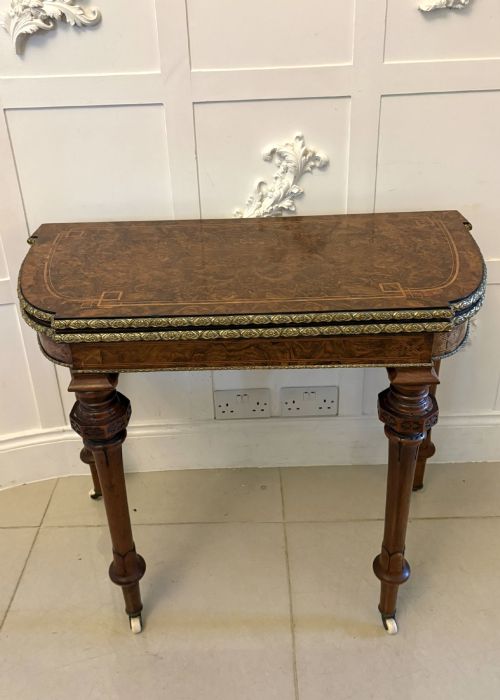
Brass handles, glass inserts, and ormolu mounts frequently accent the timber framework, particularly on Victorian and Edwardian examples. Secondary woods provide structural stability inside drawers and beneath tabletops while the decorative veneers remain the visual focus.
The listings span periods from 1850 through the Edwardian era and into the 1930s, showcasing Queen Anne and Louis XV revival styles.
Assessing quality in burr walnut furniture
Quality rests primarily in the selection and bookmatching of the veneer, where symmetrical grain patterns create a balanced visual rhythm across the tabletop. Superior examples display dense, unblemished burr clusters rather than sparse or heavily patched timber sections.
Joinery execution and the crispness of carved details on cabriole legs distinguish higher grade workshops from mass-produced alternatives. The integration of mounts, such as brass or ormolu, shows precision fitting without excess adhesive or gaps.
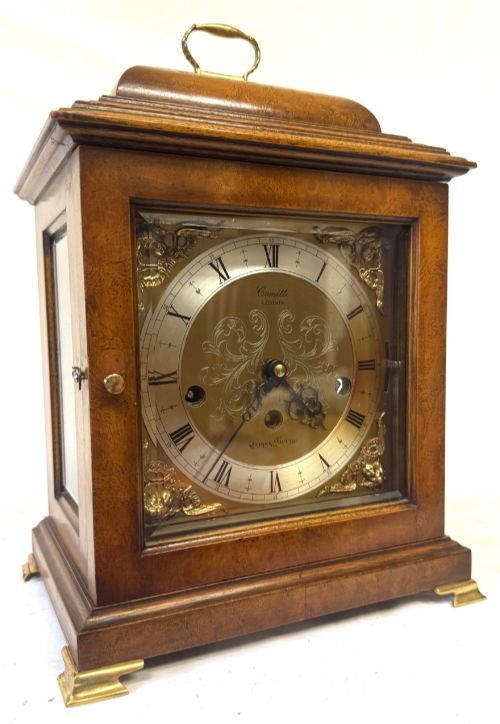
Gillows·Mappin and Webb·Comitti Of London·Wylie and Lochhead Glasgow
The Burr Walnut Style Table Glossary
- Burr walnut
- A wood figure obtained from the wart-like growths on walnut trees, producing highly decorative, swirling grain patterns. Cabinet makers prized this material for veneering prominent surfaces.
- Cabriole leg
- A furniture leg that curves outward and then tapers inward, typically ending in a pad or scroll foot. This form derives from traditional Chinese motifs and became central to Queen Anne style pieces.
- Ormolu
- Gilded bronze mounts applied to furniture for decorative enrichment during the eighteenth and nineteenth centuries. These metal elements catch the light and highlight structural corners.
- Console table
- A table designed to stand against a wall, frequently supported by wall brackets or front legs. These items often feature shaped wooden tops and decorative aprons.
- Veneer
- A thin layer of superior wood adhered to a base of secondary timber. This method provides the appearance of solid decorative wood while preventing warping.
Burr Walnut Style Table: Frequently Asked Questions
What is a burr walnut style table?
A burr walnut style table is a piece of furniture featuring decorative wood veneers derived from tree growths, commonly built during the Victorian, Edwardian, and early twentieth-century revival periods.
These tables frequently incorporate historical design elements like cabriole legs and serve as functional desks, side tables, or coffee tables in traditional and modern interiors.
How do I clean burr walnut?
Clean burr walnut surfaces using a soft, dry cloth to remove dust without disturbing the delicate veneer layers. Avoid harsh chemical cleaners and excessive moisture, which can penetrate the finish and damage the wood.
Applying a quality beeswax periodically helps nourish the timber and maintains the natural lustre of the figured grain.
Are these tables solid walnut?
Most burr walnut tables utilise thin decorative veneers applied over a stable secondary timber core. This traditional method prevents the expensive burr wood from warping while displaying intricate grain patterns across wide tabletops.
Solid walnut typically appears only on structural framing components like legs and moulding edges rather than the primary surfaces.
Which period do these tables come from?
The listings span from the mid-nineteenth century through the Edwardian era and into the 1920s and 1930s. Many pieces draw inspiration from earlier Queen Anne and Georgian aesthetics.
Revival movements during the Victorian and Edwardian periods generated a renewed interest in these classic furniture shapes and rich wood finishes.