



Burr Walnut Shelf
Burr walnut shelf search results present figured timber tiers and cabinets designed to display volumes and objects with natural warmth.
Burr Walnut Shelf
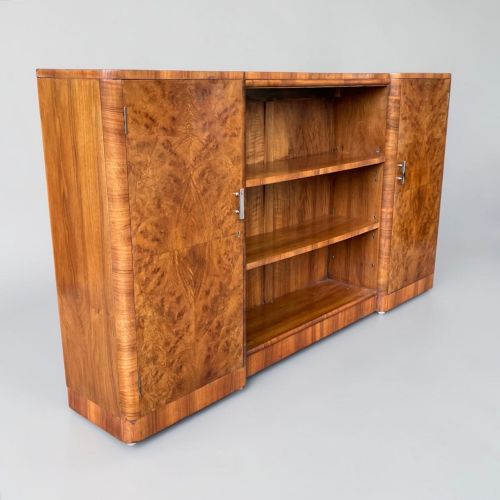
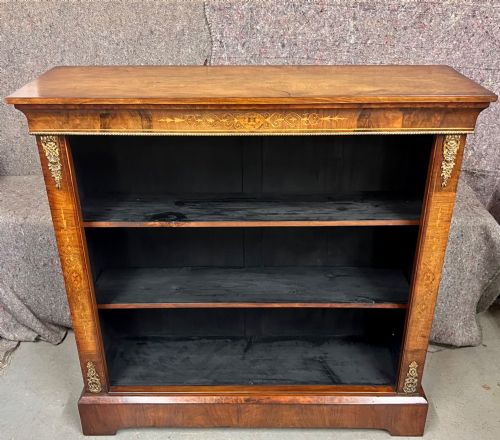
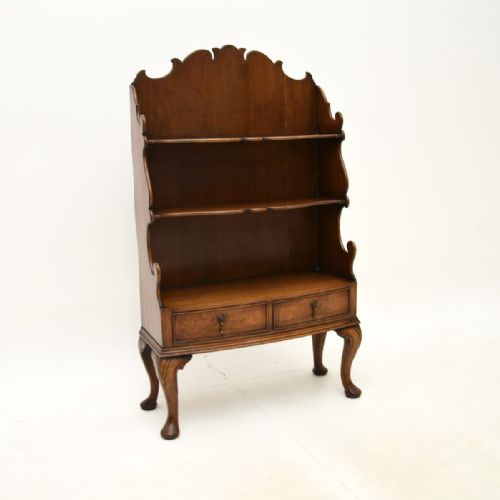
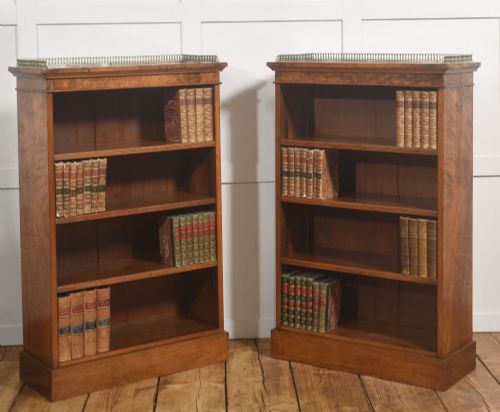
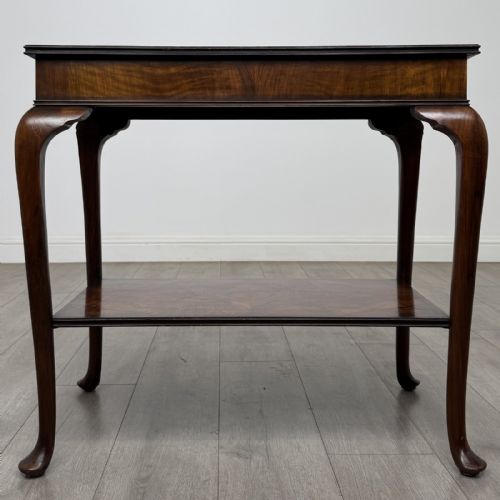
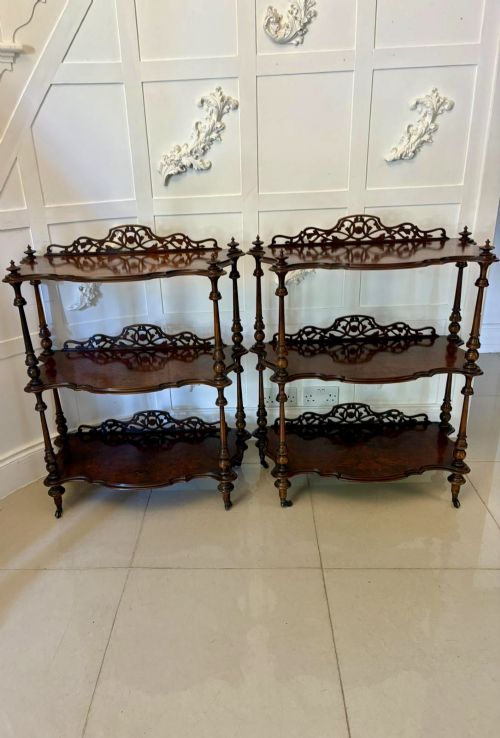
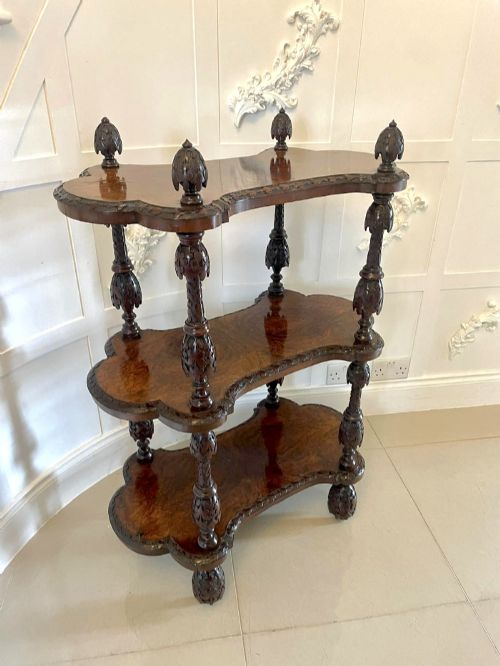
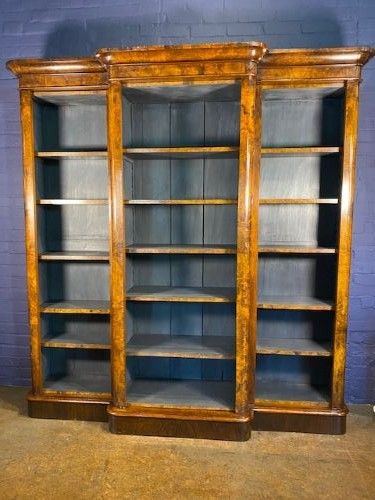
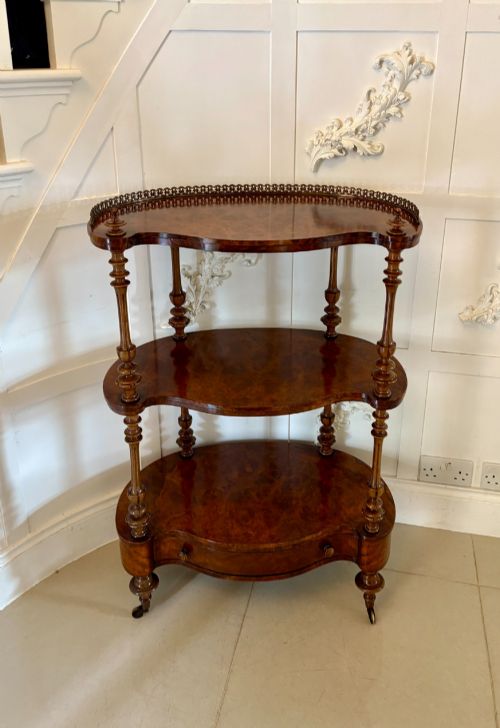
A burr walnut shelf typically appears within open bookcases, whatnots, etageres, and tiered display furniture originating from the nineteenth and early twentieth centuries. These pieces utilise distinctive timber growths to create richly patterned horizontal surfaces for books and decorative objects.
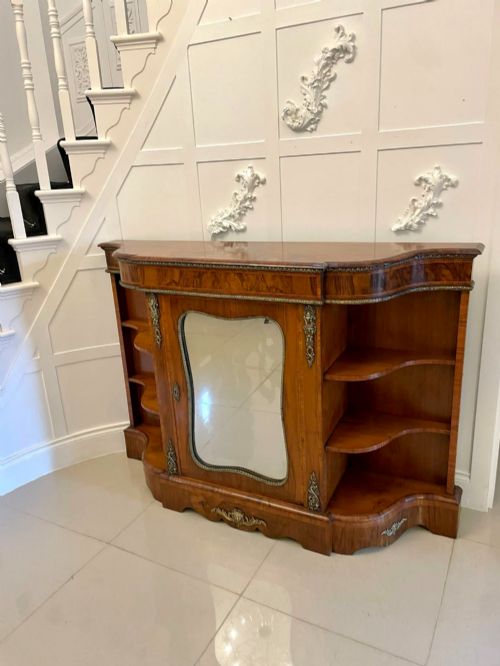
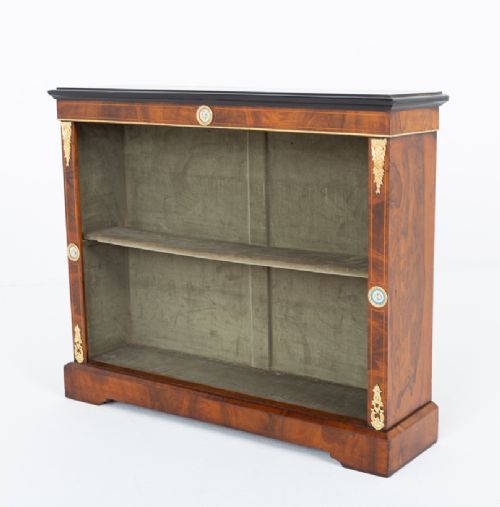
Buyers seeking this phrase most frequently encounter Victorian open bookcases and multi-tiered whatnots, alongside later Edwardian and Art Deco interpretations. Forms range from low bedside cabinets and breakfront bookcases to freestanding corner whatnots and serpentine etageres.
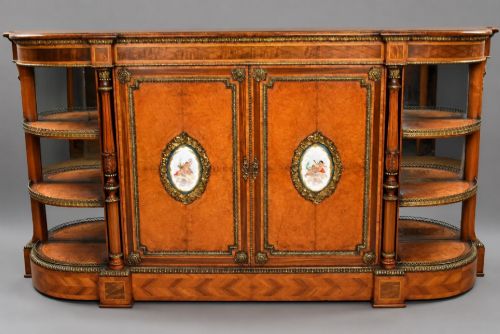
The aesthetic centres on the swirling grain patterns of burr walnut timber, often complemented by brass galleries, ormolu mounts, and inlaid details. These formats serve both practical storage and display functions within period and eclectic interiors.
How they were made
Craftsmen built these pieces using solid wood framing veneered with sliced burr walnut, a highly figured timber taken from tree growths that produces complex, circular grain patterns. Cabinetmakers arranged these veneers symmetrically to accentuate the natural figure across larger surfaces like bookcase cornices and cabinet doors.
Metal elements such as brass galleries, gilt metal mounts, and ormolu details were integrated to accent the dark timber frames. Glass doors and mirrored backs also appear in larger credenzas and bookcase designs, reflecting light through the displayed contents.
Burr Walnut Shelf Retail Price Guide 2026
Typical asking prices for burr walnut shelf among the pieces listed under this phrase on Sellingantiques today, from the lower quarter to the upper quarter. They describe what is for sale here now, not the wider market.
Some Victorian whatnots combined open shelving with enclosed lower cupboards, giving household items a tidy hiding place.
What varies in quality
The quality of a burr walnut shelf rests heavily on the selection and matching of the timber veneer. Superior examples display dense, unbroken circular figure patterns across every tier and panel, whilst lesser pieces utilise sparse or poorly matched grain.
Construction methods also separate standard production from exhibition pieces, visible in adjustable shelving mechanics, dovetailed drawer joints, and the crispness of carved or applied ormolu mounts. Finer items exhibit precise cabinetmaking that maintains structural integrity alongside decorative presence.
Johnstone and Jeanes·Gillows·Haller·Epstein
The Burr Walnut Shelf Glossary
- Burr walnut
- Timber taken from the wart or burl of a walnut tree, yielding dense, swirling grain patterns. It is sliced into thin veneers for decorative furniture surfaces.
- Ormolu
- Gilded bronze or metal mounts applied to furniture for decoration. It provides a bright metallic contrast against dark timber surfaces.
- Etagere
- A set of open shelves or tiers used for display, similar in function to a whatnot. The form gained popularity during the nineteenth century.
- Breakfront
- A piece of furniture whose central section projects forward from the flanking sides. This architectural layout adds depth and visual rhythm to bookcases and sideboards.
Burr Walnut Shelf: Frequently Asked Questions
What is a burr walnut whatnot?
A whatnot is a multi-tiered open shelving unit designed specifically to display ornaments, books, and curiosities. When constructed in burr walnut, the wood grain provides intense visual decoration across every shelf.
These pieces were placed in nineteenth-century reception rooms to hold everyday decorative objects within easy reach.
How do I care for burr walnut furniture?
Burr walnut veneer requires stable indoor humidity and protection from direct sunlight to prevent timber shrinkage and fading. Dusting with a dry cloth and applying traditional wax polish periodically maintains the lustre of the polished surface.
Avoid placing damp items directly onto the timber tiers to protect the delicate veneer construction.
Where were these shelves placed?
These shelving units and bookcases sat primarily in nineteenth-century parlours, libraries, and drawing rooms. Low bookcases and bedside cabinets functioned near seating areas and sleeping quarters for accessible book storage.
Freestanding whatnots occupied corners or wall spaces where decorative objects could catch natural light.
How do I distinguish Victorian pieces from Art Deco?
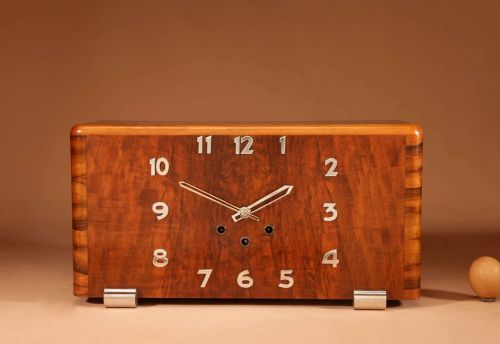
Victorian burr walnut furniture often incorporates ornate ormolu mounts, serpentine shapes, carved details, and brass galleries reflecting revival styles. Art Deco examples from the twentieth century favour streamlined geometry, simpler flush surfaces, and combinations with chrome or sycamore.
The overall silhouette and hardware design provide clear chronological indicators.