



Burr Walnut Book Stand
These burr walnut book stand options bring rich grain and architectural presence into a room, offering a practical surface for daily reading.
Burr Walnut Book Stand
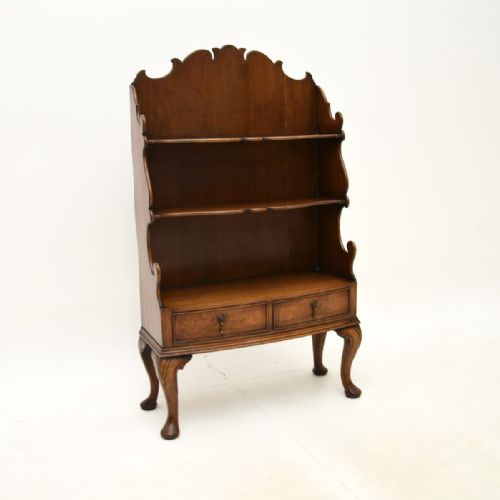
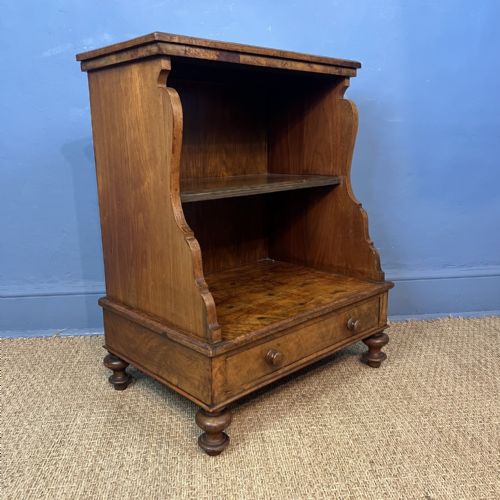
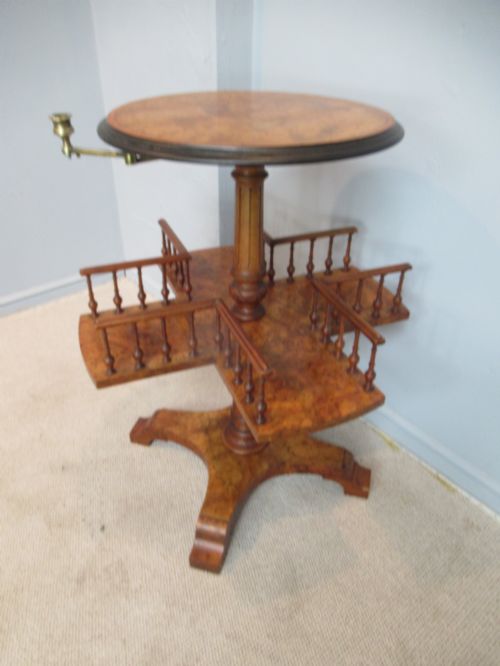
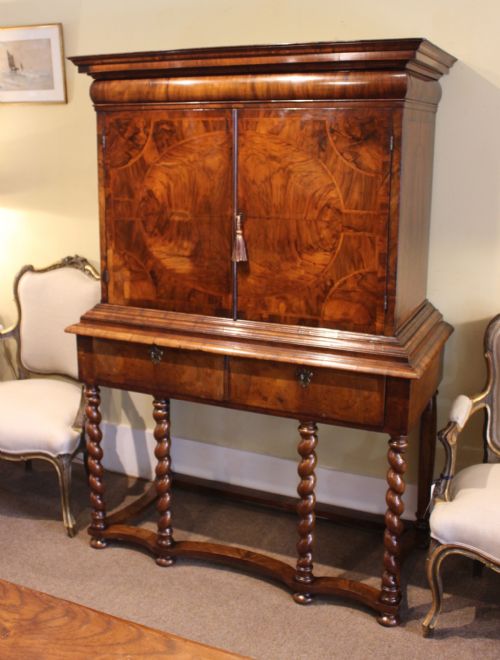
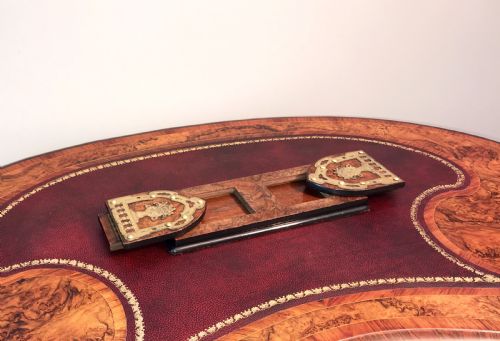
A burr walnut book stand brings together compact reading ledges and larger library storage pieces defined by striking, swirled timber grain. You will encounter revolving tabletop versions, expandable desk slides, and full bookcases incorporating similar walnut veneers.
Victorian examples dominate the selection, often pairing rich burr walnut with brass mounts or inlaid details. These pieces served scholarly domestic spaces and formal libraries alike, functioning as both reading aids and display furniture.
The range extends from nineteenth century revolving bookstands and nineteenth century book slides to larger open bookcases and cabinet forms. Each variant centres on the display and organisation of bound volumes using highly figured timbers.
Construction and Materials
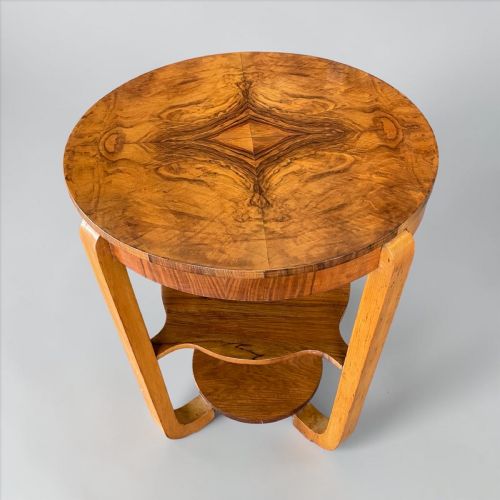
Cabinet makers applied thin slices of burr walnut veneer over solid secondary timbers to create the distinctive swirling patterns on tabletops and vertical faces. This method made the most of the knotty growths found near the roots of walnut trees.
Brass mounts, hinges, and gallery rails frequently provide structural reinforcement and visual contrast against the dark timber. Some pieces incorporate ebonised wood details or hand painted porcelain plaques to enrich the main walnut body.
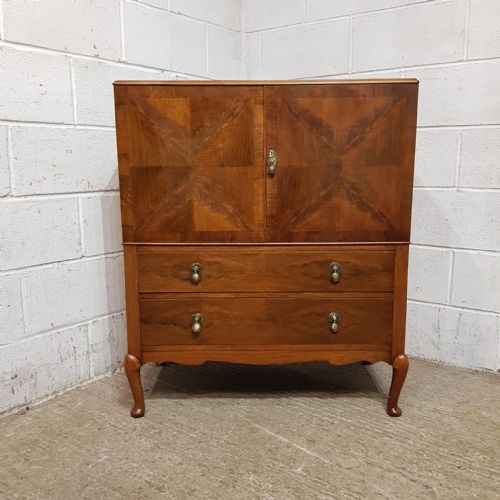
Joinery traditions varied from simple dovetailed drawers in smaller slides to complex pivoting mechanisms for revolving stands. Veneers were carefully matched at the centre lines to produce symmetrical patterns across wide bookcase doors and sloping reading desks.
Burr Walnut Book Stand Retail Price Guide 2026
Typical asking prices for burr walnut book stand among the pieces listed under this phrase on Sellingantiques today, from the lower quarter to the upper quarter. They describe what is for sale here now, not the wider market.
Listings feature burr walnut pieces spanning the eighteenth century through to the art deco era, alongside Victorian examples.
Quality Variations
The choice of burr veneer dictates much of the visual appeal, with denser and more symmetrical knots commanding greater interest than plain or sparse grain patterns. Cabinet makers who took the time to mirror veneer sections across a panel achieved a far more striking surface.
Hardware selection reveals the original tier of production, distinguishing simple brass brackets from finely cast or engraved mounts. Integrated mechanisms, such as smooth revolving actions or well-fitted extending book slides, point to superior workshop execution.
Subtleties in secondary framing, such as the neatness of dovetailing in drawers and the thickness of the walnut timber itself, separate standard utility pieces from exhibition grade library furniture.
The Burr Walnut Book Stand Glossary
- Burr walnut
- A figured timber veneer sliced from the distorted growth or burr of a walnut tree. It produces intricate, swirling patterns highly prized in cabinet making.
- Book slide
- An adjustable tabletop rack with expanding ends designed to hold a small selection of books upright. These pieces often feature brass mounts or hinged supports.
- Revolving bookstand
- A compact, pivoting bookcase designed to sit on a floor or table for easy access to volumes from any angle. The internal mechanism allows the upper tiers to turn smoothly on a central axis.
- Ebonised wood
- Timber treated with a dark stain or finish to resemble ebony. Makers used this technique to create sharp black contrasts against lighter walnut veneers.
- Marquetry
- Decorative inlay work where different tinted woods or materials are fitted into a veneer background to form pictorial or geometric designs.
Burr Walnut Book Stand: Frequently Asked Questions
What is a burr walnut book stand?
A burr walnut book stand is a piece of antique furniture designed to hold reading material while showcasing decorative timber veneers. These items range from small tabletop slides to revolving library units.
They combine practical book storage with decorative cabinet work, making them suitable for studies, living rooms, and libraries.
How do you use a revolving book stand?
A revolving book stand sits on a tabletop or floor and spins on a central pivot to provide access to books from multiple angles. This design allows readers to browse a compact collection without moving the entire unit.
They were placed beside armchairs or on library desks for quick retrieval of frequently consulted reference books.
Are these stands Victorian?
Many examples date from the Victorian period, reflecting the era's taste for figured walnut and elaborate library accessories. You will also find pieces from later decades influenced by earlier styles.
Victorian makers frequently incorporated brass mounts, marquetry inlay, and ebonised details into these reading stands.
How do I care for burr walnut?
Burr walnut requires gentle cleaning with a soft, dry cloth to preserve the polished veneer surface. Avoid placing antique timber furniture in direct sunlight or near heat sources.
Occasional application of appropriate wax polish maintains the moisture and lustre of the timber without building up heavy residues.