


Burl Wood Table
A burl wood table brings the remarkable natural patterns of burr, root and knot formations directly into a room.
Burl Wood Table
A burl wood table displays the complex, swirling grain patterns created by tree growths, drawing the eye immediately in any interior. When you search for a burl wood table, you encounter diverse forms ranging from side tables and occasional tables to centre tables and coffee tables.
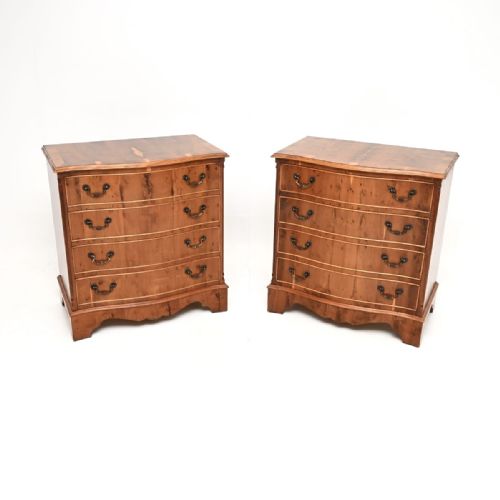
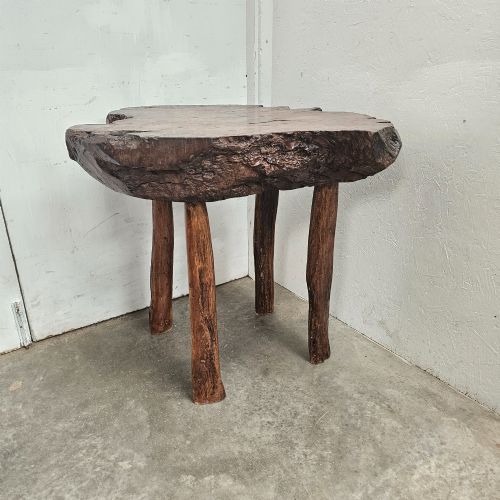
The selections span distinct periods and aesthetics, including 19th Century provincial pieces, Georgian style examples, and Scandinavian Art Deco designs. Materials extend beyond standard timber to feature specific timbers like thuya wood, birch, fruitwood, yew, alder and amboyna.
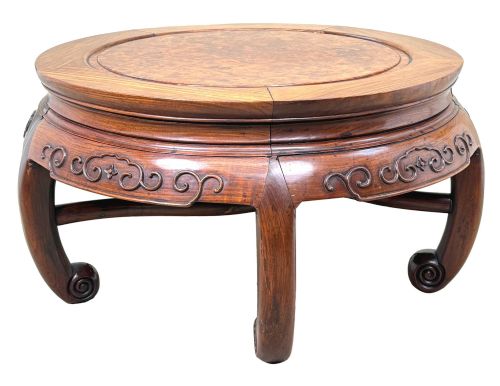
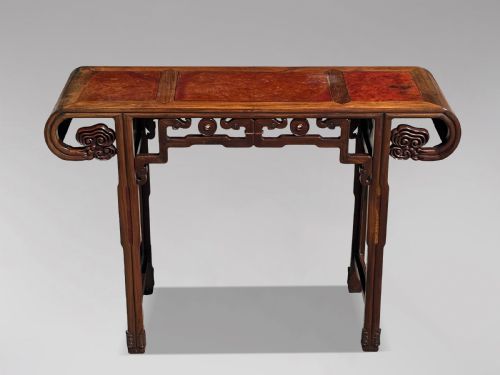
Origin and form vary widely, encompassing Chinese altar tables, French occasional tables with malachite and silvered bronze, and German marquetry work. The scale and structural format adapt easily to modern living spaces while retaining historical character.
How they were made
Craftsmen utilised highly figured timbers, slicing intricate veneers from burr and root formations to lay across primary woods. This technique required expert handling to showcase the natural knots and swirls without splitting the delicate material.
Construction methods incorporated solid framing alongside specialised veneers, occasionally enhanced with marquetry, inlay, or mounts in brass and silvered bronze. Surfaces were finished to highlight the dense grain patterns inherent to root and burl growths.
Listings feature 19th Century pieces alongside 1930s Scandinavian items, demonstrating a wide chronological range of decorative wood use.
What varies in quality
Quality rests in the visual impact and density of the figured grain, alongside the precision of the veneer work across the surface. Finer examples display harmonious grain matching and careful integration with supportive secondary timbers.
The sophistication of the joinery and any auxiliary materials, such as bronze mounts or marquetry details, elevate the stature of the piece. Provenance and regional style also dictate the refinement of the silhouette, from primitive forms to polished revival designs.
The Burl Wood Table Glossary
- Burl
- A woody outgrowth on a tree where the grain has grown in a deformed, swirling manner. This formation produces highly prized timber with complex patterns.
- Veneer
- A thin slice of ornamental wood applied to a core structure. This method allows artisans to display expensive figured timbers efficiently.
- Marquetry
- The art of applying pieces of veneer to a structure to form decorative patterns or pictures. It often combines contrasting woods for visual depth.
- Tilt Top
- A table mechanism allowing the surface to pivot to a vertical position when not in use. This clever design saved space in historic interiors.
Burl Wood Table: Frequently Asked Questions
How do I clean a burl wood table?
Care for these surfaces requires simple dusting with a soft, dry cloth to prevent micro-scratching. Avoid harsh chemical cleaners and moisture, which can damage delicate historic polishes and veneers.
Keeping the table away from direct sunlight and extreme temperature shifts protects the timber and veneer from cracking.
Are burl wood tables durable?
Burl wood is structurally stable when mounted onto solid secondary timbers, but the thin veneers require gentle handling. Daily use is entirely suitable provided excessive heat and moisture are avoided.
Historic pieces have survived centuries by relying on careful timber selection and traditional joinery methods.
How do I date a burl wood table?
Dating relies on examining the underlying construction techniques, hardware, and stylistic cues of the frame. Scandinavian Art Deco pieces show clean geometric lines, whereas 19th-century provincial examples display heavier, rustic framing.
Matching the secondary woods and finishing methods to known historic periods provides further clues to origin.