




Brown Wooden Window Seat
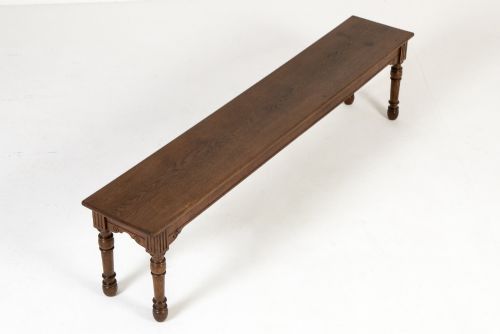
A brown wooden window seat brings practical charm to a bay, combining sturdy timber frames with comfortable seating for narrow spaces.
Brown Wooden Window Seat
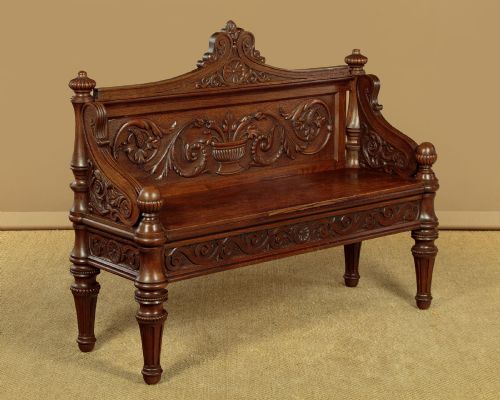
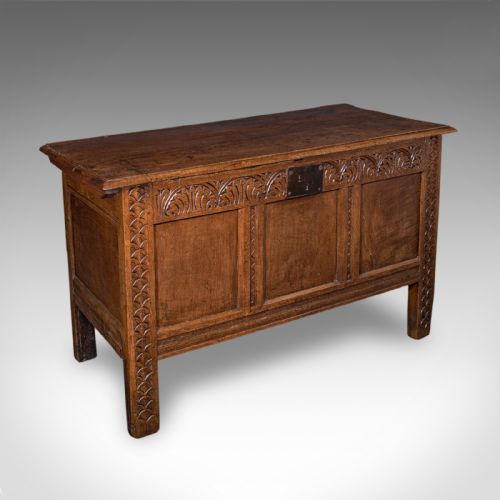
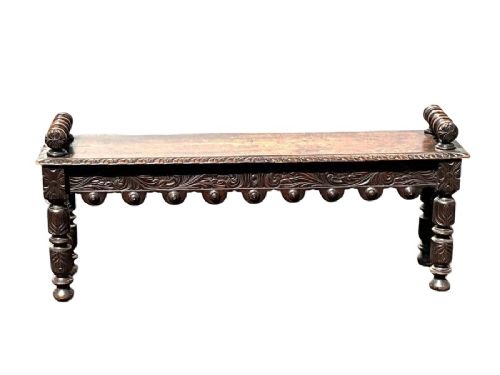
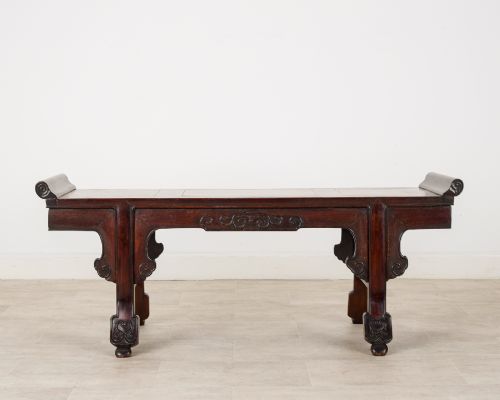
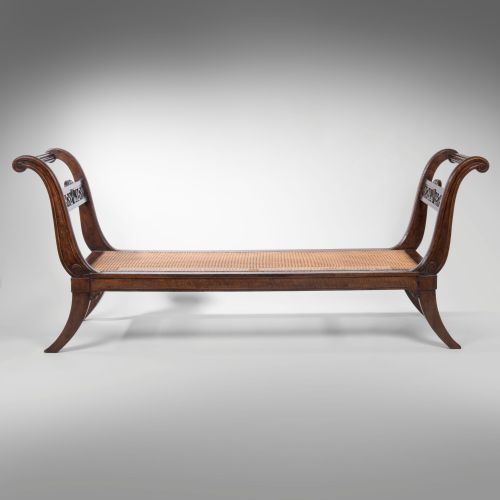
The selection ranges from simple nineteenth-century oak forms to elaborately carved Gothic Revival and inlaid Edwardian pieces. Many double as storage chests, hall benches, or boot stores, designed to fit beneath lower window frames or along narrow hallways.
Materials and construction
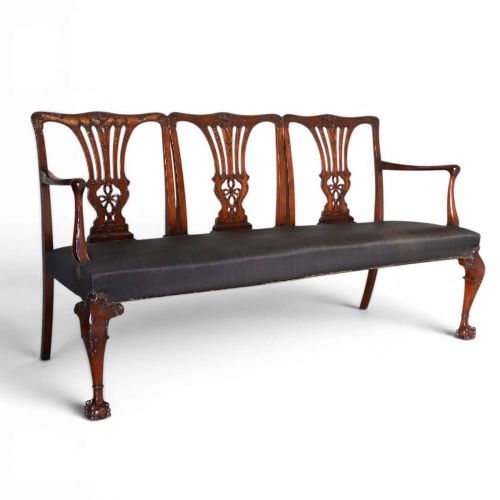
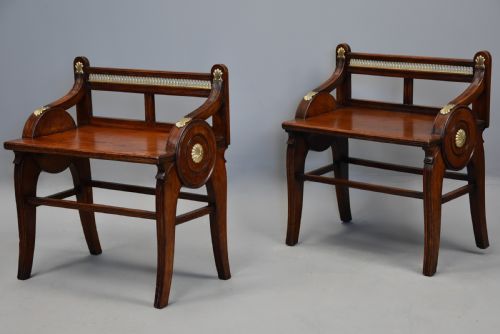
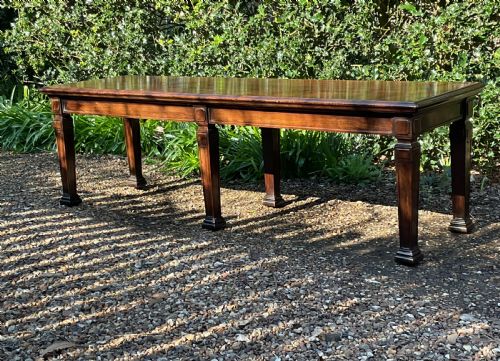
Makers utilised solid timbers such as oak, mahogany, walnut, and hardwood, often joined with traditional mortise and tenon techniques. Surfaces were polished to highlight the natural grain of the wood, while structural durability was enhanced through brass mounts or X-frame supports.
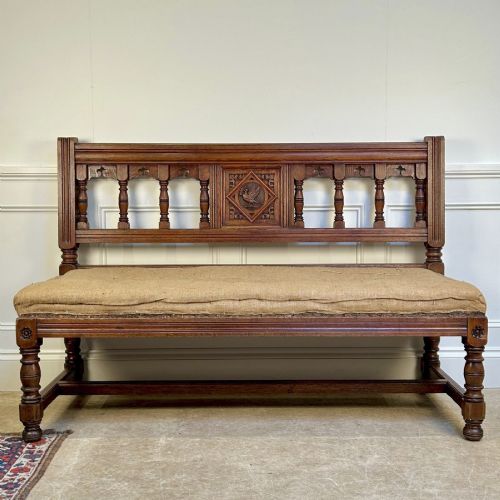
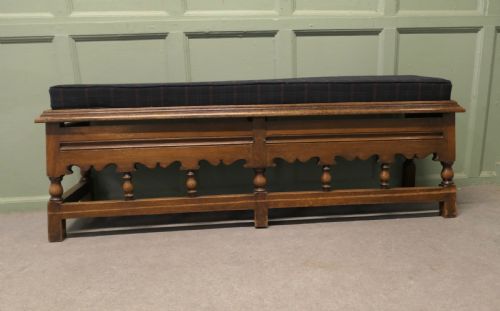
Seating areas incorporate a variety of materials including woven cane, carved wood, and upholstered pads covered in fabric, tapestry, or hessian. Inlaid details, carved motifs, and turned legs add decorative definition to the structural framework.
Certain nineteenth-century oak benches feature hand-carved elephants integrated into their wooden frames, offering an unexpected decorative flourish.
Factors determining quality
Quality rests upon the selection of timber, the crispness of the carving, and the integrity of the joinery. Superior pieces display dense, well-figured oak or polished mahogany paired with robust construction that withstands everyday use.
Refinement in decorative elements - such as hand-carved details, inlaid mahogany borders, or original brass mounts - distinguishes finer workshop productions from simpler utilitarian seating.
James Shoolbred and Co·GIllows
The Brown Wooden Window Seat Glossary
- Gothic Revival
- A nineteenth-century design style inspired by medieval architecture, characterised by pointed arches, tracery, and heavy carved oak. This style appears frequently on nineteenth-century benches.
- X Frame
- A structural base formed by intersecting diagonal timbers that create an X shape when viewed from the side. This configuration provides sturdy support for stools and window seats.
- Cane
- Woven peeled rattan used to create lightweight, flexible seat panels. It offers a breathable alternative to solid wood or upholstered cushions.
- Inlay
- A decorative technique where contrasting woods or materials are embedded into recesses within the primary timber surface. Edwardian mahogany pieces often utilise this method for visual interest.
- Hall bench
- A long wooden seat traditionally placed in an entryway or hallway, sometimes featuring integrated storage for boots or coats. These versatile forms frequently double as window seats.
Brown Wooden Window Seat: Frequently Asked Questions
Where should I place a window seat?
These seats fit naturally beneath low windows, bay windows, or along narrow hallways where traditional chairs take up too much floor space. Their shallow depth allows them to utilise awkward alcoves effectively.
They also serve well at the foot of a bed or as supplementary seating in a living room, combining practicality with period character.
How do I care for wooden seating?
Protect the timber by keeping the piece away from direct heat sources and strong sunlight, which can dry out and fade the polished surface. Regular dusting with a soft, dry cloth maintains the finish.
Condition the wood periodically with appropriate furniture wax to nourish the grain and preserve the natural lustre of oak or mahogany.
What periods do these seats date from?
The available pieces primarily date from the nineteenth century through the Edwardian era, spanning the Victorian period up to the early twentieth century. You will encounter styles ranging from early Georgian revivals to 1920s utility designs.
Construction methods and decorative motifs help determine the specific era of manufacture, reflecting changing tastes in interior design.
Are these seats comfortable for daily use?
Comfort depends largely on the seating type, as solid wood and cane variations offer firmer support than upholstered versions. Many pieces are designed primarily for temporary seating or perching.
Adding a custom textile cushion can easily soften wooden or cane seats for longer periods of relaxation while preserving the underlying antique structure.