




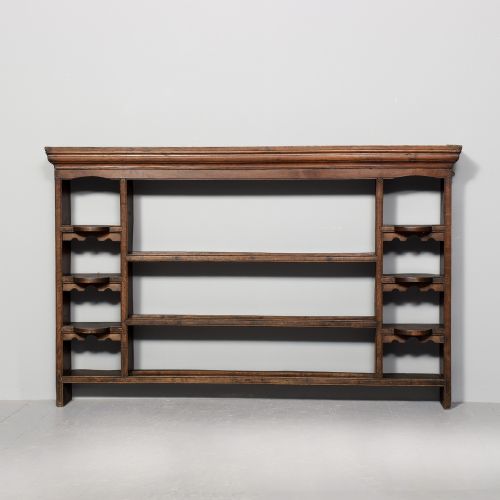

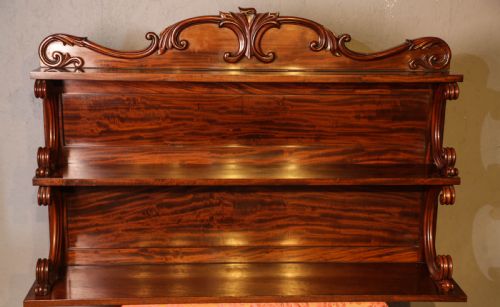


Brown Wooden Wall Unit
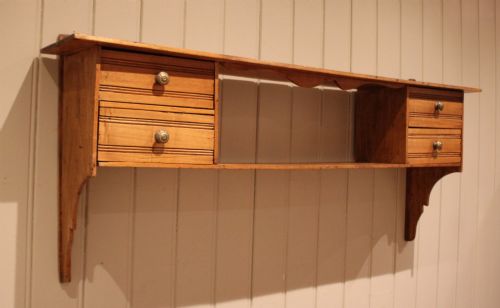
These brown wooden wall units provide practical storage and display space, spanning periods from the eighteenth century through the twentieth century.
Brown Wooden Wall Unit
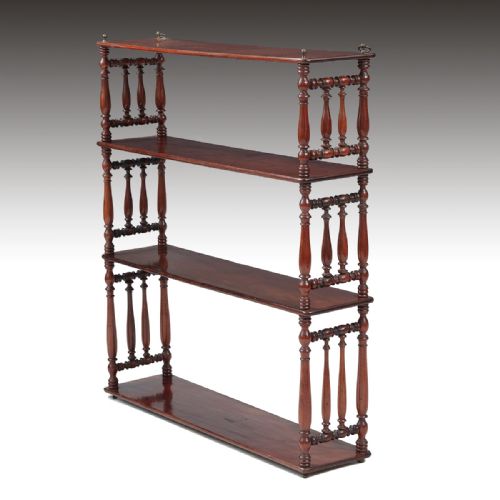
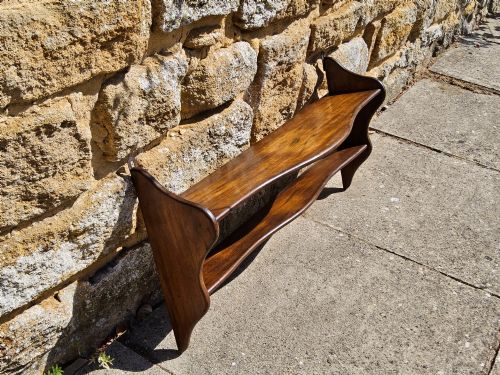
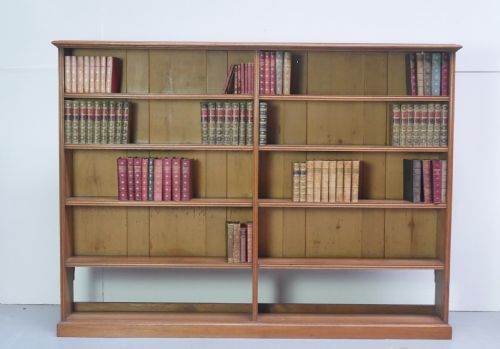
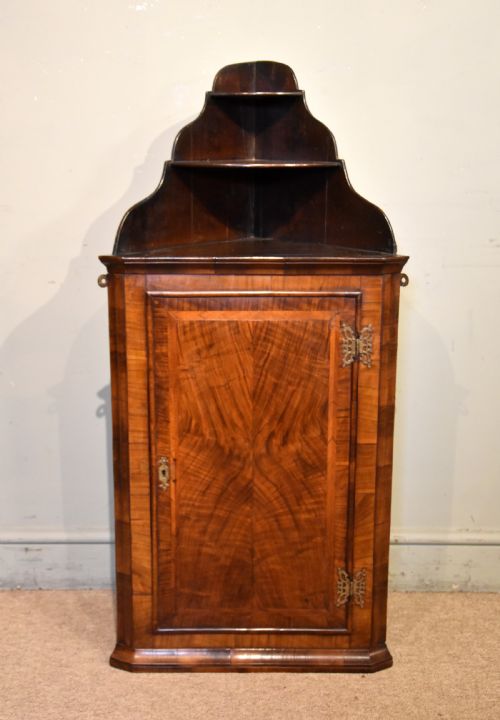
A brown wooden wall unit serves as a functional storage fixture mounted directly to domestic walls, encompassing forms such as corner cupboards, hanging shelves, and display cabinets. Buyers searching for a brown wooden wall unit encounter diverse configurations designed to utilise vertical space efficiently in domestic rooms.
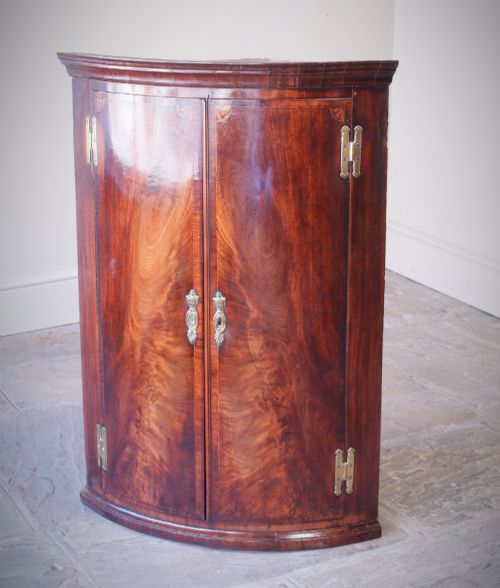
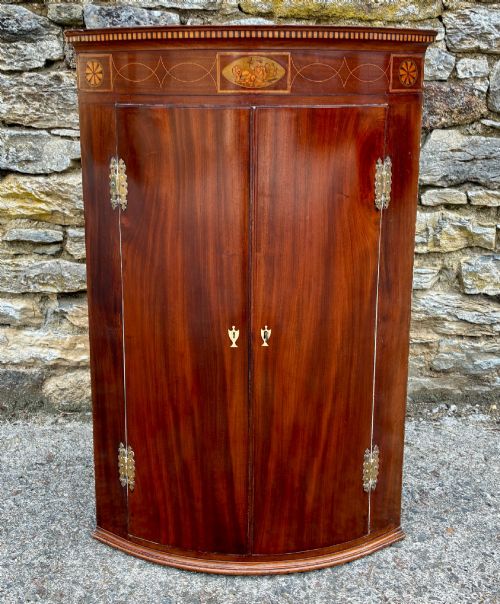
The selections span significant historical periods, featuring Georgian, Regency, Victorian, and Arts and Crafts examples alongside mid-century and 1930s pieces. Corner cupboards and wall-hanging shelves dominate the available forms, often utilising bow fronts and fitted shelving to maximise compact interiors.
Origins vary across regional British workshops and continental makers, incorporating woods like oak, mahogany, walnut, and pine. Each brown wooden wall unit reflects the domestic requirements of its era, from eighteenth-century plate racks to twentieth-century display boxes and pigeonhole cabinets.
Materials and construction methods
Cabinet makers utilised dense hardwoods such as mahogany, oak, walnut, and cherry wood, frequently complemented by softer timbers like pine and plywood in concealed sections. These materials provided structural integrity for hanging shelves and heavy corner cupboards subjected to daily domestic use.
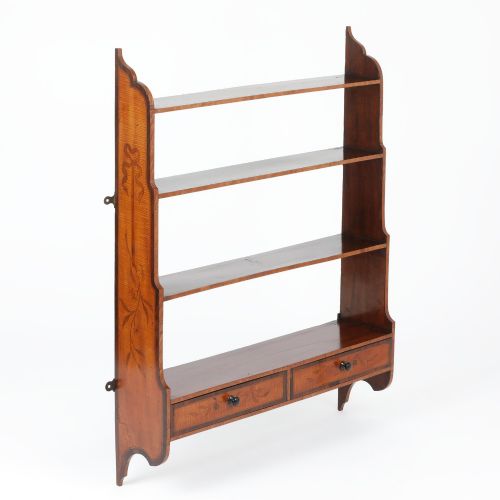
Decorative techniques involve intricate satinwood inlay, curved bow fronts, and glazed doors, demonstrating traditional joinery and cabinet-making expertise. Brass hardware frequently secures doors and mounts fixtures, while polished timber surfaces highlight natural wood grains.
Brown Wooden Wall Unit Retail Price Guide 2026
Typical asking prices for brown wooden wall unit among the pieces listed under this phrase on Sellingantiques today, from the lower quarter to the upper quarter. They describe what is for sale here now, not the wider market.
Judging quality and craftsmanship
Superior examples demonstrate refined timber selection, such as figured mahogany or rich walnut, matched with precise joinery in door frames and shelving joints. Lesser pieces rely on simpler construction methods and plain timbers.
The refinement of decorative elements, including delicate satinwood inlay and original brass fittings, distinguishes exceptional pieces from standard utility items.
Heals
The Brown Wooden Wall Unit Glossary
- Bow front
- A convex curved cabinet front popular in Georgian and Regency furniture designs. This curvature softens room angles, particularly in corner cupboards.
- Corner cupboard
- A triangular cabinet designed specifically to fit into the internal corner of a room. These units save floor space while offering enclosed storage.
- Satinwood inlay
- A contrasting light-coloured wood veneer embedded into darker timber surfaces for decorative effect. It creates geometric or floral patterns on cabinet doors.
- Hanging shelves
- Open wooden shelving units constructed for wall mounting rather than floor placement. They display books, plates, or decorative objects.
- Pigeon hole cabinet
- A set of small, open compartments inside a wooden frame used for sorting papers or small items. These compartments provide organised desktop or wall storage.
Brown Wooden Wall Unit: Frequently Asked Questions
What is a brown wooden wall unit?
A brown wooden wall unit is a wall-mounted storage fixture, such as a corner cupboard, set of hanging shelves, or display cabinet.
These pieces utilise domestic timber to provide functional storage and display space while keeping floor areas clear.
How do I date a wooden wall unit?
Dating relies on identifying characteristic construction methods, timber choices, and stylistic details associated with periods like the Georgian era or Victorian times.
Examining secondary woods, joinery techniques, and hardware types helps establish the approximate age of the piece.
Where were these wall units used?
Historical wall units were placed in kitchens, dining rooms, hallways, and living spaces to store plates, books, or personal items.
Corner cupboards made effective use of awkward room junctions in period properties.
How do I care for antique wood?
Maintain antique wooden surfaces by keeping them away from direct sunlight and sudden temperature fluctuations to prevent timber cracking.
Apply suitable beeswax periodically to nourish the grain and protect the polished finish.