

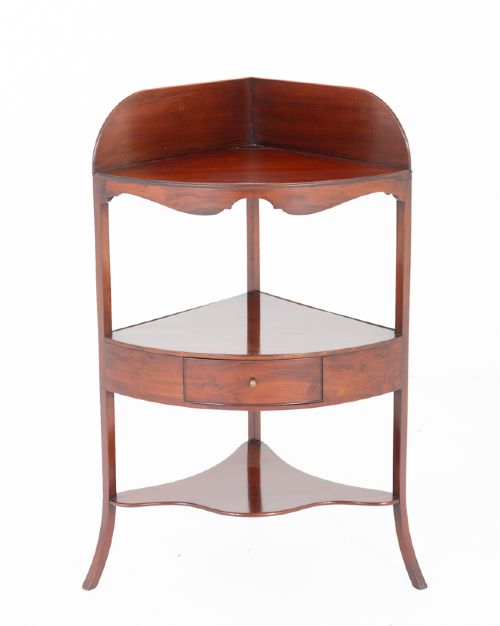
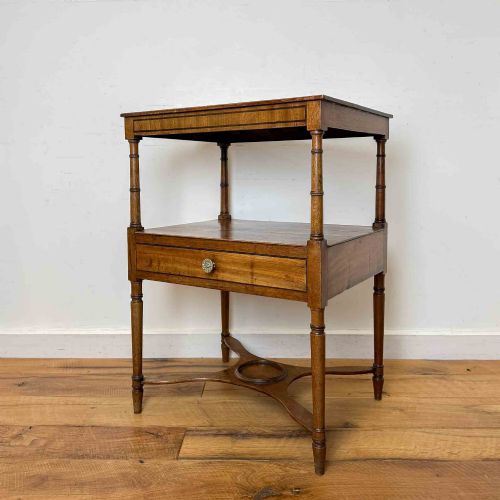
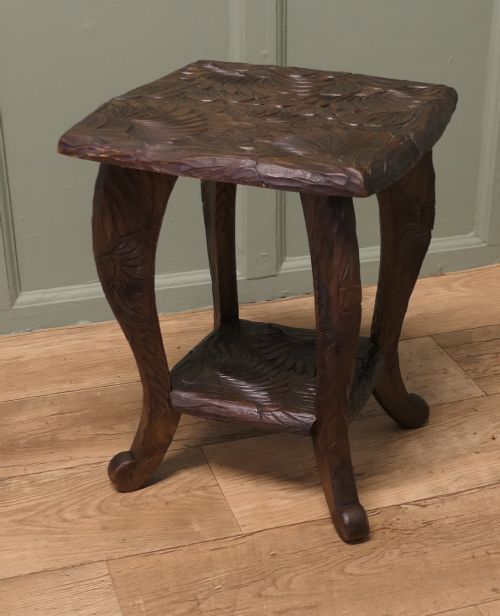
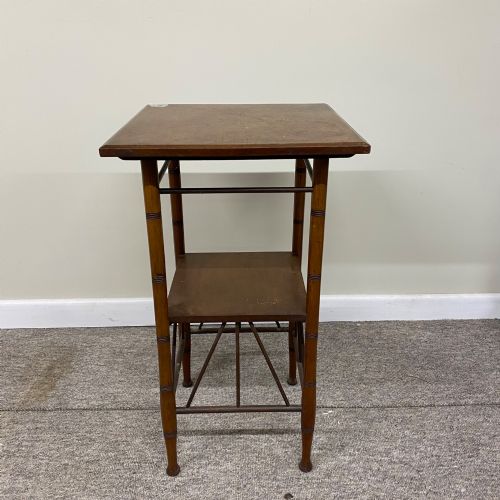


Brown Wooden Tiered Table
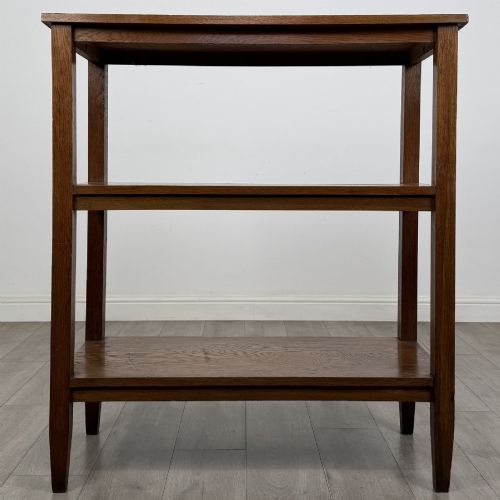
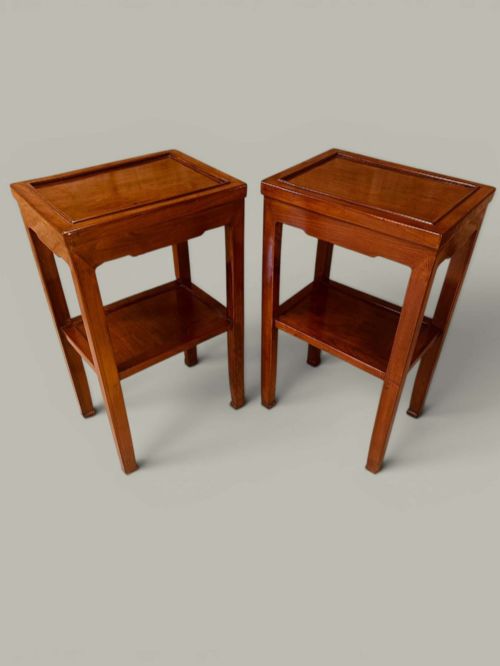
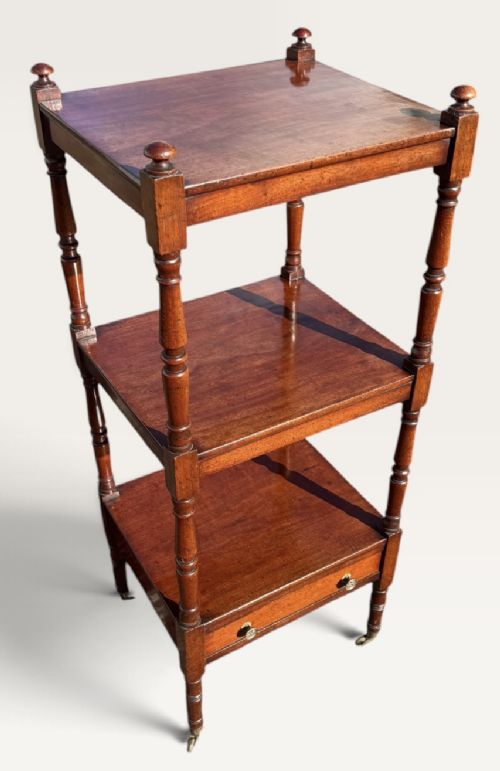
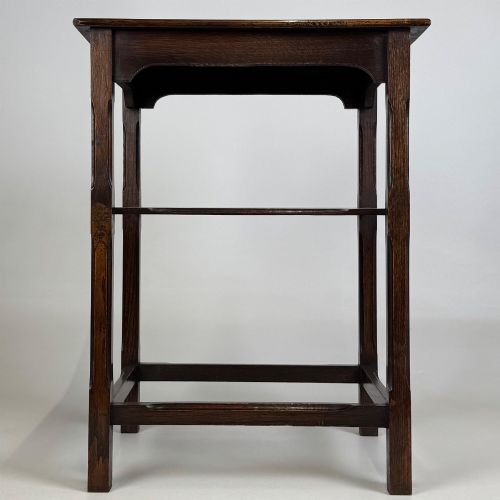
A brown wooden tiered table offers useful surfaces across multiple levels, combining practical display space with period character for any room.
Brown Wooden Tiered Table
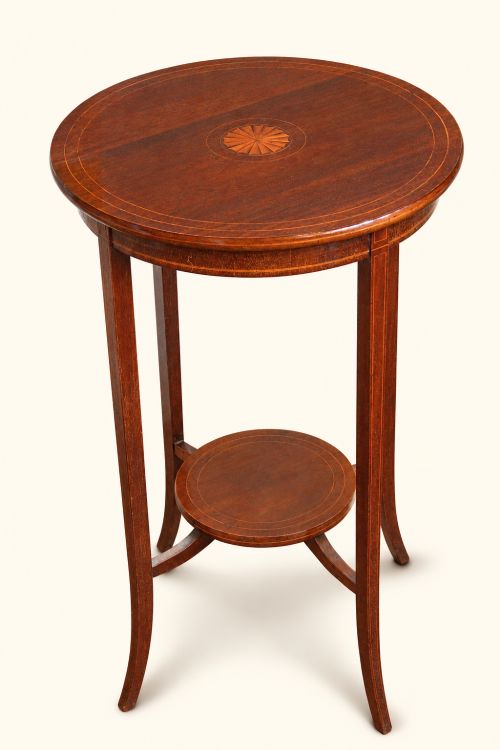
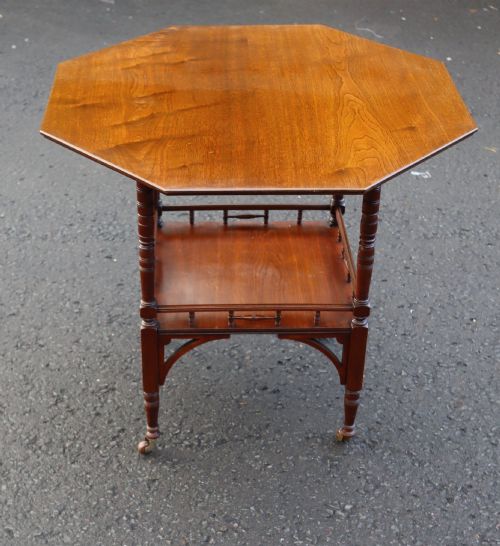
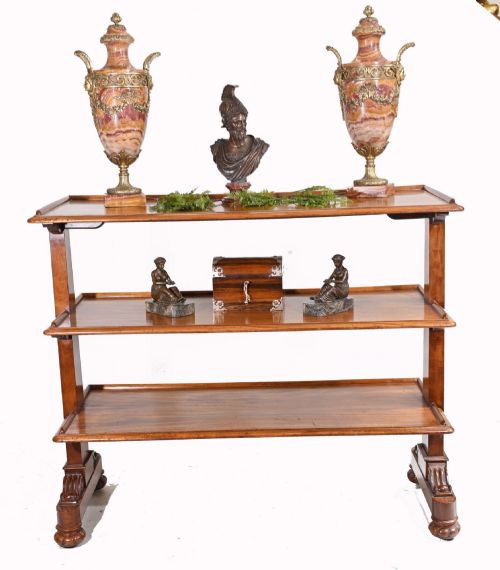
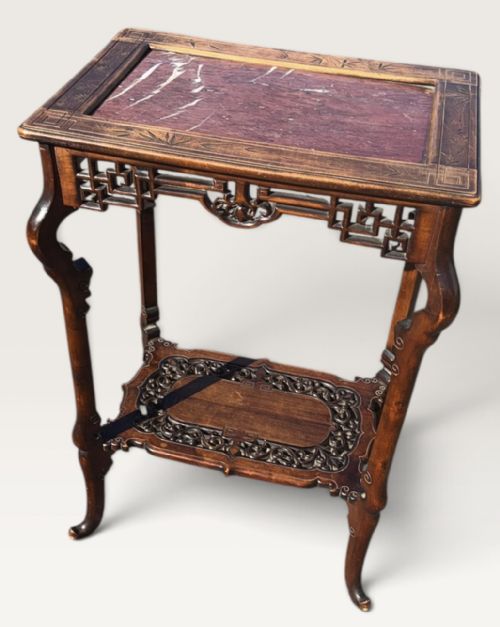
A brown wooden tiered table serves multiple functions as an occasional piece, taking forms such as lamp tables, side tables, and whatnots with multiple surfaces. Buyers seek these items for their compact footprint and the practical display space provided by lower shelves or galleries.
The pieces appearing on this page span several eras from the nineteenth century through the Edwardian period and into the nineteen-twenties and nineteen-thirties. Victorian and Edwardian examples in mahogany and walnut predominate among the selection.
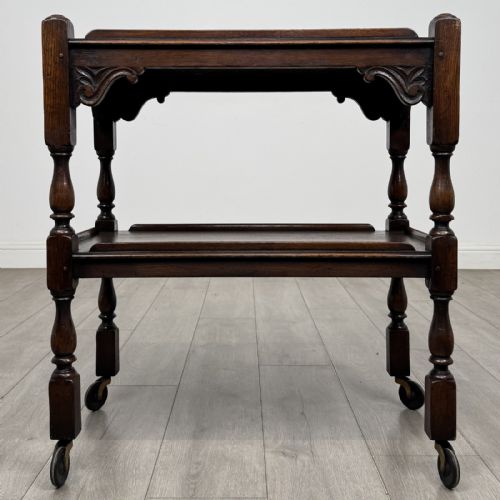
Makers and designers from various stylistic traditions shaped these forms, incorporating influences ranging from Arts and Crafts simplicity to French Provincial and Art Deco geometry. The resulting objects function as bedside stands, plant holders, and afternoon tea trolleys.
How they were made
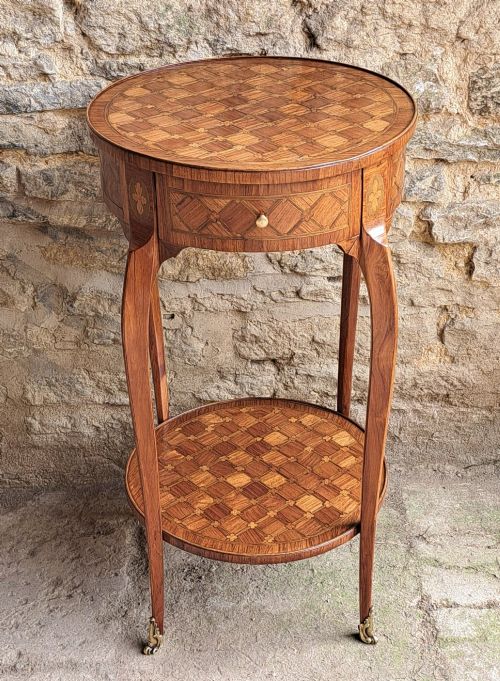
Cabinetmakers utilised primary timbers including mahogany, walnut, and oak, often pairing them with contrasting woods for inlay and marquetry decoration. Kingwood and satinwood appear alongside hardwods to create decorative surface patterns on table tops and tiers.
Structural joints rely on traditional woodworking techniques, while brass castors and ormolu mounts provide functional mobility and decorative accents. Turned legs, cabriole supports, and carved details give structural support to the multiple tiers.
Brown Wooden Tiered Table Retail Price Guide 2026
Typical asking prices for brown wooden tiered table among the pieces listed under this phrase on Sellingantiques today, from the lower quarter to the upper quarter. They describe what is for sale here now, not the wider market.
Some versatile nineteenth-century examples convert neatly from a standard screen into a butler table when unexpected guests arrive for tea.
What varies in quality
The refinement of timber selection and the precision of inlay work distinguish superior examples from standard production pieces. Figured walnut and carefully matched mahogany veneers indicate deliberate craftsmanship by skilled makers.
Structural integrity in the joinery and the retention of original hardware such as castors and handles influence the overall standard of preservation. Pieces retaining their original finish and structural harmony command greater attention.
Gabriel Viardot·Gregory & Co
The Brown Wooden Tiered Table Glossary
- Whatnot
- A set of open shelves for displaying ornaments or books, developed in the nineteenth century with multiple tiers supported by slender uprights.
- Marquetry
- Decorative veneer patterns applied to furniture surfaces using thin pieces of wood and other materials to form pictorial or geometric designs.
- Gallery
- A raised wooden or brass rail bordering the edge of a shelf or table top to prevent items from sliding off.
- Etagere
- A piece of furniture consisting of a set of open shelves for displaying small objects, typically of French origin.
- Castor
- A small wheel mounted on a swivel assembly attached to the legs of furniture to allow easy movement across floors.
Brown Wooden Tiered Table: Frequently Asked Questions
What is a tiered table used for?
These tables provide extra display and storage surfaces in living spaces without taking up excessive floor area.
They serve beside seating for lamps and books or act as stands for plants and decorative objects.
How do I date a wooden tiered table?
Dating relies on identifying timber choices, construction methods, and stylistic details associated with periods like the Victorian era or the Edwardian years.
Specific hardware types, such as original brass castors, also offer clues to the decade of manufacture.
Are these tables sturdy enough for daily use?
Period tiered tables were built for everyday domestic utility, utilising robust hardwood frames and stable multi-tier bracing.
Properly maintained joints ensure the furniture remains functional for contemporary living requirements.
How do I care for walnut and mahogany surfaces?
Maintenance involves dusting with a soft cloth and avoiding placement near direct heat sources or strong sunlight.
Occasional application of appropriate furniture wax preserves the timber grain and the original finish.