



Brown Wooden Parlour Chair
These brown wooden parlour chair forms and related seating span periods from the Regency era through to Edwardian times, offering solid timber frames and varied upholstery.
Brown Wooden Parlour Chair
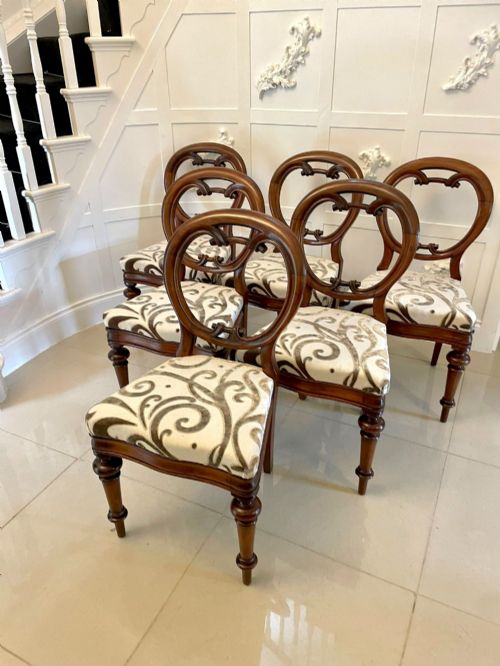
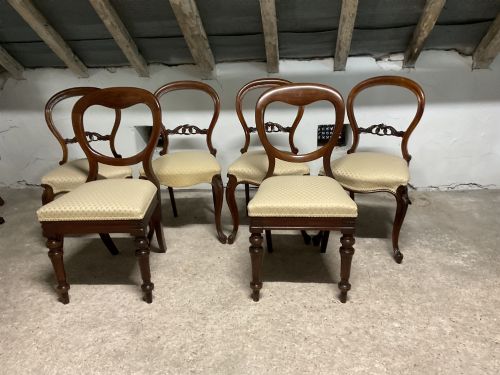
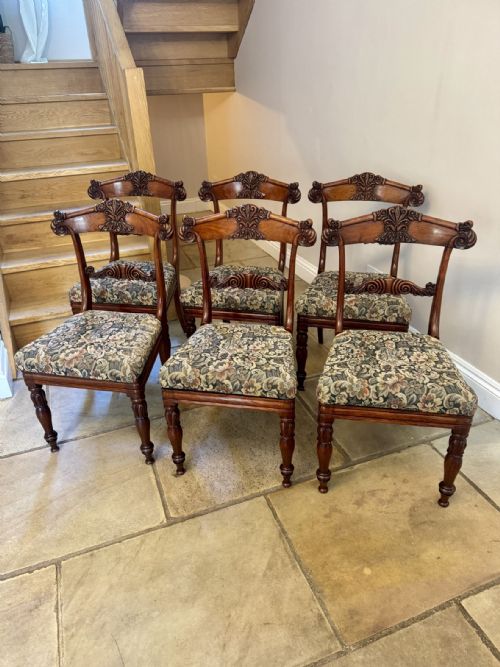
When you search for a brown wooden parlour chair, you encounter a selection of seating largely comprised of Victorian, Edwardian, and Regency examples. The pieces range from singular corner chairs and low armchairs to sets of dining chairs and parlour suites.
The materials span mahogany, walnut, rosewood, and satinwood, occasionally featuring inlay work. These forms reflect the domestic interior fashions of the nineteenth century and the turn of the twentieth.
Materials and construction methods
Makers utilised dense hardwoods such as mahogany, walnut, and rosewood to build the structural frames of these seats. These timbers provided the strength needed for carved details, balloon backs, and slender legs.
Surface enrichment often included satinwood inlay and French carved elements. Upholstery fabric was applied to seats and backs to complete the specification.
Brown Wooden Parlour Chair Retail Price Guide 2026
Typical asking prices for brown wooden parlour chair among the pieces listed under this phrase on Sellingantiques today, from the lower quarter to the upper quarter. They describe what is for sale here now, not the wider market.
Pitch pine makes a surprising appearance in a set of Victorian Gothic parlour side chairs, bringing architectural grit to the drawing room.
Distinctions in quality
Quality rests upon the selection of timber and the crispness of the carving or inlay work. Denser woods and refined cabinetmaking separate standard examples from finer productions.
The integrity of the frame construction and the coherence of a set influence the standing of the piece. Suites and matching sets display a higher degree of unified design.
The Brown Wooden Parlour Chair Glossary
- Balloon back
- A chair back shaped in the outline of a balloon, popular during the Victorian period. This curved wooden form provides ergonomic support.
- Parlour suite
- A matching set of seating furniture designed for a formal sitting room. It typically includes a settee and complementary chairs.
- Satinwood inlay
- Contrasting light wood inserted into the primary timber surface to create decorative patterns. It frequently defines Edwardian and late nineteenth-century cabinetwork.
- Corner chair
- A chair designed to fit into the corner of a room, featuring a diagonal seat plan and a curved back rail supported by posts.
Brown Wooden Parlour Chair: Frequently Asked Questions
What periods do these chairs cover?
The pieces span the Regency period, the Victorian era, and into the Edwardian years around nineteen hundred. They reflect the shifting aesthetic preferences of those decades.
Cabinetmakers adapted traditional timber frames to suit the prevailing revival styles of each successive era.
How do I identify a parlour suite?
A parlour suite consists of matching seating items, such as a settee paired with armchairs or side chairs, sharing identical wood and upholstery details.
These coordinated groups were intended to furnish a formal reception room with a cohesive decorative scheme.
Which woods were commonly used?
Makers relied heavily on mahogany and walnut for their strength and rich grain patterns. Rosewood and satinwood also appear in finer pieces and decorative inlay work.
These durable timbers allowed for intricate carving and long-term structural stability.
Are these chairs suitable for daily use?
Most of these historic wooden chairs function well in modern interiors when placed on level flooring. Their solid timber frames offer robust support for everyday sitting.
Upholstered sections may benefit from modern padding maintenance depending on their condition.