
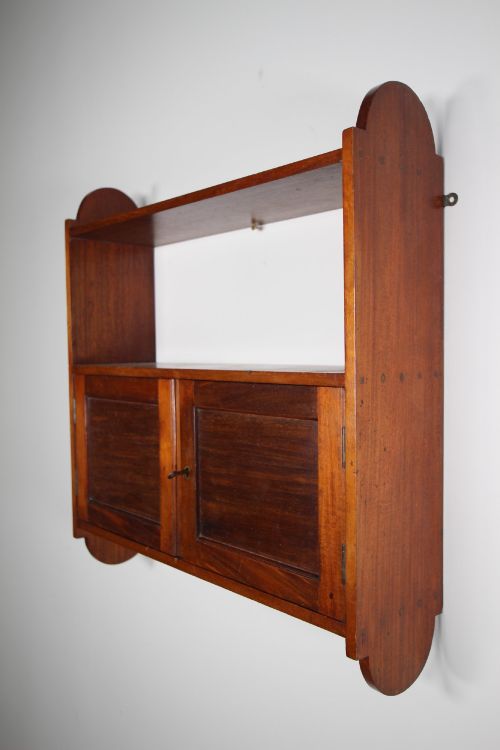
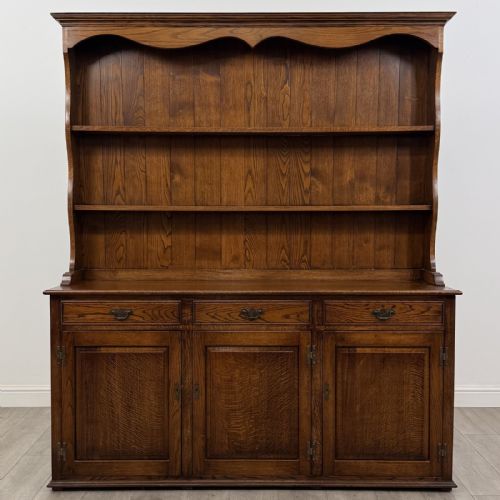
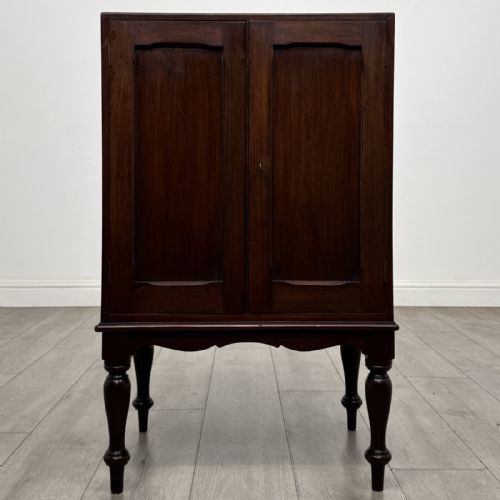
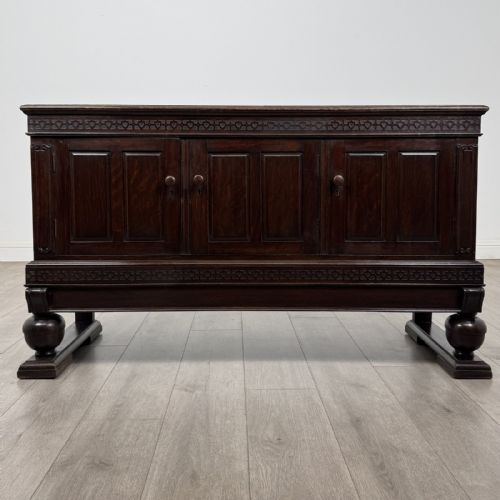
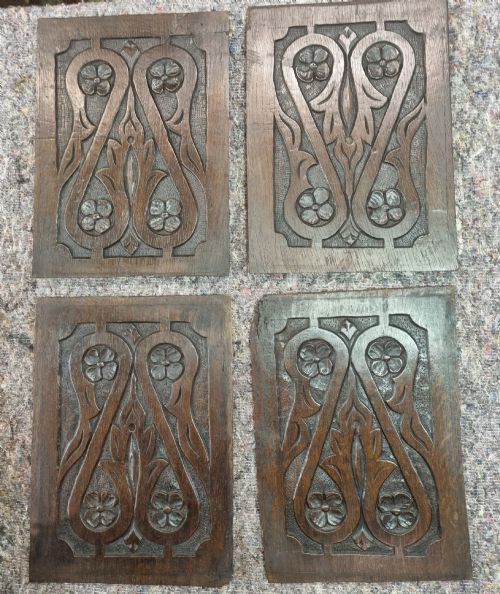
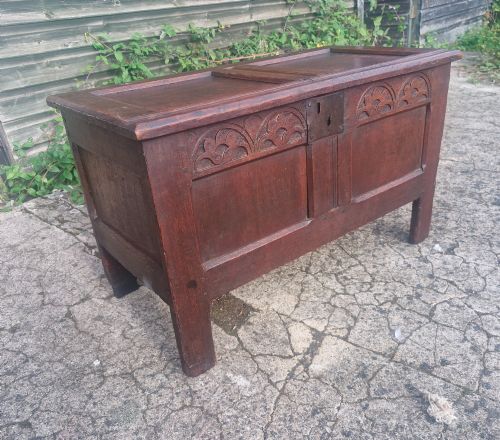
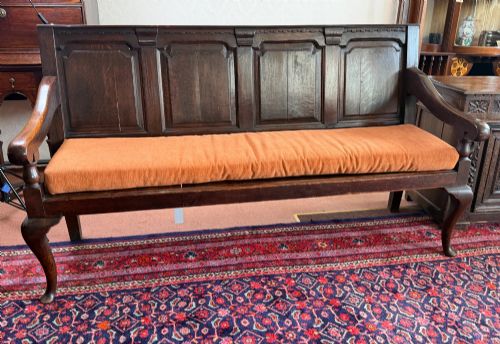
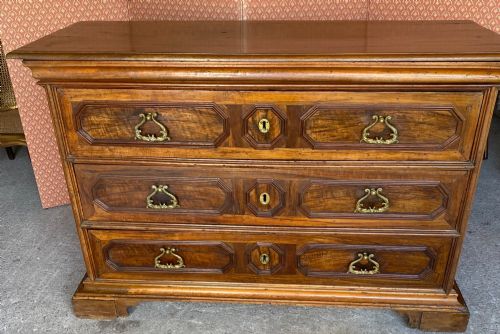
Brown Wooden Panel
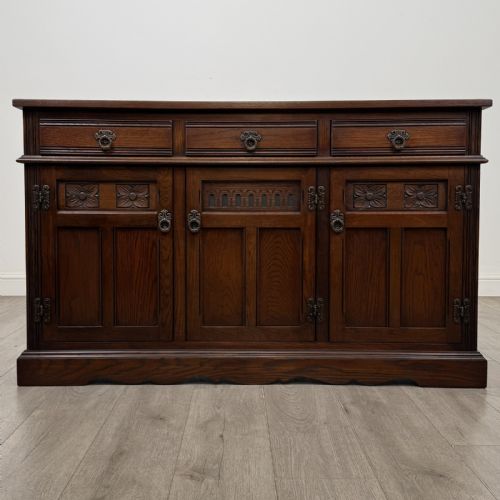
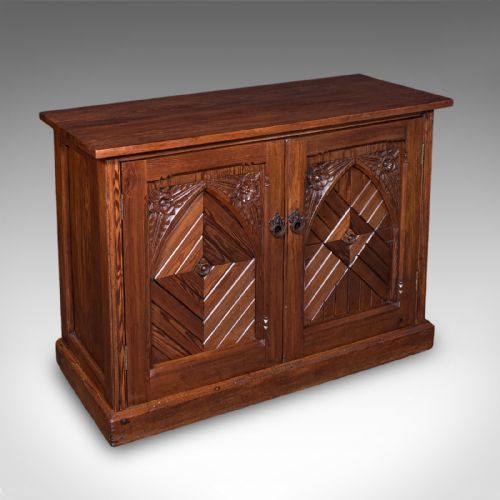
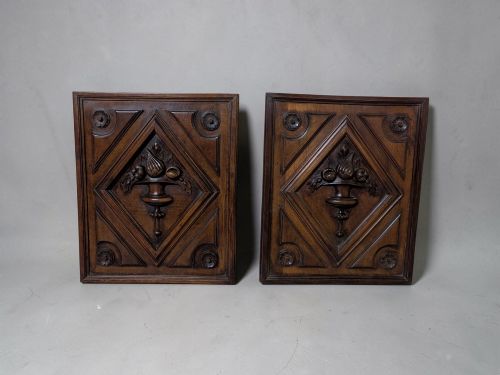
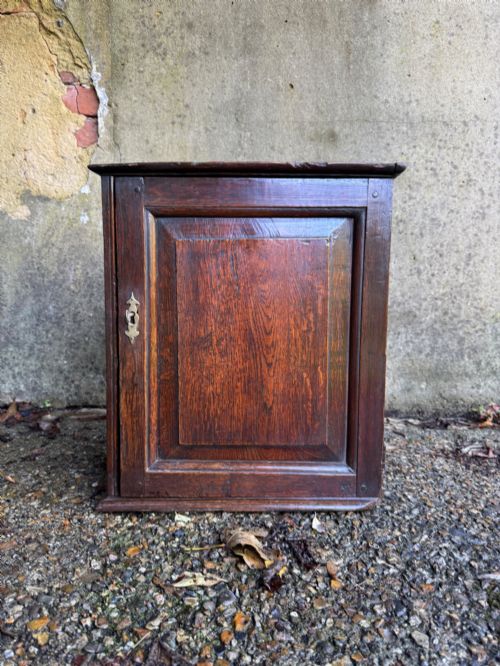
A brown wooden panel brings tactile warmth and historic architectural depth to an interior, whether carved in oak or mounted as part of an antique cabinet.
Brown Wooden Panel
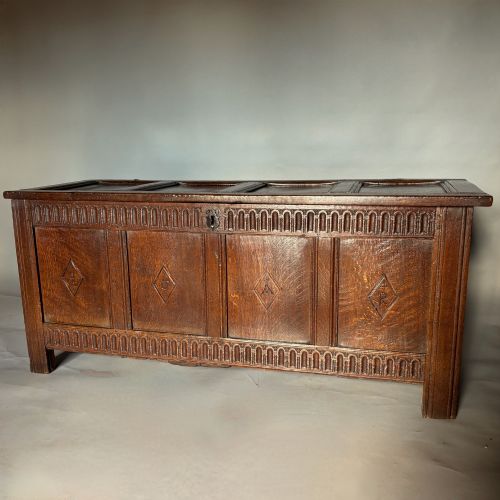
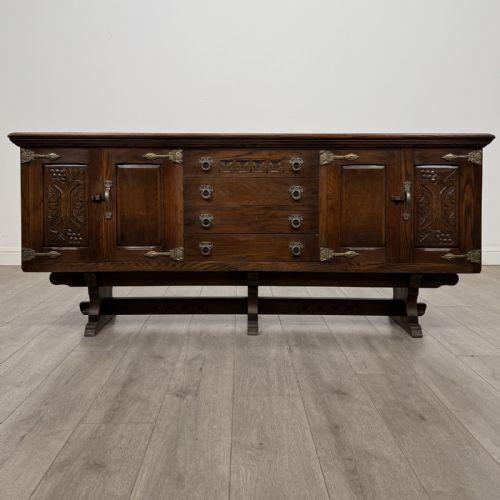
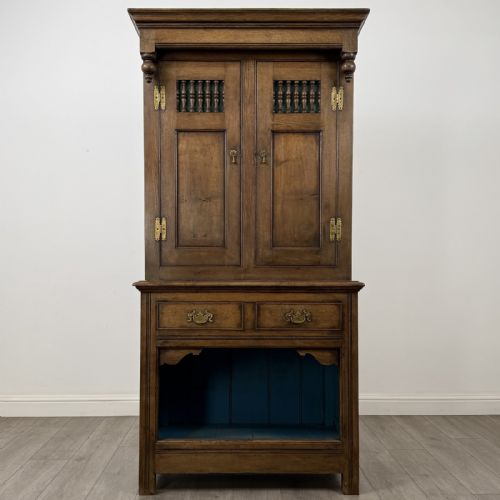
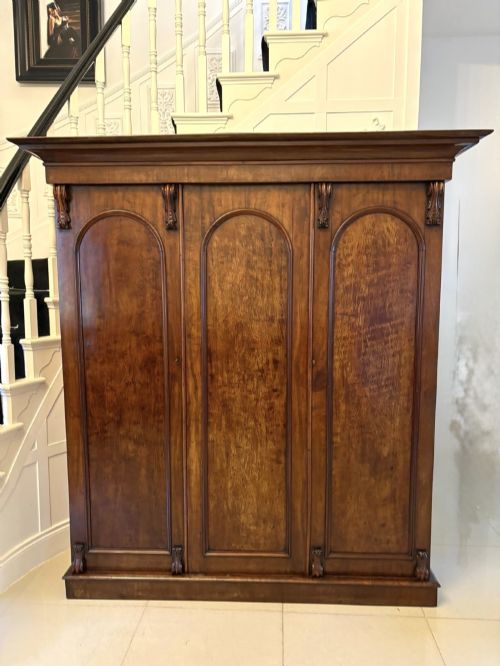
The most frequent examples on this page are constructed from oak, reflecting centuries of vernacular British joinery, alongside mahogany, walnut, and pine elements. These pieces vary widely in scale, from small domestic carvings and spice cupboard doors to expansive overmantel panels and folding screens.
Originating across periods from the 17th century through the early 20th century, these items capture the shifts in domestic taste from austere Jacobean styles to exuberant Victorian Gothic Revival and Arts and Crafts movements. Each brown wooden panel preserves the distinct timber figure and hand-working marks of its original period.
Materials and Construction
Makers relied primarily on native British hardwoods such as oak, alongside imported mahogany and walnut, selected for their grain density and durability. Boards were hand-sawn and planed, often featuring pegged mortise and tenon joints in structural elements or deeply chiselled relief work on decorative surfaces.
Surface finish was achieved through traditional methods involving wax polishing or oil application, which aged over decades to develop a deep patina. Additional detailing incorporates carved pillar panels, applied mouldings, and occasional contrasting inlays of metal or alternative timbers.
Listings feature oak, mahogany, walnut, and pine across 17th century, Georgian, Victorian, and Edwardian periods.
Assessing Quality and Execution
Quality in a brown wooden panel resides in the crispness and depth of the hand-carving rather than uniform machine production. Finer examples display confident chisel work with deliberate undercutting, whereas lesser pieces show softer, shallower detailing typical of later revival factory output.
The integrity of the timber itself dictates the standing of the piece, with quartersawn oak displaying desirable medullary rays and rich figuring. Structural stability, minimal distortion across wide boards, and the retention of original surface patination further separate standard joinery from exceptional historic examples.
The Brown Wooden Panel Glossary
- Coffer
- A heavy wooden chest used for storage, typically constructed from oak with panelled walls and hinged lids. These domestic staples date from the 17th century onwards.
- Tracery
- Openwork or surface pattern in stone or wood, heavily utilised in Gothic Revival design. It mimics flowing architectural arches and geometric window divisions.
- Medullary ray
- A cellular structure radiating outward in timber, particularly prominent in quartersawn oak. Collectors prize this natural figuring for its distinctive silvery fleck.
- Overmantel
- A decorative panel, mirror, or framing structure positioned directly above a fireplace mantel. They often feature architectural mouldings or carved woodwork.
- Patina
- The surface sheen and colour acquired by wood through age, handling, and repeated waxing. A genuine patina develops naturally over centuries of exposure.
Brown Wooden Panel: Frequently Asked Questions
What is a brown wooden panel?
A brown wooden panel is a section of figured timber, carved woodwork, or architectural salvage originating from historic furniture and interiors.
These pieces showcase traditional craftsmanship in oak, walnut, and mahogany, serving as decorative wall art or collectors' items.
How were brown wooden panels used historically?
Historically, these panels functioned as structural wall linings, cabinet doors, coffer sides, or decorative overmantels within domestic and ecclesiastical interiors.
They provided insulation, visual richness, and a display of social status through intricate hand-carved motifs.
How do I date a wooden panel?
Dating relies on identifying the timber species, tool marks from hand planes or saws, and the prevailing decorative style of the period.
Joinery techniques, such as pegged joints or hand-cut dovetails, also indicate whether a piece belongs to the 17th century or later revival eras.
How should I hang a wooden panel?
Hanging requires professional mirror plates or concealed French cleats attached to the rear framework to distribute the weight securely.
Avoid placing heavy wooden panels in areas subject to extreme humidity or direct sunlight to prevent timber warping.