




Brown Wooden Dressing Chest
These brown wooden dressing chest pieces offer period utility and traditional timber craftsmanship, bringing practical storage and dressing surfaces to the bedroom.
Brown Wooden Dressing Chest
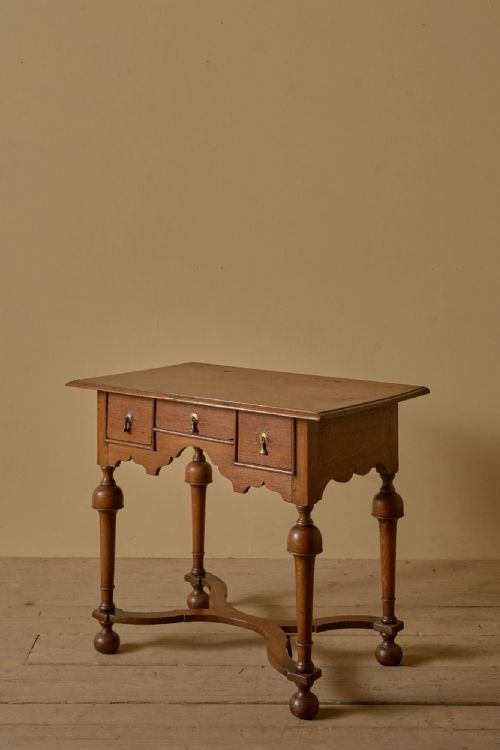
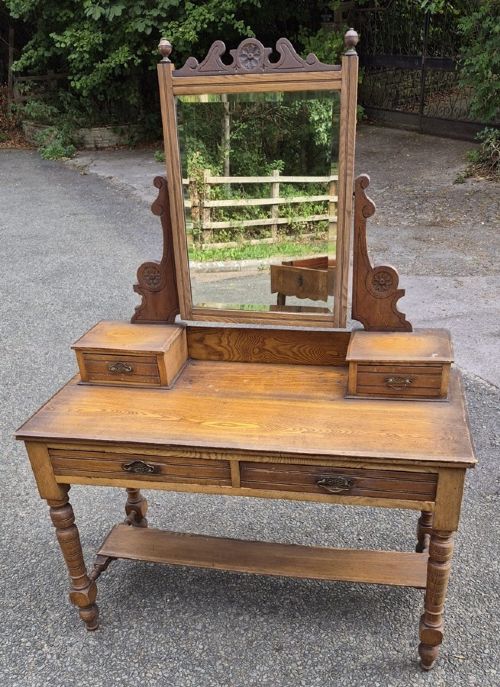
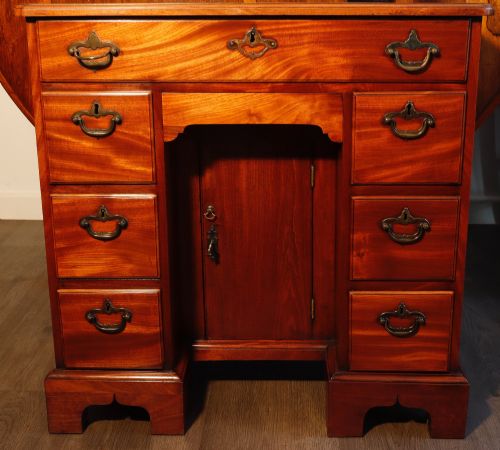
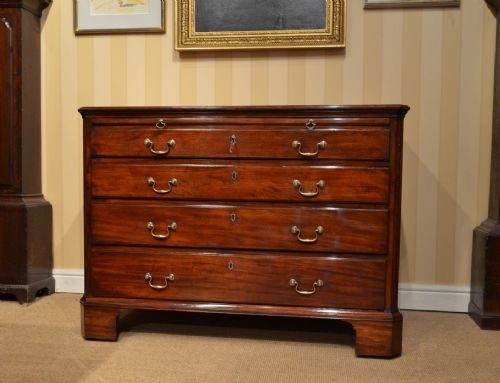
A brown wooden dressing chest brings together traditional drawer storage and a dedicated top surface for grooming or writing. When searching for a brown wooden dressing chest, buyers encounter forms ranging from lowboys and George II dressing chests of drawers to Edwardian satin walnut pieces and Victorian kneehole dressing tables.
The selections span the eighteenth century through the Edwardian era, with Victorian and Georgian examples appearing frequently. These items often incorporate associated pieces such as cheval or table top mirrors and matching chests of drawers.
Origins include English workshops and American pieces from the mid-eighteenth century onward. Buyers find both compact keepsake boxes and substantial multi-drawer items suited to period bedroom settings.
Materials and construction methods
Timber selection defines these pieces, utilising mahogany, walnut, yew wood, fruitwood, satin walnut, and oak. Cabinetmakers employed solid woods alongside figured veneers to achieve varied surface grain patterns.
Brown Wooden Dressing Chest Retail Price Guide 2026
Typical asking prices for brown wooden dressing chest among the pieces listed under this phrase on Sellingantiques today, from the lower quarter to the upper quarter. They describe what is for sale here now, not the wider market.
Listings span the eighteenth century to the Edwardian period, incorporating materials like mahogany, walnut, yew wood, and brass hardware.
Judging quality and execution
Quality diverges in the precision of the timber matching and the subtlety of inlay work like boxwood and satinwood strings. Finer pieces demonstrate careful grain continuity across drawer fronts and harmonious proportions in serpentine or bow front shapes.
The integrity of secondary woods and original brass hardware further distinguishes standard production from exceptional workshops. Construction depth is visible in the dovetail joinery of drawers and the stability of fitted interior compartments.
William Gomm·Heals
The Brown Wooden Dressing Chest Glossary
- Lowboy
- A small colonial or British table with drawers, resembling a low chest of drawers or a dressing table. They typically date from the eighteenth century and stand on slender legs.
- Cheval mirror
- A full-length swing mirror supported on a vertical frame with four feet. These allow the user to adjust the glass angle for viewing attire.
- Parquetry
- Geometric wood mosaic work used for decorative flooring or furniture surfaces. It employs contrasting timbers to create patterned geometric designs.
- Serpentine front
- A furniture front characterised by a concave central section flanked by two convex ends. This fluent curved line demands advanced carpentry skill.
- Kneehole
- A recessed space beneath the centre of a desk or dressing table for the user's legs. It is typically flanked by pedestals containing multiple small drawers.
Brown Wooden Dressing Chest: Frequently Asked Questions
What is a dressing chest?
A dressing chest combines the storage capacity of a traditional chest of drawers with the surface utility of a dressing table. Many examples include integrated mirrors or companion tabletop boxes.
They serve as functional bedroom furniture designed for grooming and garment storage, bridging the gap between tall storage chests and lower dressing desks.
How do I date an antique wooden chest?
Dating relies on observing structural characteristics, timber choices, and decorative styles. Eighteenth-century pieces frequently feature solid mahogany or walnut with hand-cut dovetails, while Victorian and Edwardian examples often introduce machine assistance and varied veneers.
Stylistic markers such as George II proportions, Regency brass details, or Aesthetic movement inlays provide further chronological clues.
Where should I place a dressing chest?
These pieces suit bedrooms and dressing rooms where both surface space and drawer storage are required. Their traditional timber finishes pair well with period architectural details and neutral walls.
Placing them near natural light helps when using the integrated mirrors for daily grooming routines.
What woods were used for these chests?
Cabinetmakers utilised a variety of hardwoods including mahogany, walnut, yew wood, oak, and fruitwood. Secondary timbers often included pine or oak for drawer linings and internal framing.
Decorative surfaces frequently incorporated satinwood and boxwood inlay work alongside parquetry patterns.