







Brown Wooden Decor
Brown wooden decor brings together carved animals, pond yachts and vernacular timber objects from the eighteenth, nineteenth and early twentieth centuries.
Brown Wooden Decor
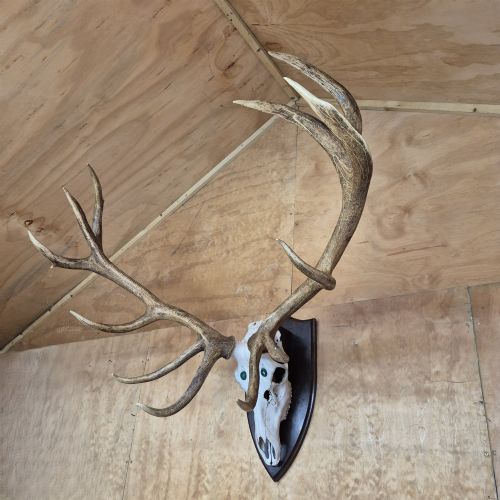
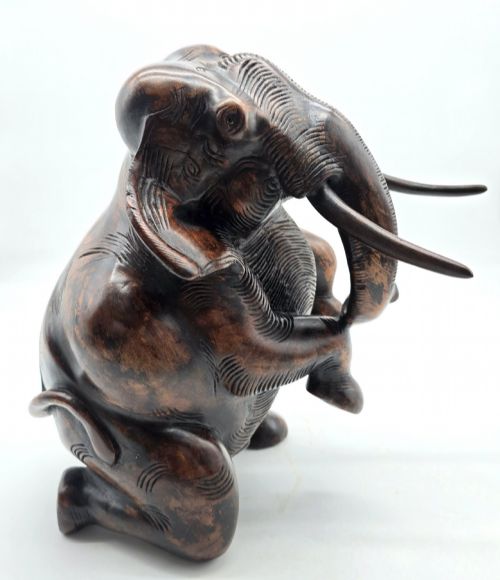
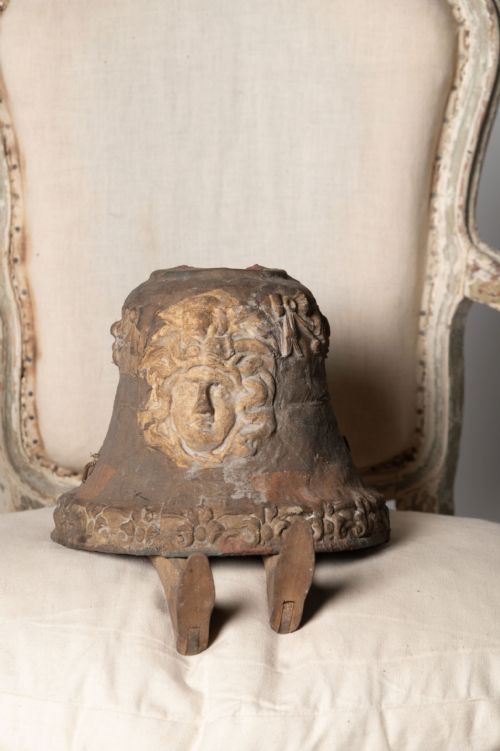
Brown wooden decor encompasses a varied selection of antique furnishings, carved figures, taxidermy mounts and maritime models spanning the eighteenth, nineteenth and early twentieth centuries. Objects range from Black Forest bookends and turned walnut vases to large pond yachts and carved hardwood panels.
Bookends, carved animals, wall mirrors and model boats appear frequently across the nineteenth and early twentieth century dates. Pieces draw on Black Forest, Edwardian, Victorian, Gothic Revival and Art Deco styles, reflecting domestic and decorative tastes of past periods.
How they were made
Items are constructed from a range of timbers including oak, walnut, ash, pine, maple, elm and hard wood, alongside carved linden wood and bamboo. Brass and metal components often supplement the primary wooden structures, particularly in maritime items and barometers.
Traditional carpentry, hand carving and turning shape the structural forms, while surface finishes include polished timber, painted panels and textile elements on embroidered works.
Brown Wooden Decor Retail Price Guide 2026
Typical asking prices for brown wooden decor among the pieces listed under this phrase on Sellingantiques today, from the lower quarter to the upper quarter. They describe what is for sale here now, not the wider market.
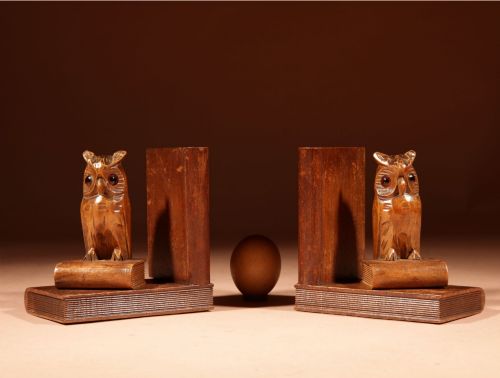
Several carved wooden owls, goldfish and bears keep watch from the bookshelves.
What varies in quality
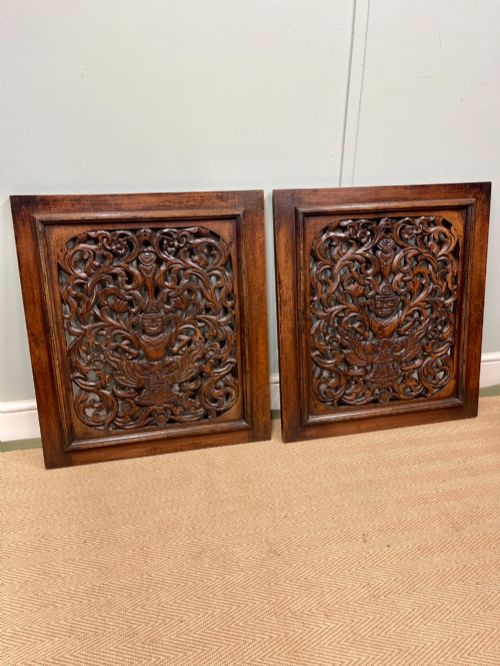
The refinement of the hand carving dictates the visual strength of sculptural works, animal figures and architectural panels, where crisp detail separates accomplished studio output from simpler work. Proportion and scale also influence distinction, particularly in larger items such as pond yachts and mounted antlers.
The choice of material affects the character of each piece, with dense hardwoods and figured timbers yielding superior tactile and visual depth compared to utility woods.
Edward Gerrard and Sons
The Brown Wooden Decor Glossary
- Black Forest
- A nineteenth and early twentieth century style of wood carving originating from the mountainous region of Central Europe, typically depicting bears, owls, dogs and wildlife in realistic poses.
- Pond yacht
- A large model sailing boat designed for recreational racing on park lakes, often featuring substantial wooden hulls and detailed rigging dating from the Victorian and Edwardian eras.
- Taxidermy mount
- The preserved skin of an animal mounted over a sculptural form, including deer heads and trophy horns recorded from the late nineteenth and early twentieth centuries.
- Turned wood
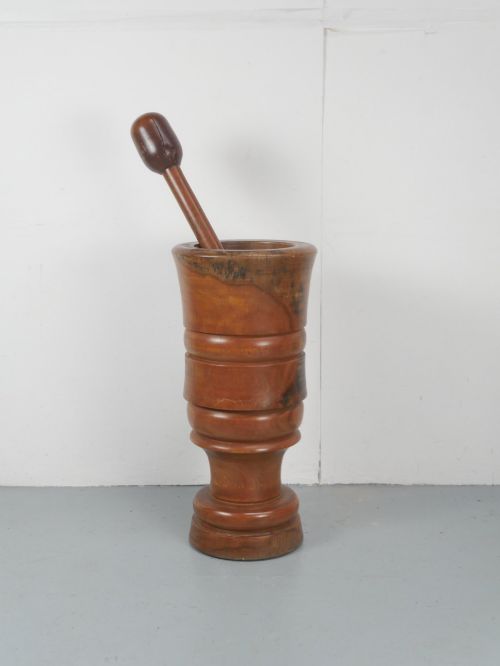
- Items shaped on a lathe to create symmetrical decorative forms, such as neoclassical vases and architectural supports.
- Pulley block
- A maritime wooden casing enclosing one or more sheaves used for hoisting rigging on ships.
Brown Wooden Decor: Frequently Asked Questions
What periods do these wooden items come from?
The pieces span from the eighteenth century through the Victorian and Edwardian eras up to the early decades of the twentieth century. Materials and styles align with these historical periods.
Craftsmanship reflects the prevailing decorative trends of each respective decade, from ornate neoclassical turnery to rustic animal carvings.
How were model pond yachts used originally?
Large pond yachts served as recreational sailing models for use on park lakes during the Victorian and Edwardian periods. Enthusiasts sailed them competitively or for leisure.
Their substantial hulls and rigged decks required careful handling on the water by their owners.
How do I identify a nineteenth century barometer?
Nineteenth century barometers, such as Admiral Fitzroy designs, combine wooden wall mountings with glass instrument tubes and recording scales. They were housed in decorative timber cases to monitor atmospheric pressure.
Clues to their age lie in the style of the timber housing, dial typography and the specific meteorological instructions printed on the face.