





Brown Wooden Counter
A brown wooden counter brings practical utility and warmth to a room, offering sturdy surfaces shaped by commercial and domestic use over the centuries.
Brown Wooden Counter
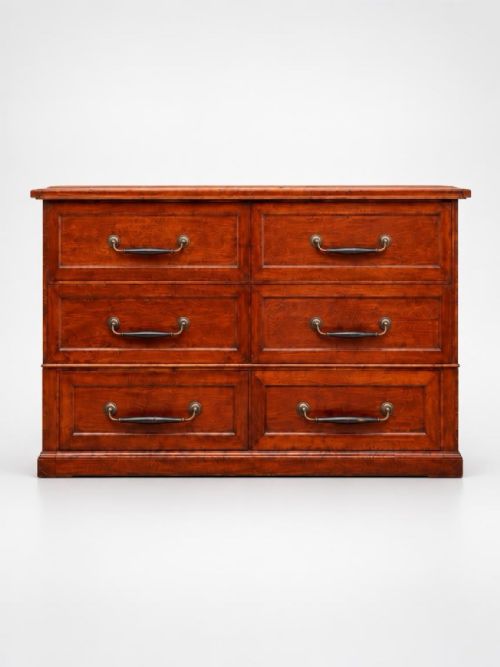
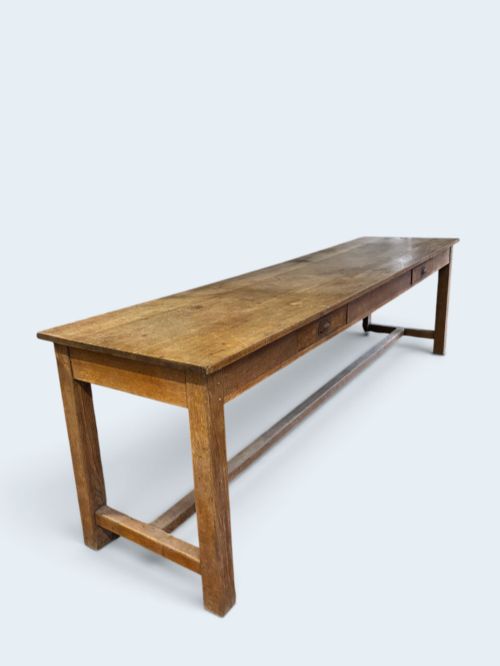
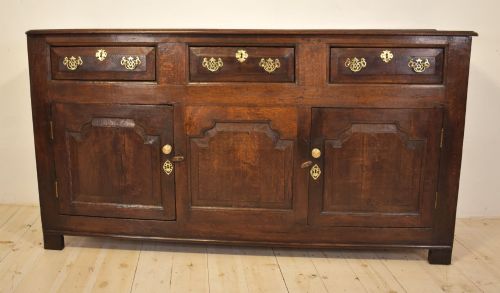
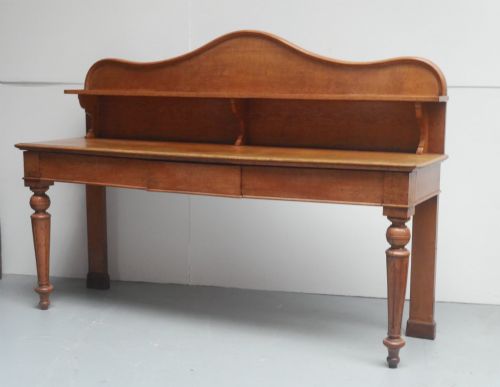
When you search for a brown wooden counter, you encounter a variety of forms designed for commerce, hospitality, and daily domestic life. The listings feature serving tables, shop counters, and display cabinets originating from periods ranging from the eighteenth century through the early twentieth century.
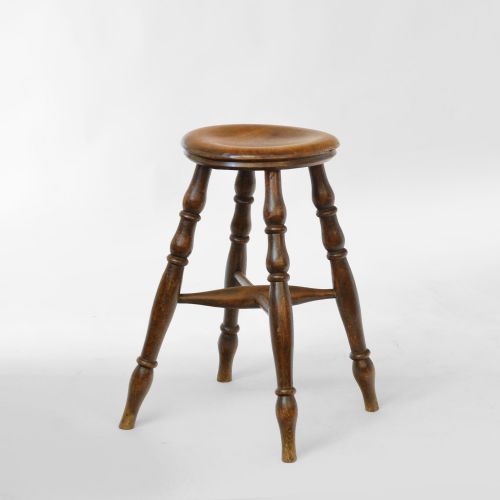
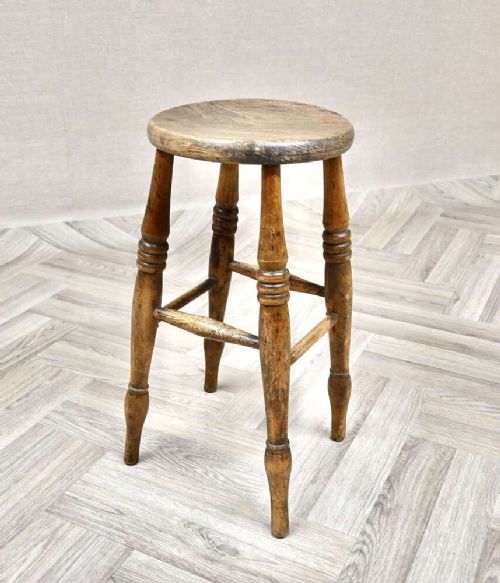
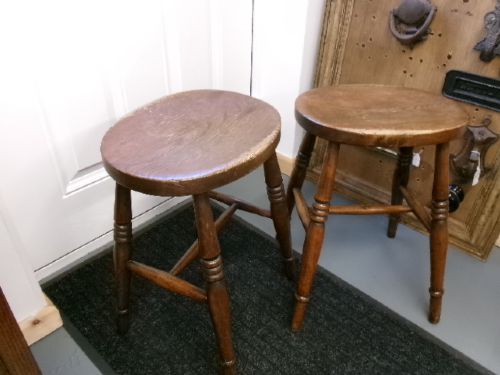
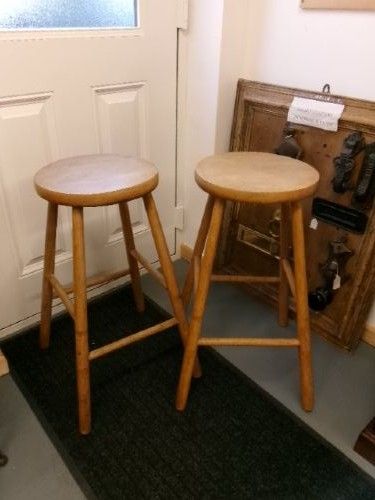
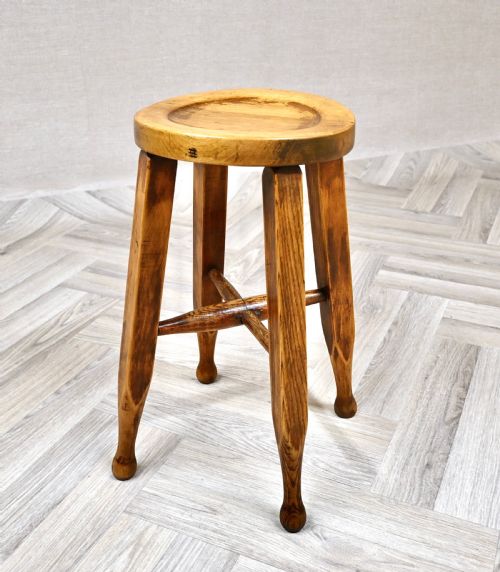
Stools and display cases form a significant part of the selection, reflecting the functional requirements of past trades and country houses. These pieces originate from distinct stylistic backgrounds, including Victorian, Georgian, and rustic farmhouse traditions.
Oak, mahogany, elm, and pine provide the foundational structure for these items, shaped into items like serving tables, apothecary boxes, and shop tills. The survival of these pieces demonstrates their original robust construction.
What varies in quality
The standard of a piece depends upon the selection of timber and the integrity of its joinery. Solid oak and figured mahogany examples demonstrate superior material choice compared to utilitarian pine or mixed hardwoods.
Proportion and the preservation of original surfaces distinguish finer examples. Pieces that retain their unaltered patination and functional hardware reflect a higher degree of historical integrity.
Brown Wooden Counter Retail Price Guide 2026
Typical asking prices for brown wooden counter among the pieces listed under this phrase on Sellingantiques today, from the lower quarter to the upper quarter. They describe what is for sale here now, not the wider market.
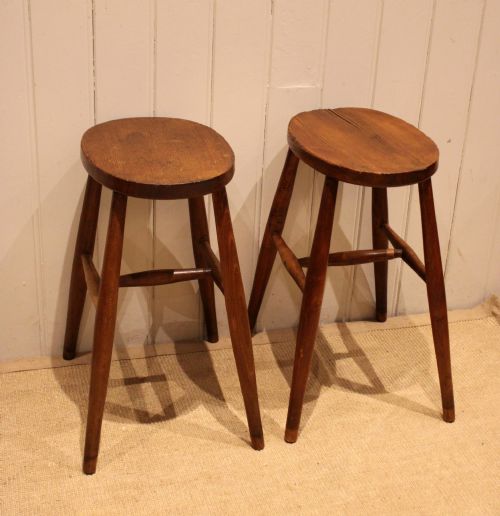
Pub stools made of wild elm invite you to imagine the tavern gossip they quietly supported over the last two centuries.
The Brown Wooden Counter Glossary
- Dovetail
- A joint used in drawer construction, formed by interlocking wedge-shaped fingers. This method provides high tensile strength without relying on metal fasteners.
- Patina
- The surface sheen and colour developed by wood and other materials through age, handling, and regular polishing. It serves as an indicator of a piece's age and history.
- Sideboard
- A large piece of dining furniture used for serving food, storing cutlery, and displaying tableware. They frequently feature drawers and cupboards arranged beneath a wide top surface.
- Sycamore
- A dense hardwood native to Europe, often utilised for turned objects and stool tops due to its resistance to splitting. Its pale colour darkens gracefully over time.
- Bentwood
- Wood that has been rendered pliable by steam and bent into curved structural forms. This technique gained prominence during the nineteenth century for producing lightweight seating.
Brown Wooden Counter: Frequently Asked Questions
What periods do these counters and tables come from?
The pieces span from the eighteenth century through the art deco era of the early twentieth century. Common eras represented include the Georgian, Victorian, and Edwardian periods.
Craftsmanship shifted over these decades from entirely hand-worked joinery to incorporate early industrial techniques while retaining solid timber construction.
How were these wooden items originally used?
Many items served commercial and domestic functions, acting as shop counters, serving tables in country houses, or display cases for goods.
Stools and display cabinets supported trade in pubs, apothecaries, and general stores, while serving tables managed hospitality in large residences.
How do I care for antique wooden furniture?
Maintain antique timber by keeping it away from direct sunlight and rapid temperature fluctuations that can cause wood to dry and split. Regular dusting with a soft cloth prevents accumulation.
Apply occasional applications of traditional beeswax polish to nourish the grain and preserve the historic surface sheen.
What woods are most commonly found?
Oak and mahogany appear frequently across the listings, valued for their durability and rich grain patterns. Elm and pine also feature prominently in country furniture and utilitarian seating.
Hardwoods were selected according to the intended function of the piece, whether for heavy-duty commercial use or refined domestic display.