

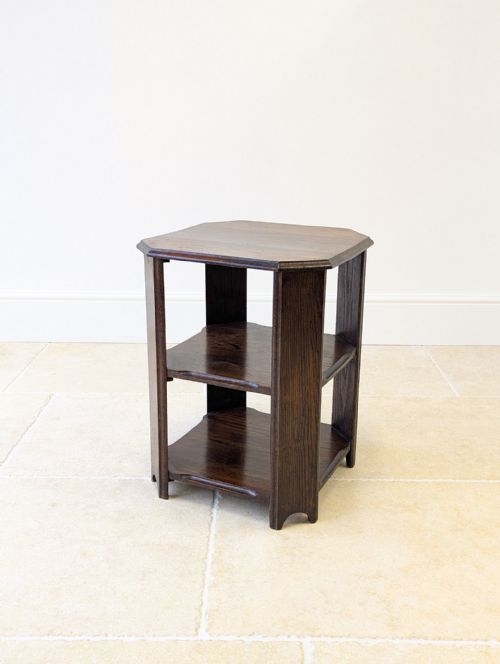
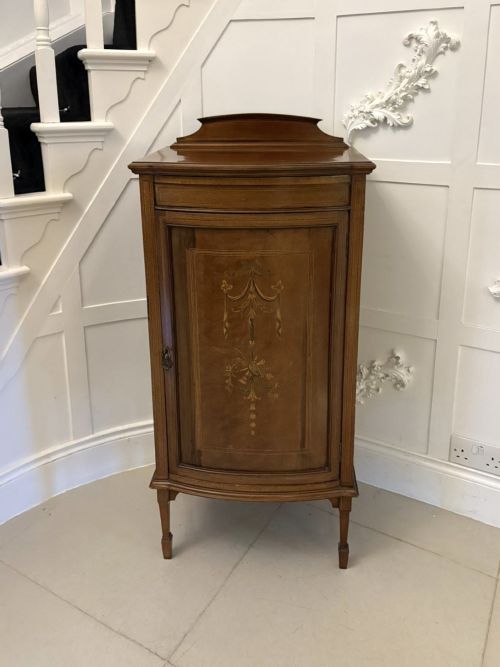
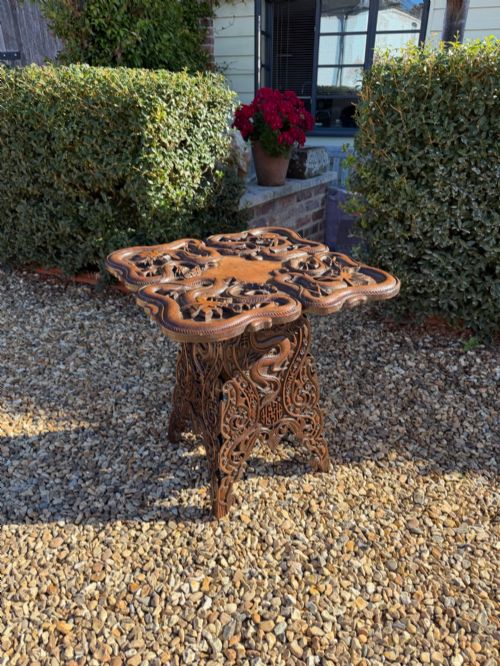
Brown Wooden Corner Table
A brown wooden corner table brings awkward, unused room angles into service with timber warmth and period utility.
Brown Wooden Corner Table
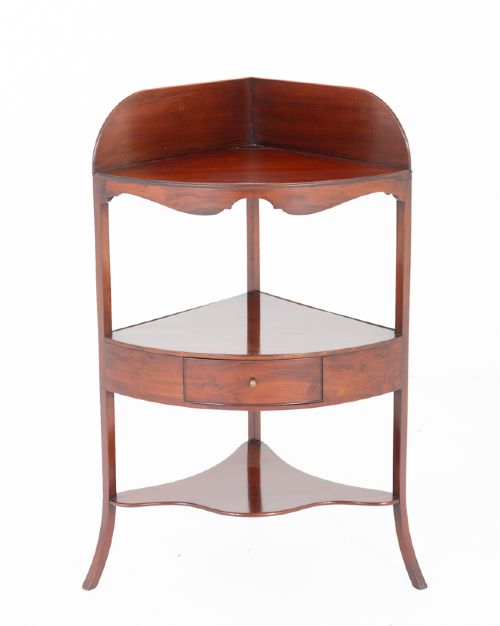
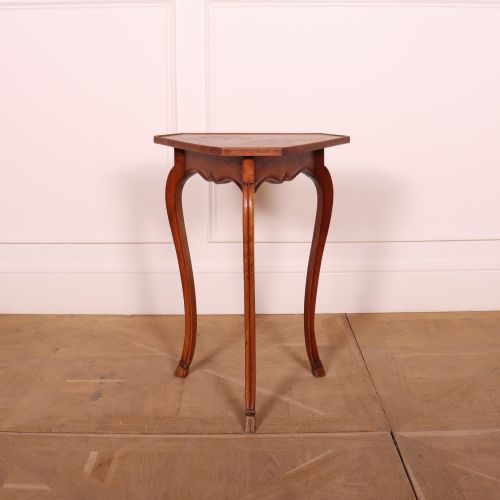
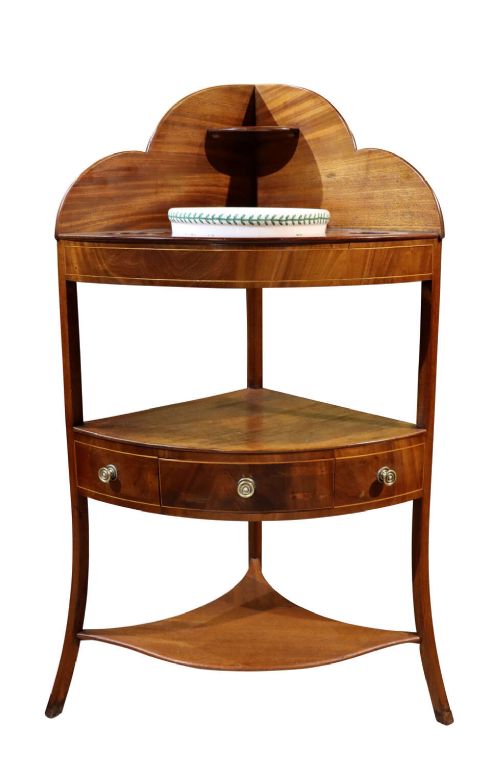
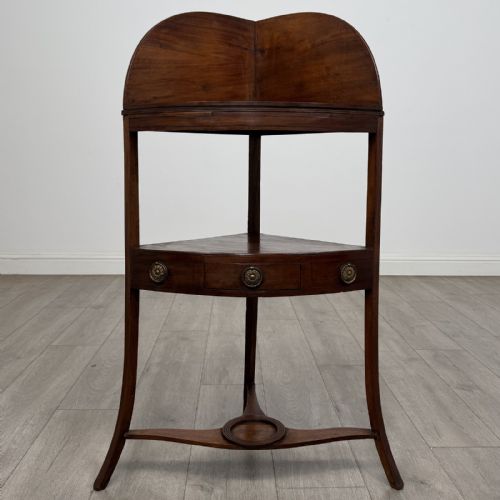
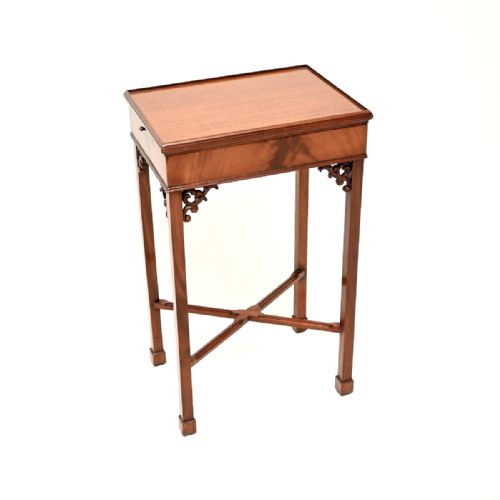
A brown wooden corner table most commonly appears here as a Georgian mahogany corner washstand, designed to fit snugly into a domestic angle while offering surface space for washware or lamps. These practical pieces span the Georgian, Regency and Victorian eras, utilising the natural geometry of intersecting walls to save floor space in smaller chambers.
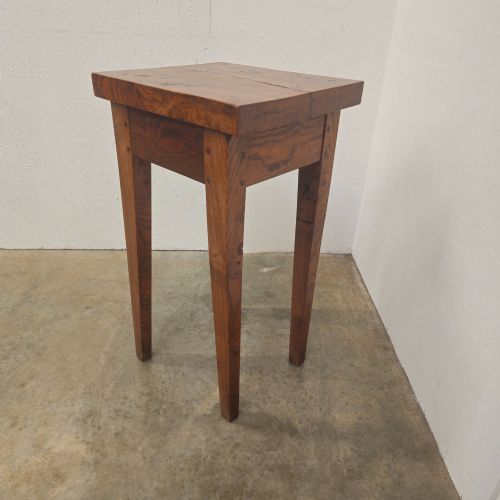
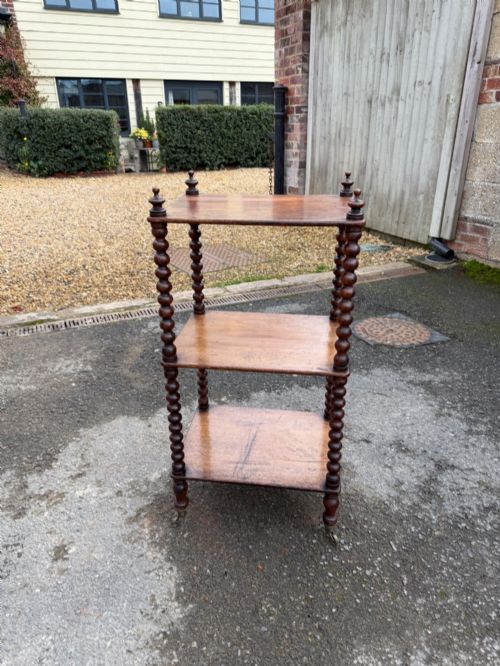
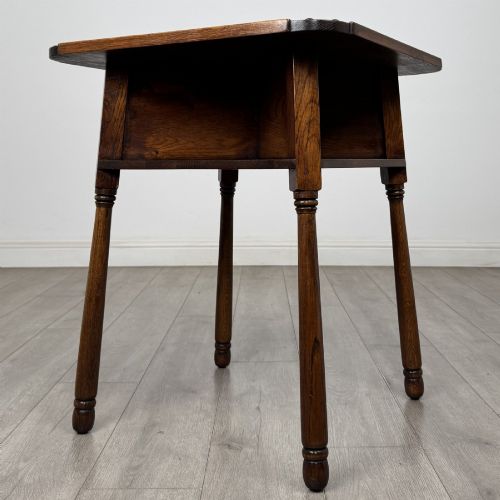
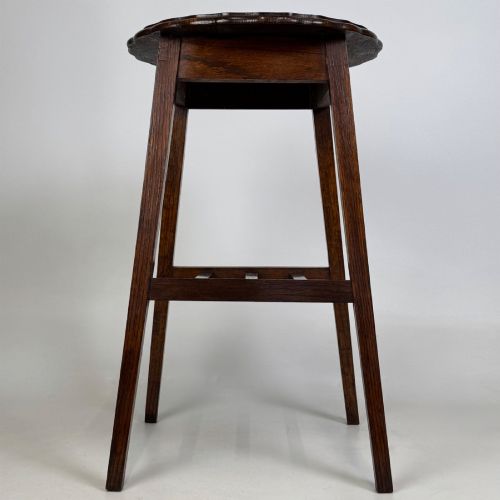
Beyond washstands, the selection encompasses corner stands, side cabinets and standing cupboards shaped from oak, walnut and yew. Makers across the eighteenth and nineteenth centuries adapted these sturdy timber surfaces to fit domestic corners, producing functional furniture that remains entirely practical for contemporary interiors.
Materials and construction
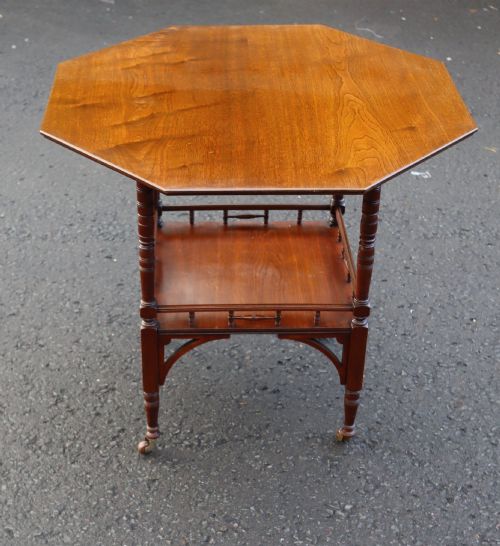
Cabinetmakers built these corner pieces primarily from mahogany, oak and walnut, selecting dense hardwoods capable of supporting heavy basins, lamps or books. Timber selection determined the weight and durability of each piece, with mahogany and yew providing fine grain patterns that responded well to turning and polishing.
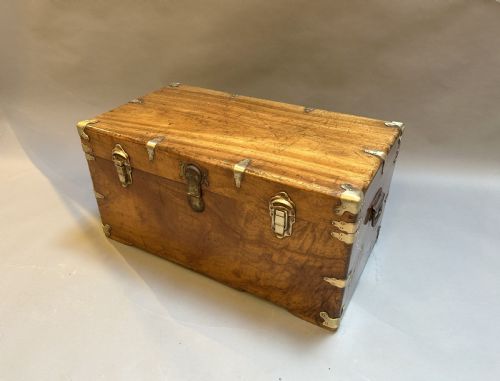
Joinery techniques relied on precise angled framing and sturdy legs to ensure stability without requiring wall fastening. Brass fittings appeared on campaign variations and drawer mounts, while satinwood inlay decorated later Edwardian iterations.
Brown Wooden Corner Table Retail Price Guide 2026
Typical asking prices for brown wooden corner table among the pieces listed under this phrase on Sellingantiques today, from the lower quarter to the upper quarter. They describe what is for sale here now, not the wider market.
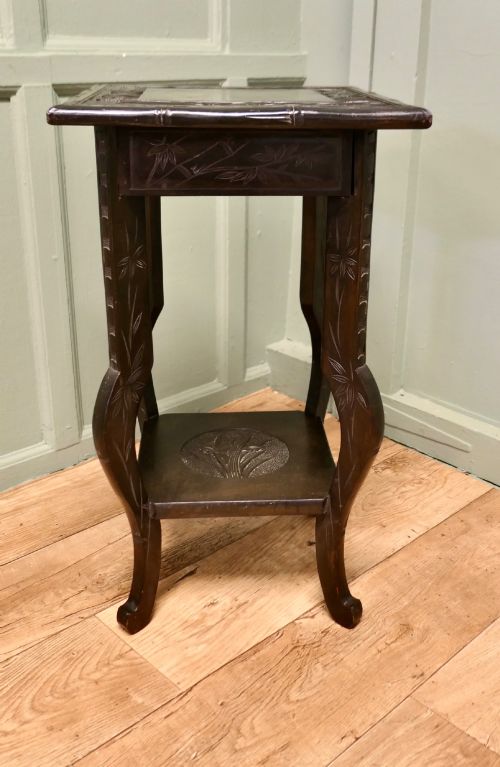
Listings feature items spanning the eighteenth, nineteenth and early twentieth centuries, constructed from mahogany, oak, walnut, camphor wood and yew.
Assessing craftsmanship
Quality rests in the precision of the corner joints and the choice of timber figure rather than surface ornamentation alone. Superior examples display thoughtful timber selection where the grain matches across visible surfaces and drawer fronts.
The integrity of the internal framing and original timber determines the enduring value of a corner table. Pieces retaining their original brass hardware, uncompromised gallery rails and stable tripod or three-legged bases demonstrate superior original manufacture.
The Brown Wooden Corner Table Glossary
- Corner Washstand
- A triangular or bow-fronted table built to fit into a room corner, often featuring circular cutouts on the top surface for washbowls and pitchers.
- Gallery
- A raised wooden edge or rim running along the perimeter of a table top to prevent items from sliding off.
- Campaign Style
- Furniture constructed with portability in mind, frequently featuring recessed brass carrying handles, corner brackets and dismantling sections.
- Yew Wood
- A dense, heavily figured timber prized by cabinetmakers for its rich colour and distinctive swirling grain patterns.
- Tripod Table
- A small occasional table supported by a central pillar resting on three spreading feet.
Brown Wooden Corner Table: Frequently Asked Questions
Where do I put a corner table?
These tables fit directly into vacant room angles where standard rectangular furniture leaves dead space. They provide a sturdy surface for lamps, plants or decorative objects without jutting into walking paths.
Placing one in a hallway, bedroom or living room corner draws the eye upward and activates neglected areas of the room.
Were corner washstands meant for washing?
Georgian and Regency versions were originally constructed to hold basins, ewers and personal grooming items in bedrooms before plumbed bathrooms existed. The top tier typically holds circular cutouts designed to secure the washbasin safely.
Today, those same basins cutouts easily accommodate potted plants or serve simply as decorative lamp tables.
How do I date a wooden corner table?
Dating relies on observing the combination of timber species, leg turning style and construction methods. Georgian examples often showcase solid mahogany and graceful splayed legs, while Edwardian pieces may feature inlaid satinwood and lighter framing.
Examining the underside and drawer construction reveals hand-cut dovetails or machine tooling that helps narrow down the era of manufacture.
Can these tables hold heavy lamps?
Solid hardwood construction ensures these tables easily support standard table lamps, books and heavy decorative objects. The three-legged or bracketed corner design distributes weight effectively against the supporting walls.
Checking the stability of the joints and legs confirms whether a particular piece handles weight securely.