
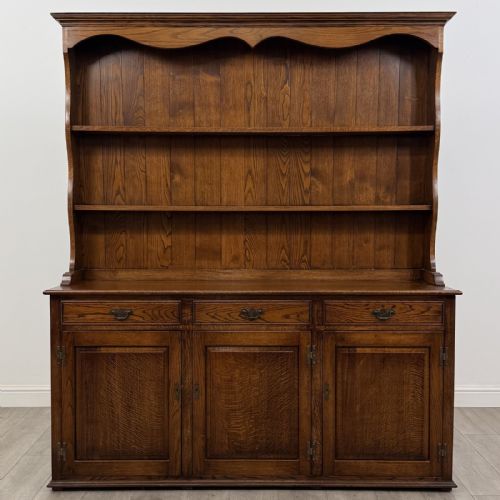
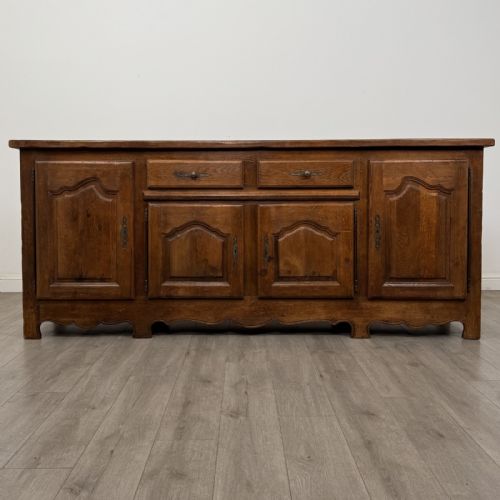
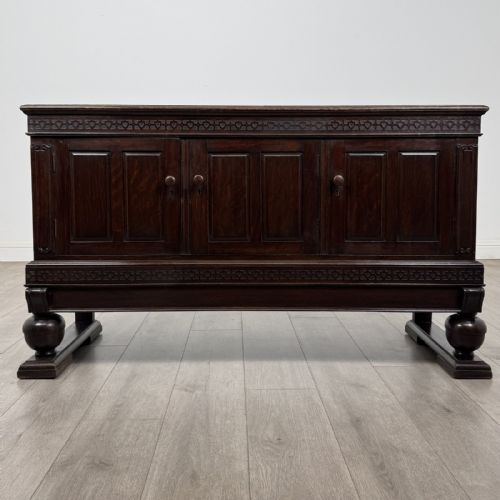
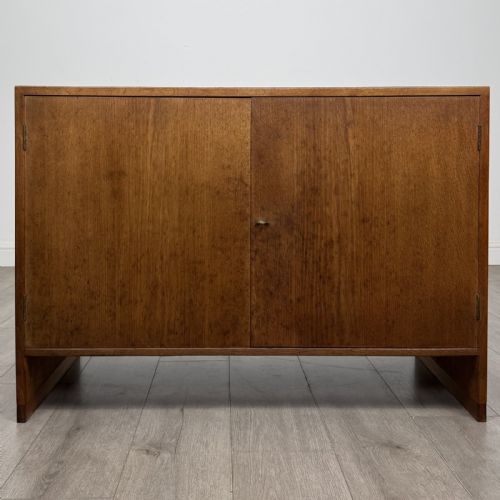
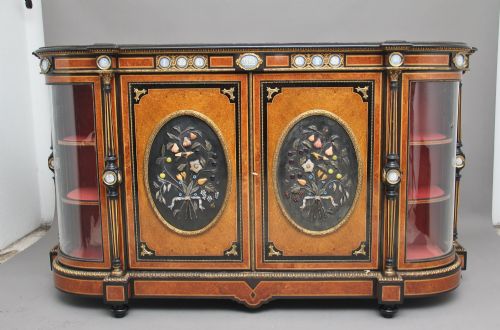
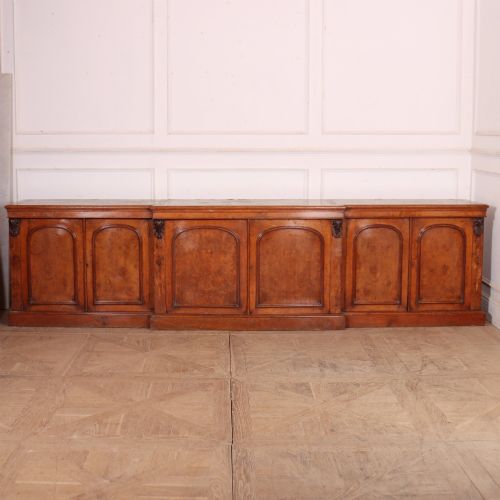
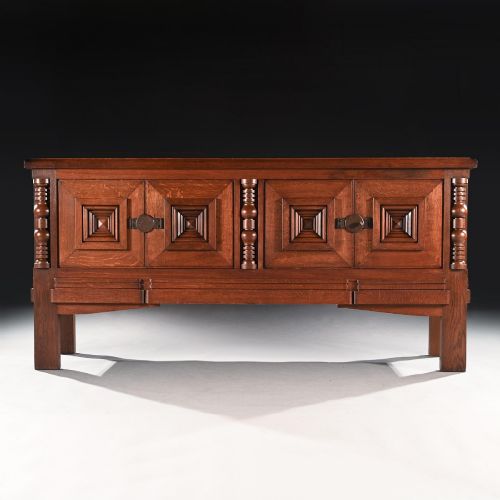
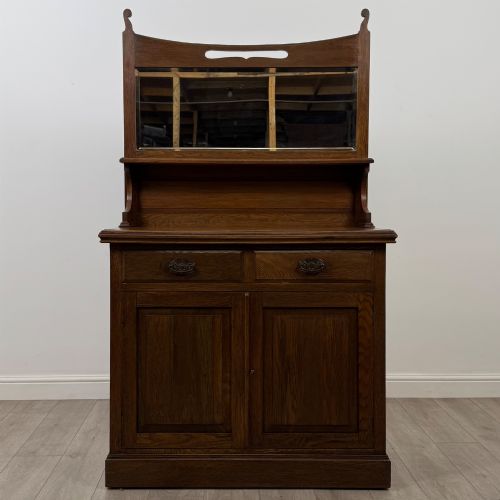
Brown Wooden Buffet Cabinet
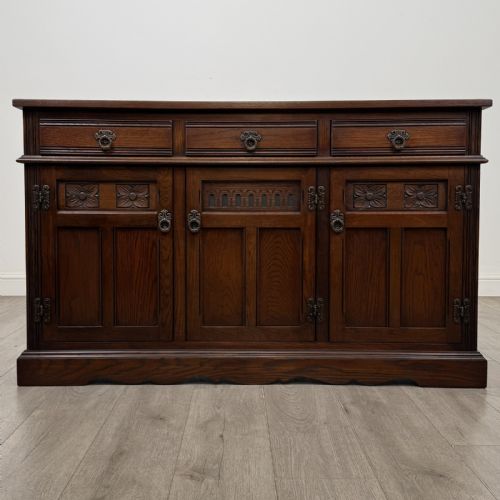
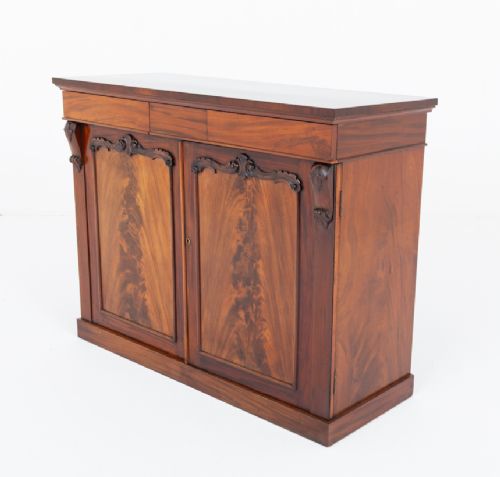
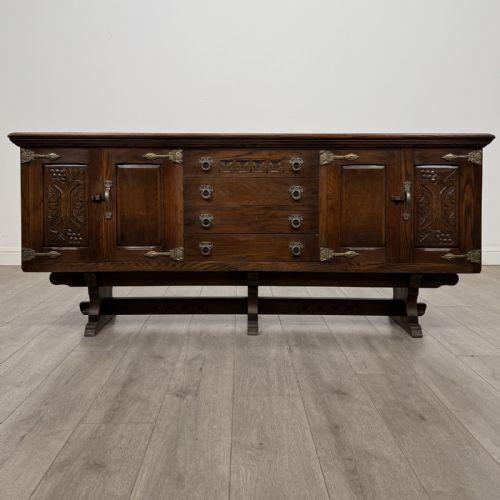
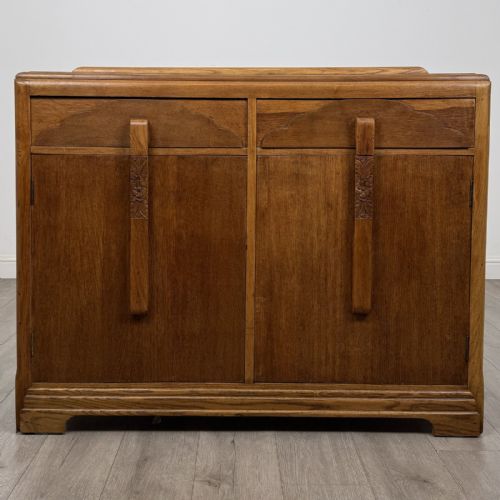
These brown wooden buffet cabinet pieces are sturdy storage furniture built to hold dining silver and linen, offering a solid surface for serving food.
Brown Wooden Buffet Cabinet
A brown wooden buffet cabinet search brings up heavy timber storage furniture designed for dining rooms and kitchens. These items serve primarily to hold tableware, cutlery, and linens while providing a top surface for food service.
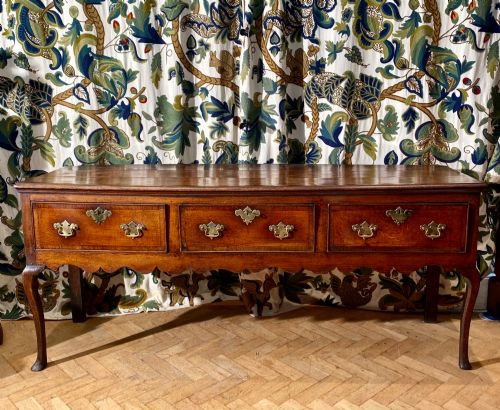
The pieces meeting this description appear across numerous periods, running from the eighteenth century through to the twentieth century. They manifest as sideboards, dressers, side cabinets, and housekeepers cupboards.
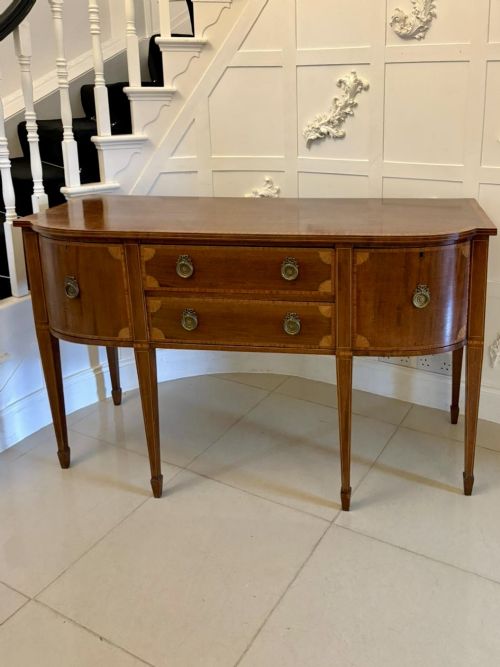
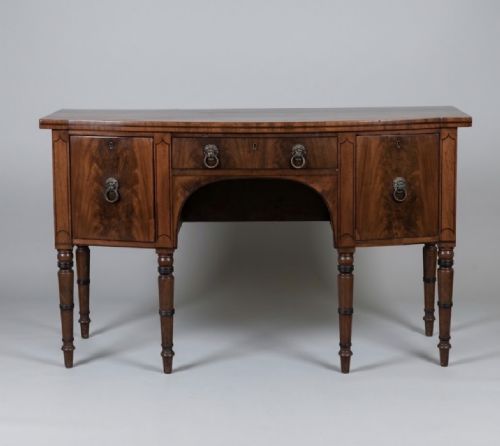
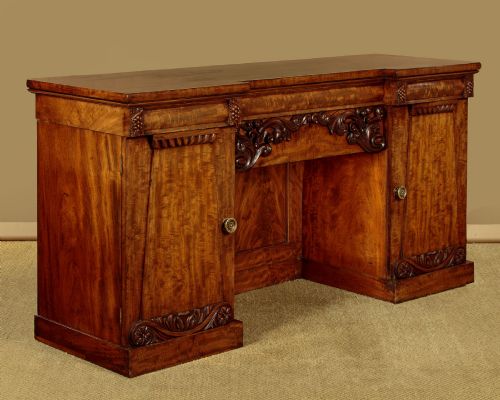
Mahogany and oak dominate the timber choices, often shaped into bow-front or breakfront profiles. Makers constructed these items in styles ranging from Georgian and Regency to Edwardian and Arts and Crafts.
How they were made
Cabinet makers utilised dense hardwoods like mahogany, oak, and walnut, frequently applying veneers of burr walnut, flame mahogany, or satinwood to visible surfaces. Inlays of boxwood and brass fittings provided decorative contrast on drawer fronts and doors.
Joinery techniques relied on solid timber construction for frames, incorporating dovetailed drawer boxes and panelled doors. Finishing involved hand polishing, waxing, or retaining original paint layers on utilitarian kitchen pieces.
One French tramp art piece transforms humble wooden cigar boxes into a textured buffet table cabinet.
What varies in quality
The standard of timber selection divides the range, marked by the presence of highly figured veneers, matched grain patterns, and careful crossbanding. Plain, utilitarian boards sit at one end, while richly patterned pollard oak or burr walnut occupy the upper tier.
Craftsmanship in the joinery and detailing dictates the overall worth of each example. Finely carved mouldings, precise inlay work, and original brass hardware distinguish superior items from simpler regional carcases.
Whytock and Reid·M. D. Miller and Sons
The Brown Wooden Buffet Cabinet Glossary
- Bow front
- A convex, curved cabinet front that projects outward in an arc. This curved shape gained popularity in the late eighteenth and nineteenth centuries.
- Chiffonier
- A small sideboard or low cupboard equipped with shelves or drawers. These pieces typically date from the Regency and Victorian periods.
- Crossbanding
- A strip of veneer applied perpendicularly to the grain of the main surface. It forms a decorative border around drawer fronts or table tops.
- Breakfront
- A piece of furniture where the central section projects forward from the flanking sides. This architectural layout creates depth and visual interest in large sideboards.
- Dresser base
- The lower section of a kitchen or dining room dresser, featuring cupboards and drawers without the upper shelving rack. These sturdy items functioned as primary work and storage surfaces.
Brown Wooden Buffet Cabinet: Frequently Asked Questions
What is a brown wooden buffet cabinet used for?
These pieces provide heavy storage for dining rooms, holding plates, bowls, cutlery, and table linens inside cupboards and drawers. The flat top surface functions as a convenient station for serving food and displaying decorative objects during meals.
Historically, they sat against dining room walls to assist servants during large dinner parties. Today, they serve similar organizational functions in modern domestic spaces.
How do I date a wooden sideboard?
Dating relies on examining the timber species, construction methods, and stylistic details present in the carcase. Eighteenth-century examples often feature straight-grained mahogany or oak with hand-cut dovetails, while Victorian and Edwardian pieces frequently showcase machine-sawn elements and different veneer treatments.
Hardware styles, such as brass ring pulls or cast drop handles, also offer clues to the decade of manufacture. Comparing the overall silhouette against known design periods helps narrow down the timeframe.
Where should I place a buffet cabinet?
Dining rooms remain the traditional location, positioned against a main wall to store tableware and assist with meal service. They also function well in large hallways or living rooms where extra storage and surface space are required.
Care should be taken to keep wooden furniture away from direct heat sources and strong sunlight to prevent the timber from drying out or fading. Ensuring adequate clearance around doors and drawers allows for easy daily access.
How do I clean and maintain antique wood?
Routine maintenance involves dusting with a soft, dry cloth to prevent grit accumulation on the polished surfaces. Applying a traditional beeswax polish periodically helps nourish the timber and maintain a gentle sheen.
Avoid using modern silicone sprays or abrasive household cleaners, as these can damage old polishes and veneers. Keeping the room at a stable humidity level protects the wooden joints from movement and splitting.