

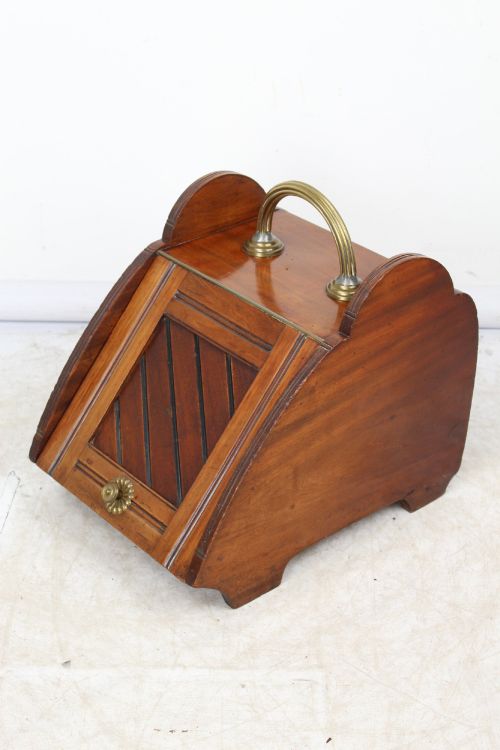
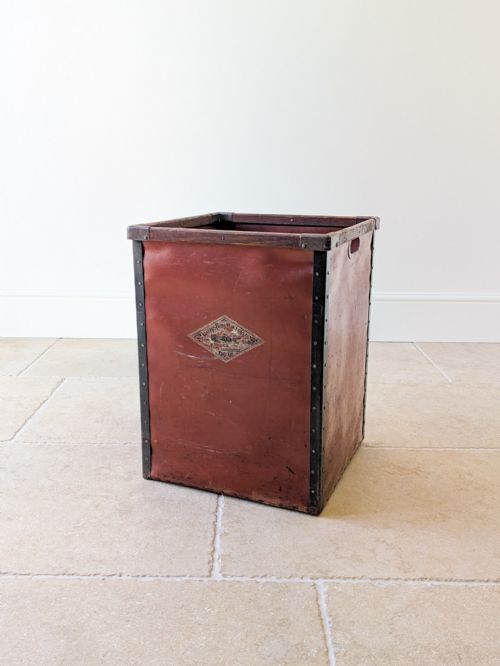


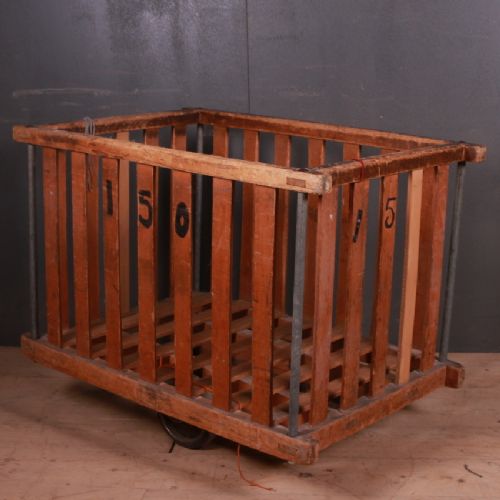


Brown Wooden Bin
A brown wooden bin brings honest utility and warmth to a fireside or hallway, hiding clutter while grounding a room in tactile history.
Brown Wooden Bin
The materials and styles on this page lean heavily towards rich hardwoods like oak, mahogany and walnut, often reflecting English traditional or rustic country aesthetics. Buyers encounter everything from coopered oak fire buckets to inlaid rosewood coal boxes and French walnut dough prooving boxes.
Many items double as fireside storage, combining functional metal liners or shovels with decorative brass handles and hinges. Whether searching for a utilitarian mill bin or a refined storage chest, the selection focuses on robust wooden construction designed to endure daily use.
Materials and construction
Makers relied on durable timbers such as oak, elm, mahogany and walnut, selecting each wood for its strength and grain character. Coopered techniques using staves and metal bands appear frequently in cylindrical bins and buckets.
Joinery methods range from straightforward dovetailed boxes to turned spindle work and shaped panels. Metal components like brass handles, hinges and iron liners provide functional reinforcement to the wooden bodies.
Brown Wooden Bin Retail Price Guide 2026
Typical asking prices for brown wooden bin among the pieces listed under this phrase on Sellingantiques today, from the lower quarter to the upper quarter. They describe what is for sale here now, not the wider market.
Materials span oak, mahogany, walnut, elm, brass and iron across Victorian, Edwardian and Georgian periods.
Markers of quality
Quality rests upon the integrity of the timber selection and the precision of the construction, whether in hand-cut dovetails or tightly fitted coopered staves. Finer examples display thoughtful decorative details such as intricate wood inlay, carved mouldings or substantial brass mountings.
The survival of original elements, including interior metal liners, shovels or specific hardware, elevates a piece from a basic utility item to a collected antique. Proportion and finish also dictate worth, with well-balanced dimensions and a rich, patinated surface standing apart from simpler or heavily restored items.
Liberty London
The Brown Wooden Bin Glossary
- Coopered
- Built using narrow wooden staves bound together by metal hoops, much like a barrel. This technique ensures watertight or sturdy joints in round bins and buckets.
- Purdonium
- A specific type of coal box featuring a sloping front door and a hinged lid, often fitted with a removable interior metal scuttle and a shovel slot.
- Dough bin
- A utilitarian wooden trough or box with a lid, traditionally used for kneading and proving bread dough in rural households before becoming general storage.
- Metamorphic
- Describing furniture that transforms or conceals its primary function, such as a coal scuttle that disguises its metal lining beneath decorative woodwork.
Brown Wooden Bin: Frequently Asked Questions
What is a brown wooden bin used for?
These versatile wooden containers historically served practical domestic functions such as holding coal by the hearth, storing flour in the kitchen, or keeping firewood close at hand.
Today, they find new purpose in living spaces as stylish repositories for logs, blankets, magazines, or general household clutter.
How do I care for antique wood?
Keep wooden bins away from direct heat sources like radiators and open fires, as excessive warmth can cause the timber to dry out and split.
Apply a traditional beeswax polish occasionally to nourish the grain and maintain a natural, protective surface sheen.
Are original metal liners common?
Many coal scuttles and fireside bins retain their original removable metal liners, which protected the surrounding wood from moisture and debris.
Finding a piece with its original liner and matching shovel adds notable authenticity and completeness to the item.
How do I date a wooden bin?
Dating relies on examining the timber species, construction techniques like dovetailing or coopering, and any decorative hardware or style markers.
Victorian and Edwardian pieces often feature more elaborate brass work and inlays, whereas Georgian items tend to display simpler, robust joinery.