




Brown Wooden Antlers
Brown wooden antlers bring the rugged spirit of the Victorian Scottish Highlands directly into a room, offering striking focal points for country houses and lodges.
Brown Wooden Antlers
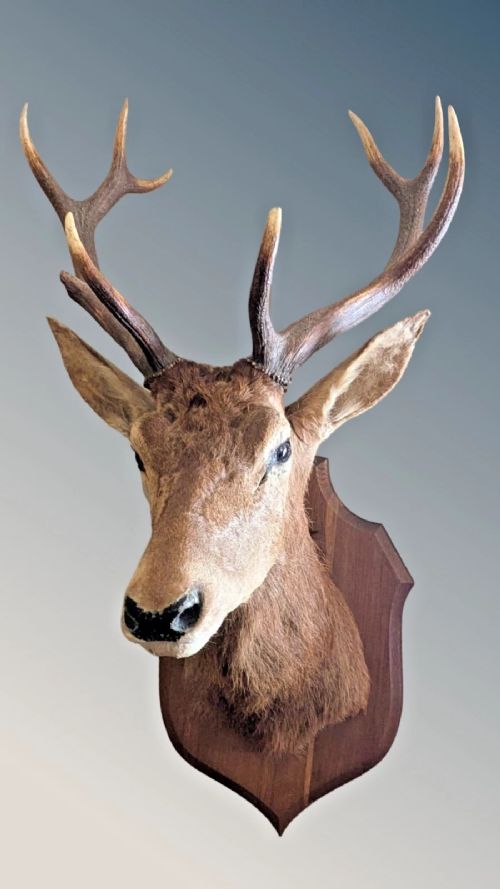
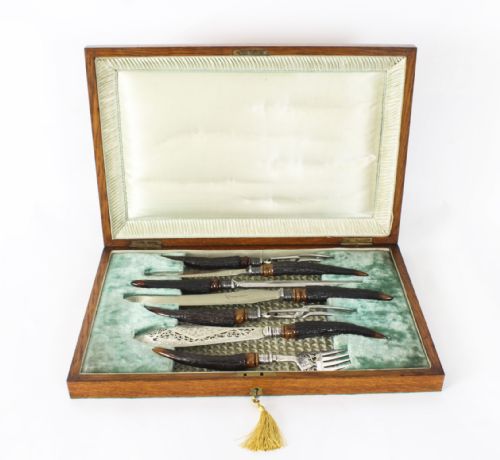
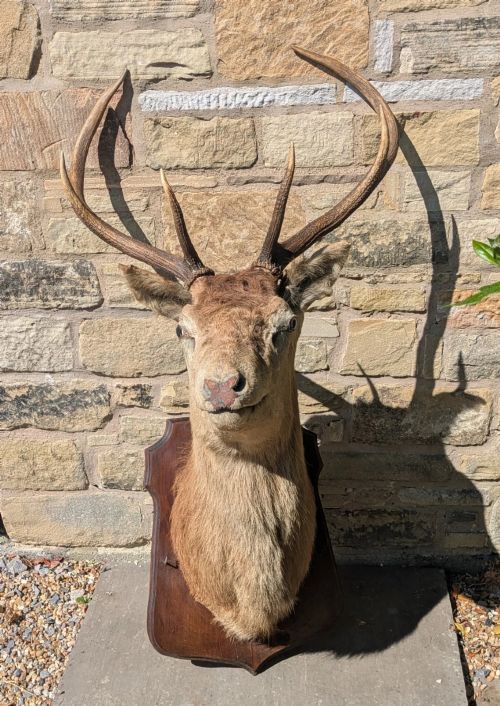
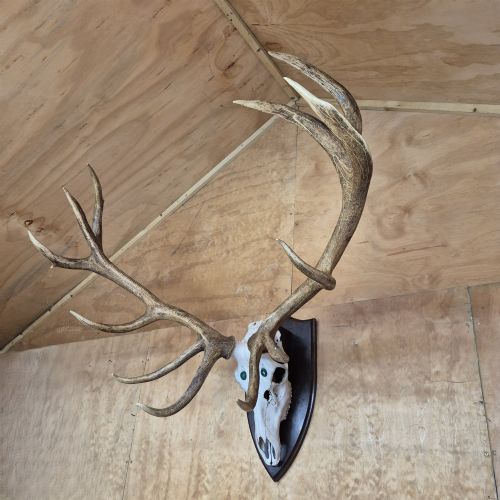
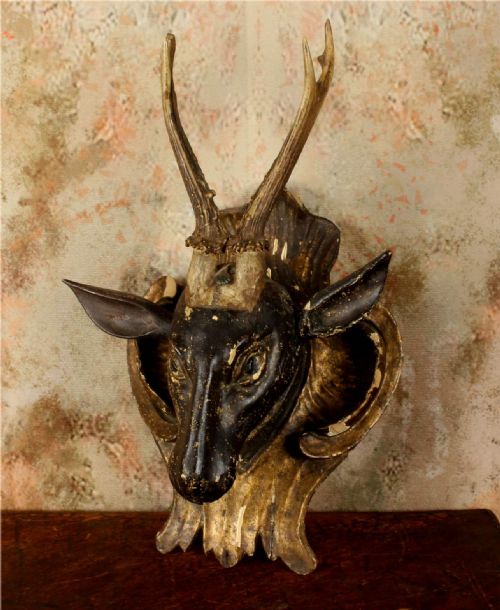
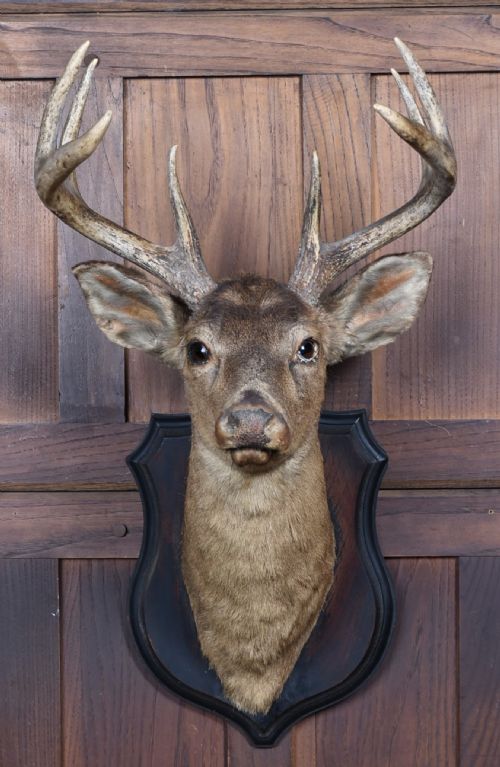
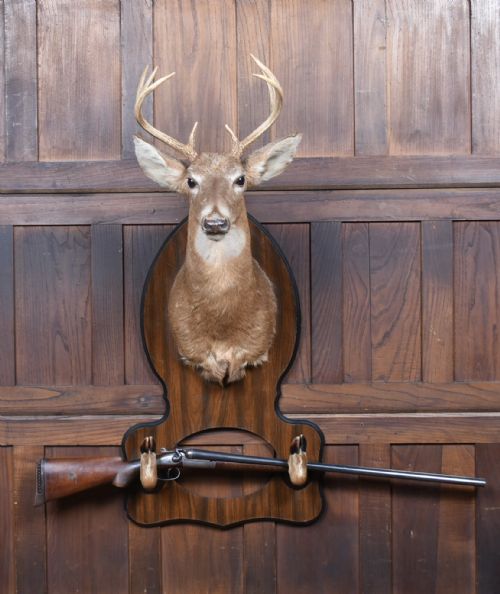
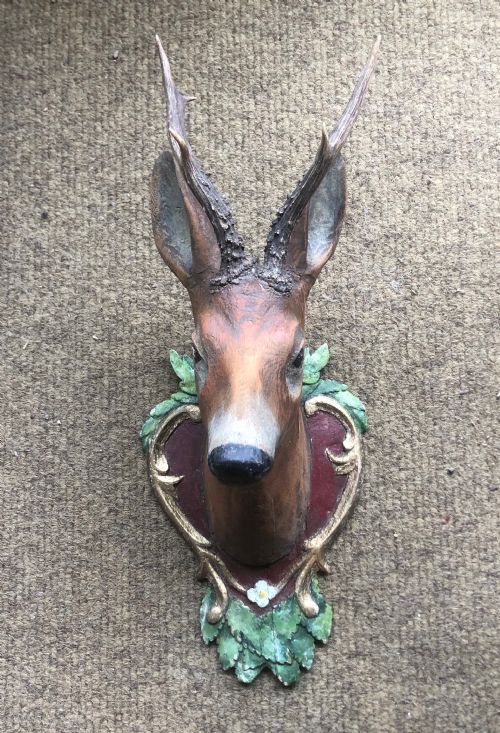
When you search for brown wooden antlers, you encounter a robust selection of taxidermy mounts, wall sculptures, and carved wooden trophies dating from the nineteenth and early twentieth centuries. These pieces encompass natural red deer and whitetail antlers mounted on carved shields, alongside folk art wooden deer heads and walking sticks with horn handles.
The objects derive largely from Highland Sporting and Victorian hunting traditions, capturing an era when lodges were decorated to celebrate the hunt. You will find both actual taxidermy specimens with organic horn and creative interpretations carved entirely from wood by folk artists.
Most items on this page lean towards Highland Lodge and Victorian styles, reflecting a distinct aesthetic focused on naturalism and rustic utility. From mounted stag heads spanning over a metre to carved wooden deer trophies, each object serves as a dramatic wall decoration.
How they were made
The makers of these pieces utilised natural materials such as wood, antler, horn, and taxidermy hide, combining them with steel and metal components for structural support. Taxidermy mounts involve preparing the natural skull and antlers of red deer or whitetail deer, often securing them to carved wooden shield backplates.
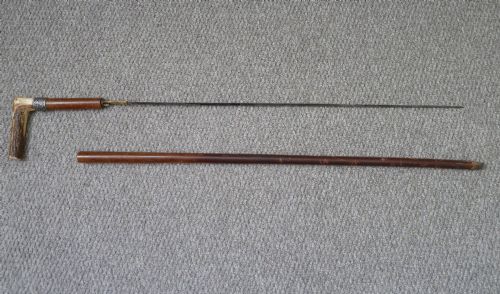
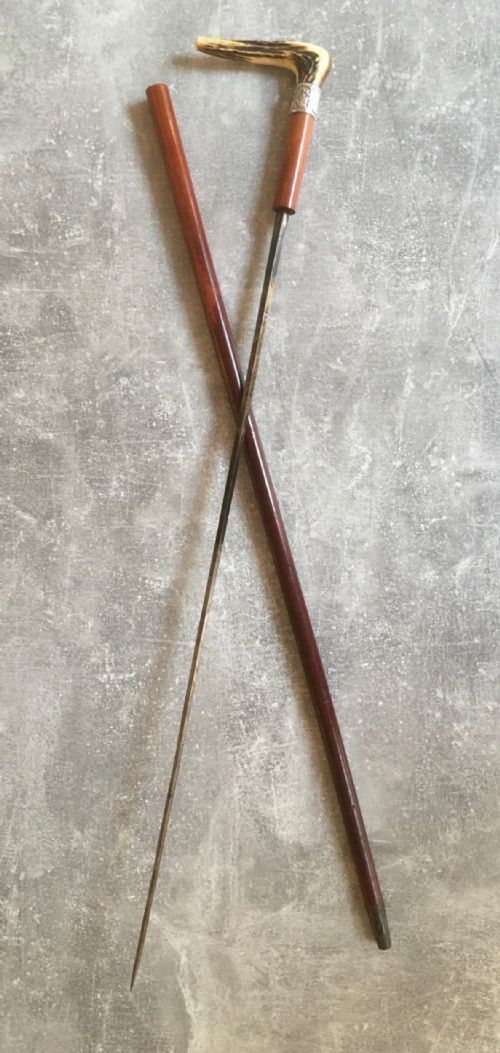
Folk art pieces demonstrate skilled hand carving in solid wood, occasionally finished with paint to render the deer heads and antlers. Walking sticks and sword sticks integrate carved horn handles onto malacca shafts, requiring precision in fitting natural organic materials to rigid wooden supports.
Brown Wooden Antlers Retail Price Guide 2026
Typical asking prices for brown wooden antlers among the pieces listed under this phrase on Sellingantiques today, from the lower quarter to the upper quarter. They describe what is for sale here now, not the wider market.
The listings span from the early nineteenth century through the 1930s, uniting Victorian hunting culture with folk art traditions across wood, horn, and taxidermy hide.
What varies in quality
The distinction between ordinary and exceptional pieces lies in the anatomical accuracy of the carving and the scale of the taxidermy mount. Larger spreads, such as twelve-point racks or monarch-class stags, demonstrate superior natural development compared to smaller or asymmetrical specimens.
Craftsmanship in the mounting and carving marks the upper tier of pieces, visible in the detail of carved wooden shields and the secure preservation of taxidermy hide. Folk art items achieve distinction through expressive painted finishes and inventive interpretation rather than strict naturalism.
The Brown Wooden Antlers Glossary
- Taxidermy mount
- The preserved head and antlers of an animal, prepared and mounted for display on a wall. These specimens capture the natural proportions of red deer and stags from the nineteenth century.
- Folk art
- Objects created by self-taught or traditional craftsmen outside mainstream academic traditions. In this context, it includes hand-carved wooden deer heads and decorative trophies.
- Shield backplate
- The shaped wooden board to which animal antlers or heads are secured for wall hanging. These supports often feature carved borders or historic mounting hardware.
- Sword stick
- A walking cane or stick with a concealed blade housed inside the shaft. The handles frequently incorporate carved horn or antler materials.
- Highland Lodge
- A decorative style inspired by Scottish hunting estates and country houses of the Victorian period. It prioritises rustic wood, animal mounts, and sporting motifs.
Brown Wooden Antlers: Frequently Asked Questions
How should I hang a large antler mount?
Heavy taxidermy mounts require robust fixings screwed directly into wall studs or masonry using appropriate wall anchors. Because nineteenth-century shields and antler spreads carry significant weight, secure wall preparation ensures safe display.
Position the mount at eye level so the proportions of the antlers can be appreciated from a distance. Ensure the room has stable humidity to protect the historic wood and natural horn components.
What is the difference between taxidermy and carved wood trophies?
Taxidermy mounts utilise the actual skull and natural antlers of deer, often combined with preserved hides to create a realistic presentation. These specimens reflect nineteenth-century sporting traditions and natural history.
Carved wood trophies are artistic representations shaped entirely from timber by folk art makers. They offer a decorative interpretation of deer heads and antlers without using organic animal remains.
How do I care for antique horn and wood?
Keep wooden shields and horn handles away from direct sunlight and sudden temperature changes to prevent the natural materials from drying out or cracking. Dust the surfaces gently with a dry, soft cloth.
Avoid applying liquid polishes or modern chemical cleaners to historic taxidermy hide or carved wood. Regular inspection of the mounting brackets helps maintain the structural security of wall-hung pieces.
How can I tell a Victorian piece from a later one?
Victorian pieces from the nineteenth century typically display traditional mounting techniques, dense hardwoods, and hand-forged metal fixings associated with early lodge decoration. The patination on the wood and the wear on the horn provide clues to their age.
Twentieth-century examples often feature standardised hardware and slightly different preservation methods. Comparing the style of the carved shield and the cut of the wood helps clarify the period of manufacture.