


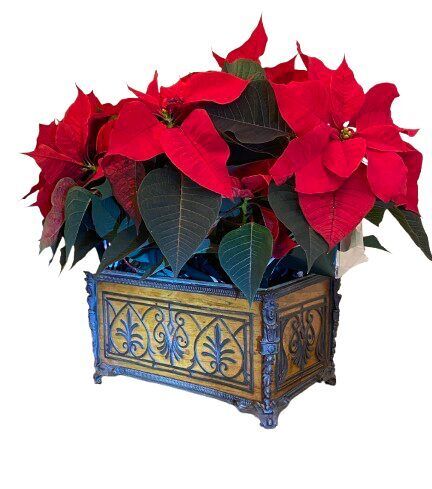


Brown Wood Planter
These brown wood planter pieces bring warmth and organic texture to interiors, offering enduring utility for indoor flora.
Brown Wood Planter
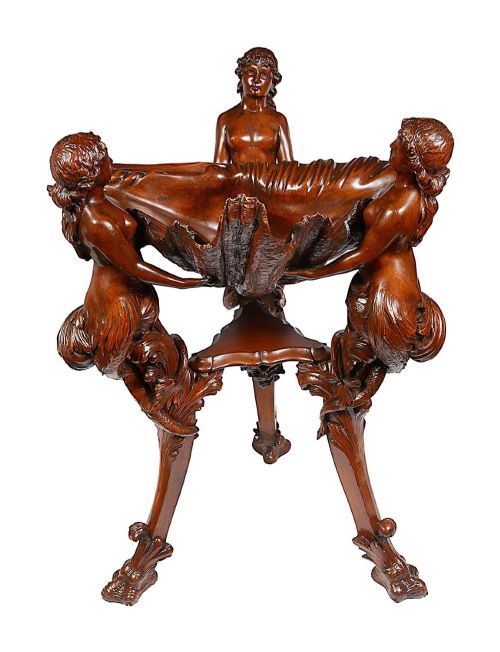
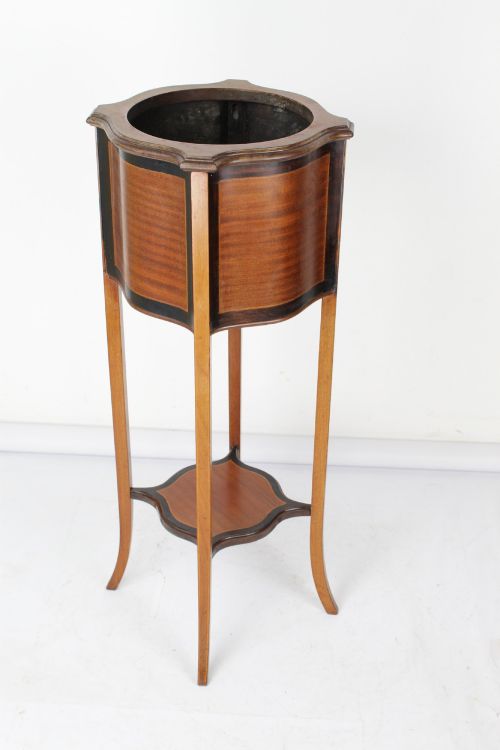
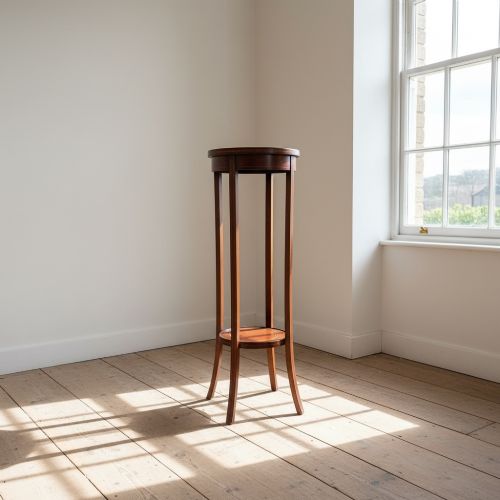
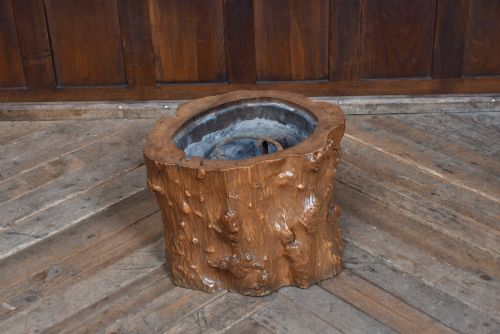
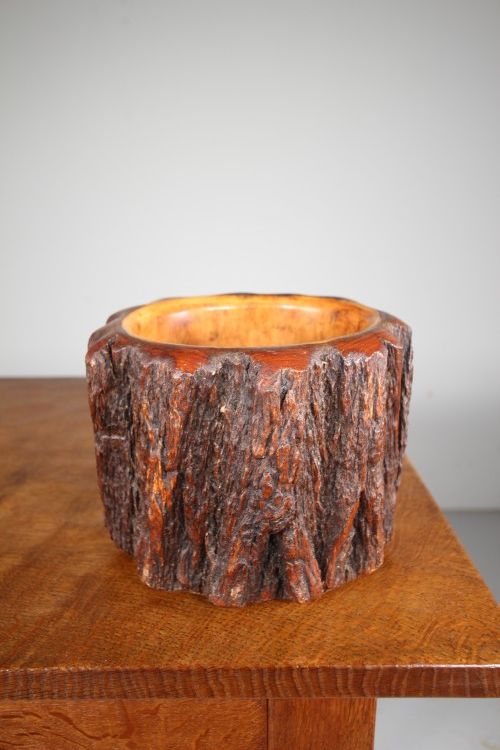
A brown wood planter groups various botanical vessels, plant stands, and jardinieres fashioned from timber across multiple periods. The selection here spans compact plant stands and rustic log boxes up to larger French and English jardinieres.
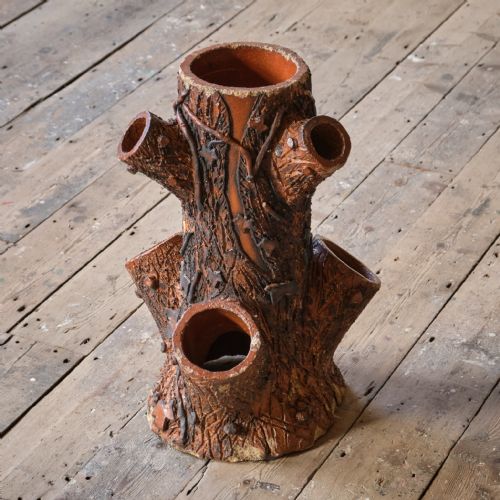
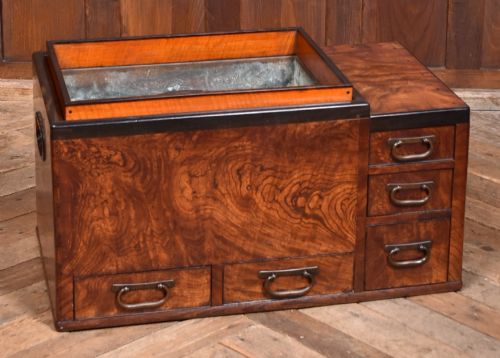
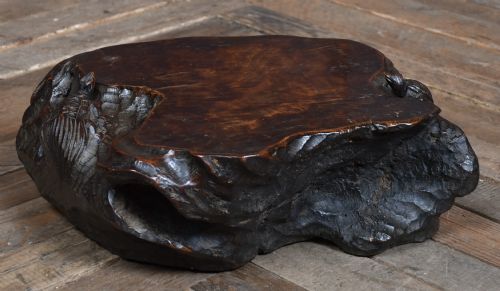
Edwardian mahogany examples and nineteenth-century dug-out tree trunks dominate the current listings, alongside Japanese hibachi and traditional bonsai display stands. Buyers meet both refined inlaid pieces designed for formal reception rooms and rugged country items meant for firesides or gardens.
Materials and construction
Makers utilised dense timbers such as mahogany, oak, walnut, and kingwood, often pairing them with structural elements in brass, iron, or bronze mounts. Boxwood inlay adds decorative contrast to refined mahogany surfaces.
Construction techniques range from meticulous cabinetmaking with fine joinery and carving to the raw economy of dug-out tree trunks and rustic folk art forms. Metal banding secures stave-built buckets and wine coolers, ensuring durability against moisture and soil.
Brown Wood Planter Retail Price Guide 2026
Typical asking prices for brown wood planter among the pieces listed under this phrase on Sellingantiques today, from the lower quarter to the upper quarter. They describe what is for sale here now, not the wider market.
Listings incorporate timber varieties such as mahogany, oak, walnut, and kingwood, alongside metals like brass and bronze.
Distinguishing quality
Quality rests upon the integrity of the timber, the precision of the joinery, and the harmony of any metal mounts or inlay. Superior pieces exhibit crisp hand-carving and careful grain selection that enhances the natural character of the wood.
The distinction between utilitarian vessels and high-style decorative stands lies in the refinement of design, such as Regency styling or intricate boxwood stringing, compared to the straightforward utility of dug-out sycamore and rustic country boxes.
The Brown Wood Planter Glossary
- Jardiniere
- An ornamental pot or stand for holding plants or flowers. These items often feature metal liners or bronze mounts to protect the wood from water.
- Faux Bois
- An artistic imitation of wood or tree bark applied to various media. This style appears on nineteenth-century garden vessels.
- Hibachi
- A traditional Japanese heating device or brazier, frequently constructed from wood and utilised as a distinctive planter vessel in Western interiors.
- Treen
- Small handmade wooden domestic objects. Examples include tree stem bowls and turned wooden containers.
Brown Wood Planter: Frequently Asked Questions
Can I use these planters outdoors?
Many of these pieces, such as dug-out tree trunks and garden planters, are robust enough for sheltered outdoor placement. However, refined indoor pieces with delicate inlay or polished veneer require protection from moisture and direct weather.
Assessing the timber and finish helps determine suitability for garden use versus interior display on plant stands.
How do I care for antique wood planters?
Maintenance involves keeping the timber dry and applying appropriate wax to preserve the polish and nourish the grain. Removable liners should be utilised whenever planting live flora to prevent water damage.
Regular dusting with a soft cloth keeps polished mahogany and walnut surfaces in optimal condition.
What is the difference between a jardiniere and a plant stand?
A jardiniere typically refers to the vessel or bowl designed to hold the plant itself, often equipped with a metal liner. A plant stand is the supporting table or column that elevates the vessel.
Certain items combine both functions into a single integrated piece of furniture.
How do I identify the period of a wooden planter?
Dating relies on observing construction methods, timber choices, and stylistic markers such as Edwardian inlay or Georgian brass banding. Tool marks and fastener types offer further clues to age.
Comparing the decorative vocabulary against known design periods clarifies the likely date of manufacture.