
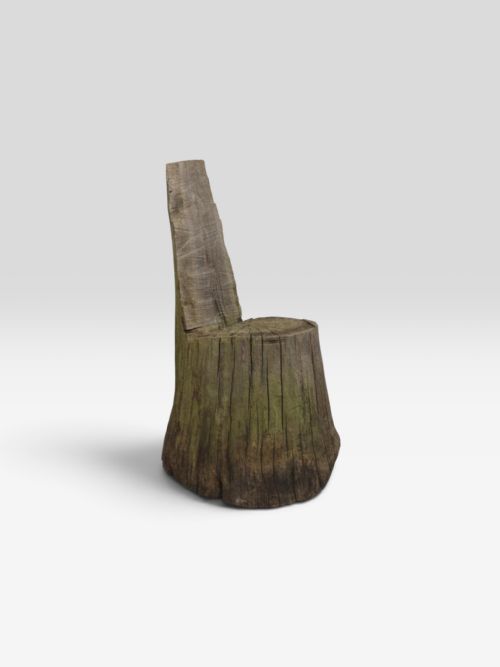
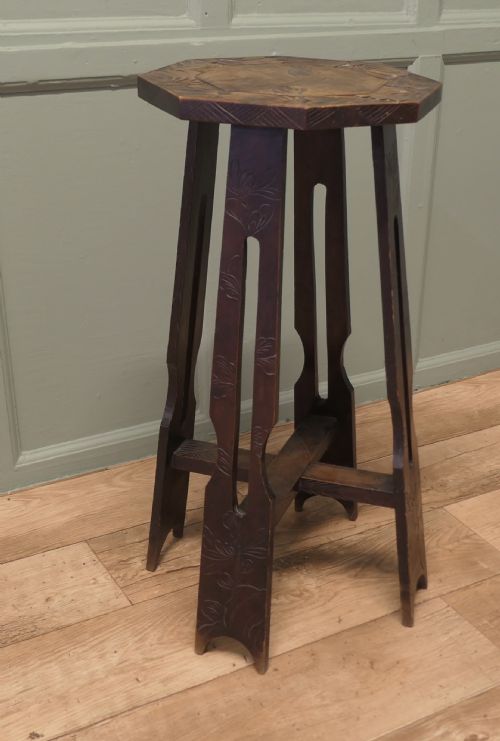
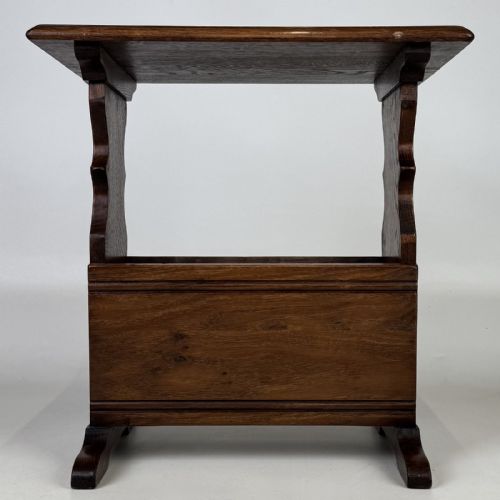
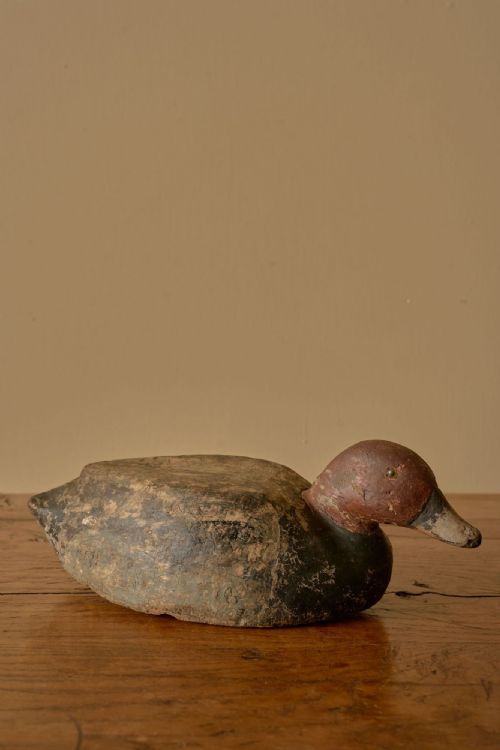

Brown Wood Carved Art
Brown wood carved art spans centuries of craftsmanship, offering practical furniture and intricate decorative objects shaped from natural timber.
Brown Wood Carved Art
Brown wood carved art encompasses a diverse range of functional furniture and decorative objects originating from various global traditions and periods.
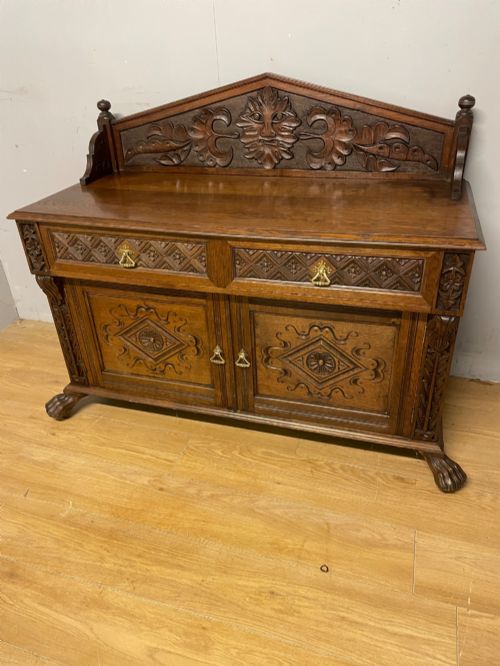
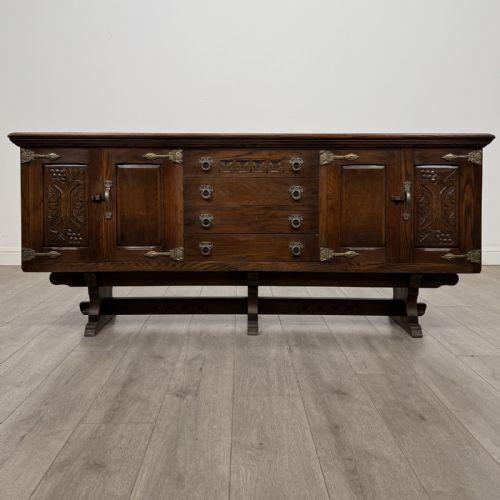
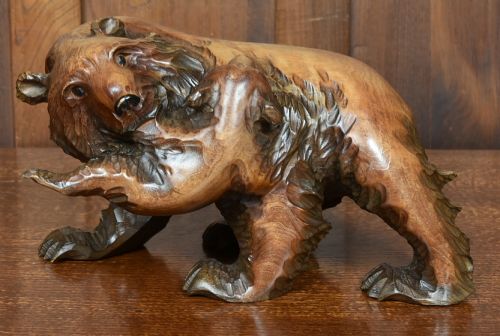
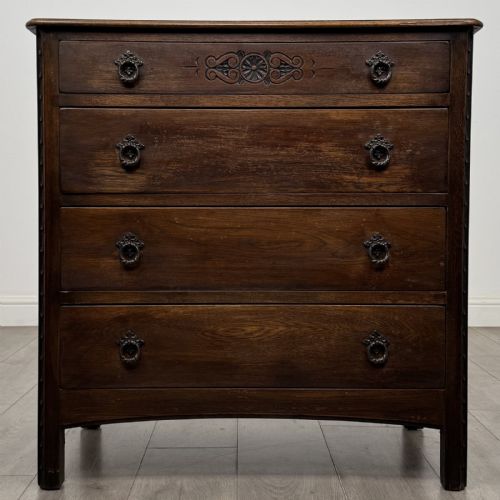
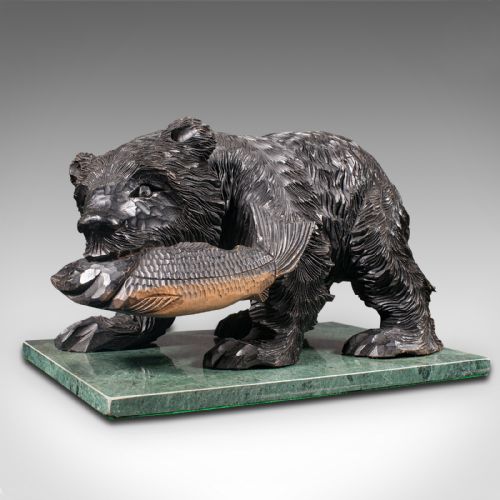
Buyers exploring brown wood carved art encounter items spanning from the eighteenth century through the Art Deco era, including cabinets, chairs, and figurative sculptures.
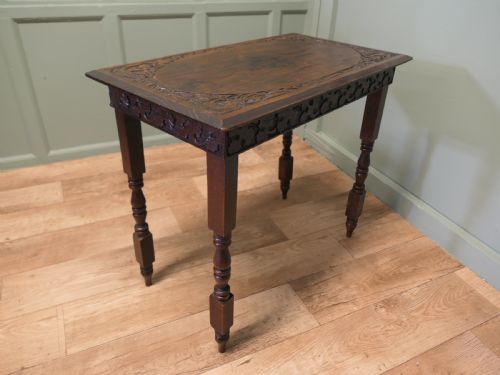
The selection frequently includes practical household items such as side tables, umbrella stands, and wall cabinets alongside purely ornamental carvings.
How they were made
Carpenters and artisans utilised dense timbers such as oak, walnut, mahogany, and olive wood to ensure durability and a refined finish for detailed relief work.
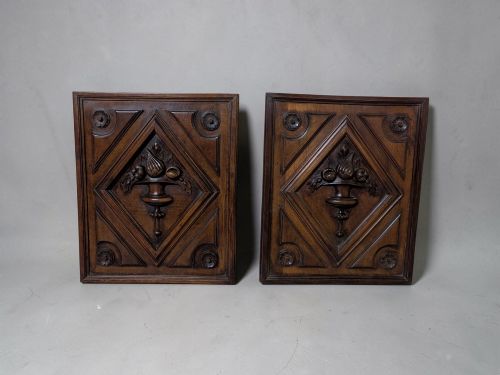
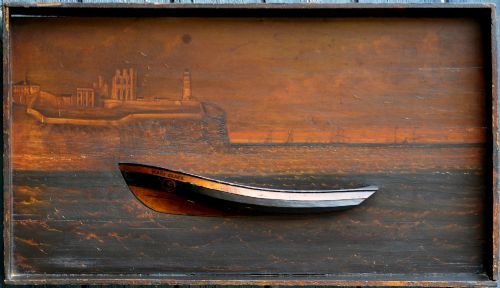
Makers applied hand-carving techniques, sometimes combining polychrome paint, glass, or brass fittings to enhance the visual texture of panels, figures, and boxes.
What varies in quality
Depth and precision in the hand-carved details separate standard utility items from masterworks of folk art, sculpture, and cabinetry.
The choice of timber grain, whether burr walnut or figured oak, influences the visual richness of the surface across different periods.
Liberty's
The Brown Wood Carved Art Glossary
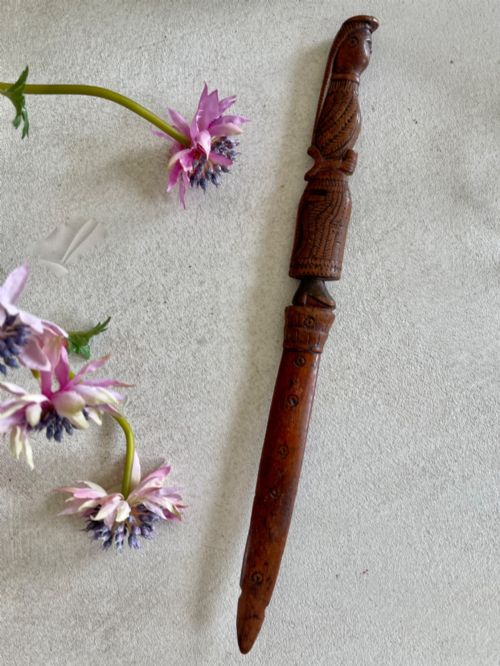
- Tramp art
- A form of woodwork created by chip-carving material from simple boxes or crates, often utilising pocket knives.
- Polychrome
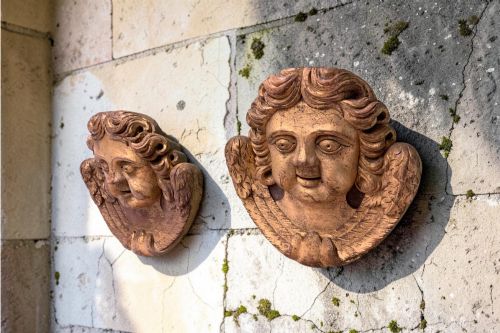
- Painted in several colours, frequently seen on older wooden devotional figures and architectural panels.
- Hardwood
- Timber derived from broad-leaved trees, providing a sturdy medium for intricate sculptural forms.
- Folk art
- Utilitarian or decorative objects made by self-taught or traditional craftsmen within specific cultural communities.
Brown Wood Carved Art: Frequently Asked Questions
What is brown wood carved art?
Brown wood carved art includes furniture, panels, and sculptures shaped from timber by historical makers across different stylistic movements.
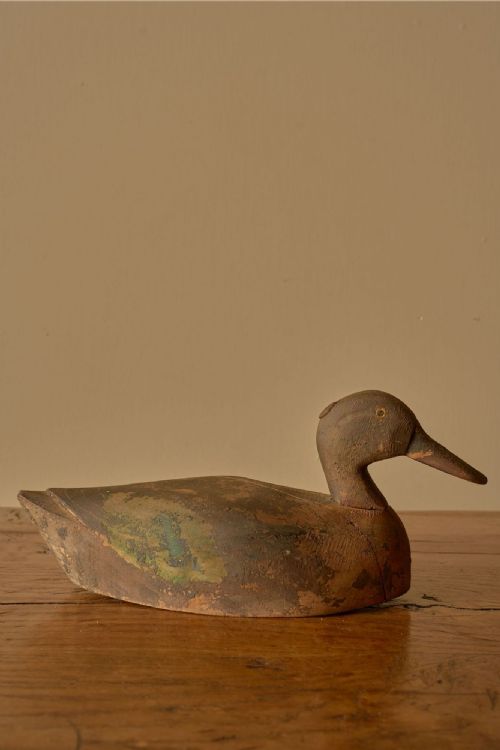
These pieces range from functional domestic cabinets to devotional figures and decorative animals created in domestic and international workshops.
How do I date carved wooden furniture?
Dating relies on examining the timber species, construction joints, and stylistic motifs associated with periods like the Victorian era or Arts and Crafts movement.
Tool marks and hardware such as brass handles provide further evidence of the exact manufacturing era.
How should I care for carved wood?
Preserve carved wooden items by keeping them away from direct sunlight and sudden temperature fluctuations that cause timber to split.
Dust regularly with a dry cloth and occasionally apply appropriate wax to nourish the grain without buildup.