



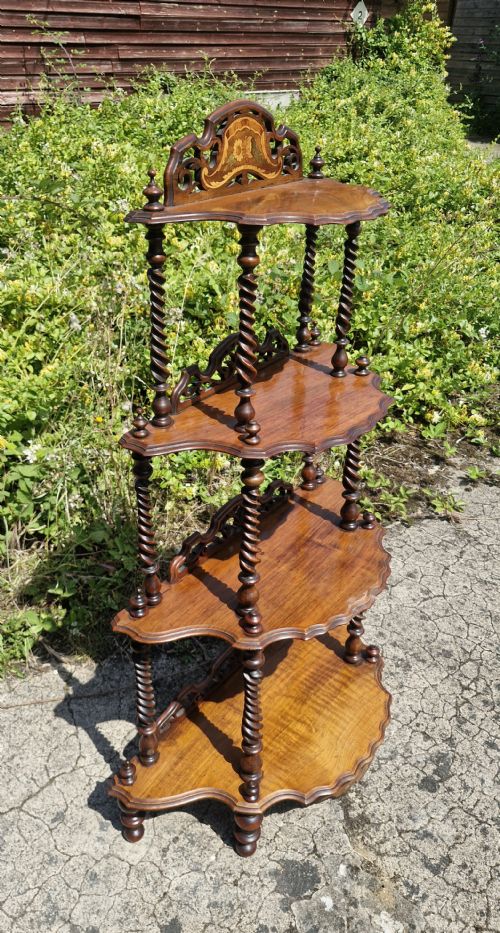

Brown Walnut Display Unit
A brown walnut display unit brings rich timber warmth and practical shelving to a room, offering both storage and surface display.
Brown Walnut Display Unit
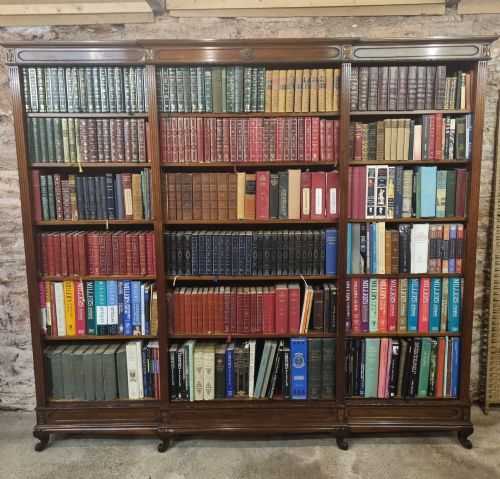
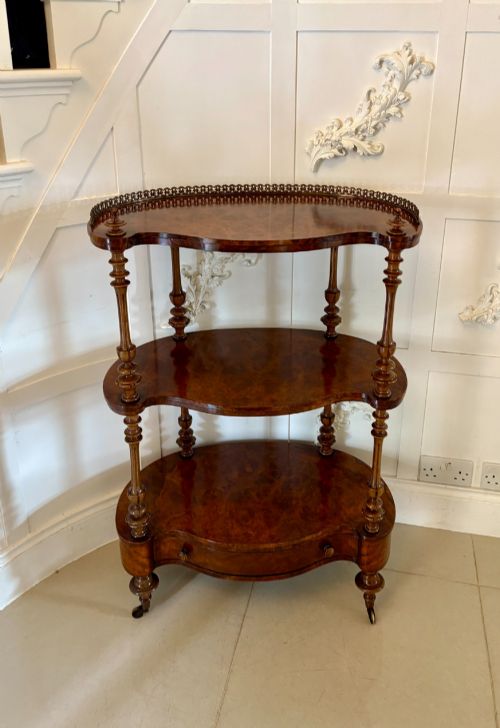
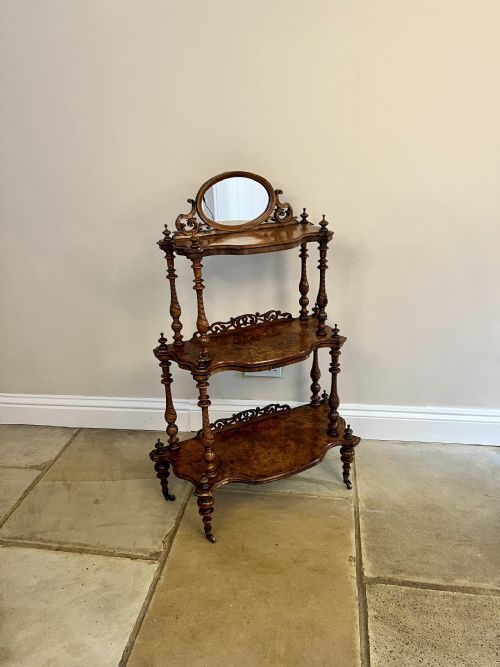
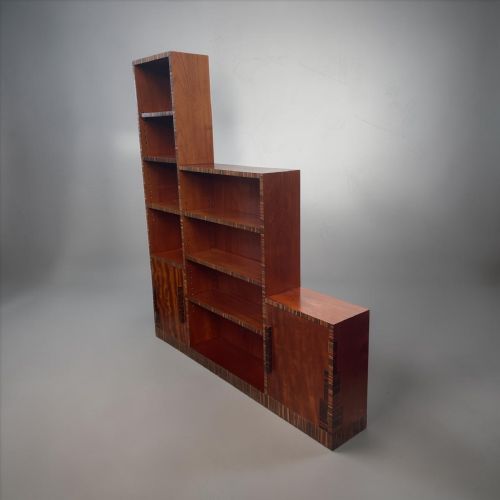
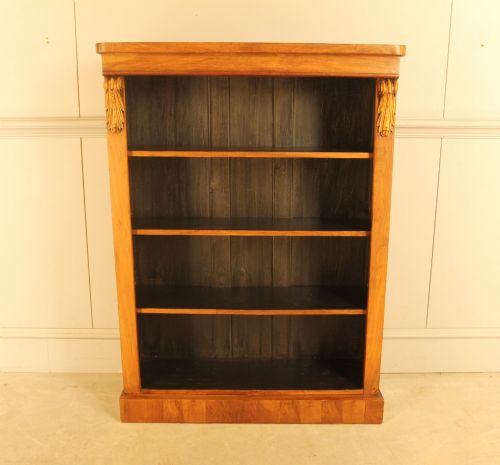
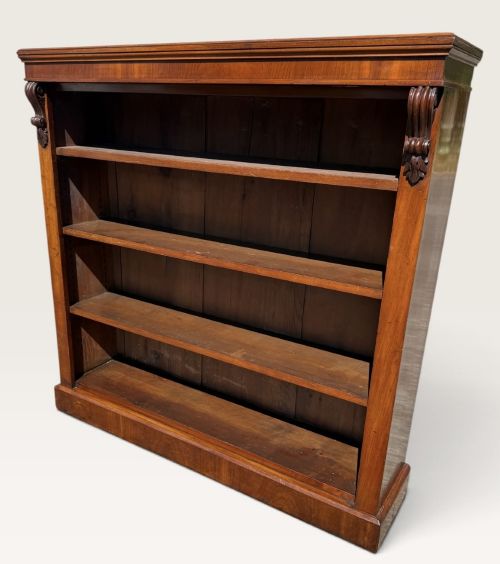
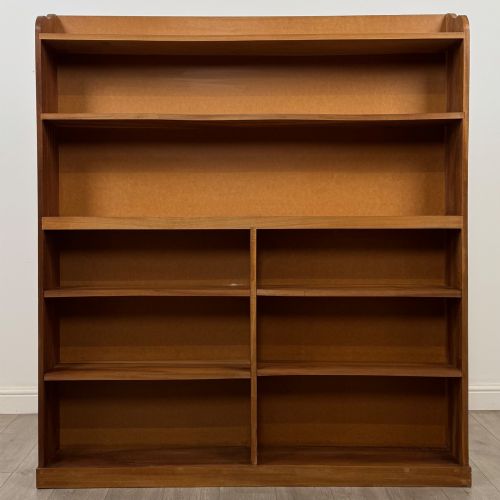
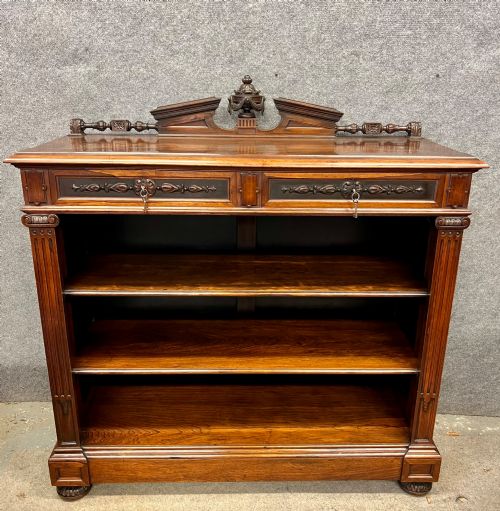
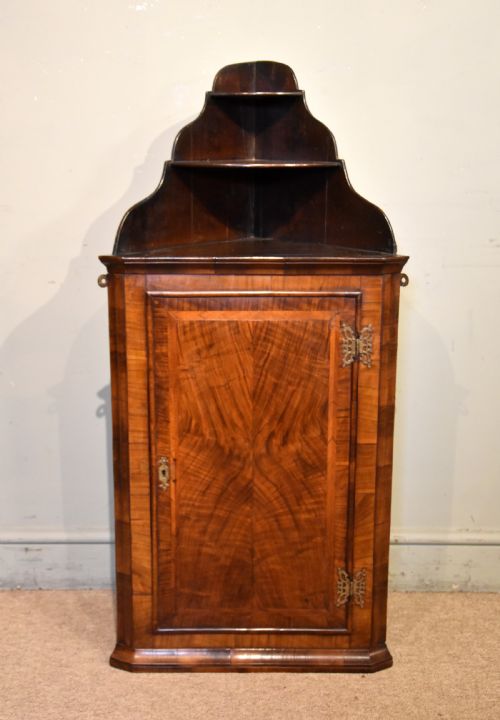
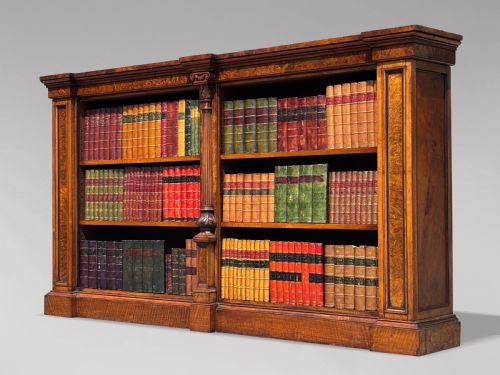
A brown walnut display unit encompasses bookcases, corner cabinets, whatnots, and etageres designed to hold books and decorative objects. Buyers seeking a brown walnut display unit will find pieces ranging from open bookcases with adjustable shelves to enclosed corner cupboards and multi-tiered etageres. The selection spans several centuries and stylistic revivals, capturing functional furniture made for domestic display.
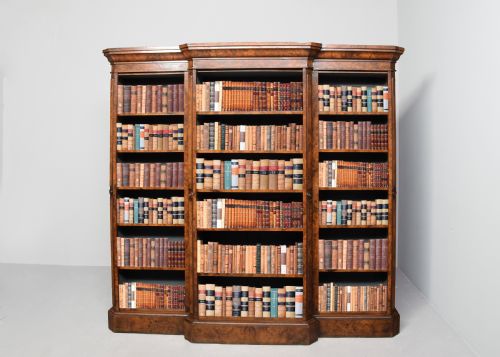
Victorian and Edwardian iterations dominate the available forms, alongside pieces from the 1930s and earlier centuries. Makers produced these units as breakfront bookcases, hanging corner cupboards, and tiered whatnots to suit various room layouts. Walnut and burr walnut serve as the primary timbers across these historical periods.
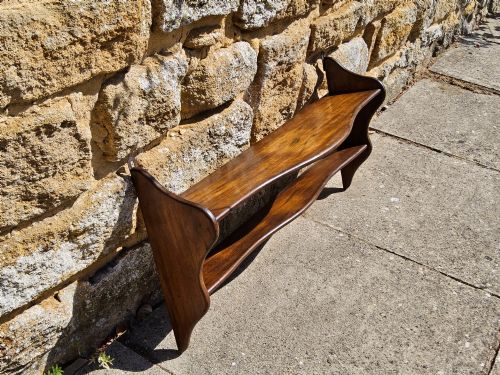
The assortment includes specific regional interpretations such as French walnut wall shelves and turned-leg etageres. Traditional styles like Queen Anne Revival and Art Deco sit alongside plain nineteenth-century formats. Each piece provides a designated structure for organising volumes or exhibiting ornaments.
Assessing Quality and Execution
Quality rests upon the selection of the timber grain, particularly the depth and movement within burr walnut veneers. Superior examples display careful book-matching across large surfaces and restrained marquetry inlay rather than heavy ornamentation. The crispness of turned legs and the solidity of breakfront carcases distinguish finer commissions from standard production.
Proportion and structural integrity dictate the standing of a piece within its period. Well-executed adjustable shelving mechanisms and clean glazing bars on cabinets indicate careful workshop origin. The integration of brass hardware and stable joining in multi-section bookcases reflect the tier of original manufacture.
Brown Walnut Display Unit Retail Price Guide 2026
Typical asking prices for brown walnut display unit among the pieces listed under this phrase on Sellingantiques today, from the lower quarter to the upper quarter. They describe what is for sale here now, not the wider market.
Listings feature walnut, burr walnut, glass, and brass across Victorian, Edwardian, and Art Deco periods.
The Brown Walnut Display Unit Glossary
- Burr walnut
- Timber taken from a tree growth or root, yielding highly figured, swirling grain patterns. Cabinet makers prized this veneer for front panels and tabletops.
- Etagere
- A piece of furniture consisting of a set of open shelves for displaying small objects. These tiered stands date across the nineteenth and early twentieth centuries.
- Whatnot
- A multi-shelved stand used for displaying ornaments and books. Victorian examples often feature turned supports and fretwork galleries.
- Breakfront
- A piece of furniture whose central section projects forward from the flanking wings. This architectural layout appears on larger bookcases and cabinets.
- Marquetry
- Decorative veneer work forming pictures or patterns from different woods. Craftsmen applied this technique to panel doors and top surfaces.
Brown Walnut Display Unit: Frequently Asked Questions
What is a brown walnut display unit?
A brown walnut display unit is a piece of wooden furniture designed to store books or exhibit decorative objects. These items include open bookcases, corner cabinets, whatnots, and etageres.
They utilise walnut timber and veneer, often featuring glass panels, adjustable shelves, or multi-tiered open structures.
How do I identify a Victorian bookcase?
Victorian bookcases often feature deep brown walnut or burr walnut timbers with rich grain patterns. They frequently incorporate adjustable wooden shelves within sturdy rectangular or breakfront carcases.
Details such as turned supports, applied mouldings, or simple plinth bases help distinguish nineteenth-century examples from later revivals.
Where were corner cabinets used?
Corner cabinets served to utilise awkward wall junctions in dining rooms, drawing rooms, and studies. Hanging versions attached directly to walls, while floor-standing models anchored the room.
They provided enclosed or open storage for china, glassware, and bound volumes without encroaching upon central floor space.
What distinguishes an etagere from a whatnot?
An etagere typically consists of multiple open shelves supported by slender columns, functioning primarily as a decorative stand for ornaments. A whatnot shares the tiered shelving format but frequently includes enclosed lower cupboards or small drawers.
Both forms utilise walnut timber and emerged prominently during the nineteenth century for domestic display.