

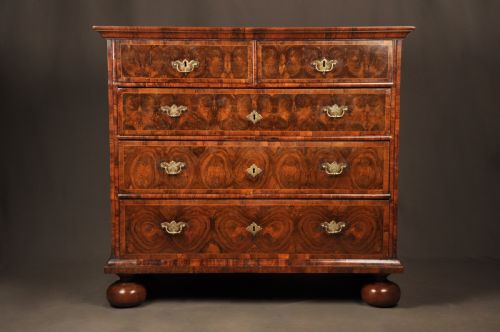


Brown Veneer Tallboy
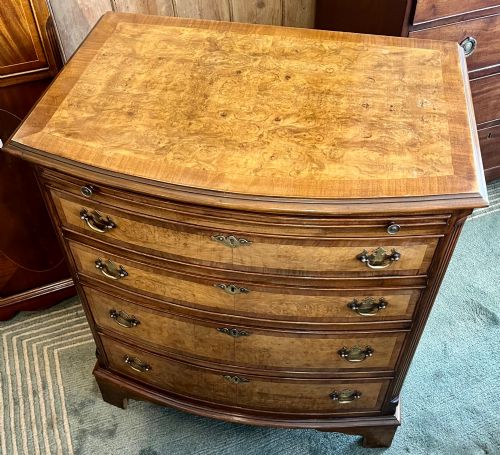
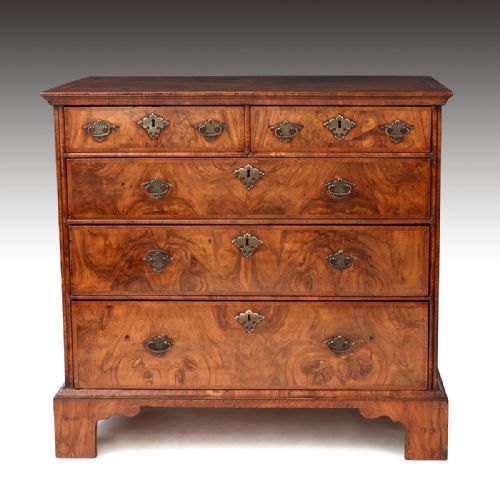
A brown veneer tallboy offers towering storage wrapped in the rich, figured grain of walnut, mahogany, and exotic woods.
Brown Veneer Tallboy
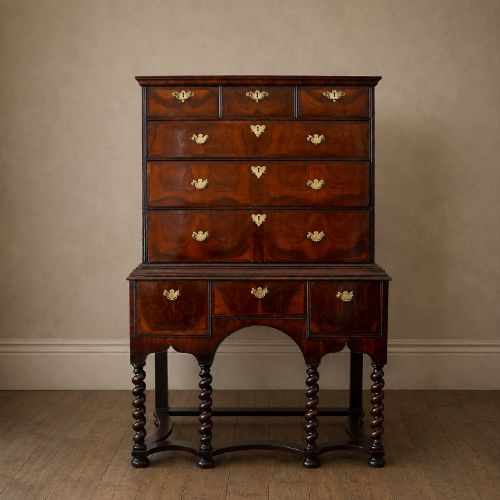
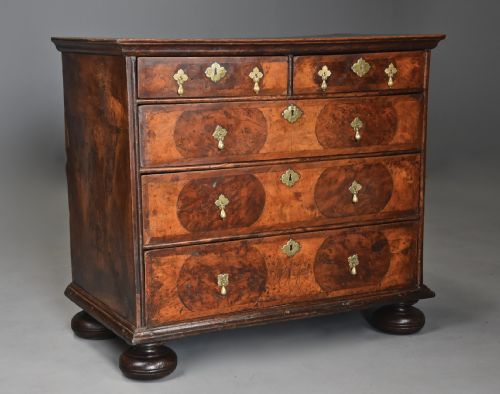
A brown veneer tallboy brings together stacked drawer forms and elevated chests, ranging from seventeenth-century oyster-veneered designs to twentieth-century Art Deco interpretations. When hunting for a brown veneer tallboy, buyers encounter substantial walnut and mahogany pieces that prioritise vertical storage without sacrificing decorative presence.
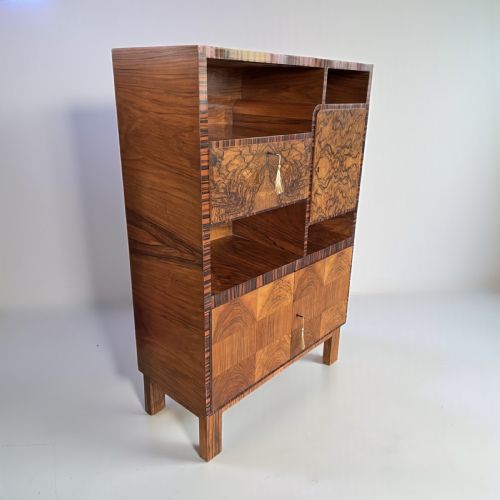
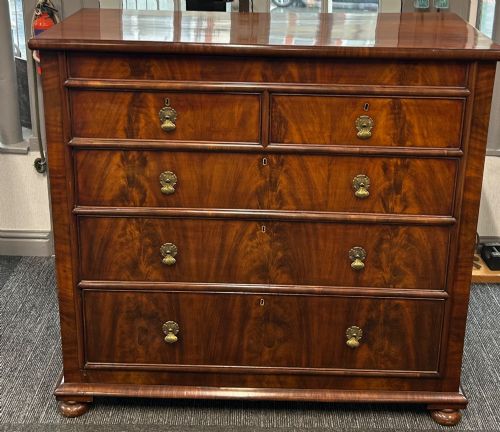
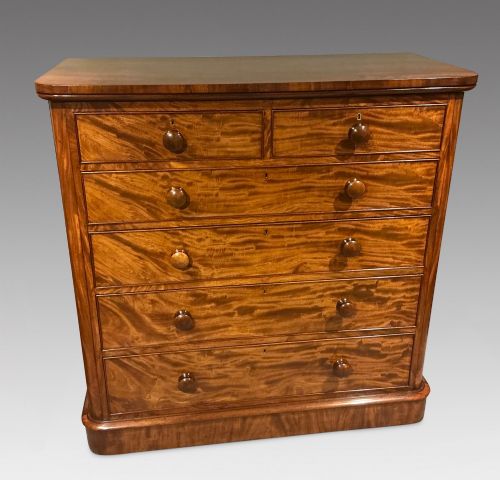
The selections span early periods like William and Mary through to Victorian and Art Deco eras, showcasing forms such as chests on stands, secretaire desks, and tall cabinets. Walnut and burr walnut dominate the early pieces, while later decades introduce flame mahogany and amboyna veneers across graduating drawer configurations.
How they were made
Cabinet makers applied thin slices of decorative timber - chiefly walnut, burr walnut, laburnum, and flame mahogany - over secondary carcase woods like pine and oak. Cross-banding and delicate stringing often bordered the primary veneers to frame the natural grain patterns.
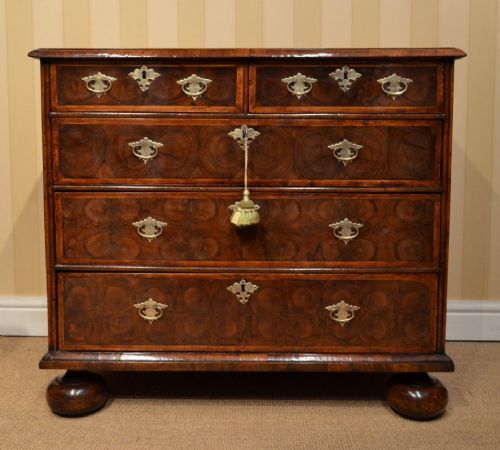
Early workshops utilised circular branch sections to create intricate oyster patterns, setting each piece meticulously into the surface. Subsequent periods favoured broad, symmetrical flame mahogany sheets that maximised the visual impact of the wood's natural figure.
Brown Veneer Tallboy Retail Price Guide 2026
Typical asking prices for brown veneer tallboy among the pieces listed under this phrase on Sellingantiques today, from the lower quarter to the upper quarter. They describe what is for sale here now, not the wider market.
Seventeenth-century makers sliced tree branches like carrots to make oyster veneer, unintentionally giving future collectors a permanent craving for root vegetables.
What varies in quality
The integrity of the underlying timber preparation and the precision of the veneer matching separate standard examples from exceptional ones. Master craftsmen aligned grain patterns symmetrically across multiple drawers, ensuring the timber's natural movement did not result in lifting or heavy splitting.
Hardware selection and internal secondary wood choice also dictate the grade of a piece. Original brass drop handles, escutcheons, and solid oak or pine drawer linings indicate superior workshop origins compared to later replacements.
The Brown Veneer Tallboy Glossary
- Oyster veneer
- Slices cut transversely from small branches or roots to reveal circular, eye-like grain patterns. This technique was particularly popular during the seventeenth century on walnut and laburnum surfaces.
- Tallboy
- A traditional English term for a tall chest of drawers, often constructed in two sections with a smaller chest sitting atop a larger base or stand. It maximises storage floor space.
- Flame mahogany
- Timber veneer harvested from the fork of the mahogany tree where branches meet the trunk, producing a distinctive, flickering flame-like pattern. It gained widespread favour in Victorian and Georgian furniture.
- Secretaire abattant
- A tall upright cabinet featuring a fall-front writing flap that conceals a fitted interior of small drawers and pigeonholes. These pieces combine desk functionality with vertical storage.
- Cross-banding
- A decorative border technique where strips of veneer are laid perpendicular to the main grain of the furniture piece. This frames the primary panel and enhances the geometric design.
Brown Veneer Tallboy: Frequently Asked Questions
Where should I place a tallboy?
These tall pieces suit bedrooms, dressing rooms, and high-ceilinged hallways where floor space is limited but vertical storage is required.
Ensure the room has sufficient clearance to open top drawers comfortably without obstructing light fixtures or architectural mouldings.
How do I care for veneer?
Maintain stable indoor humidity levels away from direct heat sources and strong sunlight to prevent the timber and glue from drying out.
Dust regularly with a soft, dry cloth and occasionally apply appropriate natural wax to nourish the antique polished surface.
What is a chest on stand?
A chest on stand elevates a main drawer carcase upon a separate frame with legs, creating a lighter visual profile than a floor-standing chest.
This form evolved significantly during the late seventeenth and early eighteenth centuries, often incorporating turned trumpet legs and shaped stretchers.