


Brown Trinket Box
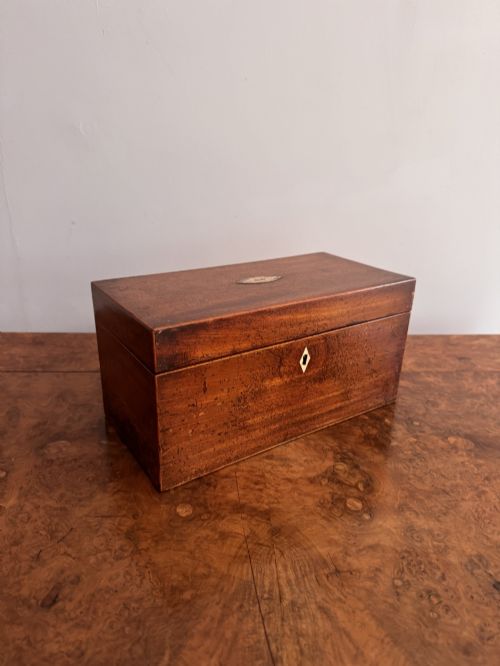
These brown trinket box examples range from Georgian mahogany chests to Victorian brass-bound wood containers, offering practical storage with centuries of craftsmanship.
Brown Trinket Box
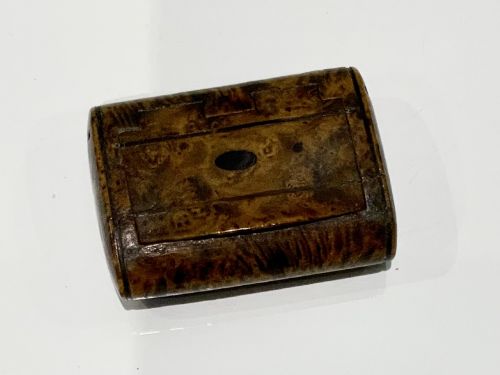
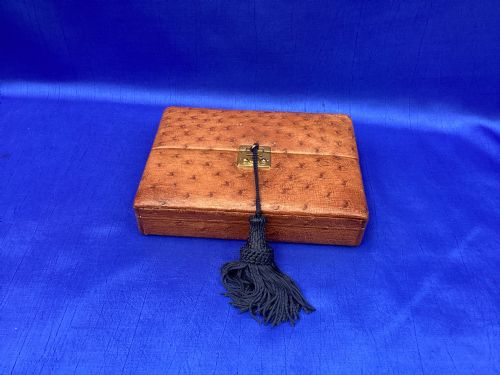
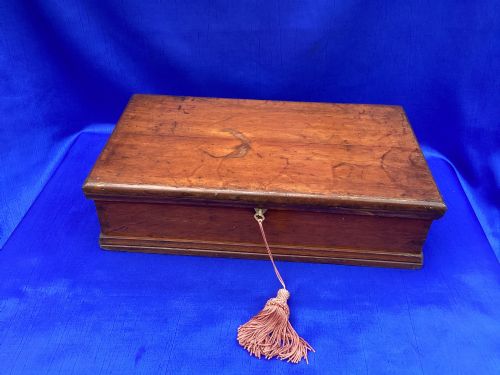
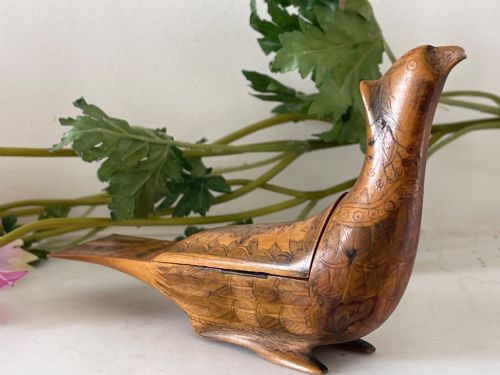
A brown trinket box encompasses various small wooden and organic containers designed to hold jewellery, snuff, tea, or keepsakes. The pieces available span multiple centuries, ranging from seventeenth-century oak and burr wood caskets to Victorian walnut and mahogany examples.
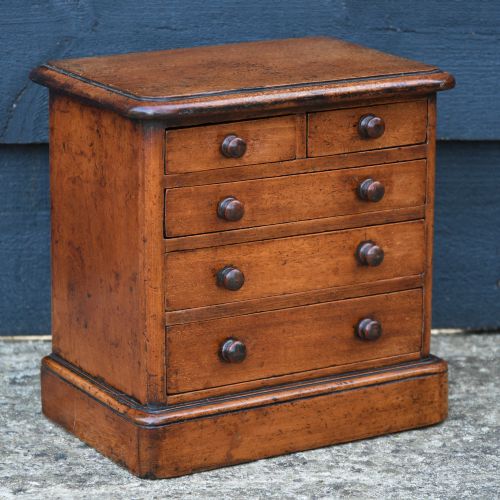
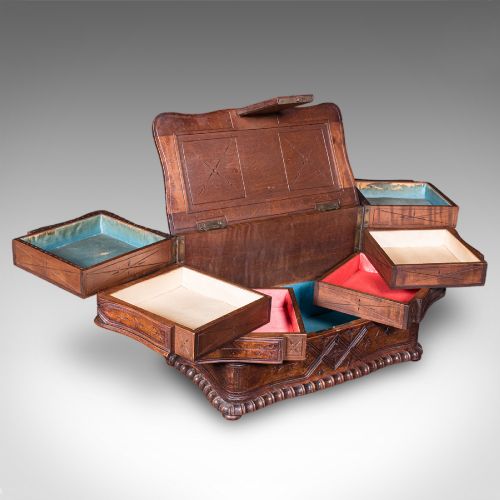
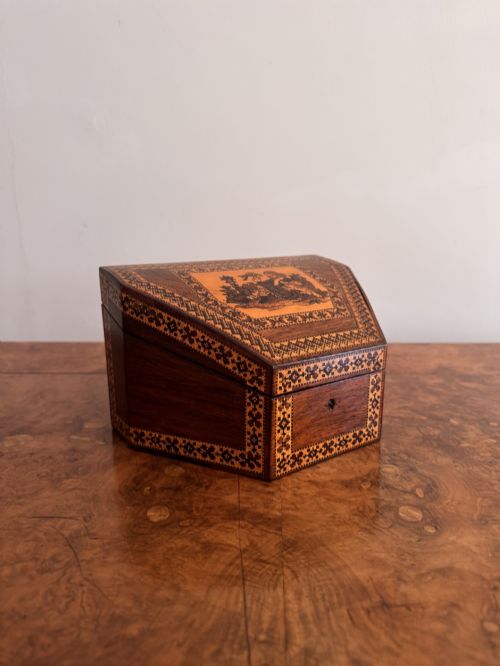
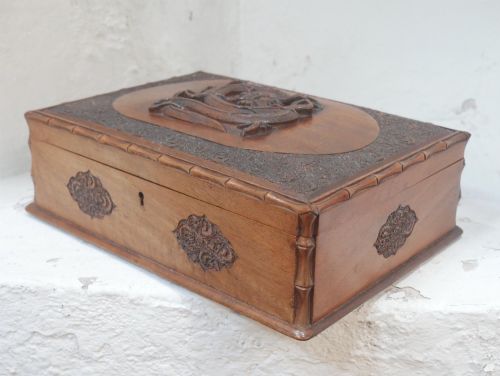
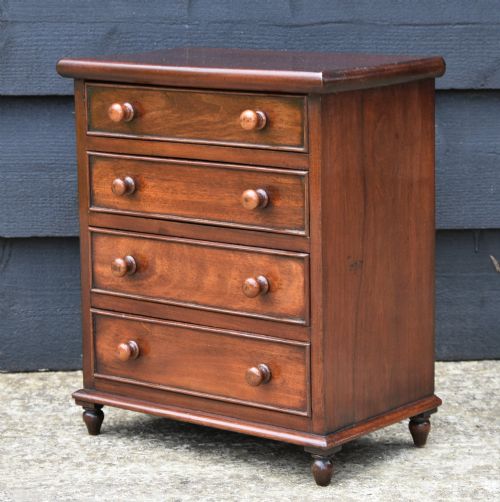
Buyers encounter numerous regional variations and specialised forms, including miniature apprentice chests of drawers, Tunbridge Ware tea caddies, Black Forest carved wood humidors, and Anglo-Indian sandalwood caskets. Many items originate from British, French, and Indian traditions, reflecting the specific materials accessible during their respective periods.
The materials determine the natural brown tones of these objects, running from dark eighteenth-century oak and rosewood to lighter fruitwood, walnut, and boxwood. Decorative details frequently involve bone, mother-of-pearl, brass mounts, or intricate hand-carved surfaces.
Materials and Construction
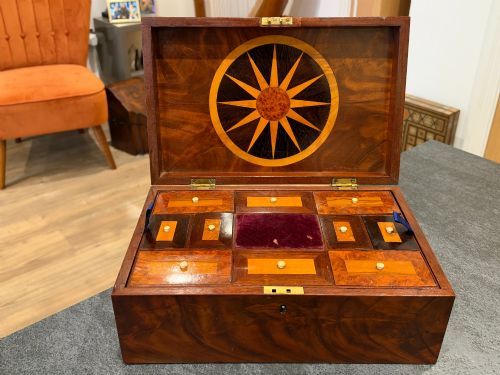
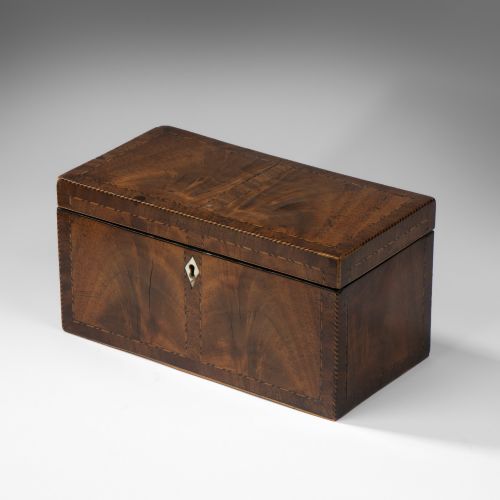
Cabinetmakers utilised dense hardwoods such as mahogany, walnut, oak, and rosewood, often pairing them with secondary woods for internal dividers and drawer linings. Surface decoration relied on techniques like brass binding, engine turning, veneer work, and parquetry.
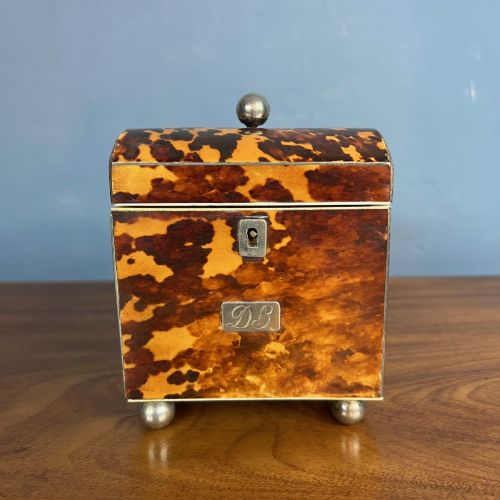
Carved pieces demonstrate traditional hand-working methods, seen in Black Forest animal motifs, folk art shellwork, tramp art layering, and Tunbridge Ware mosaic detailing. Natural materials like horn, tortoiseshell, silver, and agate appear alongside wood, fixed with traditional animal glues and small iron or brass pins.
Brown Trinket Box Retail Price Guide 2026
Typical asking prices for brown trinket box among the pieces listed under this phrase on Sellingantiques today, from the lower quarter to the upper quarter. They describe what is for sale here now, not the wider market.
Factors That Separate Examples
The standard of execution separates everyday utility items from masterwork pieces. Superior examples exhibit precise joinery, tight-fitting lids, original brass hardware, and intact internal trays or velvet linings.
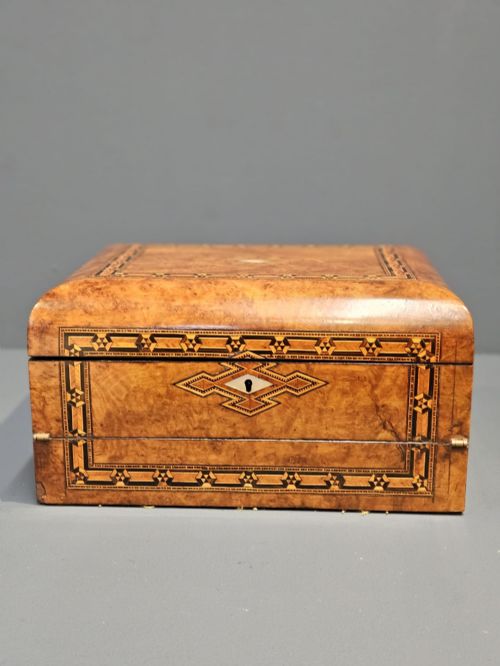
The complexity of the surface ornamentation dictates the distinction between standard and high-grade items. Finely carved relief work, delicate bone inlay, and complex Tunbridge Ware patterns require significant specialist skill, elevating the visual interest of the piece.
Tahan
The Brown Trinket Box Glossary
- Apprentice piece
- A miniature version of a full-scale item, such as a chest of drawers, created by a tradesman to demonstrate skill to a guild. These items mirror the construction methods of larger furniture.
- Tunbridge Ware
- A type of decorative woodwork produced in Kent, characterised by intricate mosaic patterns made from many small pieces of naturally coloured woods. These designs often depict geometric motifs or architectural scenes.
- Treen
- Small handmade wooden household objects and utilitarian items collected for their age and surface patina. The term derives from the old English word for tree.
- Snuff box
- A small pocket-sized container designed to hold ground tobacco. They feature tightly fitted lids to preserve the moisture and aroma of the contents.
- Boulle
- A method of marquetry using brass and tortoiseshell inlaid into furniture and boxes, named after a French cabinetmaker. The technique produces a contrasting metallic and dark surface pattern.
Brown Trinket Box: Frequently Asked Questions
What is a brown trinket box used for?
These containers served various practical functions in past centuries, holding personal items like jewellery, sewing implements, tobacco, or letters. Today, they provide decorative storage for small modern accessories on dressing tables or desks.
Their varied internal layouts, from open wells to partitioned trays and miniature drawers, accommodate different types of keepsakes securely.
How do I identify the age of a wooden box?
Dating relies on examining the construction methods, timber species, and fastener types used in the piece. Hand-cut dovetails, older brass screw types, and period-specific woods like eighteenth-century oak or Victorian walnut help establish the manufacturing era.
Stylistic markers, such as Regency brass inlay or Gothic Revival carving motifs, further narrow down the date of origin.
Are these boxes made from solid wood?
Construction methods vary depending on the period and the form of the object. Many earlier boxes utilise solid timbers like oak or mahogany, while later nineteenth-century pieces frequently employ fine veneers applied over secondary wood cores.
Inlaid items often combine multiple contrasting timber species to create geometric or pictorial surface patterns.
How should I care for an antique wooden box?
Maintain the wood by keeping the box away from direct sunlight and fluctuating central heating sources that can cause timber to split or warp. Apply appropriate microcrystalline wax sparingly to nourish the dry surface patina without building up heavy residues.
Avoid using modern liquid polishes containing silicone, which can damage historic finishes and delicate inlays.