
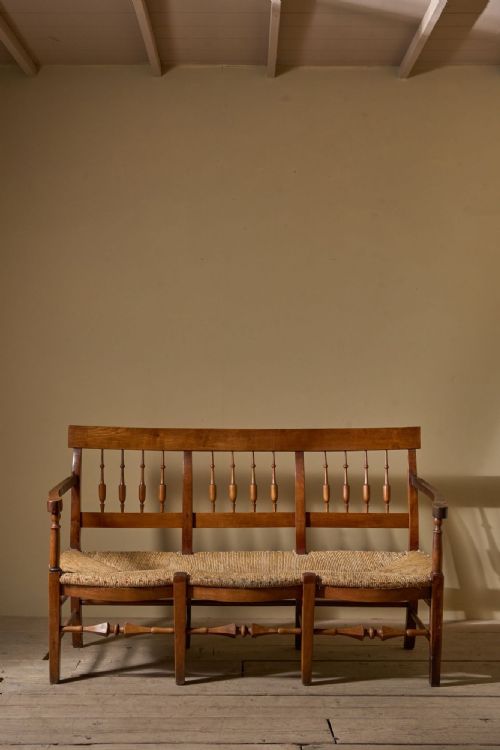
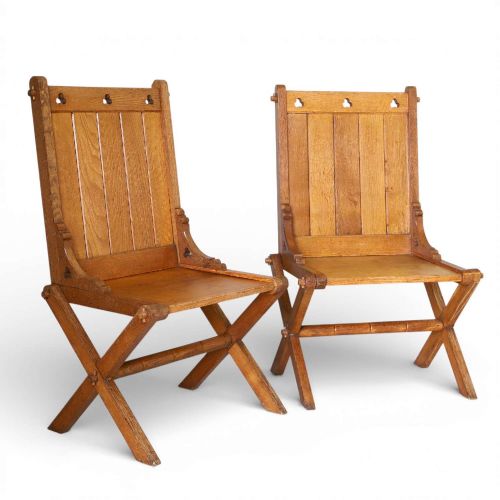
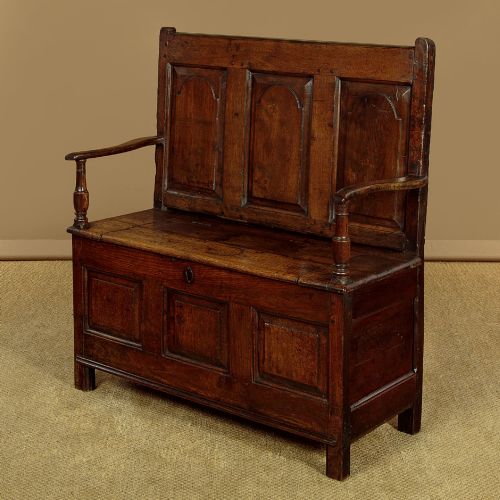
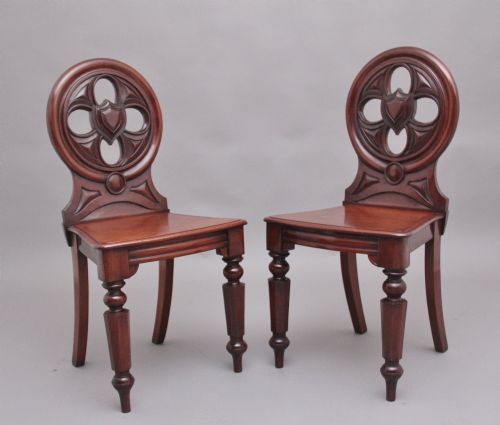

Brown Timber Hall Seat
A brown timber hall seat serves as a practical focal point for an entryway, offering a sturdy place to sit while removing boots.
Brown Timber Hall Seat
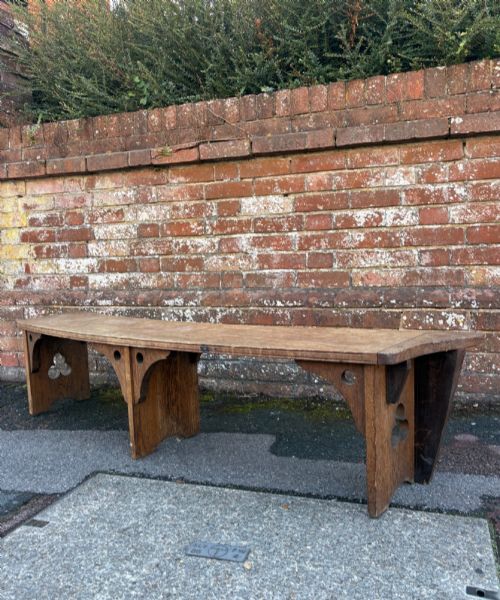
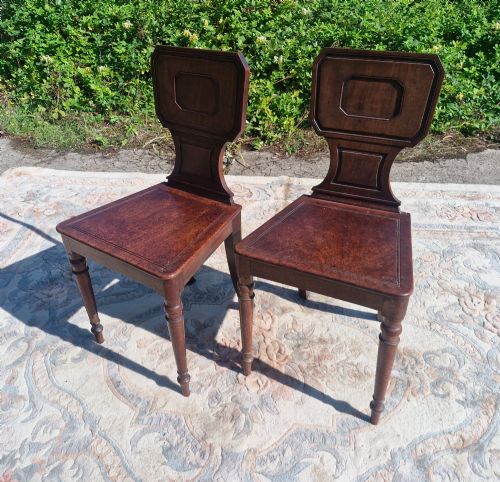
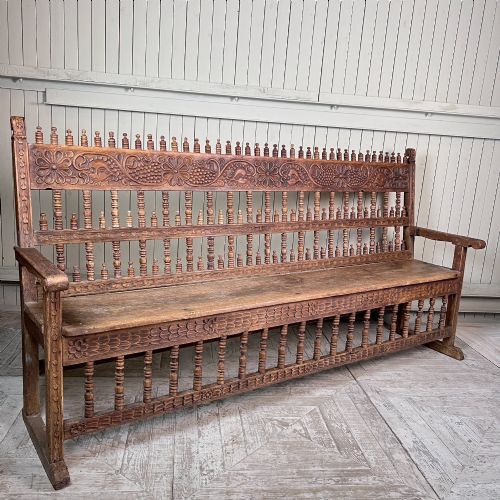
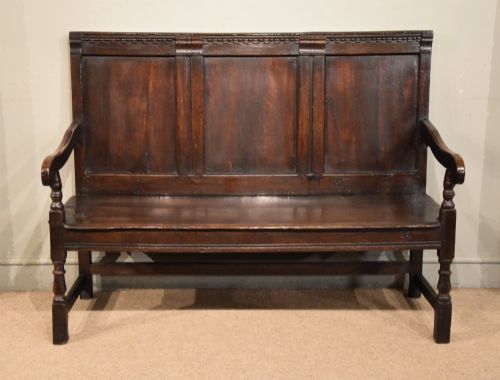
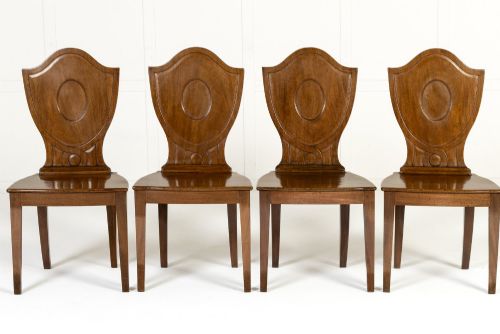
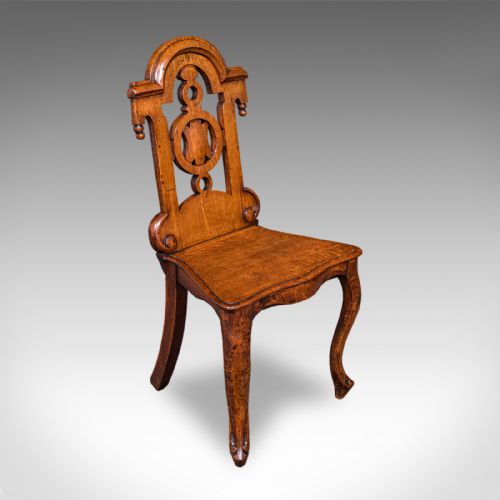
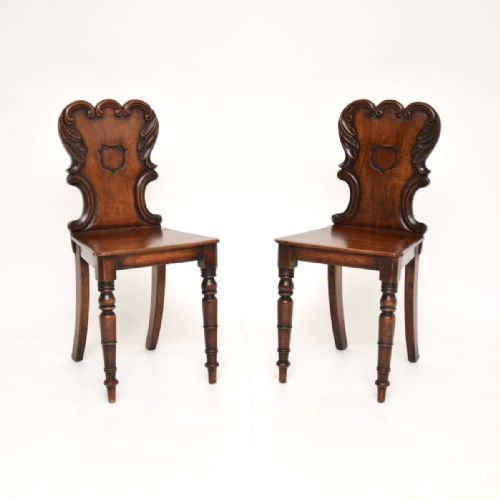
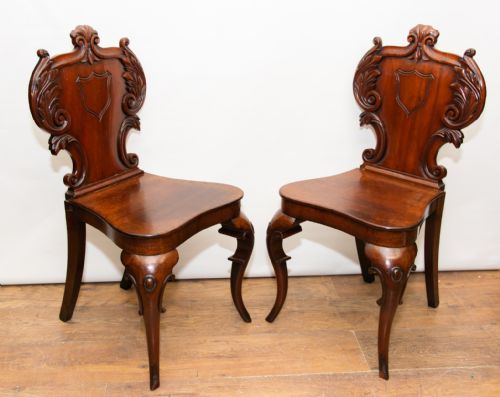
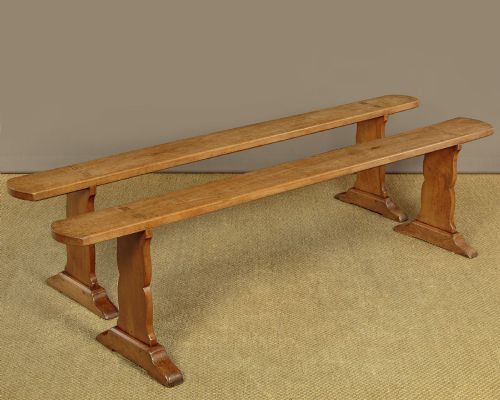
When you search for a brown timber hall seat, you encounter a variety of sturdy wooden furniture designed primarily for entrance halls and passages. The selections on this page range from single side chairs to long oak benches and box settles spanning the Georgian, Regency, and Victorian periods.
Mahogany and oak are the most common woods you will meet, alongside walnut, elm, and fruitwood. Forms include carved Gothic revival styles, shield backs, and simple country benches intended for heavy daily use.
These pieces originate from English country houses, Scottish residences, and continental workshops, reflecting both formal design and regional folk traditions.
What varies in quality
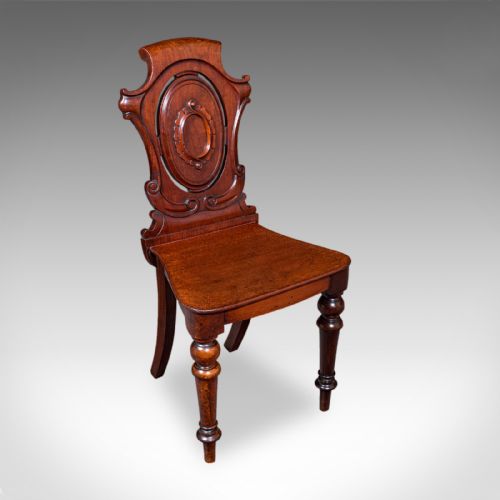
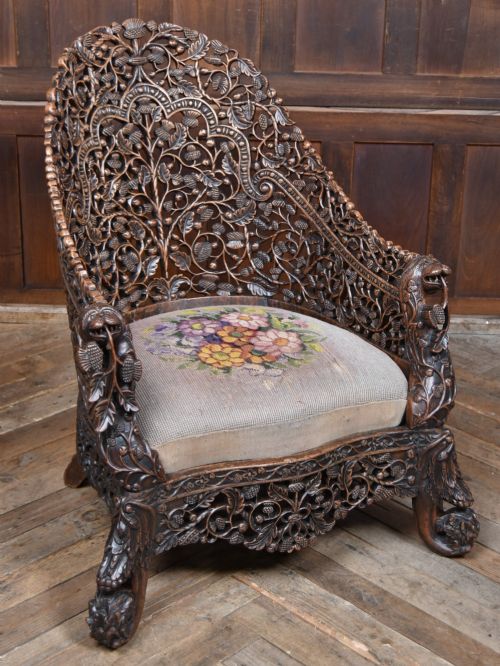
The degree of sculptural refinement in the timber carving sets examples apart, ranging from simple panel work to deeply carved Gothic details and crisp armorial crests. The choice of timber also dictates quality, with highly figured mahogany and well-selected burr elm commanding greater presence than standard utility woods.
Proportion and integrity of the original timber structure define the better specimens, where legs, backs, and seats retain their intended balance without heavy timber replacement.
Several pieces include hidden compartments under hinged seats, once used by households to store away damp winter boots.
Gillows
The Brown Timber Hall Seat Glossary
- Settle
- A wooden bench with high back, solid arms, and often a storage box beneath the seat. It provided shelter from draughts in hallways and kitchens.
- Hall chair
- A rigid wooden seat placed in an entrance hall, typically featuring a solid carved back and no upholstery. They were used for brief waiting periods rather than lounging.
- Gothic Revival
- An architectural and design movement drawing inspiration from medieval forms. It is characterised by pointed arches, trefoil carvings, and heavy timber construction.
- Shield back
- A chair back shaped in the outline of a heraldic shield, popular during the Georgian and Regency periods. Cabinetmakers often carved central splats within this outline with drapery or crests.
- Box settle
- A form of seating incorporating an enclosed compartment under the hinged seat lid. It served as both a bench and a container for boots or blankets.
Brown Timber Hall Seat: Frequently Asked Questions
What is a hall seat?
A hall seat is a sturdy wooden chair, bench, or settle designed for placement in an entranceway or passage. They provided a rigid place for callers and residents to sit briefly.
Unlike parlour seating, these pieces prioritised durability and formal appearance over deep comfort, often featuring upright wooden backs and solid carved seats.
How do I date a timber hall bench?
Dating relies on observing the timber species, tool marks, and stylistic indicators such as Gothic revival arches or Georgian shield backs. Construction methods also reveal age, as hand-cut joinery differs from later industrial production.
Comparing the turning of the legs and the method of securing the seat boards helps narrow the period of manufacture.
Where should I place a hall seat?
These pieces suit entrance halls, corridors, and boot rooms where their narrow profiles and sturdy construction function well. They also serve effectively as occasional seating in large living spaces.
Placing them away from direct heat sources helps protect the antique timber from drying out and splitting over time.
Are hall chairs comfortable?
Traditional hall chairs were built with solid wood seats and upright backs, meaning they were intended for brief seating rather than long lounging. Many examples feature carved wooden contours designed to fit the body.
Adding a loose cushion can increase comfort for daily use while preserving the antique timber surface underneath.