

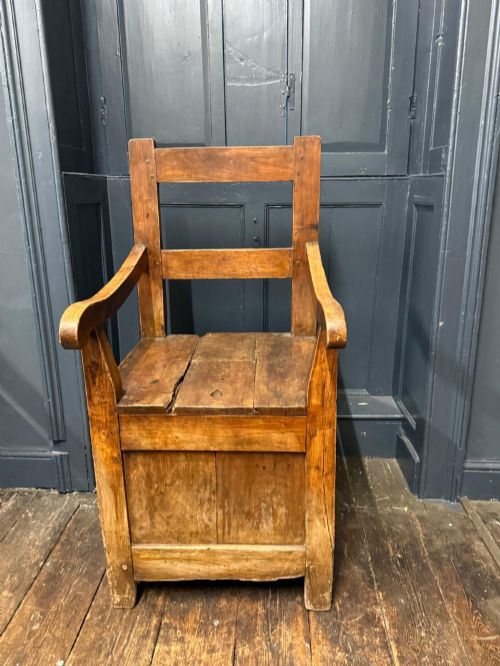
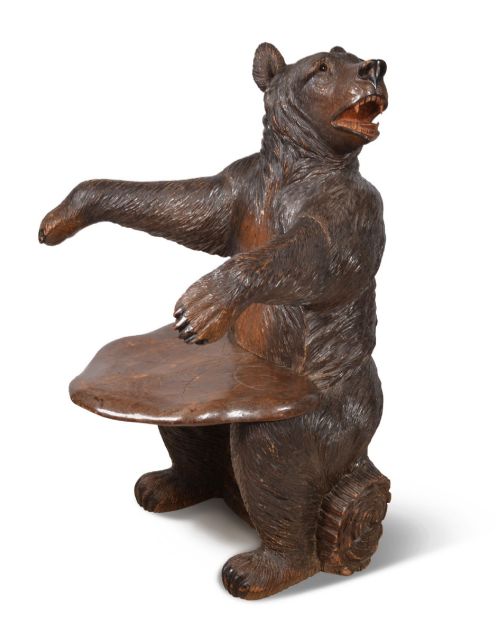
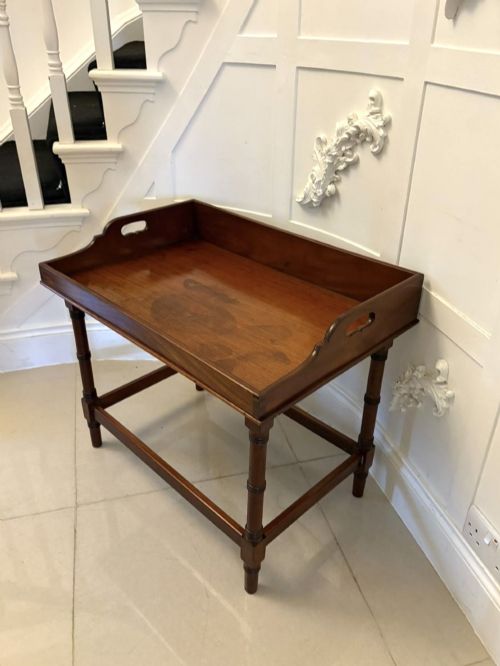
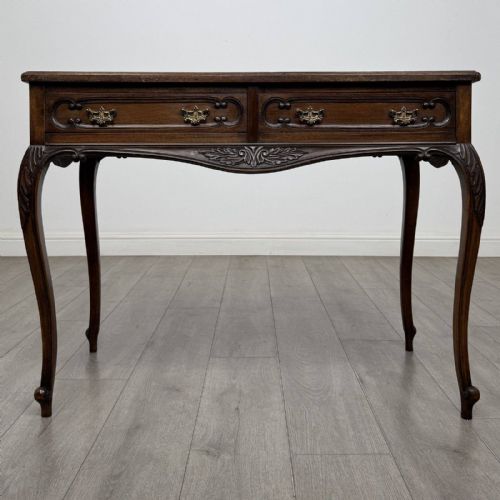
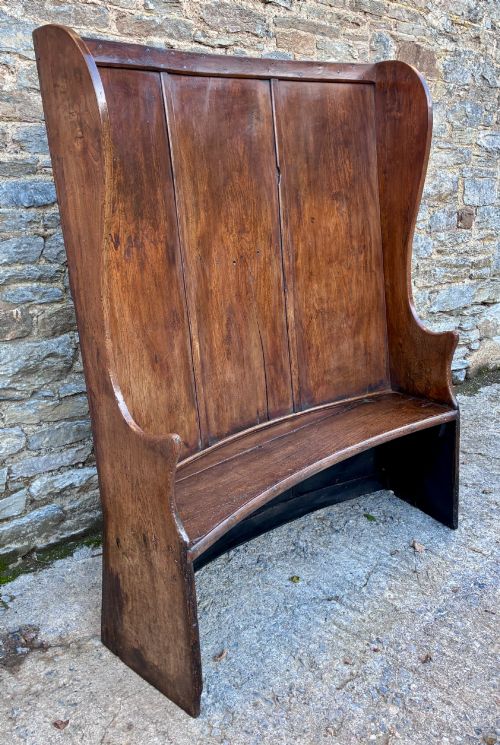
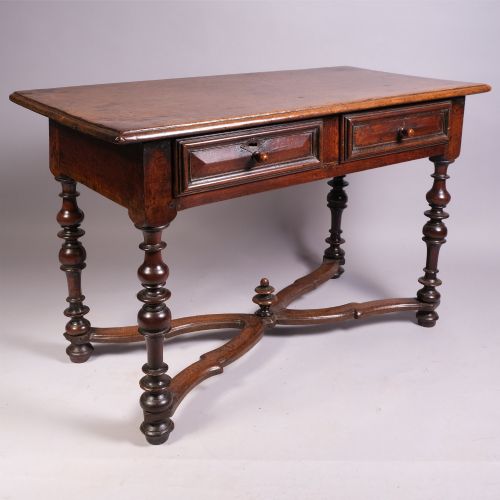
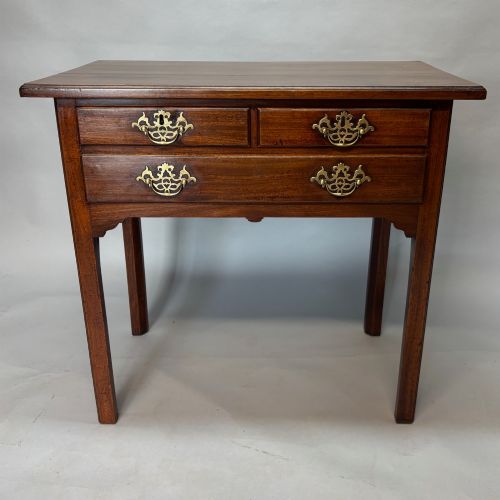
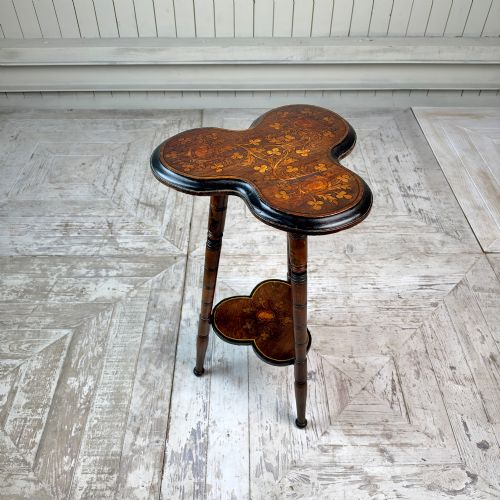
Brown Timber Furniture
Brown timber furniture offers substantial utility and historical craft, bringing character to any room through enduring materials.
Brown Timber Furniture
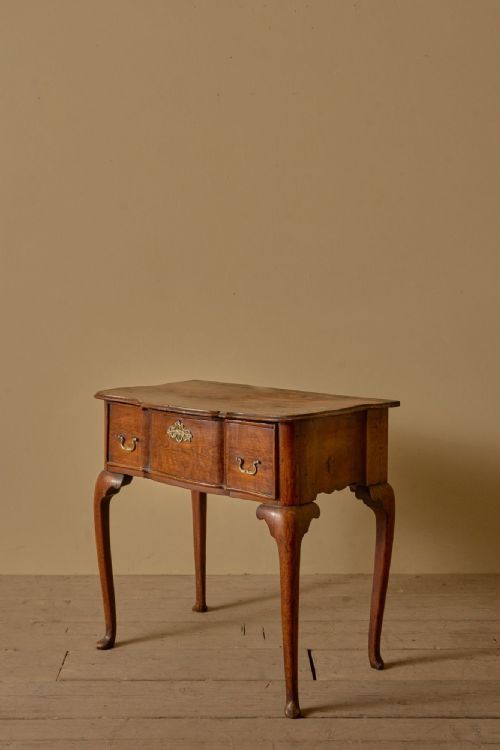
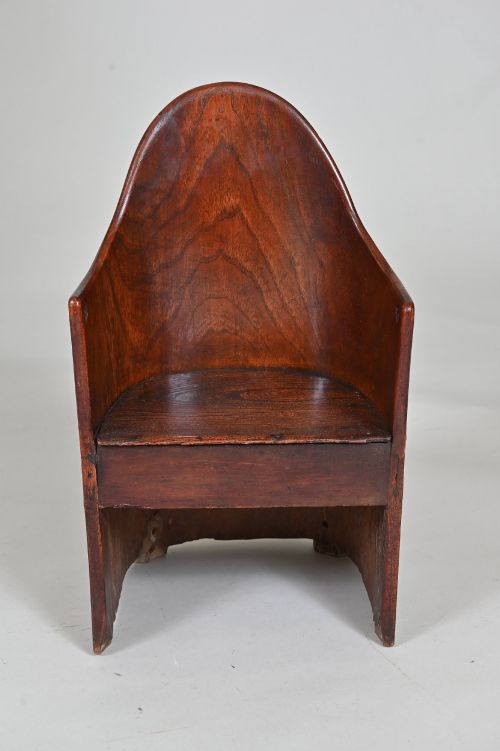
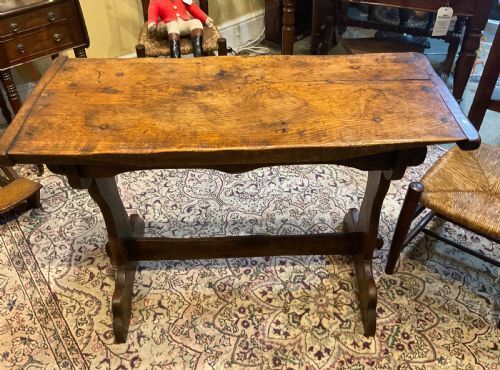
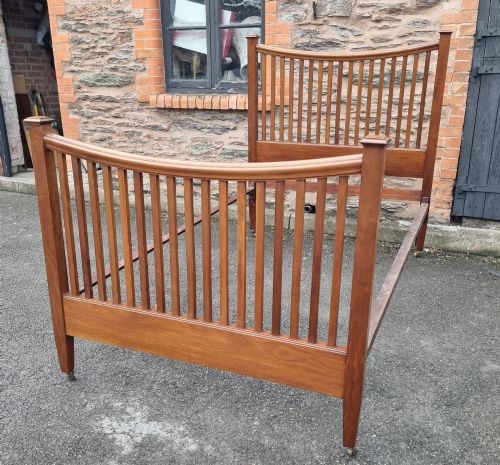
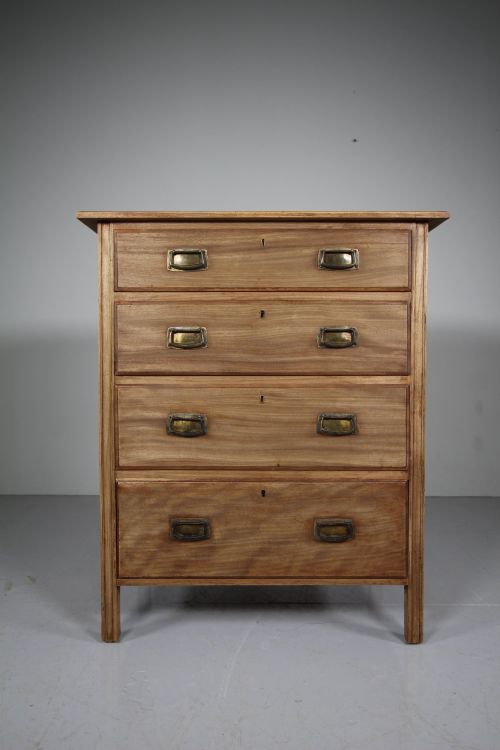
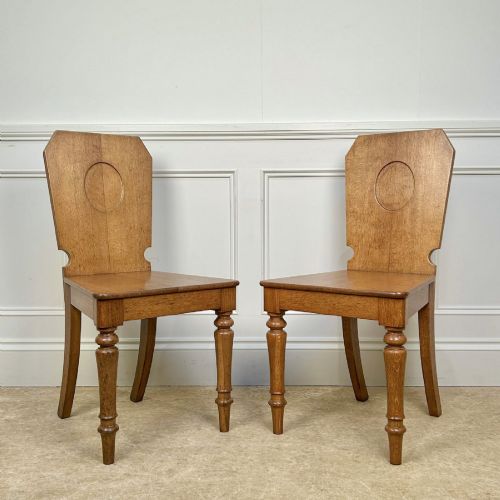
When you examine brown timber furniture, you encounter practical domestic items shaped by centuries of woodworking tradition across various regions. Chests of drawers, side chairs, and benches form the core of what you will discover on this page.
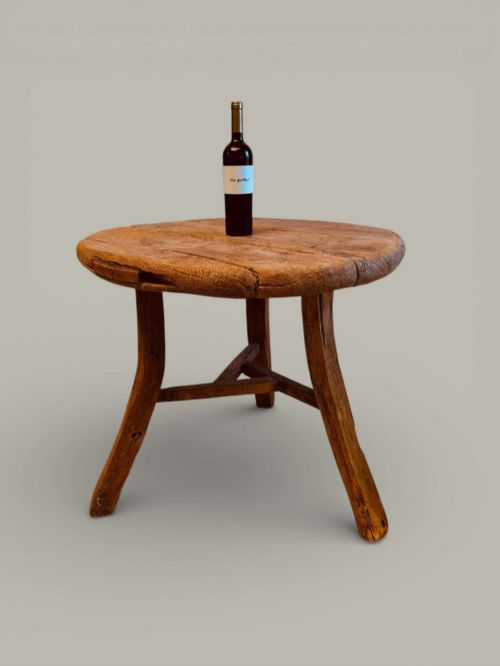
Makers shaped these brown timber pieces from regional woods to serve specific household roles, from seating in halls to storage in bedrooms. The selection spans Georgian, Victorian, and Edwardian eras alongside provincial folk art traditions.
Materials and Technique
Craftsmen utilised robust woods such as oak, mahogany, walnut, elm, and pine, selecting each timber for its grain and structural strength. Joinery methods relied on traditional fitting techniques to ensure durability through generations of daily use.
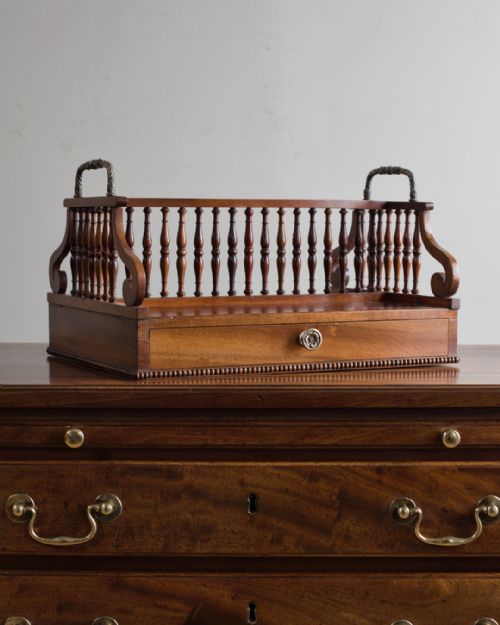
Surface treatments ranged from polished fruitwood and burr walnut veneers to hand-painted finishes on pine and softwood. Metal fittings in brass frequently accompanied drawer chests and cabinets to secure handles and escutcheons.
Brown Timber Furniture Retail Price Guide 2026
Typical asking prices for brown timber furniture among the pieces listed under this phrase on Sellingantiques today, from the lower quarter to the upper quarter. They describe what is for sale here now, not the wider market.
Listings include items made from oak, walnut, pine, mahogany, elm, sycamore, laburnum, birch, yew wood, and fruitwood.
Judging Construction
Quality rests upon the selection of timber and the precision of the joinery rather than mere age alone. Pieces retaining solid secondary timbers and original hardware demonstrate superior workshop practice.
Proportion and decorative carving distinguish standard utility items from notable cabinet work. The crispness of carved oak panels or inlaid details reveals the skill applied by the original maker.
Shapland and Petter·G Bartholomew and Co·Gillows·Trollope and Sons·Jas Shoolbred·Oliver Morel
The Brown Timber Furniture Glossary
- Whatnot
- A small open set of shelves used for displaying ornaments or books.
- Settle
- A wooden bench with high backs and arms, often incorporating storage beneath the seat.
- Burr walnut
- Timber taken from a tree growth that yields highly figured, swirling grain patterns.
- Escutcheon
- A protective plate surrounding a keyhole on a cabinet or drawer.
- Étagère
- A French term for a piece of furniture with several tiers of shelves.
Brown Timber Furniture: Frequently Asked Questions
How do I clean brown timber furniture?
Dust surfaces regularly with a soft, dry cloth to prevent accumulation of grit. Avoid silicone polishes that build up residue over time.
Feed dry wood occasionally with appropriate wax to maintain the finish and protect the grain. Keep pieces away from direct heat sources and strong sunlight to prevent warping.
How do I identify Victorian pieces?
Examine the wood types and construction methods typical of the nineteenth century. Mahogany and walnut frequently appear alongside heavier proportions and machine-assisted joinery.
Look for stylistic hints such as Renaissance Revival or Gothic influences. Drawer linings and secondary timbers often show circular saw marks characteristic of the period.
What is provincial furniture?
Provincial items were made outside major metropolitan design centres by local craftspeople. They utilise regional timbers such as fruitwood, pine, or elm.
These pieces prioritise straightforward utility and local aesthetic traditions over courtly fashions. Folk art details often distinguish country chests and chairs from city workshop output.
How do I date an oak chest?
Inspect the drawer construction, backboards, and interior timber surfaces. Hand-cut dovetails and irregular board widths indicate earlier periods before industrial standardisation.
Examine the patination and wear patterns around handles and keyholes. Original fixings and locks provide further clues to the manufacturing era.