
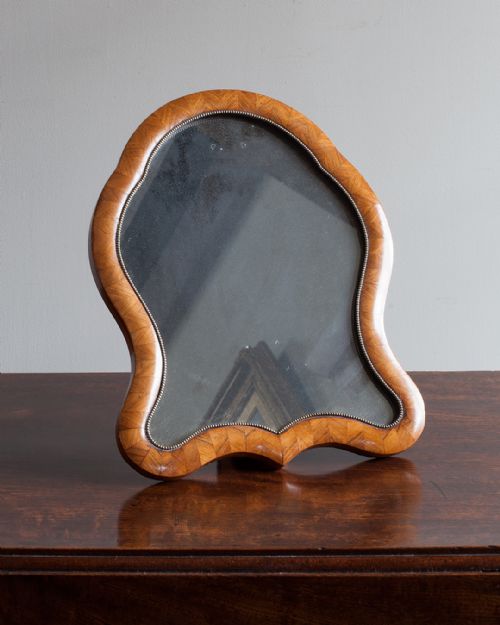
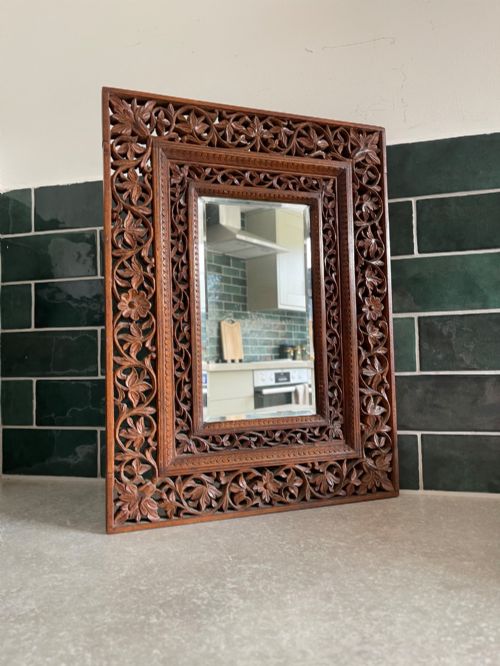
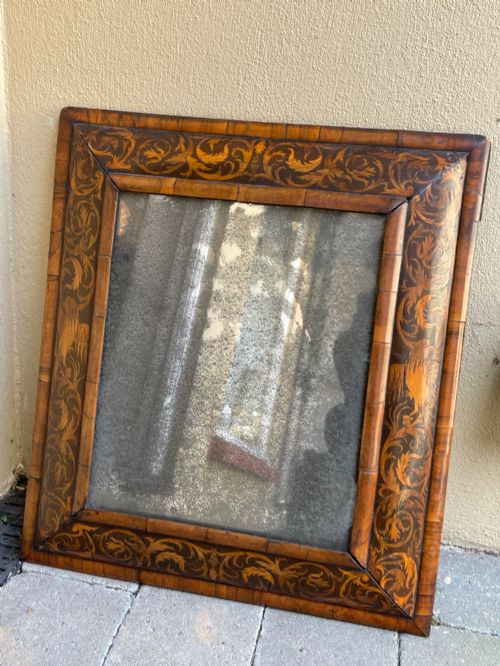
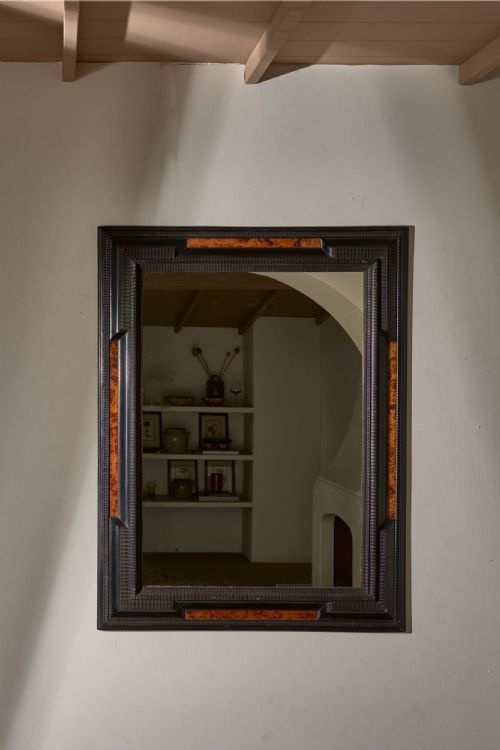
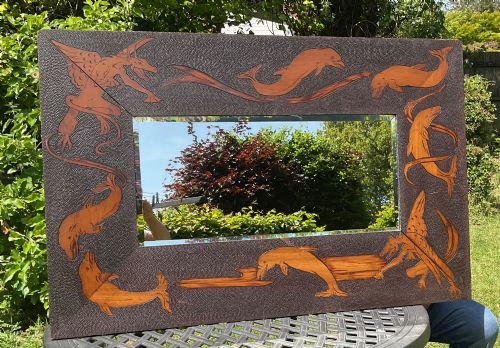
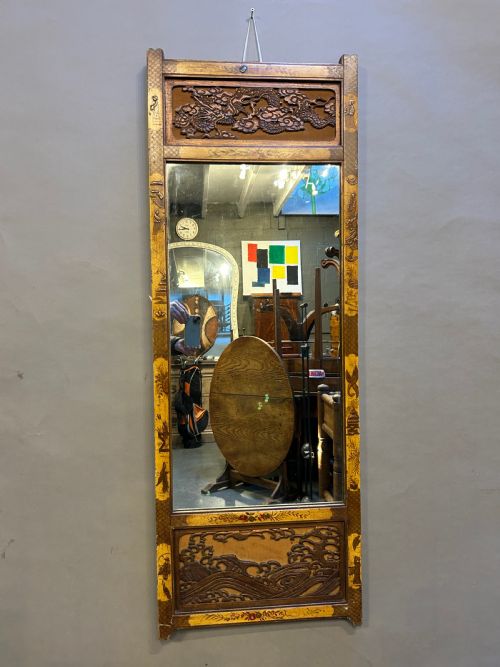


Brown Timber Framed Mirror
A brown timber framed mirror brings warmth and depth to a room through rich timber grains and traditional craftsmanship.
Brown Timber Framed Mirror
When you search for a brown timber framed mirror, you encounter pieces spanning from the seventeenth century through to the art deco period. These items appear in various forms, including wall mirrors, table mirrors, and large overmantel pieces.
The selection here draws on styles such as Victorian, Georgian, William and Mary, and French Provincial. Walnut, oak, mahogany, and kingwood predominate among the woods utilised in these frames.
How they were made
Makers constructed these frames from solid and veneered timbers such as walnut, oak, and mahogany, often applying intricate hand carving. Techniques include oyster veneering, marquetry inlay, and faux bamboo turning to achieve decorative depth.
Giltwood accents and ebonised details frequently complement the timber structure. Artisans shaped the wood to suit styles ranging from Black Forest carving to Italian Baroque Revival.
Listings feature timbers including walnut, oak, mahogany, kingwood, and rosewood across centuries of design.
What varies in quality
The calibre of a piece rests upon the depth and precision of the timber carving and the sophistication of its veneers. Finer examples display meticulous marquetry and well-figured grain patterns that enhance the overall design.
Proportion and architectural balance set superior mirrors apart from simpler utilitarian items. The harmony between the glass plate and the surrounding wooden frame dictates the visual authority of the object.
The Brown Timber Framed Mirror Glossary
- Oyster veneer
- A method of cutting branches transversely to produce circular or oval motifs with decorative growth rings. This technique creates a distinctive patterned surface across seventeenth-century frames.
- Marquetry
- The art of applying small pieces of veneer to a structure to form intricate decorative patterns. Makers utilised different coloured timbers to achieve pictorial designs on the wood.
- Faux bamboo
- Carved or turned wood shaped to imitate natural bamboo stalks. This finish became particularly popular in nineteenth-century French mirrors.
- Overmantel mirror
- A large glass designed specifically to hang above a fireplace mantelpiece. These pieces often feature extended horizontal proportions to fit the architectural space.
Brown Timber Framed Mirror: Frequently Asked Questions
How do I date a wooden mirror?
Examine the timber species, construction joints, and edge bevels of the glass plate to determine the likely period of manufacture. Stylistic markers such as Victorian carving or Georgian proportions also offer clear chronological clues.
Changes in mirror plate manufacture over the centuries help confirm age when combined with frame examination.
Where should I hang an overmantel mirror?
Position an overmantel mirror centrally above a fireplace mantelpiece to reflect light and anchor the room's main focal point. Ensure the wall fixings match the substantial weight of the timber frame.
Adequate clearance above the mantel shelf allows the frame proportions to sit comfortably within the architectural space.
What is oyster veneer?
Oyster veneer consists of branch wood sliced across the grain to reveal circular patterns resembling oyster shells. Cabinetmakers arranged these sections closely together to cover flat frame surfaces.
This labour-intensive method produces a dense, rhythmic grain pattern typical of seventeenth-century furniture.
How do I care for a antique timber frame?
Maintain the wood by dusting regularly with a soft, dry cloth and avoiding direct sunlight or damp conditions. Proper environmental control prevents the timber from drying out or splitting.
Occasional application of appropriate wax polish helps nourish the grain without buildup.